Your Reading Guide: Navigate This Article
So your older cat is acting like a kitten again, racing around at 3 AM, devouring food like there's no tomorrow, but somehow... they're getting skinnier. You can feel their spine a bit too easily. That was exactly my experience with my cat, Whiskers, a few years back. I thought he was just enjoying a second youth. Turns out, it was one of the most common diseases in senior cats: hyperthyroidism. A hyperactive thyroid gland was secretly running his little body into the ground.
If you're noticing similar things, you're in the right place. This isn't just a dry medical rundown. It's the guide I wish I had when Whiskers was diagnosed. We'll walk through what this condition really means, how to spot it (beyond the obvious), what the vet will do, and the real-world pros and cons of every treatment option. Because managing a cat with a hyperactive thyroid isn't just about a pill; it's about a new approach to their care.
The Core Problem: In simple terms, feline hyperthyroidism means the thyroid gland (a small, butterfly-shaped organ in the neck) goes into overdrive. It starts pumping out way too much thyroid hormone (T4). This hormone acts like the body's master thermostat and gas pedal. When it's stuck on "high," every system in your cat's body speeds up. Their metabolism goes into overdrive, burning calories at a crazy rate even while they're sleeping. That's why the classic sign is weight loss despite a ravenous appetite. It's not just energy—it affects their heart, kidneys, and overall well-being.
Spotting the Signs: Is It Just Old Age or a Hyperactive Thyroid?
This is where it gets tricky. The symptoms of hyperthyroidism in cats can be subtle at first and are often mistaken for normal aging. I totally missed Whiskers' early signs. I put his weight loss down to being more active and his slightly scruffy coat to him being an older gentleman. Big mistake.
The symptoms don't all appear at once. Here’s a breakdown, from the most common to the less obvious red flags.
The Big Four You Can't Ignore
- Weight Loss Despite Voracious Appetite: This is the hallmark. Your cat is eating more than ever—maybe even begging, stealing, or waking you up for food—but the pounds are melting off. You might notice a prominent spine or hip bones.
- Hyperactivity and Restlessness: Your calm, senior cat might start acting like a kitten again. Pacing, vocalizing (especially at night), and seeming unable to settle. Whiskers would have these frantic midnight zoomies that were cute at first, then concerning.
- Increased Thirst and Urination (Polydipsia/Polyuria): You're filling the water bowl more often and the litter box is getting soggy much faster. The high metabolism makes them thirsty, and their kidneys work overtime to process it all.
- Poor Coat Condition: The fur becomes unkempt, matted, or greasy. They might stop grooming properly because they just don't have the energy or focus for it. A once-pristine coat turning scruffy is a major clue.
The Sneaky, Secondary Symptoms
These happen as the disease strains other organs, particularly the heart.
- Vomiting or Diarrhea: The sped-up digestive system doesn't always process food well.
- Rapid Heart Rate and Heart Murmur: The heart has to work much harder, which can lead to a serious condition called hypertrophic cardiomyopathy. Your vet might detect this during a check-up.
- Increased Aggression or Irritability: Not all cats get hyper and happy. Some just get grumpy and more easily annoyed. It's the constant "wired" feeling.
- Weakness or Lethargy: This seems contradictory to hyperactivity, but in advanced cases, the body simply becomes exhausted from running at full throttle for months.
See how easy it is to explain away each one? "He's just getting old," "He's more playful," "It's a hot summer." That's why a vet visit is non-negotiable.
Getting the Diagnosis: What Your Vet Will Do
You can't diagnose this one at home. If you suspect a hyperactive thyroid, a trip to the vet is step one. Don't panic—the diagnostic process is straightforward.
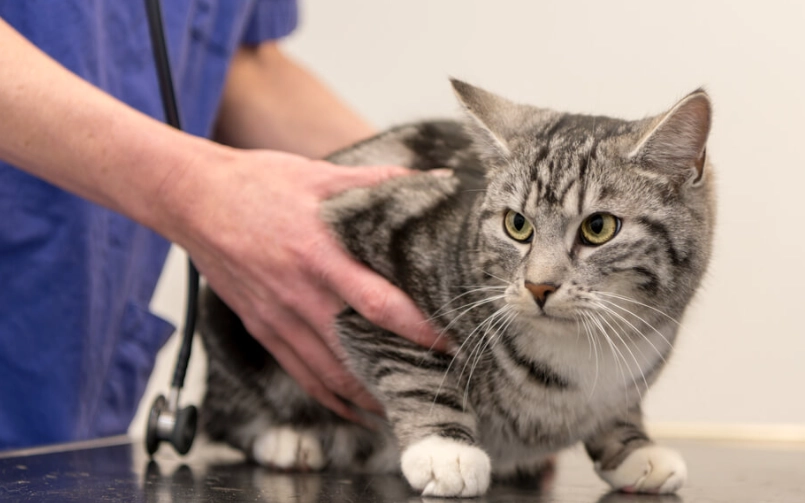
First, your vet will do a thorough physical exam. They'll feel your cat's neck (palpating the thyroid gland—in hyperthyroid cats, it's often enlarged and movable, like a small pea or bean under the skin). They'll listen carefully to the heart and check body condition.
The gold standard is a blood test. They're not just checking one thing. A standard senior panel usually includes:
- Total Thyroxine (T4): This is the primary test. A significantly elevated T4 level is a strong confirmation of hyperthyroidism. However, in early or mild cases (or if another illness is present), the T4 might be only slightly high or even in the normal range. That's frustrating, but it happens.
- Complete Blood Count (CBC) & Biochemistry Profile: This checks the overall health of organs like the kidneys and liver. It's crucial because hyperthyroidism can mask kidney disease. The high blood pressure and increased blood flow from the thyroid issue can make the kidneys *look* like they're working better than they actually are. Treating the thyroid can sometimes reveal underlying kidney problems—a key point to discuss with your vet.
Why the Full Panel Matters: Diagnosing a cat with hyperthyroidism isn't just about saying "yes" or "no." It's about building a complete health picture. Your vet needs to know how your cat's heart and kidneys are holding up before deciding on the best treatment path. Skipping these tests can lead to problems down the road. The
American Veterinary Medical Association (AVMA) emphasizes the importance of a comprehensive diagnostic workup for exactly this reason.
In some tricky cases, your vet might recommend additional tests like a free T4 test (more sensitive), a thyroid scan, or a T3 suppression test. But for most cats, the physical exam and basic bloodwork tell the story.
Navigating Treatment Options: A Real-World Comparison
Okay, diagnosis confirmed. Now what? This is where many owners feel overwhelmed. There are several ways to manage hyperthyroidism in cats, and the "best" one depends entirely on your cat's health, your lifestyle, and your budget. Let's be brutally honest about each.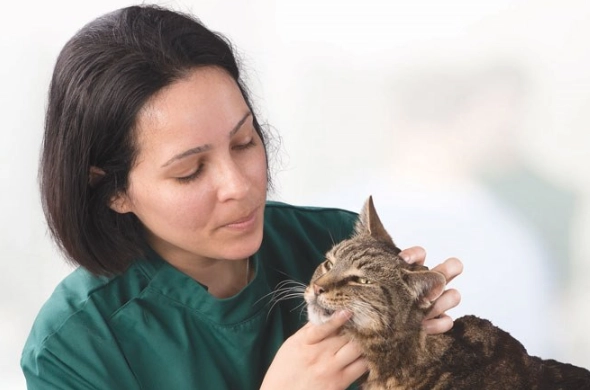
I've talked to vets and owners, and here's a no-nonsense breakdown. A table might help visualize the trade-offs.
| Treatment Option | How It Works | The Good Stuff | The Not-So-Good Stuff | Cost Consideration |
|---|
| Oral Medication (Methimazole) | Daily pills or liquid that blocks thyroid hormone production. | Non-invasive, inexpensive to start, reversible. Good for testing if kidney function is stable post-treatment. | Daily struggle for some cats. Potential side effects (vomiting, itchiness, rarely blood cell issues). Doesn't cure the disease, just manages it. Requires ongoing blood tests. | Low initial, moderate long-term (drugs + monitoring). |
| Transdermal Gel | Same drug (methimazole) applied to the inner ear skin. | No pills to fight! Great for cats who are impossible to pill. | Absorption can be uneven. You must wear gloves. Can be messy. Same potential side-effects as oral meds. Often more expensive than pills. | Moderate to high. |
| Prescription Diet (Iodine-Restricted) | Food with severely limited iodine, which the thyroid needs to make hormone. | No pills, no gels. Simple if your cat is the only pet and eats only this food. | Extremely strict. Cat cannot eat *anything* else—no treats, no hunting, no other pet's food. Not all cats like the taste. Not suitable if kidney disease requires a different diet. | Moderate (cost of prescription food). |
| Radioactive Iodine Therapy (I-131) | Injection of radioactive iodine that destroys overactive thyroid tissue. | Curative. Single treatment, no daily meds. Highly effective (>95% success). Targets only abnormal tissue. | Requires specialty clinic and hospitalization (3-5 days due to radiation). Upfront cost is high. Not ideal for cats with severe other illnesses. | High upfront, often cost-effective long-term. |
| Surgery (Thyroidectomy) | Surgical removal of the affected thyroid gland(s). | Curative and immediate. No radiation protocols. | Surgical/anesthesia risks, especially in older cats. Risk of damaging parathyroid glands (regulate calcium). Possible need for a second surgery if other lobe becomes hyperactive. | High (surgery + hospitalization). |
See? No perfect answer. Just the right answer for your situation.
For Whiskers, we started with pills. It was a battle twice a day that stressed us both out. We switched to the transdermal gel, which was a game-changer for our relationship. But I was constantly anxious about whether I'd applied it right. We eventually saved up for I-131 treatment. The week he was in the hospital was hard, but seeing him return to a normal weight and calm demeanor without daily medication was worth every penny. I'm not saying it's right for everyone, but it was right for us.
Life After Diagnosis: Daily Management and Monitoring
Treating a hyperactive thyroid cat is a marathon, not a sprint. Whichever path you choose, ongoing care is key.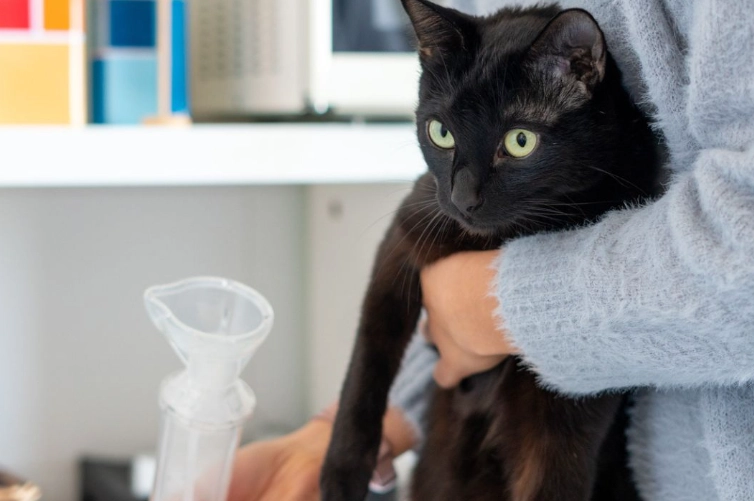
If You Choose Medication (Oral or Gel)
- Consistency is King: Give the medication at the same time(s) every day. Set phone alarms.
- Watch for Side Effects: In the first few weeks, monitor for loss of appetite, vomiting, or excessive scratching/face-rubbing. Report these to your vet immediately.
- Blood Test Schedule: You'll need regular rechecks—typically at 3-4 weeks after starting, then every 6 months once stable. This checks T4 levels and monitors kidney function and blood cells.
If You Choose the Prescription Diet
- Total Food Control: This is non-negotiable. You must become a food security guard. No treats, no people food, no access to other pet bowls. A single non-compliant meal can undermine weeks of therapy.
- Patience with Pickiness: Some cats take time to accept the new food. Mix it gradually with their old diet under your vet's guidance.
If You Choose Radioactive Iodine or Surgery
- Post-Treatment Monitoring: Even after a "cure," follow-up blood tests (at 1, 3, 6, and 12 months) are essential to ensure T4 levels are normal and no hypothyroidism (underactive thyroid) develops.
- Watch for Hypothyroidism: Signs include lethargy, weight gain, and poor coat. It's easily managed with supplementation if it occurs.
Beyond the direct treatment, think about supportive care:
- High-Calorie, High-Protein Food: Help them regain lost muscle mass. Discuss the best nutritional plan with your vet, especially if kidney issues are a factor.
- Easy Access to Water: Multiple clean water bowls around the house, maybe a fountain, to support kidney function.
- Stress Reduction: A calm environment helps. Use Feliway diffusers, provide cozy hiding spots, and maintain routines.
Common Questions About Hyperactive Thyroid Cats (Answered)
Q: How long can a cat live with hyperthyroidism?
A: With proper treatment and management, cats with hyperthyroidism can live many years—often a normal lifespan for their age. The key is early diagnosis and consistent care. Untreated, the disease will progressively damage the heart and other organs, severely reducing quality and length of life.
Q: Can hyperthyroidism in cats be cured, or is it just managed?
A: Both! Radioactive iodine (I-131) and surgery are considered curative treatments, as they physically remove or destroy the malfunctioning tissue. Medication and diet are management strategies—they control the hormone levels but don't remove the underlying problem. The choice between cure and management depends on your cat's overall health and your circumstances.
Q: What happens if I don't treat my cat's hyperthyroidism?
A: It's a grim picture, honestly. The constant metabolic overload leads to severe weight loss and muscle wasting (cachexia), potentially fatal heart disease (heart failure), high blood pressure (which can cause blindness or stroke), and kidney damage. The cat eventually suffers a greatly diminished quality of life. Treatment isn't optional for a good outcome.
Q: Is there a link between hyperthyroidism and kidney disease in cats?
A: Yes, and it's the most critical complication to understand. They are both common in older cats. The high blood pressure and increased blood flow from hyperthyroidism can artificially make kidney values look better. Treating the thyroid can sometimes "unmask" underlying kidney disease as blood flow normalizes. This doesn't mean treatment caused kidney disease; it was already there. Your vet's job is to find a balance—managing the thyroid while supporting the kidneys. Resources from institutions like
Cornell University's Feline Health Center provide excellent detail on this complex interplay.
Q: Can diet prevent or cause hyperthyroidism in cats?
A: The exact cause is still unknown, but diet is a leading suspect in ongoing research. Some studies have explored potential links to certain canned food diets (especially fish-flavored), the use of pop-top cans, or exposure to flame retardants (PBDEs) in the environment or food. However, no single cause has been proven. It's more about minimizing potential risk factors where you can—feeding a variety of high-quality foods from different sources might be a prudent approach. It's not about blaming yourself; the research is still evolving.
Final Thoughts: You've Got This
Hearing that your cat has a hyperactive thyroid can be scary. I remember the pit in my stomach. But look at it this way: you've now noticed the signs, you're seeking information, and you're preparing to take action. That already puts you ahead of the game.
This disease is very common and, more importantly, very manageable. Whether you opt for daily management with medication or aim for a cure with I-131, you have effective tools. The goal is to take that overactive thyroid gland out of the driver's seat and let your cat get back to being their best, comfortable self.
Work closely with your vet. Ask all the questions you have (write them down before your appointment!). Consider your cat's unique personality and health profile. There is no one-size-fits-all, but there is a right path for you and your feline friend.
The journey with a hyperthyroid cat requires some adjustment, but it's deeply rewarding. Seeing them regain a healthy weight, a shiny coat, and a calm disposition is worth every step. Start with that vet visit, get the bloodwork done, and go from there. Your cat is counting on you.