Can Dogs Eat Quinoa? A Vet-Approved Guide to Safety & Benefits
Quick Guide to Quinoa for Dogs
- What's the Big Deal About Quinoa Anyway? A Nutrition Breakdown
- The Not-So-Sweet Side: Risks and Reasons to Pause
- Okay, I'm Convinced to Try It. How Do I Do This Safely?
- Quinoa vs. The Usual Suspects: Rice, Oatmeal, and Regular Dog Food
- Special Scenarios: Puppies, Seniors, and Sensitive Tummies
- Your Quinoa-for-Dogs Questions, Answered Honestly
- Putting It All Together: The Final Verdict
So you're standing in your kitchen, looking at that bag of quinoa you bought for your own healthy meals, and your dog is giving you that look. You know the one. The "I see food and I want some" look. And you pause. Is this stuff actually okay for them? I've been there. With all the buzz around quinoa as a human superfood, it's natural to wonder if some of those benefits could extend to our four-legged family members. But the internet is full of conflicting info, right? One site says it's fantastic, another screams it's toxic. Let's cut through the noise.
The short, non-alarming answer is yes, dogs can eat quinoa, and it's not some dangerous poison. The American Society for the Prevention of Cruelty to Animals (ASPCA) doesn't list quinoa as toxic to dogs. In fact, many commercial high-end dog foods are starting to include it as a quality carbohydrate source. But—and this is a big but—that doesn't mean you should just dump a bowl of your quinoa salad into their dish. There's a right way and a very wrong way to go about it.
The Core Truth: Plain, thoroughly cooked quinoa is generally safe for most dogs in moderation. It can even offer some nutritional perks. The real danger lies in the preparation, the portion size, and your individual dog's health.
I remember the first time I gave my own dog, a curious Labrador mix, a tiny spoonful of plain quinoa. I watched him like a hawk for hours, half-expecting some dramatic reaction. Nothing happened. He enjoyed it, digested it fine, and looked for more. But that's my dog. Yours might be different. That's why a one-size-fits-all answer doesn't work. We need to dig into the details.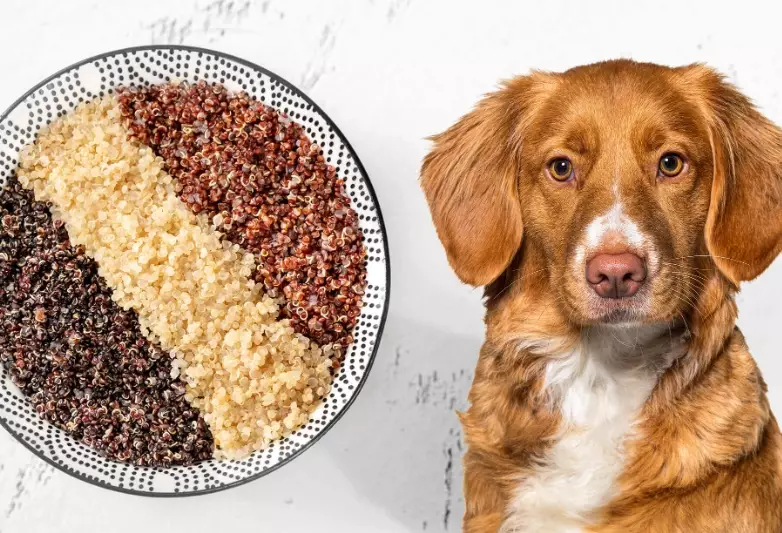
What's the Big Deal About Quinoa Anyway? A Nutrition Breakdown
Before we decide if dogs can eat quinoa, let's understand what it is. Quinoa is a seed, often treated as a grain. It's been a staple in South America for thousands of years and hit the global health scene for good reason. For us humans, it's praised for being a complete protein and gluten-free. But dogs aren't tiny humans in fur coats. Their nutritional needs are different.
So, what's in it for them? Here’s a look at what cooked quinoa brings to the (dog) bowl:
- Protein: It contains all nine essential amino acids, making it a "complete" plant-based protein. This can be a nice supplement, especially for dogs on a diet with lower-quality meat meals. But don't get it twisted—it should never replace high-quality animal protein as the main source in your dog's diet.
- Fiber: A decent amount of dietary fiber, which can aid in digestion and help keep things... regular. This can be great for dogs prone to constipation.
- Minerals: It's a source of iron, magnesium, manganese, and phosphorus, which support various bodily functions like bone health and energy production.
- B Vitamins: Contains B2 (riboflavin) and folate, important for metabolic health.
Now, let's be honest. Most dogs eating a balanced, commercial diet are already getting these nutrients. Quinoa isn't a magical necessity. Its main role, if you choose to use it, is as a potentially healthier alternative to other common fillers like corn, wheat, or white rice. It has a lower glycemic index than white rice, meaning it causes a slower, more steady rise in blood sugar, which some pet nutritionists prefer.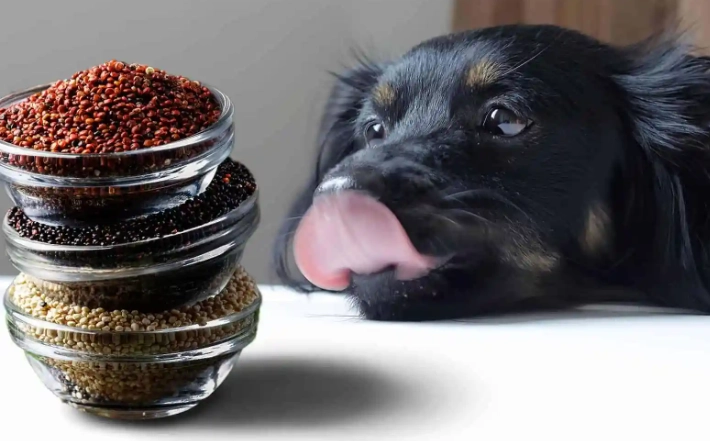
| Nutrient (per 100g cooked) | Quinoa | White Rice (for comparison) | Potential Benefit for Dogs |
|---|---|---|---|
| Protein | ~4.4g | ~2.7g | Muscle maintenance, tissue repair |
| Fiber | ~2.8g | ~0.4g | Digestive health, satiety |
| Iron | ~1.5mg | ~0.2mg | Oxygen transport in blood |
| Magnesium | ~64mg | ~12mg | Nerve & muscle function, bone health |
See? It packs more of a nutritional punch than bland white rice, which is often used in bland diets for upset stomachs. This is partly why the question "can dogs eat quinoa" has shifted from a flat "no" to a cautious "yes, if...".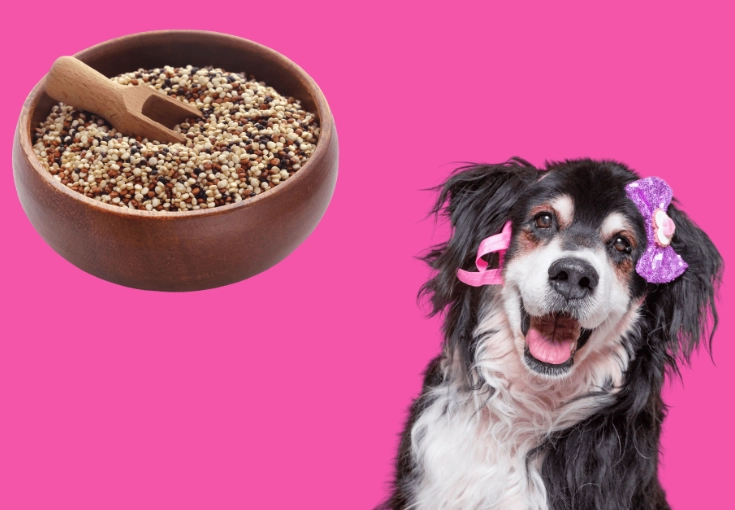
The Not-So-Sweet Side: Risks and Reasons to Pause
Alright, so quinoa has good stuff. But this isn't a sales pitch. We have to talk about the potential downsides. Ignoring these is how people get into trouble wondering, "My dog ate quinoa and now seems off—what did I do wrong?"
The Saponin Situation (This is the Big One)
Raw, unrinsed quinoa is coated with a natural chemical called saponin. It's a bitter-tasting compound that acts as a natural pesticide for the plant. For dogs (and humans), saponin can be irritating. It can cause:
- Gastrointestinal upset: The most common issue. Think vomiting, diarrhea, or general tummy grumbles.
- Potential intestinal permeability: In theory, high amounts could irritate the gut lining. This is more of a concern with frequent, large servings of poorly prepared quinoa.
Here's the good news: This risk is almost entirely eliminated by proper preparation. Commercially sold quinoa is often pre-rinsed, but doing a thorough rinse yourself under cold water until the water runs clear is non-negotiable. Then, you must cook it thoroughly. Cooking breaks down any remaining saponins. So, the answer to "can dogs eat quinoa" hinges on this step: never feed raw, and always rinse and cook.
Other Potential Issues
Saponins aren't the only consideration.
Watch Out For:
- High Fiber Content: While fiber is good, a sudden large amount can shock your dog's system, leading to gas, bloating, or diarrhea. Introduce it slowly.
- Calorie and Carb Load: Quinoa is energy-dense. For a dog on a weight management plan, those extra calories from a "healthy treat" can add up quickly and undermine their diet.
- Allergies or Sensitivities: Though rare compared to common allergens like beef or chicken, it's possible for a dog to be sensitive to quinoa. Watch for itching, ear infections, or paw licking after introduction.
- Kidney Concerns: Quinoa contains compounds called oxalates. For a healthy dog, this is a non-issue. However, for dogs with a history of calcium oxalate bladder stones or kidney disease, it's a topic to discuss with your vet before adding any high-oxalate food.
I think the oxalate point gets overblown online sometimes. For the vast majority of dogs, it's not a concern. But it's worth mentioning because if your dog has that specific medical history, you and your vet should be making these calls together, not based on a blog post.
Okay, I'm Convinced to Try It. How Do I Do This Safely?
Let's get practical. If you've weighed the pros and cons and want to see if your dog can eat quinoa and enjoy it, here's your step-by-step playbook. Skipping steps is where mistakes happen.
Step 1: The Preparation Ritual (Don't Skimp!)
- Rinse, Rinse, Rinse: Even if the package says "pre-rinsed," do it again. Use a fine-mesh strainer and cold water. Rub the seeds gently with your fingers. Keep going until the water runs completely clear, not cloudy. This removes the bitter saponin coating.
- Cook It Plain: Cook the quinoa in plain water or low-sodium broth. No salt, no onions, no garlic, no spices. Those are big no-nos for dogs. Cook until it's soft and the little "tails" (germs) have spiraled out.
- Let It Cool: Serve it at room temperature or slightly cool. Never hot.
Step 2: The First Introduction (The Taste Test)
Start with a tiny amount. I'm talking a teaspoon for a medium-sized dog. Mix it into their regular food. Observe them for the next 24-48 hours. Look for any changes in appetite, energy, stool consistency, or behavior. If all is well, you can proceed.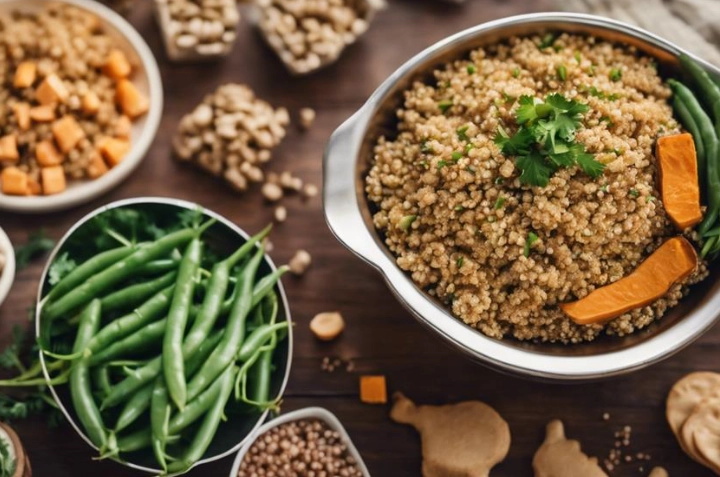
Patience is key here.
Step 3: Figuring Out the "How Much" (Portion Control is Everything)
This is the most common mistake. Quinoa should be a supplement or meal topper, not a meal replacement. A good rule of thumb is that treats and extras should not make up more than 10% of your dog's daily caloric intake. Quinoa falls into that "extras" category.
General Portion Guideline: For a healthy adult dog, one to two tablespoons of cooked quinoa per meal, mixed well into their regular food, is a safe maximum for most sizes. For small dogs, start with a teaspoon. It should never be the main component of the bowl.
Why so little? Because their primary nutrition needs to come from a diet formulated for dogs. You wouldn't feed a child only supplements and no real food. Same logic.
Quinoa vs. The Usual Suspects: Rice, Oatmeal, and Regular Dog Food
A lot of people ask, "If I'm going to give my dog a grain or carb, which is best?" It's a fair question. Let's break it down quickly.
- vs. White Rice: Often used in bland diets (chicken and rice) for upset stomachs. Quinoa has more protein, fiber, and minerals. But white rice is simpler, more easily digestible for a sensitive gut, and has a longer track record of use. For a one-off tummy issue, many vets still recommend plain white rice. For a long-term, occasional topper, quinoa might be the more nutrient-dense choice.
- vs. Oatmeal: Another great option. Plain cooked oatmeal is also safe, rich in soluble fiber. It can be more soothing for some dogs. It's a bit of a toss-up—both are good. It might come down to your dog's preference or what agrees with their system.
- vs. Their Kibble: This is crucial. High-quality commercial dog food is balanced by animal nutritionists. If you start replacing significant amounts of it with quinoa (or any human food), you risk creating nutritional imbalances over time. Always think "addition," not "replacement."
So, can dogs eat quinoa as a better alternative to rice? In many ways, yes, but context matters. For an acute digestive reset, stick with the vet's classic advice. For a nutritional boost on a normal day, quinoa is a solid contender.
Special Scenarios: Puppies, Seniors, and Sensitive Tummies
Not all dogs are the same. Their life stage and health status change the equation.
Puppies: Their digestive systems are still developing. I'd be extra cautious. While a tiny, well-cooked bit likely won't hurt, their main focus should be on a high-quality puppy formula that supports rapid growth. There's really no need to introduce extras like quinoa. Wait until they're adults.
Senior Dogs: They might benefit from the easy-to-digest protein and fiber, especially if they have constipation issues. However, seniors are more likely to have underlying health conditions (kidney issues, etc.). A vet check-up and conversation before adding new foods is a must.
Dogs with Known Grain Sensitivities or Allergies: Here's an interesting twist. Quinoa is technically a seed and is gluten-free. Many grain-free dog foods use it. So, for a dog allergic to wheat or corn, quinoa might be a safe alternative carbohydrate source. But—and it's a big but—"grain-free" has its own controversies linked to potential heart issues (DCM). The FDA has investigated a potential link between certain grain-free diets and Dilated Cardiomyopathy in dogs. The science is evolving, but it's a reminder that jumping on any trend without professional guidance can have unintended consequences. If your dog has food allergies, work with your vet or a veterinary nutritionist to identify the true culprit.
See how one simple question branches out?
Your Quinoa-for-Dogs Questions, Answered Honestly
I've gotten a lot of specific questions from other dog owners over the years. Here are the most common ones, answered without fluff.
Can dogs eat quinoa if they are allergic to grains?
Probably, yes, since it's not a true cereal grain. It's often used in grain-free diets. However, "grain-free" doesn't automatically mean "allergy-free." Dogs can be allergic to anything. Introduce it like you would any novel protein or carb: slowly and watchfully.
My dog ate uncooked quinoa! What do I do?
Don't panic. A few uncooked seeds likely won't cause a crisis, thanks to the hard outer coating. The main risks are a potential stomach upset from the saponins or, in larger quantities, a risk of intestinal blockage because it's dry and hard. Provide plenty of fresh water. Monitor closely for vomiting, loss of appetite, lethargy, or signs of abdominal pain. If they ate a significant amount (like got into the bag) or show any concerning symptoms, call your vet.
Is it okay to feed my dog quinoa every day?
I wouldn't recommend it. Variety is good, and relying on any single human food daily increases the risk of creating a nutritional imbalance or developing a sensitivity. Think of it as an occasional supplement or special topper, maybe a few times a week at most.
Can dogs eat quinoa from my takeout or pre-made salad?
Absolutely not. This is a critical point. Restaurant or pre-packaged quinoa is almost always seasoned with things harmful to dogs: onion, garlic, excessive salt, lemon juice, or other spices. Stick to the plain, home-cooked version only.
What about quinoa flour or quinoa in dog treats?
Quinoa flour is becoming popular in boutique dog treats. Since it's made from the cooked and milled seed, the saponin issue is typically resolved. As with any treat, check the other ingredients to ensure they're dog-safe (no xylitol, raisins, etc.) and give in moderation.
Putting It All Together: The Final Verdict
Look, after all this, the core message is about informed moderation. Can dogs eat quinoa? The evidence says a qualified yes. It's a nutritious, gluten-free seed that can be a healthier carb alternative when prepared correctly.
The Golden Rules Recap:
- Always rinse and cook it plain. This removes the bitter saponins.
- Start small and go slow. A teaspoon for the first try, watch for reactions.
- Keep portions tiny. It's a topper, not a main course.
- When in doubt, ask your vet. This is especially true for dogs with health issues.
- Never feed seasoned or restaurant quinoa. Plain is the only way.
For most healthy dogs, a spoonful of properly prepared quinoa is a safe and potentially beneficial little addition. But it's just that—an addition. The foundation of your dog's health will always be a high-quality, complete & balanced dog food, regular exercise, and plenty of fresh water.
My own dog still gets a bit mixed into his dinner now and then. He loves it. But I don't treat it as a superfood miracle. It's just another safe item on the list of "people foods" he can occasionally share. And knowing the limits—that's what keeps him happy and healthy.
If you want to dive deeper into the science of pet nutrition or the specifics of food safety, I always recommend checking out resources from authoritative organizations. For example, the ASPCA Animal Poison Control Center is an invaluable resource for toxicity questions, and the FDA's Center for Veterinary Medicine provides updates on pet food safety and diet-related health concerns, like their ongoing work on diet and DCM.
At the end of the day, you're asking the right questions by wondering, "can dogs eat quinoa?" That curiosity and caution are what make you a great pet owner. Now you have the info to make a smart choice for your furry friend.
Related Articles