Dog Coughing and Gagging: Causes, Home Care, and When to See a Vet
快速导览
- What Does "Coughing and Gagging" Actually Sound and Look Like?
- The Big List: Why Is My Dog Coughing and Gagging?
- When to Worry: The Red Flag Symptoms
- What Will the Vet Do? A Look at the Diagnostic Process
- Treatment Options: What Helps a Dog Coughing and Gagging?
- What Can I Do at Home? (Safe Supportive Care)
- Wrapping It Up: Your Action Plan
Hearing your dog coughing and gagging is one of those sounds that just stops you in your tracks. It's alarming. It sounds awful. And your mind immediately jumps to the worst possible scenarios. Is he choking? Is his heart failing? What on earth is happening?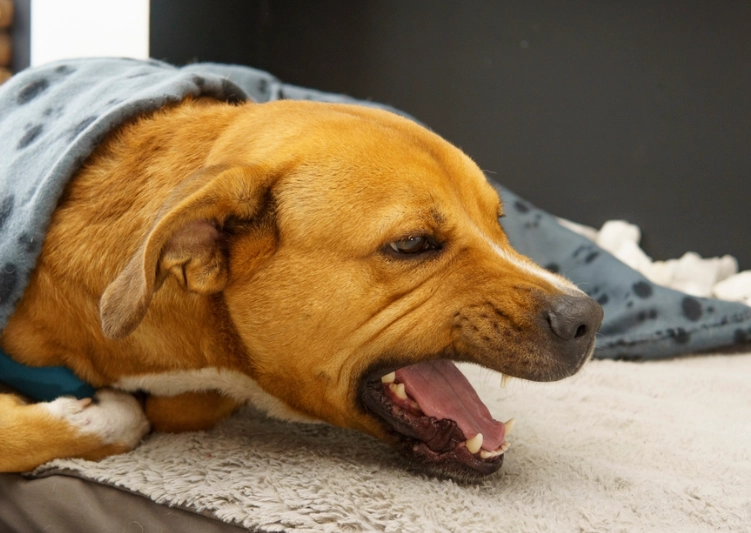
I remember the first time my own dog, a sturdy Labrador mix, started making these horrible honking sounds in the middle of the night. I was convinced he was dying. Panic mode, fully engaged. After a costly emergency vet visit (and a lot of learned experience since), I realized that while some causes are serious, many aren't. But you absolutely need to know the difference.
That's what this guide is for. We're going to walk through every reason your dog might be coughing and gagging, from the "no big deal" stuff to the "get to the vet now" emergencies. I'll share what vets have told me, what's worked for my dogs, and how you can figure out your next steps without losing your mind.
What Does "Coughing and Gagging" Actually Sound and Look Like?
It's helpful to know what we're talking about because not all coughs are the same. Describing it accurately to your vet is half the battle.
A cough is a forceful expulsion of air from the lungs, usually trying to clear something out. It can be dry and hacking or wet and productive (like bringing up phlegm). Gagging is that retching, throat-closing motion that often comes before vomiting, but sometimes nothing comes up. When they happen together, it often looks like the dog is trying to cough something up from deep in their chest, then gags at the end of the effort. It's exhausting to watch.
Some people describe it as a goose honk. Others say it sounds like something is stuck. My vet calls the classic kennel cough sound a "terminal retch" because it often ends with a gagging motion. Paying attention to the details helps.
The Big List: Why Is My Dog Coughing and Gagging?
Let's break this down. I find it easiest to think about the path the problem takes, from the nose and throat all the way down to the lungs. Here are the most common culprits.
The Upper Airways: Throat and Windpipe Troubles
Problems here often cause a harsh, dry cough that might trigger gagging.
- Kennel Cough (Infectious Tracheobronchitis): This is the classic. It's like the canine common cold, usually caused by a mix of viruses and bacteria (like Bordetella bronchiseptica). The cough is persistent, dry, and sounds awful—often described as a honk. The gagging usually comes at the end of a coughing fit. It's highly contagious at dog parks, daycares, or kennels. The American Veterinary Medical Association (AVMA) has a good overview on kennel cough prevention and care.
- Collapsing Trachea: This is super common in small, toy breed dogs like Yorkies, Pomeranians, and Chihuahuas. The rings of their windpipe weaken and flatten, especially when they get excited or pull on a leash. The cough is often a dry, goose-honk sound. Gagging is common as they struggle to move air past the collapse. It can be managed but not cured.
- Something Stuck (Foreign Body): A blade of grass, a piece of stick, a bit of toy. If it's lodged in the throat or back of the mouth, it causes violent coughing, gagging, and pawing at the mouth. This is an urgent vet visit.
- Post-Nasal Drip: Just like us, if your dog has allergies or a sinus infection, mucus can drip down the back of the throat and cause irritation, leading to coughing and gagging, especially when they lie down.
The Lower Airways and Lungs
Issues deeper down tend to produce wetter, softer coughs, but gagging can still happen from the effort.
- Pneumonia: This is a serious lung infection. The cough is often moist and soft, and your dog will likely be very sick—lethargic, off food, and may have a fever. Gagging can occur as they try to clear the infected fluid. Bacterial pneumonia often follows a bout of kennel cough or another illness.
- Chronic Bronchitis: This is long-term inflammation of the airways, similar to asthma or smoker's cough in humans. It causes a persistent, dry, hacking cough that worsens with exercise or excitement. It's more common in older, small to medium-sized dogs.
- Heartworm Disease: This is a critical one. The worms live in the heart and pulmonary arteries, causing severe damage to the lungs and heart. A persistent, dry cough and exercise intolerance are often the first signs. Gagging may follow coughing fits. The American Heartworm Society stresses that prevention is 100% easier and safer than treatment, which is long and difficult.
The Heart: A Sneaky Cause (Heart Disease)
This one surprises many owners. When a dog's heart isn't pumping efficiently (often due to a leaky valve, common in older small dogs), fluid can back up into the lungs. This is called congestive heart failure.
The cough from heart disease is often soft and moist, and it's frequently worse at night or when the dog is resting or lying down. Why? Because when they lie down, more blood flows to the lungs, increasing the fluid pressure. They might cough, then gag, and seem restless. It's a serious sign that needs immediate veterinary diagnosis and management.
Other Common Triggers
- Reverse Sneezing: This isn't a cough, but it freaks people out. It's a rapid, noisy inward sucking of air, often sounding like snorting or gagging. It's usually harmless and related to throat irritation or excitement.
- Nausea: Yep, a dog about to vomit will often gag. But sometimes the nausea is from an upset stomach, and the gagging is the main event. It can be hard to tell if the gagging is from a cough or from nausea.
- Excitement or Pressure on the Throat: Pulling too hard on a collar, especially a flat one, puts direct pressure on the trachea and can cause a coughing/gagging fit. This is a major reason many vets recommend harnesses.
When to Worry: The Red Flag Symptoms
Not every episode of dog coughing and gagging means a midnight dash to the ER. But some signs mean you shouldn't wait. Here’s my personal checklist, compiled from vet advice and hard experience.
- The cough has lasted more than 3-5 days.
- It's getting progressively worse.
- Your dog is still playful, eating, and drinking normally, but the cough is annoying (likely kennel cough or mild irritation).
- The cough is frequent and harsh, interrupting sleep (theirs or yours).
- You see any colored nasal discharge (yellow, green).
- Your dog seems a little "off"—less energy, slightly less interested in food.
- Your dog is struggling to breathe (rapid, shallow breaths, using belly muscles to breathe).
- The gums are blue, purple, or very pale white.
- Your dog is weak, lethargic, or has collapsed.
- They are refusing water and food entirely.
- You suspect something is physically stuck in their throat.
- The coughing and gagging is constant and they cannot rest.
Trust your gut. You know your dog better than anyone. If you're deeply worried, even without a classic "red flag," it's always okay to call your vet for advice.
What Will the Vet Do? A Look at the Diagnostic Process
Walking into the vet's office can be stressful. Knowing what might happen can help. It won't be a guessing game. Vets are detectives, and they have a process.
- The History: They'll ask you a ton of questions. When did it start? What does the cough sound like? Is it worse at night or after exercise? Any recent boarding or playdates? Be ready with details—I sometimes jot down notes on my phone so I don't forget in the moment.
- The Physical Exam: This is huge. They'll listen intently to the heart and lungs with a stethoscope, feeling the trachea, checking the gums, and looking in the mouth and throat.
- Diagnostic Tests (Depending on Suspicion):
- X-rays (Radiographs): The gold standard for looking at the heart size, lung patterns (for pneumonia, fluid, or bronchitis), and the trachea.
- Bloodwork: Checks for infection, heartworm status, and overall organ function.
- Tracheal Wash or Bronchoscopy: For persistent coughs, they might collect fluid from the airways to culture for bacteria or look with a tiny camera.
- Heart Ultrasound (Echocardiogram): If heart disease is suspected, this is how they see the valves and how well the heart is pumping.
The goal is to pinpoint the cause so treatment isn't just a shot in the dark. Treating a bacterial infection is different from managing heart failure.
Treatment Options: What Helps a Dog Coughing and Gagging?
Treatment is 100% dependent on the cause. There's no one-size-fits-all fix.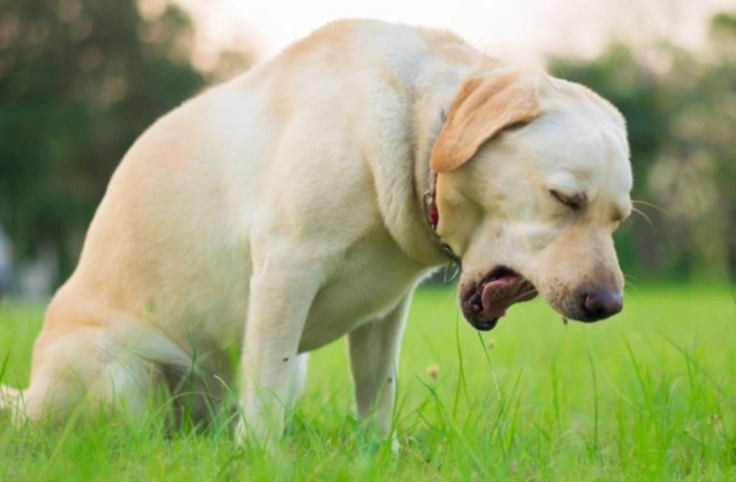
| Cause | Typical Treatment Approach | Notes |
|---|---|---|
| Kennel Cough | Rest, cough suppressants, sometimes antibiotics if a bacterial component is suspected. | Most cases resolve on their own in 1-3 weeks. Isolation from other dogs is key. |
| Collapsing Trachea | Weight management, harness use, cough suppressants, sedatives for anxiety, sometimes surgery for severe cases. | Lifelong management. Keeping your dog calm and at a healthy weight is crucial. |
| Pneumonia | Hospitalization may be needed. Aggressive antibiotics, oxygen therapy, nebulization, and coupage (chest physiotherapy). | A serious illness requiring close veterinary supervision. |
| Heart Disease | Diuretics to remove lung fluid, heart medications (like pimobendan), and a low-sodium diet. | Medication is lifelong and dramatically improves quality of life and longevity. |
| Chronic Bronchitis | Steroids to reduce inflammation, bronchodilators, cough suppressants, and avoiding irritants (smoke, dust, perfume). | Focus is on controlling inflammation, not curing it. |
| Foreign Body | Endoscopic or surgical removal under anesthesia. | An urgent procedure to prevent aspiration pneumonia or severe damage. |
One thing vets are often cautious about is cough suppressants. If the dog has pneumonia, you want them to cough to clear the gunk. Suppressing that can be harmful. So never use human over-the-counter meds without explicit vet instruction.
What Can I Do at Home? (Safe Supportive Care)
For mild cases, like a simple kennel cough, or while you're waiting for the vet appointment, there are safe things you can try to make your dog more comfortable. Think of this as the chicken soup for the canine soul.
- Humidity is Your Friend: Run a hot shower and sit in the steamy bathroom with your dog for 10-15 minutes. The moist air can soothe irritated airways and loosen mucus. Do this a couple of times a day.
- Honey: A small spoonful of raw, local honey (for adult dogs only, NOT puppies) can coat and soothe the throat. It has mild antimicrobial properties too. I've given my dog a half-teaspoon before bed when he had a tickle.
- Keep Them Hydrated: Make sure fresh water is always available. You can add a bit of low-sodium chicken broth to encourage drinking.
- Rest, Rest, Rest: No walks, no dog park, no rough play. Exercise irritates inflamed airways and makes the coughing and gagging worse. Leash them for quick bathroom breaks only.
- Switch to a Harness: If you use a collar, stop today. Use a front-clip or well-fitted harness to take all pressure off the neck and trachea. This one change can make a world of difference for any dog with a sensitive throat.
- Elevate the Food/Water Bowls: For dogs with suspected megaesophagus or some types of heart disease, eating from a raised bowl can help. Ask your vet if this is right for your dog's condition.
These are support tools, not cures. They won't fix pneumonia or heart failure, but they can provide relief alongside proper veterinary treatment.
Your Questions, Answered (The FAQ Section)
Sometimes, yes. A mild throat irritation from dust or a very minor viral infection might resolve in a few days. But if it's been more than 3-5 days, or if your dog seems unwell, don't wait it out. Many serious conditions start with a "simple" cough.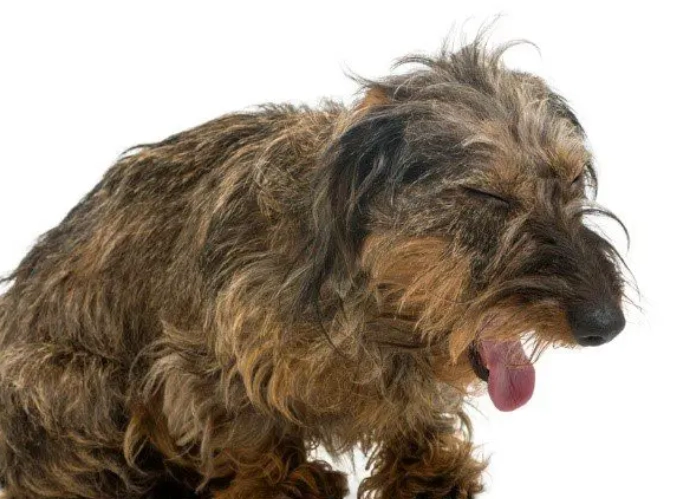
No, they're different. Kennel cough is a mix of pathogens primarily affecting the trachea. Canine Influenza Virus is a specific, more severe flu virus that causes broader systemic illness (high fever, severe lethargy, pneumonia) along with a cough. Both are contagious. The Merck Veterinary Manual provides a reliable comparison of canine infectious respiratory diseases.
This is the classic pattern for collapsing trachea or kennel cough. A fit comes on, they hack and gag violently for a minute, and then they're back to normal as if nothing happened. It's bizarre to witness. It doesn't mean it's not a problem, but it often points to these specific issues rather than a permanent blockage.
Absolutely not without your vet's explicit say-so. Many human medications are toxic to dogs (especially anything containing acetaminophen or pseudoephedrine). Even "safe" ingredients like dextromethorphan can be dangerous if the wrong underlying cause is present (like fluid in the lungs).
Some great proactive steps: Keep up with core vaccinations (like the parainfluenza/bordetella vaccine for kennel cough, though it doesn't cover all strains). Use year-round heartworm prevention—it's non-negotiable. Maintain a healthy weight for your dog. Use a harness instead of a collar. And avoid exposing your dog to obviously sick dogs at social venues.
Wrapping It Up: Your Action Plan
Hearing your dog coughing and gagging is stressful. Let's simplify what you should do right now.
- Stay Calm and Observe: Note the sound, frequency, and any other symptoms (energy level, appetite, breathing effort).
- Check the Red Flags: Go back to that emergency list. If any are present, head to the vet.
- Implement Gentle Home Care: Rest, humidity, honey (for adults), and a harness. See if mild symptoms improve in 24-48 hours.
- Call Your Vet: If it persists beyond a few days, is severe, or you're just worried—make the appointment. It's what they're there for.
- Follow Through: Go to the appointment, ask questions, and follow the diagnostic and treatment plan. Your dog is relying on you to be their advocate.
Our dogs can't tell us where it hurts. That cough and gag is their way of saying something isn't right. Paying attention, knowing the signs of trouble, and partnering with your vet is the best way to get them back to their happy, tail-wagging selves. I've been through this panic more than once, and having a plan makes all the difference. Breathe deep (you, not the dog), and take it one step at a time.
Related Articles