The Complete Pregnancy Cycle of Cats: Timeline, Signs & Care Guide
Your Quick Guide
- How It All Starts: From Heat to Conception
- The Big Question: How Long Are Cats Pregnant?
- The Feline Pregnancy Timeline: A Week-by-Week Breakdown
- Essential Care Throughout the Pregnancy Cycle
- The Main Event: Recognizing Labor and Delivery
- Postpartum: Mom and Kitten Care After the Pregnancy Cycle
- Common Questions About the Cat Pregnancy Cycle
- Final Thoughts from One Cat Lover to Another
So your cat might be pregnant. First off, don't panic. It happens to the best of us, even with the most vigilant pet parents. Maybe she snuck out for a romantic evening, or perhaps you're intentionally breeding. Whatever the case, understanding the pregnancy cycle of cats is your new part-time job for the next couple of months. It's a fascinating, slightly nerve-wracking, but ultimately rewarding process. I remember when my friend's cat, Mochi, went through this. We were clueless at first, scrambling for information. That experience taught me a lot, and I want to share that knowledge with you, minus the initial panic.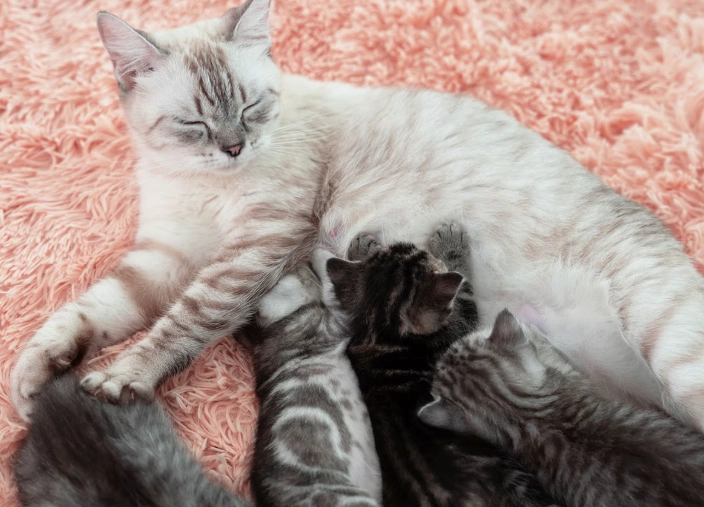
Let's get one thing straight from the start: the internet is full of conflicting advice. One site says one thing about diet, another contradicts it. My goal here is to cut through the noise. We'll stick to practical, vet-recommended information. I'll even point you to some solid resources from organizations like the International Cat Care (iCatCare) when it's helpful. They're a fantastic, science-backed resource for all things feline.
How It All Starts: From Heat to Conception
You can't talk about the pregnancy cycle of a cat without starting with the heat cycle. Cats are what we call "induced ovulators." That's a fancy way of saying they don't release eggs on a regular schedule like humans or dogs. Instead, ovulation is triggered by, well, the act of mating itself. This is a key thing to understand. A female cat (a queen) can mate with multiple tomcats during her heat cycle, which is why you sometimes see kittens in the same litter that look wildly different.
Heat cycles can start as early as 4 months old in some breeds, though 6 months is more common. They'll yowl, become extra affectionate (rubbing against everything), raise their hindquarters, and might try to escape outdoors. This phase, called estrus, lasts about a week. If she mates and ovulation is induced, the pregnancy clock starts ticking.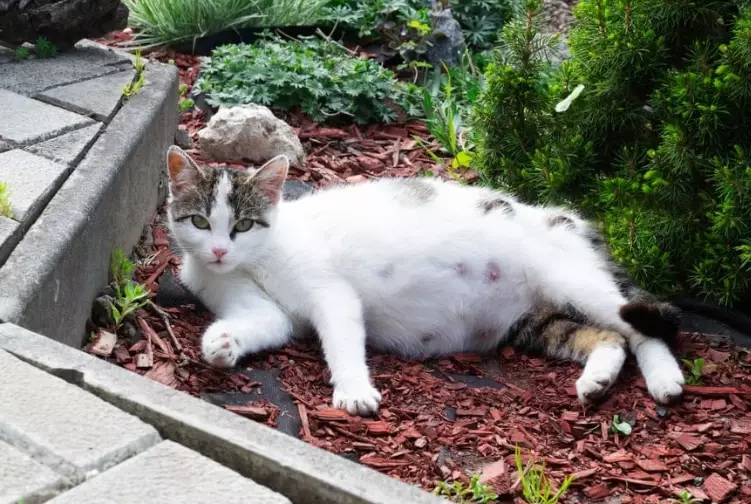
The Big Question: How Long Are Cats Pregnant?
This is the number one thing people search for. The average gestation period for a cat is 63 to 67 days. That's roughly nine weeks. But it's not set in stone. It can range from as short as 58 days to as long as 72 days, especially for first-time moms or larger litters. Counting from the day of mating isn't always precise either, because she might have mated over several days. So, think of "around nine weeks" as your guiding principle for the feline pregnancy cycle.
Why does it vary? Litter size plays a role. Smaller litters sometimes cook a bit longer, while bigger litters might arrive a few days early. The breed can matter too, though not drastically. It's one of those things in nature that has some built-in flexibility.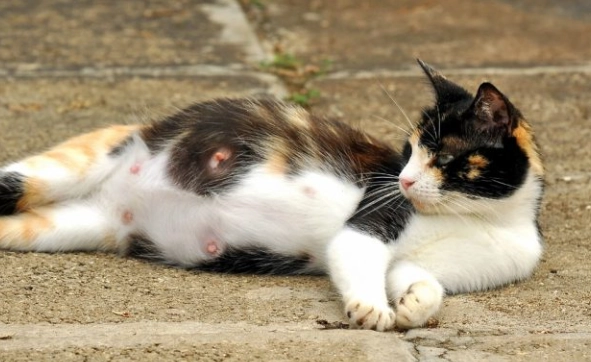
The Feline Pregnancy Timeline: A Week-by-Week Breakdown
Breaking it down week by week makes it less overwhelming. Here’s what you can generally expect during each phase of the cat pregnancy cycle. Keep in mind, every cat is an individual. Some show signs early, others are masters of disguise until they're practically ready to pop.
Weeks 1-3: The Silent Beginning
Honestly, in the first two to three weeks, you might not notice a thing. It's the calm before the storm. Inside, after fertilization, the tiny embryos travel to the uterine horns and implant in the lining around day 12-14. Hormones are starting to shift, but physically, your cat looks and acts normal. Some might have a brief period of "morning sickness" around week 3—a slight loss of appetite or occasional vomiting. But it's often so mild it goes unnoticed.
This is the tricky part. You might suspect, but you can't confirm yet. Palpation (feeling the abdomen) by a vet can sometimes detect small, grape-like swellings around day 21, but it requires a very gentle, skilled hand. I don't recommend trying it yourself; you could hurt the developing kittens.
Weeks 4-5: The Changes Become Clear
Now we're getting somewhere. This is when the pregnancy cycle of cats becomes visible.
- Pinkening Nipples: This is often the first visual sign. Her nipples become larger, pinker, and more prominent. People call this "pinking up." It's very noticeable in cats with light-colored fur.
- Weight Gain & Appetite: She'll start to put on weight, not just in her belly but overall. Her appetite will noticeably increase. She's eating for a litter now, after all.
- Behavioral Shifts: She may become more affectionate, seeking you out for cuddles. Or, some cats become more withdrawn and seek quiet spots. There's no single rule.
This is the ideal time for a vet visit. An ultrasound can confirm the pregnancy, see fetal heartbeats (which is incredibly reassuring), and give a rough estimate of litter size. Your vet will also discuss nutritional needs.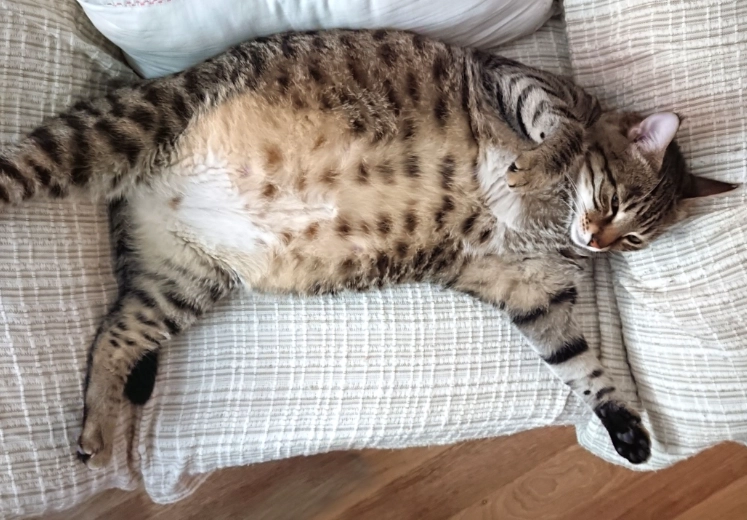
Weeks 6-8: The Bulge Is Unmistakable
There's no hiding it now. Her abdomen will be visibly rounded and distended. You might even see or feel the kittens moving! It looks like little ripples under her skin—it's amazing and a bit surreal the first time you see it.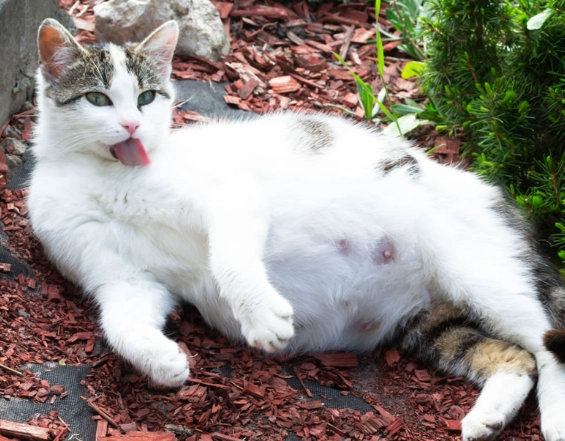
- Nesting Instincts: She'll start looking for a safe, quiet, dark place to have her babies. A closet, a drawer, under the bed. You can try to guide her by setting up a nesting box (a simple cardboard box with low sides lined with soft blankets), but she might have her own, often inconvenient, ideas.
- Increased Appetite & Rest: She'll be eating a lot but might eat smaller meals more frequently as her stomach gets crowded. She'll also sleep more.
- Physical Changes: Her mammary glands will continue to develop and might even start leaking a little milk (colostrum) in the last week.
During this phase of the cat's pregnancy cycle, avoid picking her up unnecessarily, especially supporting her belly. Let her rest and don't force activity.
Week 9: The Final Countdown
In the final days, her appetite might drop again. This is normal. She may seem restless, pace, vocalize more, and groom her genital area excessively. She's getting ready for labor. Her body temperature will also drop about 24 hours before labor begins, from the normal 101-102.5°F to around 99°F or lower. If you're monitoring closely, this is a reliable sign that things will start within a day.
Essential Care Throughout the Pregnancy Cycle
Knowing the timeline is one thing. Knowing how to care for her is another. Let's talk practicalities.
Nutrition: Feeding for Two (or More!)
This is non-negotiable. Her nutritional demands skyrocket. By the end of pregnancy, she may need up to twice her normal caloric intake.
| Pregnancy Stage | Nutritional Focus | Feeding Tips |
|---|---|---|
| Weeks 1-5 | Gradual increase in calories. High-quality protein. | Start mixing in kitten food. Free-feeding (leaving food out) is often easiest. |
| Weeks 6-9 | Maximum calorie & nutrient density. Increased calcium. | Feed kitten food exclusively. Offer multiple small meals if she seems full quickly. |
| Nursing (Post-Birth) | Even higher demands than during pregnancy. | Continue unlimited kitten food. She needs it to produce milk. Keep fresh water always available. |
Supplements are generally not needed if you're feeding a balanced, high-quality kitten diet and can actually cause harm. Always consult your vet before adding anything.
Vet Care: The Must-Do Checklist
- Confirmation Visit (Weeks 4-5): Ultrasound for confirmation and check-up.
- Health Monitoring: Your vet will check her overall health and discuss parasite control (some dewormers are safe during pregnancy).
- Pre-Labor Talk: Have a conversation about what normal labor looks like and when to call for help. Know your vet's emergency contact.
- NO Vaccinations: Do not vaccinate your cat during pregnancy. This should be done before breeding, if applicable.
The Main Event: Recognizing Labor and Delivery
Labor in cats is divided into three stages, and understanding them prevents unnecessary panic. The entire pregnancy cycle of cats builds up to this.
- First Stage (6-12 hours): This is the restless, nesting, panting, vocalizing phase. Contractions start but aren't visible. She may seek reassurance or want to be alone.
- Second Stage (Active Labor): Visible straining. A water bubble may appear. Kittens are born, usually within 30-60 minutes of active straining for each one. The queen will lick the sac open, chew the umbilical cord, and clean the kitten vigorously to stimulate breathing.
- Third Stage: Passing of the placenta (afterbirth). She will usually eat the placentas (it's instinctual and provides nutrients). Count them—there should be one per kitten. Retained placenta can cause infection.
Your job? Be a calm, quiet observer. Provide a safe space. Interfere only if necessary.
When to intervene? If she strains intensely for more than 60 minutes without producing a kitten, if a kitten is stuck partway out for more than 10 minutes, or if she seems exhausted and ignores a kitten still in its sac. Have your vet's number and an emergency vet clinic address ready.
Postpartum: Mom and Kitten Care After the Pregnancy Cycle
The cat pregnancy cycle officially ends with birth, but her job—and yours—is just beginning.
For the first few weeks, the queen will do almost everything. She'll feed, clean, and stimulate the kittens. Your jobs are:
- Provide Unlimited Food & Water: Keep her on that kitten food. Nursing is even more energy-intensive than pregnancy.
- Keep the Nest Clean: Change soiled bedding daily, but do it quietly and quickly to minimize stress.
- Monitor Weight: Kittens should gain about 10-15 grams per day. A kitchen scale is your best friend here.
- Minimize Stress: Keep the room quiet, warm, and free from other pets or loud noises.
- Vet Check: Schedule a postnatal check for mom and a first check for the kittens within the first week.
Spaying is crucial. A queen can go back into heat and become pregnant again while still nursing, as early as a few weeks after birth. Discuss with your vet the optimal time for spaying (usually after the kittens are weaned at 6-8 weeks).
Common Questions About the Cat Pregnancy Cycle
Final Thoughts from One Cat Lover to Another
Witnessing the complete pregnancy cycle of cats is a profound experience. It's a mix of joy, anxiety, and wonder. The most important thing you can bring to the process is calm preparedness. Know the signs, have a plan with your vet, and trust your cat's instincts. They've been doing this for millennia.
But let's be real—it's also messy, disruptive, and a big responsibility. The weaning process, finding good homes for kittens, the cost of vet care... it's a lot. For most cat owners, spaying is the best choice for a happy, healthy, simple life with their feline friend.
If you are going through this journey, whether by plan or accident, I hope this guide gives you a clear roadmap. Take a deep breath. You've got this. And when those tiny mews start, all the worry tends to melt away. For a moment, at least.
Related Articles