Can Dogs Eat Pork? A Complete Safety & Feeding Guide
Quick Guide
- Why Is Pork Such a Tricky Topic for Dogs?
- The Safe Way: Your Step-by-Step Guide to Feeding Pork
- Raw Pork & The BARF Diet Debate
- What About Other Pork Products? A Quick Rundown.
- When You Should Never Let Your Dog Have Pork
- What If My Dog Accidentally Ate Pork?
- Final Thoughts: Making the Smart Choice for Your Dog
You're standing in the kitchen, maybe cooking up some pork chops or bacon, and those big, pleading eyes are locked on you. That age-old question pops into your head: can dogs have pork? It's not as simple as a yes or no, honestly. I've been through this myself with my own dog, a Labrador with a stomach of iron and an appetite to match. The short, quick answer is... sometimes. But if you stop there, you're missing a huge chunk of the story, and that's where things can get messy.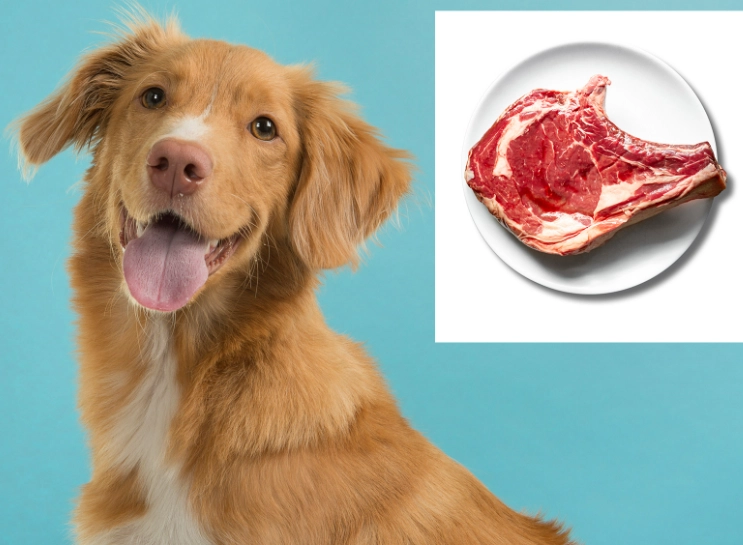
See, the internet is full of conflicting advice. Some sites scream "never!" while others say it's perfectly fine. It's confusing, and as a pet owner, you just want a straight, trustworthy answer. The truth lies in the details—how it's cooked, what part of the pig it comes from, and your own dog's health. Feeding your dog the wrong kind of pork can lead to anything from a mild tummy ache to a serious, expensive trip to the emergency vet. I've seen it happen to a friend's dog after it got into some greasy sausage scraps. Not a fun night for anyone.
The Core Answer: Plain, fully cooked, lean pork without any bones, seasoning, sauces, or added fats can be a safe occasional treat for most healthy dogs. Raw pork, fatty cuts, processed pork products (like ham or bacon), and any pork with seasonings (especially onions and garlic) are risky and should be avoided.
Why Is Pork Such a Tricky Topic for Dogs?
Pork isn't inherently toxic to dogs like chocolate or grapes are. The muscle meat itself is a source of protein. The problem, and this is a big one, is everything that comes with the pork. The risks are layered, and you need to understand each one.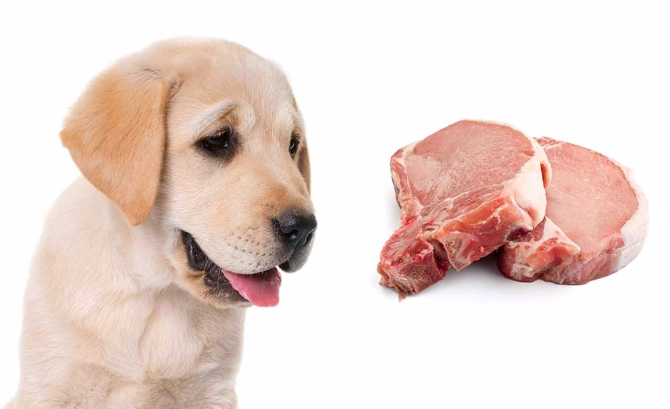
The Big Risks You Absolutely Must Know About
Trichinella Spiralis & Other Parasites: This is the classic scare. Raw or undercooked pork can harbor the Trichinella parasite. While commercial pork farming standards have significantly reduced this risk in many countries, it's not zero. The Centers for Disease Control and Prevention (CDC) still lists pork as a potential source. Why risk it? Cooking pork to an internal temperature of at least 145°F (63°C) and letting it rest for 3 minutes destroys the parasite. For dog safety, I'd go even higher, to well-done, to be extra sure.
Then there are bacteria. Salmonella and E. coli don't care if the host is human or canine. They can live on raw meat and cause severe gastrointestinal upset—think vomiting, bloody diarrhea, and lethargy. Dogs can get sick from these bacteria just like we can.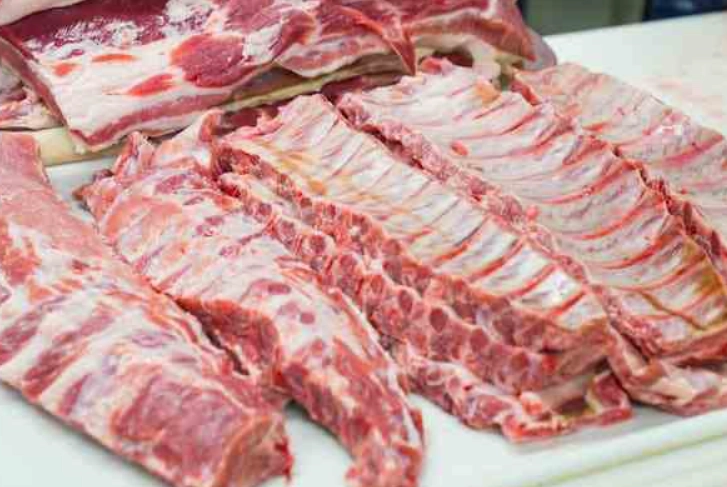
Fat, Fat, and More Fat: This is the sneaky danger, the one people often overlook. Pork, especially certain cuts, is notoriously high in fat. A sudden intake of rich, fatty foods is a prime trigger for pancreatitis in dogs. Pancreatitis is a painful, serious inflammation of the pancreas that requires immediate veterinary care. It's not something to mess with. My vet once told me that holiday seasons (think Christmas ham) are a busy time for pancreatitis cases. Dogs' digestive systems just aren't built to handle a large fat dump.
Let's talk about what we add to pork. Onions, garlic, chives, and leeks are all members of the Allium family and are toxic to dogs. They can cause damage to red blood cells, leading to anemia. Many pork dishes are loaded with garlic powder, onion powder, or actual pieces. That delicious marinade or rub? Probably a no-go. Salt is another huge issue. Processed pork like bacon, ham, and sausages are cured with massive amounts of sodium and nitrates, which can lead to salt poisoning in dogs, causing excessive thirst, urination, and even sodium ion poisoning.
And bones. Cooked pork bones are brittle. They can splinter into sharp shards that can cause choking, internal punctures, or dangerous intestinal blockages. Just don't give them cooked bones. Ever.
The Safe Way: Your Step-by-Step Guide to Feeding Pork
If you've weighed the risks and your dog is healthy (no history of pancreatitis, allergies, or sensitive stomach), here's exactly how to proceed. Think of this as a strict protocol.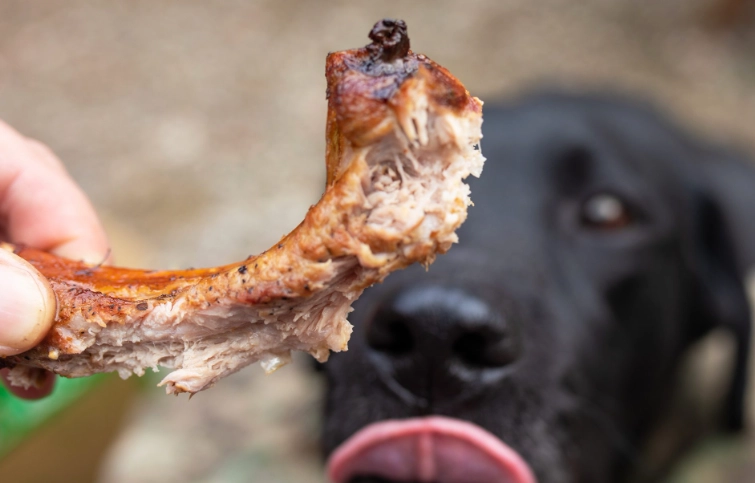
Choosing the Right Cut: This is step one. You want lean, plain muscle meat. The best options are plain pork loin or pork tenderloin. These are relatively low in fat. Forget about ribs, shoulder (Boston butt), bacon, belly, or anything with visible marbling or a fat cap. Ground pork can be okay if it's labeled extra-lean, but you have to cook it thoroughly and drain ALL the fat.
Here’s a quick look at the fat content in common cuts to drive the point home:
| Pork Cut | Fat Content (Approx. per 100g cooked) | Safe for Dogs? |
|---|---|---|
| Pork Tenderloin | ~3-5g | Yes (Best choice) |
| Pork Loin (center cut) | ~6-8g | Yes (Good choice) |
| Pork Chop (lean) | ~10-12g | Use Caution (Trim all fat) |
| Ground Pork (regular) | ~20-25g | No (Too high) |
| Bacon | ~40g+ | Absolutely Not |
Preparation is Non-Negotiable:
- Cook it thoroughly. No pink. We're aiming for well-done. Boiling, baking, or grilling without oil are your best bets. Frying adds unnecessary fat.
- Drain and blot. After cooking, place the pork on paper towels and blot away every bit of visible grease you can.
- Cool it completely. Serve it at room temperature or cool. Never hot.
- Cut it up. Dice it into small, manageable pieces to prevent choking and make it easier to digest.
The 10% Rule & Portion Control: Any treat, including pork, should not make up more than 10% of your dog's daily caloric intake. For most dogs, a few small cubes of pork are plenty. A good rule of thumb is a piece no larger than your thumbnail for a medium-sized dog. This is a treat, not a meal replacement.
Seriously, go small.
The First Time Test: When introducing any new food, including pork, do a test run. Give one tiny piece in the morning. Then watch your dog closely for the next 24-48 hours. What are you looking for? Any change in behavior, energy level, or stool. Loose stools, vomiting, itching, or lethargy mean your dog shouldn't have pork. If all is clear, you can consider it an occasional option.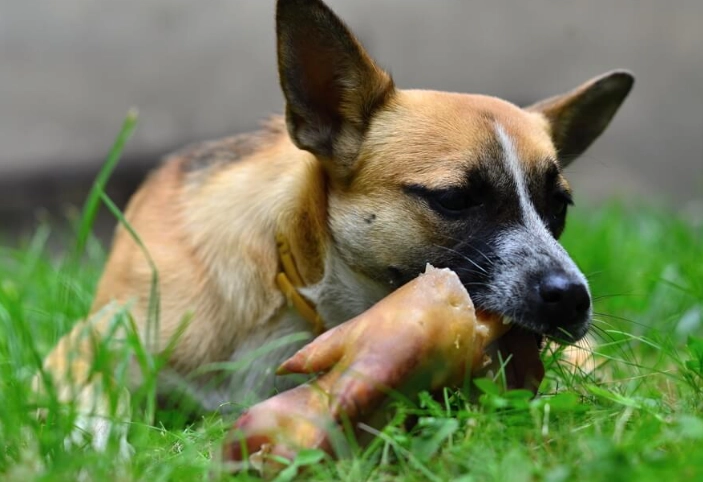
Raw Pork & The BARF Diet Debate
Some proponents of raw feeding (Biologically Appropriate Raw Food or BARF diets) include raw pork in their rotations. This is a highly controversial area. The American Veterinary Medical Association (AVMA) discourages feeding raw meat to pets due to the risks of pathogens to both the pet and the human family members. If you are committed to a raw diet and are considering pork, you must source it from a reputable supplier who explicitly tests for and guarantees the meat is free from parasites like Trichinella. This is not your average supermarket meat. The responsibility and risk are significantly higher.
What About Other Pork Products? A Quick Rundown.
People often search for specifics. Let's clear these up one by one.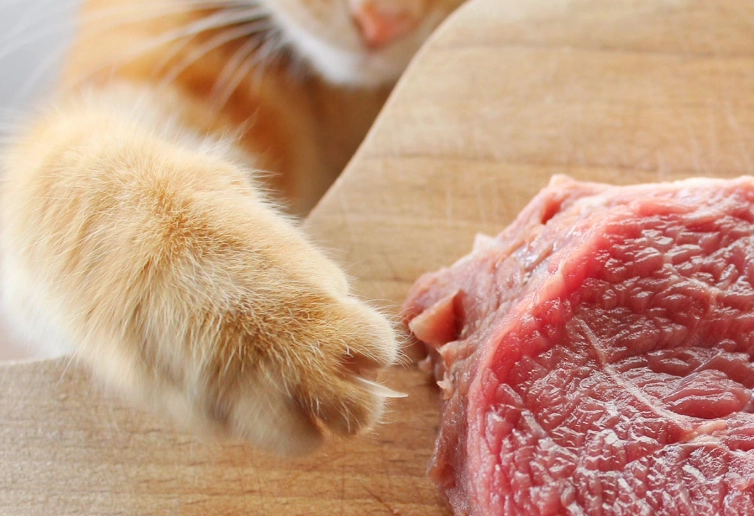
When You Should Never Let Your Dog Have Pork
Some dogs just shouldn't have it, period. If your dog falls into any of these categories, find a different treat.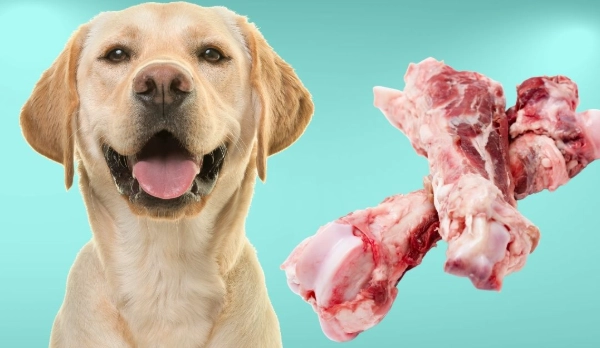
- Dogs with Pancreatitis or a History of It: This is the biggest red flag. The high fat content in pork, even lean cuts compared to their needs, can trigger a flare-up.
- Dogs with Sensitive Stomachs or Food Allergies: Pork is not a common allergen like chicken or beef, but any new protein can cause a reaction in a sensitive dog. If your dog has a history of dietary issues, introducing a rich meat like pork is asking for trouble.
- Overweight or Obese Dogs: Extra calories from fatty treats hinder weight loss efforts.
- Dogs with Kidney or Liver Disease: These dogs often require strict, low-protein or specially formulated diets. Adding extra protein from pork can stress their compromised organs.
- Puppies, Senior Dogs, or Dogs with Weakened Immune Systems: Their systems are more vulnerable. The risk from potential bacteria or the richness of the food is higher.
When in doubt, the safest answer to "can dogs have pork" is no. There are plenty of other safe treat options.
What If My Dog Accidentally Ate Pork?
Don't panic. Assess what and how much they ate.
If they ate a small piece of plain, cooked pork: They'll probably be fine. Just monitor them for the next day for any signs of GI distress.
If they ate a significant amount of fatty pork (like bacon grease, sausage, ham), cooked bones, or seasoned pork: This is when you need to be alert. Watch for these symptoms:
- Vomiting
- Diarrhea (especially if bloody)
- Loss of appetite
- Lethargy or seeming depressed
- Abdominal pain (whining, restlessness, a hunched back)
- Bloated abdomen
- Attempting to vomit but not producing anything (retching)
If you see any of these, especially in combination, call your vet immediately.
It's a good idea to keep the number for the ASPCA Animal Poison Control Center (888-426-4435) or the Pet Poison Helpline handy. They can give you specific advice based on what was ingested. Be prepared to tell them your dog's weight, what they ate, how much, and when.
Final Thoughts: Making the Smart Choice for Your Dog
Look, I get it. Sharing food feels like an act of love. But loving our dogs sometimes means not sharing our food. The question "can dogs have pork" has a conditional answer that depends entirely on you doing the homework—selecting the right cut, preparing it perfectly, and serving a tiny amount.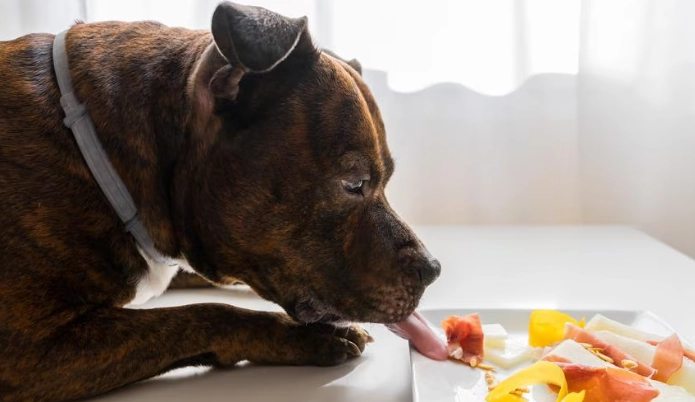
For the vast majority of dog owners, the simplest and safest path is to avoid it altogether. The risks of getting it wrong (pancreatitis, salt poisoning, obstruction) are severe, while the benefit is just a momentary tail wag. There are so many dog-safe fruits and vegetables that make better, healthier treats. A piece of apple, a blueberry, a slice of cooked sweet potato—these are zero-risk options.
If you are determined to share a bit of your pork dinner, treat it like handling a delicate ingredient. Follow the safety guide to the letter. And always, always listen to your dog. If their stomach says no, that's the final answer. Your dog's health isn't the place for experiments or guesswork. When it comes down to it, their well-being is far more important than sharing a scrap from your plate.
Can dogs eat bacon?
I love bacon. My dog goes insane for the smell. But the answer is a firm no. It's too high in fat, salt, and often contains preservatives like nitrates. A tiny piece once in a blue moon might not cause an emergency, but it offers zero nutritional benefit and a lot of risk. It's just not worth it. The grease alone can cause pancreatitis.
Can dogs eat ham?
Ham is terrible for dogs. It's even saltier than bacon, often contains sugar (in glazes), and may have preservatives and seasonings like garlic. The high sodium content is a major concern. Please don't give your dog ham, especially not the holiday spiral-cut kind.
Can dogs eat pork chops?
A plain, cooked pork chop bone removed, all fat trimmed off can be okay in a very small amount. But you must be meticulous about trimming. Given the fat usually surrounding a chop, it's easier and safer to just choose a leaner cut like tenderloin from the start.
Can dogs eat pork skin or pork rinds?
Pork rinds (chicharrones) are fried or baked skin. They are very high in fat and salt, and the puffed, crunchy texture can be a choking hazard or cause an obstruction. Avoid.
Can dogs eat pork bones?
Cooked pork bones? Absolutely not. They splinter. Raw, meaty pork bones? Some raw feeders use them, but they still carry a risk of bacterial contamination and, depending on the size and type of bone, can fracture teeth. I generally advise against giving any kind of bone without direct supervision and veterinary advice. There are safer chew alternatives.
Can dogs eat pork liver or other organs?
Organ meats like liver are nutrient-dense but very rich. They should only be fed in very small quantities as part of a balanced diet. A tiny bit of cooked pork liver as a rare treat is fine, but too much can cause vitamin A toxicity or diarrhea due to the richness.
Related Articles