Morkie Dog Complete Guide: Traits, Care, and Is It Your Perfect Pet?
In This Guide
Let's be honest, the first thing that grabs you about a Morkie is that face. A fluffy, teddy-bear-like face with eyes that seem to know exactly how to get an extra treat out of you. I remember scrolling through photos online, completely smitten, before I ever met one in person. The Morkie dog—a cross between a Maltese and a Yorkshire Terrier—is one of those "designer dogs" that exploded in popularity for a reason. But is the hype real, or is it just a cute face? After talking to breeders, owners (including a few who were caught off guard by their pup's big personality), and digging into resources from places like the American Kennel Club, I've put together this no-fluff guide. We're going beyond the Instagram filter to see what life with a Morkie is really like.
What Exactly Is a Morkie? Breaking Down the DNA
You can't understand the Morkie without knowing its parents. This isn't just a random mix; it's a blend of two distinct, strong-willed, and affectionate toy breeds.
From the Maltese, the Morkie often inherits that luxurious, silky, and often white or cream-colored coat. Maltese are ancient lapdogs, bred purely for companionship. They're gentle, playful, and can be a bit sensitive. They're the soft-hearted parent.
From the Yorkshire Terrier, the Morkie gets a dose of terrier spunk. Yorkies were originally ratters in England, which means they're brave, curious, and surprisingly tenacious for their size. They're the confident, "big dog in a small body" parent.
The result? A Morkie puppy is a fascinating cocktail. You might get a pup that's more laid-back and Maltese-like, one that's feisty and Yorkie-like, or a perfect—and sometimes challenging—blend of both. There's no standard guarantee, which is part of the adventure with any mixed breed.
The Morkie Personality: Not Just a Pretty Face
If you want a quiet, decorative dog that just sits in the corner, a Morkie might surprise you. Their personality is usually larger than life.
The Good, The Great, and The Adorable
Affection Overload: This is their default setting. A Morkie dog typically forms an incredibly strong bond with its person or family. They are quintessential "velcro dogs" who want to be involved in everything you do, from working at your desk to watching TV. The level of loyalty is profound.
Playful and Energetic: Don't let the size fool you. They have bursts of energy and love playtime. A good session with a squeaky toy or a short, brisk walk can light them up. They're fun.
Intelligent and Trainable: They pick up on things quickly. Basic commands like "sit," "stay," and "come" are usually learned fast, especially with positive reinforcement (think tiny treats and heaps of praise).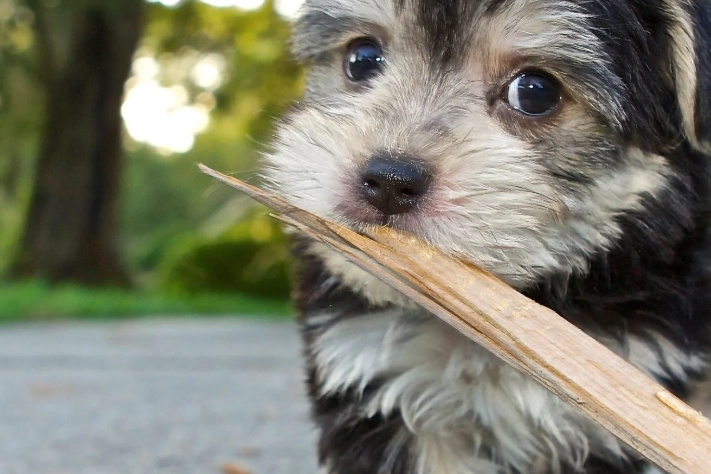
The Challenges (Let's Keep It Real)
The Bark. Oh, the barking. This is probably the number one complaint I've heard. That terrier heritage means they are alert and vocal. A doorbell, a passing dog, a leaf blowing suspiciously across the yard—it's all cause for announcement. Training from a young Morkie puppy age to control "alert barking" is not optional; it's essential for your sanity and your neighbors' peace.
Stubborn Streak: That same intelligence can translate to stubbornness. They sometimes decide they have a better idea than you. Patience and consistency are key.
Separation Anxiety Potential: Because they bond so deeply, being left alone for long hours can be torture for them (and your baseboards or sofa cushions). They do best in homes where someone is around most of the time.
Fragility: They are tiny. This means you have to be mindful of rough play with children, jumping off high furniture, or being underfoot. It's a real concern.
Living with a Morkie: The Day-to-Day Guide
Okay, so you're prepared for the personality. What does actually caring for one of these little guys entail?
Grooming: It's a Commitment, Not a Chore
That gorgeous coat doesn't maintain itself. The Morkie's hair can vary from wavy to straight, but it grows continuously and is prone to matting.
- Daily Brushing: Non-negotiable. A quick 5-10 minute brush-through prevents tangles and mats, which can become painful and require shaving if neglected. A slicker brush and a metal comb are your best friends.
- Professional Grooming: Every 4-6 weeks for a trim, bath, and tidy-up of sanitary areas. Many owners opt for a shorter "puppy cut" for manageability, which is super cute and practical.
- The Eyes and Tear Stains: Light-colored fur around the eyes shows tear stains. Daily wiping with a damp cloth and keeping the hair trimmed short around the eyes helps. Diet can also play a role—some find that filtered water or a food change reduces staining.
- Dental Care: Small dogs are infamous for dental issues. Daily tooth brushing is the gold standard. If that's a battle, dental chews approved by the Veterinary Oral Health Council (VOHC) can help.
Exercise and Mental Stimulation
They don't need miles of running, but they do need activity.
- Short Walks: One or two 15-20 minute walks a day are perfect. It's more about sniffing and exploring than distance.
- Interactive Play: Puzzle toys, hide-and-seek with treats, and fetch in a hallway are great for tiring out their minds.
- Socialization: Exposing your Morkie puppy to different people, dogs, sounds, and environments in a positive way is crucial to prevent fearfulness and excessive barking later on.
Training Tips That Actually Work
Start the day you bring your Morkie puppy home.
- Positive Reinforcement Only: Harsh methods will backfire. Use tiny, high-value treats (boiled chicken bits, commercial training treats), praise, and play.
- Master "Quiet": When they bark, wait for a pause, say "quiet," and immediately reward the silence. This is a lifesaver.
- Potty Training: Be patient. Their bladders are small. A consistent schedule (first thing in the morning, after meals, after play, before bed) and lavish praise for successes are key. Many owners use indoor pee pads as a backup, especially in bad weather.
- Crate Training: A crate isn't a jail; it's a safe den. It helps with potty training, prevents destructive chewing when unsupervised, and gives them security.
Morkie Health: What to Watch For
Mixed breeds often benefit from "hybrid vigor," but they can still inherit issues common to their parent breeds. A responsible breeder will test their breeding stock for these conditions. Always ask for health clearances.
| Health Concern | Description | Prevention/Treatment |
|---|---|---|
| Luxating Patella | A loose kneecap that pops out of place, causing a skip in their step. Very common in small breeds. | Maintain a healthy weight. Surgery may be needed for severe cases. |
| Dental Disease | Crowded teeth lead to rapid tartar buildup and gum disease. | Daily brushing, professional cleanings under anesthesia as needed. |
| Tracheal Collapse | A weakening of the windpipe, causing a honking cough. Often triggered by excitement or pulling on a collar. | Use a harness, not a collar. Manage weight. Medication can help. |
| Portosystemic Shunt (PSS) | A liver defect where blood bypasses the liver. Symptoms include stunted growth, seizures, or disorientation. | Diagnosed via blood tests and ultrasound. Managed with diet/surgery. |
| Hypoglycemia | Low blood sugar, especially in very tiny Morkie puppies. | Frequent small meals. Have a sugar source (like honey) on hand for emergencies. |
Finding a vet experienced with toy breeds is a great move. They'll understand these specific risks. The American Veterinary Medical Association (AVMA) has good resources on finding the right vet.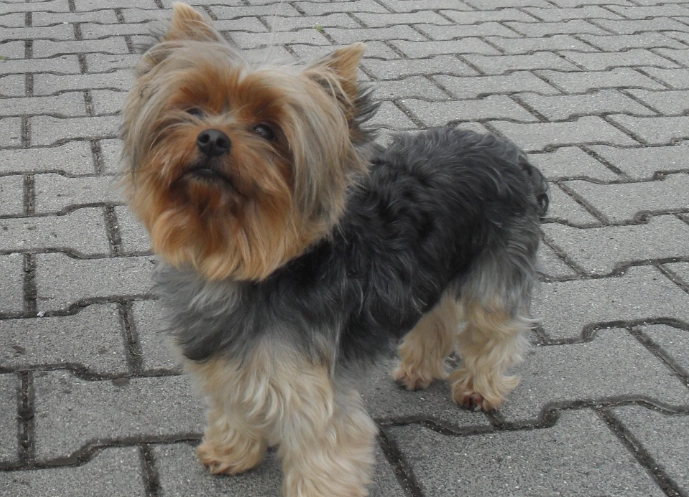
Finding Your Morkie: Breeder, Rescue, or...?
This is the big decision.
Choosing a Responsible Breeder
A good breeder's goal is to improve the breed, not just make puppies. Red flags include multiple litters available at once, no questions asked about you, puppies always ready to go, and prices that seem too good to be true.
Green flags: They ask you tons of questions. They welcome you to visit (meet the mom dog!). They provide health clearances for both parents for knees, eyes, heart, etc. They have a contract that includes a health guarantee and requires you to return the dog to them if you can't keep it. They are a wealth of knowledge about the Morkie dog temperament and care.
Considering Morkie Rescue
Yes, mixed breed dogs end up in shelters and rescues too. Organizations that specialize in small dogs, Maltese, or Yorkie rescues sometimes get Morkies or similar mixes. Adopting an adult dog can mean you skip the intense puppy phase and give a great dog a second chance. Their personality is already known, which can be a plus.
The Cost Factor
Let's talk money, because it matters. A Morkie from a reputable breeder can range from $1,200 to $3,000+ depending on location, the breeder's reputation, and the puppy's lineage. That's just the start.
- Initial Supplies (crate, bed, toys, harness, grooming tools): $300-$500
- First-Year Vet Visits (shots, spay/neuter, checkups): $800-$1,500
- Annual Costs (food, grooming, vet care, insurance): $1,000-$2,500+
Is a Morkie Dog Right for YOU? The Honest Checklist
Don't just fall for the photos. Run through this list.
A Morkie could be a great fit if you:
- Want a constant, affectionate companion.
- Are home a lot or can take your dog with you.
- Have the time and budget for consistent grooming.
- Are committed to positive training and don't mind a bit of sass.
- Live in an apartment or small space.
- Prefer a low-exercise dog (short walks are enough).
Think twice, or consider another breed, if you:
- Work long hours outside the home.
- Have very young children who might handle a dog roughly.
- Want a quiet, low-bark dog.
- Are not willing to brush a dog (almost) daily.
- Travel frequently and can't bring your dog along.
- Get frustrated easily by stubborn behavior.
Your Morkie Questions, Answered
The Final Word
Living with a Morkie dog is like having a tiny, furry, slightly dramatic best friend who loves you unconditionally but also has opinions about your schedule. They are not low-maintenance pets. The grooming is real, the barking needs management, and their emotional needs are high.
But for the right person—someone who sees the commitment as part of the joy, who wants a dog that's truly “their” dog—the rewards are immense. The laughter from their silly antics, the comfort of a warm little body curled up next to you, the sheer joy they express when you come home... it's pretty special.
Do your homework. Meet some Morkies if you can. Ask the hard questions of breeders or rescues. If you decide to welcome one into your home, go in with your eyes open, ready for the grooming brushes, the training treats, and the immense amount of love you're about to get—and give—in return.
Related Articles