Dog Poop Mucus Explained: Causes, Colors & When to See a Vet
Your Quick Guide to Canine Health
- What Is That Mucus, Anyway?
- Why Is There Mucus in My Dog's Stool? The Usual Suspects
- The Color Code: What Different Mucus Colors Can Tell You
- The Big Question: When Is It a True Veterinary Emergency?
- What Will Your Vet Do? The Diagnostic Process
- Treatment: It Depends Entirely on the Cause
- Can You Prevent Mucus in Dog Poop?
- Your Questions Answered (The FAQ Section)
Let's be honest, nobody enjoys inspecting their dog's poop. But if you're like me, you've found yourself doing it more often than you'd care to admit. It's one of those unglamorous parts of pet ownership that actually tells you a lot. And then one day, you see it—that shiny, slimy, jelly-like substance coating the stool. Your heart might skip a beat. Is that mucus in dog poop? What does it mean? Should you panic?
First, take a breath. Spotting mucus in your dog's stool can be unsettling, but it's not always a five-alarm fire. Sometimes it's a minor blip. Other times, it's your dog's body waving a red flag. The tricky part is knowing the difference. I remember the first time I saw it with my own dog, a normally robust Labrador. I spent an hour Googling, swinging from "it's probably fine" to "oh no, it's definitely cancer." Not helpful.
This guide is here to cut through that noise. We're going to walk through what mucus actually is, all the reasons it might show up (from the totally benign to the seriously concerning), and most importantly, give you a clear roadmap for what to do next. Consider this your one-stop resource for understanding dog poop mucus, so you can move from worried to well-informed.
What Is That Mucus, Anyway?
Before we dive into causes, let's define our terms. Mucus is a slippery, viscous substance produced by mucous membranes (also called mucosae) that line various parts of the body, including the entire digestive tract from mouth to anus. Think of it like a protective lubricant and a shield.
In a healthy gut, a thin layer of mucus coats the intestinal lining. It has a few critical jobs:
- Lubrication: It helps food and waste material slide through the intestines without causing damage or irritation.
- Protection: It forms a barrier between the delicate gut lining and the contents of the intestines, which include digestive enzymes, bacteria, and undigested food.
- Immune Defense: It can trap harmful pathogens and prevent them from attaching to and invading the intestinal wall.
Normally, you don't see this mucus in the final product. It's mostly absorbed or stays as a thin, invisible coating. When you see noticeable mucus in dog poop, it's a sign that the intestines are producing more of it than usual. This is almost always a response to some form of irritation, inflammation, or imbalance. The body is ramping up production to protect itself or to try and flush something out.
The appearance matters too. Is it clear and slimy like egg white? Is it streaked with red or pink? Is it thick and yellowish? The color and consistency are big clues, which we'll get into later.
Why Is There Mucus in My Dog's Stool? The Usual Suspects
The causes range from "no big deal" to "see the vet tomorrow." Context is everything. Here’s a breakdown of the most common reasons, starting with the less worrisome ones.
The Common, Often Temporary Culprits
These are the reasons that might cause a single episode or a short-lived issue with mucus in dog poop.
Dietary Indiscretion (A Fancy Term for Eating Garbage): This is probably the top cause I've seen. Dogs are opportunistic eaters. A sudden change in diet, scavenging something spoiled from the trash, getting into the cat's food (which is often higher in fat and protein), or eating something they shouldn't (like a dead animal, grease, or rich leftovers) can irritate the gut. The intestines respond by producing extra mucus to protect themselves and to help move the offending substance through faster. This often causes diarrhea with mucus.
Food Intolerance or Sensitivity: This is different from a full-blown allergy. Your dog might struggle to digest a specific ingredient in their food, like a certain protein source (beef, chicken) or a carbohydrate (wheat, corn). The chronic, low-grade irritation from trying to process this ingredient can lead to inflammation and increased mucus production. This mucus in dog poop might be a persistent issue rather than a one-time thing.
Stress or Anxiety: Yep, dogs get stressed guts too. A big change like moving, a new pet or baby in the house, boarding, or even a thunderstorm can trigger what's sometimes called "stress colitis." The gut-brain connection is real, and anxiety can speed up gut motility and cause inflammation, leading to mucus-covered stools or diarrhea with mucus.
The More Serious Medical Causes
If the issue persists beyond a day or two, or if other symptoms appear, these underlying health problems move to the top of the list.
Intestinal Parasites: This is a huge one. Worms and protozoa are masters of irritating the intestinal lining. The most common offenders linked to mucus are:
- Whipworms: These attach to the lining of the large intestine (colon) and cause significant irritation and inflammation, often producing a stool with mucus and sometimes fresh blood. It can be a chronic, frustrating problem.
- Giardia: This nasty protozoan is a frequent cause of intermittent diarrhea that can be very mucousy, even frothy or greasy-looking. It's notoriously tricky to diagnose because the organism is shed intermittently.
- Other worms: Roundworms, hookworms, and tapeworms can also contribute, though mucus isn't always their primary signature.
The American Veterinary Medical Association (AVMA) emphasizes the importance of regular parasite control, as many of these can also pose risks to human health. You can read more about parasite prevention on their resource page here.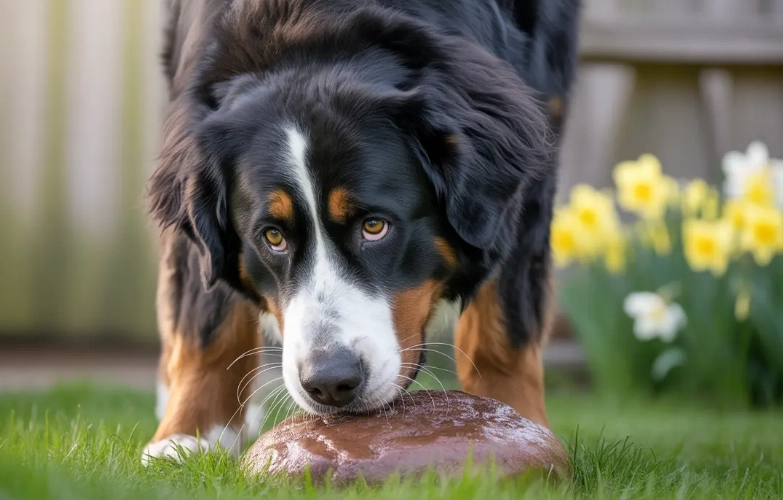
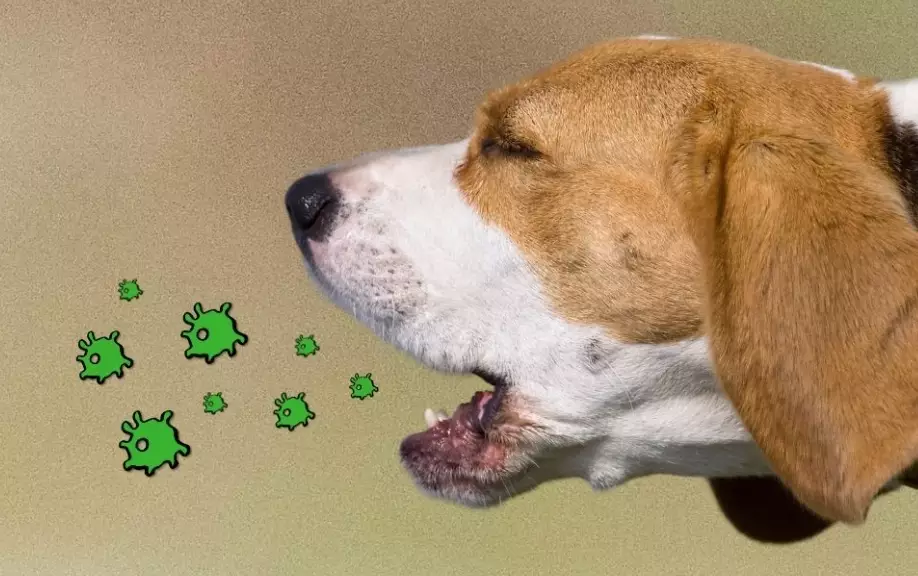
Bacterial or Viral Infections: Pathogens like Salmonella, E. coli, or Campylobacter can invade the gut, causing severe inflammation (enteritis or colitis), diarrhea, vomiting, and lots of mucus as the body tries to flush the invaders out. Parvovirus, especially in unvaccinated puppies, causes devastating damage to the intestinal lining, resulting in severe, often bloody and mucousy diarrhea. This is always an emergency.
Inflammatory Bowel Disease (IBD): This is a chronic condition where the dog's own immune system attacks the lining of the digestive tract, causing persistent inflammation. Think of it as a state of constant irritation. The colon is frequently involved (leading to colitis), and a hallmark symptom is the production of frequent, small amounts of stool often covered in or containing mucus. It's a diagnosis of exclusion, meaning vets rule out everything else first.
Colitis (Inflammation of the Colon): This is a general term for a sore, inflamed large intestine. It can be acute (from stress or infection) or chronic (from IBD or parasites). The colon's main job is to absorb water, so when it's inflamed, it doesn't do that well, leading to loose, urgent stools. It also goblet cells in the lining go into overdrive, pumping out mucus. So you get frequent, often strained attempts to poop, with only small amounts of soft stool and lots of mucus or even just mucus alone. Seeing your dog strain and pass only jelly-like mucus is a classic sign of colitis.
Other Issues: Less commonly, issues like polyps, tumors, or blockages (from eating a toy, for instance) can cause irritation and mucus production. Anal gland problems can sometimes be expressed with the stool, and that material can be mistaken for mucus.
The Color Code: What Different Mucus Colors Can Tell You
Not all mucus is created equal. The color is a critical piece of the puzzle. Here’s a quick-reference table to help you decode what you're seeing.
| Mucus Color | What It Often Means | Typical Associated Causes | Action Level |
|---|---|---|---|
| Clear or White/Jelly-like | General irritation or inflammation of the intestines. The most common type seen. | Dietary upset, stress colitis, mild parasites, early stages of many issues. | Monitor closely. If it persists >24-48 hrs or other symptoms appear, call the vet. |
| Yellow or Greenish | Often indicates faster intestinal transit time (things moving through too quickly). Bile can tint mucus yellow/green. | Bacterial infections, severe dietary indiscretion, giardia. | Moderate to High. Often accompanies diarrhea. Worth a vet call, especially with other signs. |
| Red or Pink Streaks | Fresh blood mixed with the mucus. This means bleeding is occurring in the lower digestive tract (colon or rectum). | Severe colitis, parasitic infection (whipworms), polyps, trauma from passing hard stool. | High. Schedule a vet visit promptly. This is blood and mucus in dog stool, a clear sign of active inflammation or injury. |
| Dark Red or Black Tarry Mucus | Digested blood (melena). This means bleeding is happening higher up in the digestive tract (stomach or small intestine). | Ulcers, ingestion of a sharp object, bleeding disorders, certain toxins. | Very High. Contact your vet immediately. |
Seeing red is the big one that gets most owners rightfully worried. A few tiny streaks once might be from a little tear from straining, but any consistent or significant amount of blood, whether fresh or digested, needs veterinary attention to find the source.
The Big Question: When Is It a True Veterinary Emergency?
This is the part everyone skips to. Let's be brutally clear. Not every instance of mucus requires a midnight trip to the emergency clinic, but some absolutely do.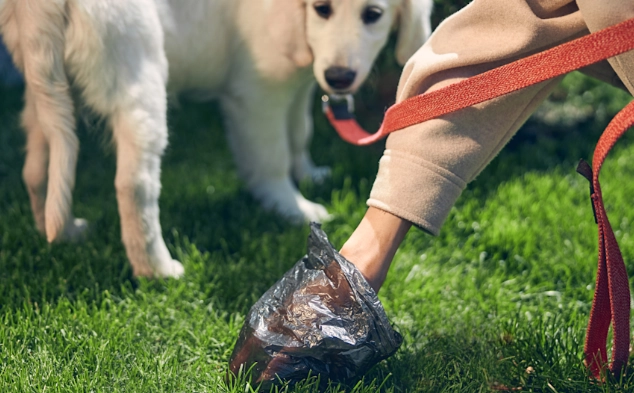
- Your dog is a puppy or a senior: Their immune systems are less robust.
- Lethargy or severe weakness: Your dog won't get up, seems "out of it," or is much less responsive than usual.
- Repeated vomiting, especially if they can't keep water down.
- Signs of pain: Whining, trembling, a hunched back, or sensitivity when you touch their belly.
- Pale gums: Press on your dog's gum. It should turn pink again within 1-2 seconds. If it stays white or is very pale pink to begin with, this could indicate shock or blood loss.
- Loss of appetite for more than one meal.
- Profuse, watery diarrhea with large amounts of mucus, especially if it's happening very frequently.
- Known ingestion of a toxin (like chocolate, xylitol, rat poison) or a foreign object.
For situations without these red flags, here's a more nuanced guide:
Schedule a non-emergency vet appointment if:
- The mucus in dog poop has been present for more than 2-3 days.
- It's a recurring issue (comes and goes every few weeks).
- The stool is consistently soft or diarrhea-like along with the mucus.
- You notice your dog straining to defecate or having more frequent, urgent bowel movements.
- There's a small amount of fresh blood (pink/red streaks) present more than once.
- Your dog seems slightly "off"—maybe a bit less energetic or slightly pickier with food, but still drinking and acting mostly normal.
You can likely monitor at home for 24-48 hours if:
- It was a single, isolated incident.
- Your dog is acting completely normal—energetic, playful, eating and drinking as usual.
- The stool was otherwise formed, and the amount of mucus was small and clear.
- You suspect a very mild, known cause (like a single rich treat the day before).
Even in this last scenario, if it doesn't resolve within a day or two, make the call. It's always better to err on the side of caution. I've personally waited too long before, thinking it would pass, only to end up with a more complicated (and expensive) case of colitis to treat. Trust your gut—if you're worried enough to be searching this topic, a vet check is rarely a bad idea.
What Will Your Vet Do? The Diagnostic Process
Okay, so you're at the vet's office. What now? A good vet won't just hand you antibiotics and send you on your way. They should work like a detective. Here's what a thorough investigation usually involves:
- A Detailed History: Be prepared to answer questions. What's your dog's diet (including treats and scavenging habits)? Any recent changes? Any other symptoms (vomiting, appetite change, energy level)? When did it start? How frequent are the bowel movements? Get a good description or, even better, a photo of the mucus in dog poop. It sounds gross, but it's incredibly helpful.
- A Physical Exam: They'll check your dog's weight, temperature, hydration status, listen to the abdomen, and palpate (feel) the belly for any pain, thickening, or abnormal masses.
- Fecal Examination: This is a MUST. They will likely ask for a fresh stool sample. This is tested for parasites (worms and protozoa like Giardia) under a microscope. Sometimes a single test isn't enough, as some parasites shed intermittently. They may recommend a broad-spectrum dewormer even if the test is negative, just to rule it out as a contributing factor.
- Blood Work: A complete blood count (CBC) and serum chemistry panel can reveal signs of infection, inflammation, dehydration, or problems with organs like the liver or pancreas that might affect digestion.
- Further Tests (if needed): For chronic or severe cases, the vet might suggest:
- Fecal Culture: To identify specific bacterial pathogens.
- Abdominal X-rays or Ultrasound: To look for foreign objects, tumors, or thickening of the intestinal walls suggestive of IBD.
- Dietary Trial: The gold standard for diagnosing food sensitivities. This involves feeding a strict, novel protein or hydrolyzed diet for 8-12 weeks with absolutely no other foods, treats, or flavored medications.
- Endoscopy & Biopsy: For a definitive diagnosis of IBD or cancer, a scope is passed into the intestines to visualize the lining and take small tissue samples for analysis.
The goal is to move from the most common and easily treatable causes (like parasites) to the more complex ones, avoiding unnecessary tests but also not missing something serious.
Treatment: It Depends Entirely on the Cause
There is no one-size-fits-all pill for mucus in dog poop. Treatment is targeted at the underlying cause.
- For dietary indiscretion or mild colitis: The vet may recommend a brief period of fasting (12-24 hours, with water always available) followed by a bland diet like boiled chicken and white rice or a prescription gastrointestinal diet for a few days to let the gut rest. They might also prescribe a probiotic to help restore healthy gut flora.
- For parasites: A specific dewormer (like fenbendazole for Giardia and worms) or a broad-spectrum dewormer. Multiple doses are often needed, and treating the environment is crucial for parasites like Giardia to prevent re-infection.
- For bacterial infections: A course of appropriate antibiotics. It's important to use the specific antibiotic the vet prescribes and finish the entire course.
- For IBD or severe chronic colitis: Management is lifelong and often multi-pronged. It typically includes:
- A strict, lifelong prescription diet that avoids the dog's trigger ingredients.
- Anti-inflammatory medications, such as corticosteroids (like prednisone) to suppress the inappropriate immune response in the gut.
- Sometimes other immunosuppressive drugs or novel therapies.
- Probiotics and prebiotics to support a healthy microbiome.
- For stress-related issues: Identifying and minimizing stressors. This might involve behavior modification, pheromone diffusers (like Adaptil), or in some cases, anti-anxiety medications prescribed by your vet.
Can You Prevent Mucus in Dog Poop?
You can't prevent every single case, but you can drastically reduce the risk by managing the factors within your control.
The Prevention Checklist:
- Consistent, High-Quality Diet: Feed a well-balanced diet appropriate for your dog's age and size. Avoid sudden food changes; transition over 7-10 days by mixing increasing amounts of the new food with the old.
- Limit Scavenging: This is tough, but try. Use a basket muzzle on walks if your dog is a serious scavenger. Keep trash cans secure. Be mindful of what they can get into in the yard.
- Stress Management: Provide a predictable routine, a safe space, and plenty of exercise and mental stimulation. For known stressful events (like storms or visitors), plan ahead with calming strategies.
- Regular Parasite Prevention: This is non-negotiable. Administer a monthly broad-spectrum parasite preventative as recommended by your vet, year-round. It's cheaper and easier than treating an infestation. The Companion Animal Parasite Council (CAPC) provides excellent, up-to-date guidelines on parasite risks and prevention, which you can find on their website here.
- No Table Scraps or Rich Treats: I know it's hard to resist those begging eyes, but rich, fatty, or spicy human food is a common trigger for pancreatitis and digestive upset in dogs.
- Regular Vet Check-ups: Annual exams and fecal tests can catch low-grade parasitic issues or early signs of problems before they cause major symptoms like persistent mucus in dog poop.
Your Questions Answered (The FAQ Section)
Look, finding mucus in your dog's poop is never fun.
It's a messy, worrying sign. But now you're armed with more than just fear. You know it's a symptom, not a disease itself. You know to look at the color, the context, and your dog's overall behavior. You have a clear idea of when it's a "watch and wait" situation and when it's a "call the vet now" situation.
The bottom line (no pun intended) is this: trust your instincts as an owner. You know your dog best. If something feels off, even if the internet says it might be minor, getting a professional opinion is never wrong. A timely vet visit can turn a potentially serious problem into a manageable one, and get your furry friend back to producing those perfect, boring, mucus-free poops we all secretly hope for.
Related Articles