Can Dogs Eat Watermelon Rind? A Complete Safety & Feeding Guide
In This Article
- What's Actually in That Watermelon Rind?
- The Good Stuff: Potential Benefits of Watermelon Rind for Dogs
- The Not-So-Good Stuff: Risks You Absolutely Cannot Ignore
- How to Prepare Watermelon Rind for Dogs: The SAFE Way (Step-by-Step)
- How Much and How Often? The Feeding Guide
- Can Dogs Eat Watermelon Rind and Seeds? The Seed Debate.
- What About Other Melon Rinds? A Quick Safety Comparison
- Frequently Asked Questions (The Stuff You're Actually Searching For)
- The Final Verdict: To Feed or Not to Feed?
You're sitting there on a hot summer day, enjoying a juicy slice of watermelon. Your dog is giving you that look. You've already given them a little piece of the sweet red flesh, and they loved it. Then you look down at the pile of green and white rind left on your plate. A thought pops into your head: can dogs eat watermelon rind too? Seems like a waste to just toss it, right? Maybe it's a healthy treat.
I've been there. I used to just chuck the rind in the compost, feeling a tiny bit guilty. Then I started wondering. A quick online search gives you a million answers, half saying "yes, it's fine!" and the other half screaming "NO, it's dangerous!" It's enough to make any dog owner's head spin.
Let's cut through the noise. After digging into veterinary resources and, yes, some cautious personal experimentation with my own lab mix, I'm here to give you the full, unvarnished picture. The short answer? Yes, dogs can eat watermelon rind, but it's not as simple as just handing it over. There's a right way and a very wrong way to do it. Get it wrong, and you could be in for a messy, stressful night. Get it right, and it can be a fun, hydrating, low-calorie snack.
What's Actually in That Watermelon Rind?
Before we talk about tossing it to Fido, let's understand what we're dealing with. The rind isn't just a useless green shell. That tough, often discarded part is surprisingly nutrient-dense, which is where both the potential benefits and the hidden risks come from.
The fleshy part (the white and light green part just under the skin) is mostly water and fiber. It's packed with a type of fiber that's great for digestion. It also contains citrulline, an amino acid that's been studied for various health benefits. There are vitamins in there too, like vitamin C and some B vitamins, and minerals like potassium and magnesium.
But here's the thing people often forget. The super tough, dark green outer skin? That's a whole different beast. It's like nature's plastic wrap – fibrous, hard to break down, and pretty much useless from a nutritional standpoint for your dog. That part is the main culprit behind most of the problems.
The Good Stuff: Potential Benefits of Watermelon Rind for Dogs
When prepared correctly (and we'll get to that crucial step in a minute), the soft part of the rind can offer some perks. It's not a miracle food, but it's not worthless either.
First off, it's incredibly hydrating. On a scorching day, a cold piece of prepared rind can be a great way to get extra fluids into your dog. The high water content is a big plus.
Then there's the fiber. Good lord, the fiber. If your dog occasionally has... let's say, sluggish digestion, a little bit of this fibrous treat can sometimes help get things moving smoothly. I'm talking about the white part here, not the green skin. The fiber acts as a prebiotic, feeding the good bacteria in your dog's gut.
It's also very low in calories and fat. For dogs watching their waistlines, it's a much better "I want a snack" option than many commercial treats. It gives them something to chew on without packing on the pounds.
Some folks even suggest the citrulline might support heart and immune health, though the research on that for dogs specifically is still emerging. I wouldn't give it for that reason alone, but it's a nice potential bonus.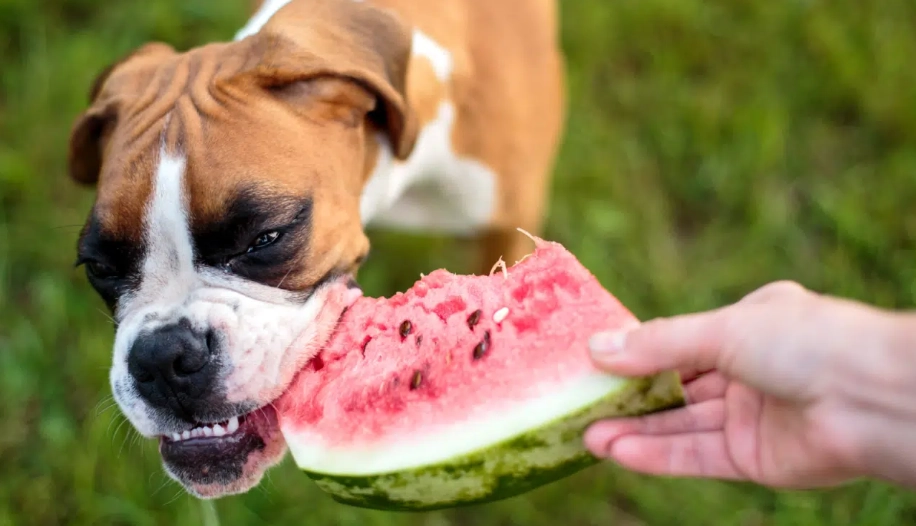
The Not-So-Good Stuff: Risks You Absolutely Cannot Ignore
This is the part where I get serious. The benefits are nice, but the risks are real and can land you at the emergency vet. You have to weigh these carefully every single time.
Choking and Intestinal Blockage: The Big One
This is the number one danger, hands down. A dog, especially an eager one, might not chew the rind properly. That tough, rubbery texture can be a major choking hazard. Even if they swallow it, large or jagged pieces can cause an intestinal blockage. This is a life-threatening emergency. Signs include vomiting, lethargy, loss of appetite, and an inability to pass stool. My neighbor's beagle ended up needing surgery after swallowing a large chunk of rind with the green skin still on. It was a nightmare and a huge vet bill. Don't let it be your dog.
Upset Stomach and Diarrhea
Even if it doesn't cause a blockage, a dog's digestive system isn't designed to handle large amounts of rough, fibrous plant matter. Too much rind, even well-prepared, can lead to gas, stomach cramps, and diarrhea. It's not fun for anyone, especially the dog (or the person cleaning up afterward).
The Pesticide and Contaminant Problem
This is a sneaky one that a lot of guides skip. Conventional watermelons are often treated with pesticides, and those chemicals can concentrate on or in the rind. Washing helps, but it doesn't remove everything. Feeding the rind means your dog is potentially ingesting a higher dose of those chemicals than if they just ate the inner fruit. It's a compelling reason to either buy organic for sharing or just skip the rind altogether if you're not sure about the source.
How to Prepare Watermelon Rind for Dogs: The SAFE Way (Step-by-Step)
Okay, so you've weighed the pros and cons and want to give it a try. This is the most important section in this entire article. Doing this wrong defeats the whole purpose. Here's my foolproof method, born from paranoia and a desire to keep Buddy safe.
- Wash It Thoroughly. Scrub the whole melon under running water with a vegetable brush. You want to remove dirt, bacteria, and as much surface pesticide residue as possible.
- Cut Off ALL the Dark Green Skin. This is non-negotiable. Use a sharp knife and peel or cut it away completely. That dark green part is too tough and fibrous. You only want the firm white and light green inner rind.
- Remove Any Remaining Pink Flesh. This isn't a danger, but it makes the next step easier and ensures you're controlling the sugar content.
- Cut Into Small, Bite-Sized Pieces. Think small cubes or thin strips, appropriate for your dog's size. For my 70-pound lab, I go with cubes about half an inch big. For a small dog, think pea-sized. The goal is to make it impossible for them to choke and easy to digest.
- Consider a Light Steam (Optional but Recommended). This is my personal extra step. Steaming the pieces for just 2-3 minutes softens the fibrous white rind even further, making it much easier on their stomachs. It doesn't ruin the nutrients, but it does make it safer. Let it cool completely before serving.
- Start Small. For the first time, give your dog one or two tiny pieces. Watch them for the next 24 hours for any signs of digestive upset.

How Much and How Often? The Feeding Guide
Even safe foods can cause trouble in large quantities. Watermelon rind should be a treat, not a meal replacement. The 10% rule is a good guideline: treats (including fruits and veggies) should make up no more than 10% of your dog's daily caloric intake.
For a quick visual guide, here's a rough estimate based on dog size. Remember, every dog is different, so start with less.
| Dog Size | Approximate Weight | Recommended Prepared Rind (per day) | Notes |
|---|---|---|---|
| Small (e.g., Chihuahua, Yorkie) | Under 20 lbs | 1-2 teaspoon-sized pieces | Cut very small. Monitor closely. |
| Medium (e.g., Beagle, Cocker Spaniel) | 20-50 lbs | 1-2 tablespoon-sized pieces | A few small cubes or one larger piece. |
| Large (e.g., Labrador, German Shepherd) | 50-90 lbs | A handful of small pieces (approx. 1/4 cup) | Can handle a bit more fiber, but don't overdo it. |
| Giant (e.g., Great Dane, Mastiff) | 90+ lbs | A generous handful (approx. 1/3 cup) | Still just a treat, not a bowlful. |
Frequency? I'd say once or twice a week at most. It's a fun summer snack, not an everyday staple. Their main nutrition should always come from a complete and balanced dog food.
Can Dogs Eat Watermelon Rind and Seeds? The Seed Debate.
While we're on the topic of "can dogs eat watermelon rind," the seed question always comes up. Those black seeds in seeded watermelons.
The old wisdom was that they could cause an intestinal blockage. The current thinking from sources like the ASPCA is that a few accidentally swallowed seeds from the red flesh are unlikely to harm a medium or large dog. They usually just pass through. However, a large handful of seeds could theoretically cause a problem, especially for a small dog.
Seeded watermelons also contain trace amounts of cyanide, but the dose is so minuscule that it's not considered a real threat. The physical blockage risk is the bigger concern.
My take? Why risk it? It takes two seconds to pick out the big black seeds from the piece you're giving your dog. Or, even easier, just buy seedless watermelons for sharing. It removes the worry entirely. The small, soft, white "immature" seeds in seedless varieties are perfectly safe and digestible.
What About Other Melon Rinds? A Quick Safety Comparison
If you're wondering about other summer melons, the rules are similar but not identical. Here's a quick cheat sheet I keep on my fridge.
| Fruit | Can Dogs Eat the Flesh? | Can Dogs Eat the Rind/Peel? | Key Notes & Risks |
|---|---|---|---|
| Watermelon | Yes, in moderation. | Inner white rind only, if prepared. | Remove seeds (or use seedless). Green skin is a choking/blockage hazard. |
| Cantaloupe | Yes, a great treat. | No. Avoid the netted skin. | The rough, netted rind is impossible to clean thoroughly, harbors bacteria, and is very tough to digest. |
| Honeydew | Yes, in moderation. | No. Avoid the smooth skin. | The smooth skin is too tough and can cause gastrointestinal upset or blockage. |
| Pumpkin | Yes, plain canned is great. | Cooked flesh of pie pumpkin, yes. Hard shell, no. | The hard outer shell of carving pumpkins is not edible. Stick to the cooked, pureed flesh. |
See the pattern? The rule of thumb is: when asking "can dogs eat watermelon rind" or any melon rind, the tough, inedible outer skin is almost always a "no." The softer inner flesh (of the fruit itself) is usually the safe part.
Frequently Asked Questions (The Stuff You're Actually Searching For)
My dog just ate a big piece of watermelon rind with the green skin! What do I do?
Don't panic, but be vigilant. Watch for signs of distress over the next 24-48 hours: vomiting, gagging, lethargy, refusing food, straining to poop, or a distended belly. If you see any of these, call your vet immediately. For a small dog who ate a large piece, calling your vet for advice right away is a good idea, even as a precaution.
Can watermelon rind cause pancreatitis in dogs?
Not directly. Pancreatitis is usually triggered by high-fat foods. Watermelon rind is very low in fat. However, the gastrointestinal upset from eating too much rind could potentially stress the system. The main risks are physical (blockage) and digestive (diarrhea), not pancreatic.
Is watermelon rind good for dogs with diarrhea?
Generally, no. While fiber can sometimes help with mild constipation, introducing a new, fibrous food to a dog already experiencing diarrhea is likely to make it worse. Stick to a bland diet (like boiled chicken and rice) recommended by your vet until their stomach settles.
Can puppies eat watermelon rind?
I'd be extra cautious with puppies. Their digestive systems are more sensitive and they are more prone to blockages from foreign objects. It's better to stick to simple, proven puppy foods and treats. If you really want to, wait until they're older (6+ months) and start with a single, tiny, well-steamed piece of the white rind only.
Where can I find official veterinary advice on this?
Always consult your own vet for advice tailored to your specific dog. For general pet poison and food safety information, reputable sources include the ASPCA Animal Poison Control Center and the FDA's Center for Veterinary Medicine. The American Veterinary Medical Association (AVMA) also has great general pet care resources.
The Final Verdict: To Feed or Not to Feed?
Look, after all this, you might be thinking, "This sounds like a lot of work for a piece of garbage." And sometimes, that's a perfectly valid conclusion.
Can dogs eat watermelon rind? Technically, yes, the prepared white inner rind can be a safe, occasional treat for many dogs.
But, and it's a big but, the margin for error is small. The risks of choking, blockage, and upset stomach are real and significant. If you're not willing to take the time to wash, peel, de-seed, chop, and potentially steam it, then the answer for you is a simple no. It's not worth the risk. The red flesh alone is a fantastic treat.
If you are a meticulous preparer and your dog has a robust digestive system, giving them a few small, properly prepared pieces of the white rind on a hot day can be a fun and refreshing snack. I do it for Buddy a few times each summer, and he loves it. I never, ever give him the green skin.
Ultimately, you know your dog best. When in doubt, throw it out (or compost it!). And when you're really unsure about anything your dog eats, a quick call to your vet is always the smartest move. Their health isn't a place for guesswork.
Hope this deep dive helped clear things up. Now go enjoy that watermelon – you and your pup.
Related Articles