The Most Intelligent Dog Breeds: A Comprehensive Guide & Top Picks
Quick Navigation
- What Makes a Breed One of the "Most Intelligent Dog Breeds"?
- The Top Contenders: A Deep Dive into the Smartest Breeds
- Beyond the Top Ten: Other Brilliant Breeds Worth a Mention
- How to Choose the Right Smart Dog For YOU
- Training Your Intelligent Dog: It's Not What You Think
- Common Questions About Intelligent Dog Breeds
- The Final Word: It's About Partnership, Not Just IQ
It happens all the time. You see a video of a Border Collie flawlessly navigating an agility course or a Poodle solving a puzzle toy in seconds, and you think, "Wow, I want a dog that smart." I get it. There's something incredibly satisfying about having a clever canine companion. But here's the thing I learned the hard way: a smart dog isn't always an easy dog. In fact, sometimes it's the opposite.
Before we dive into the usual list of the most intelligent dog breeds, we need to unpack what we even mean by "intelligent." Is it the dog that learns tricks the fastest? The one that seems to understand every word you say? Or the one that can problem-solve its way out of a locked yard (a skill you might regret)? Canine intelligence is multi-faceted, and understanding this is the first step to finding the right match.
Quick Reality Check: Dr. Stanley Coren's famous book, The Intelligence of Dogs, is the go-to source for ranking dog smarts. He categorized intelligence into three types: Instinctive (what they're bred for), Adaptive (problem-solving on their own), and Working/Obedience (learning from humans). Most rankings focus on that third type—how quickly a dog can learn new commands and obey them. It's a useful measure, but it's not the whole story. A hound bred to follow a scent for miles independently might score lower on "obedience" but be a genius in its own field.
What Makes a Breed One of the "Most Intelligent Dog Breeds"?
For this guide, we're focusing on breeds that consistently showcase high levels of working and obedience intelligence. These are the dogs that pick up commands with minimal repetition, remember them for life, and are highly responsive to their handlers. They thrive on mental stimulation and often excel in dog sports like obedience, agility, and rally.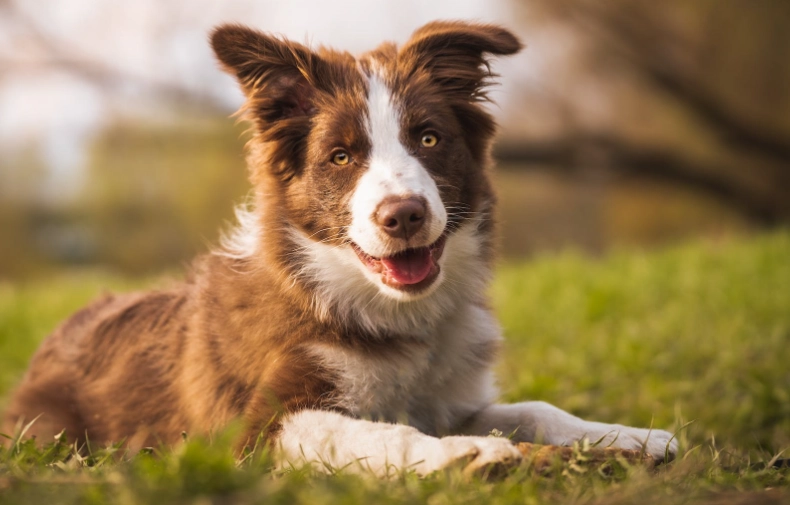
Common traits you'll see in these breeds include:
- Biddability: This is a fancy word for a strong desire to please their human. It's the foundation of easy training.
- Focus: They can maintain attention on a task or their owner, even with distractions.
- Problem-Solving: They don't just wait passively; they try to figure things out.
- High Energy (Usually): A fast brain often needs a physical outlet. Boredom is the enemy of a smart dog.
Remember, intelligence in this context is a double-edged sword.
I once dogsat for a friend's Australian Shepherd. Brilliant dog. Knew dozens of commands. Left alone for two hours with a puzzle toy I thought was "challenging," he solved it in ten minutes. The remaining hour and fifty minutes were spent creatively de-stuffing the living room couch. Lesson learned: mental exercise is just as critical as physical exercise for these breeds.
The Top Contenders: A Deep Dive into the Smartest Breeds
Based on decades of observational data, trainer surveys, and performance in competitive obedience, certain breeds consistently top the charts. Let's move beyond a simple list and look at what it's actually like to live with these canine Einsteins.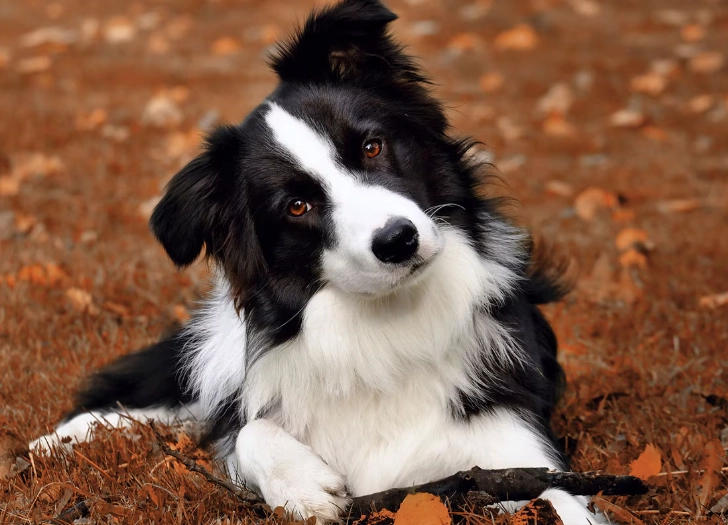
1. The Border Collie: The Unquestionable Prodigy
No list of the most intelligent dog breeds is complete without the Border Collie at the pinnacle. It's almost not fair to other breeds. Their intelligence is so intense, so focused, it's legendary. Bred for centuries to control sheep with minimal guidance, they possess an uncanny ability to read body language and anticipate commands.
Owning a Border Collie is less like having a pet and more like managing a furry, four-legged workaholic PhD student. They need a job. Agility, flyball, advanced obedience, herding trials—these aren't hobbies for them; they're necessities. Without sufficient mental and physical challenge, they will invent their own jobs, which usually involve herding children, cats, or shadows on the wall, potentially leading to neurotic behaviors.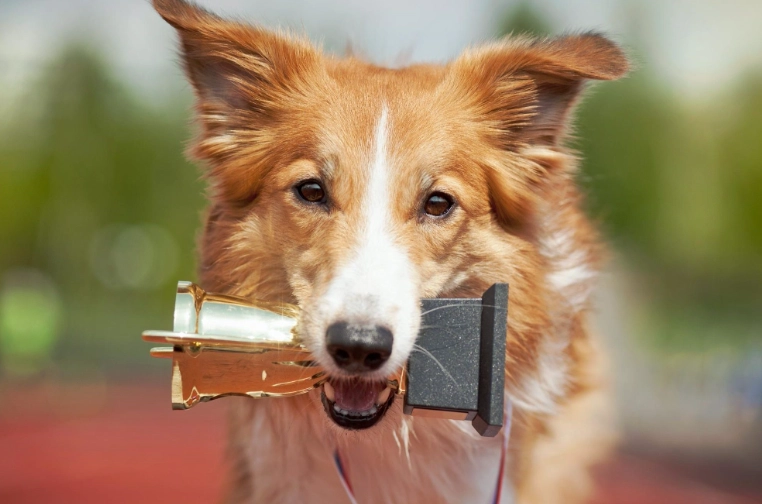
Is a Border Collie right for you? Only if you have an active lifestyle and are genuinely committed to providing structured, daily mental workouts. They are not typical "weekend warrior" dogs. For the right person, they are the most rewarding partner imaginable. For the unprepared, they can be an overwhelming handful.
2. The Poodle: The Elegant Brainiac
Don't let the fancy haircuts fool you. Behind that pouf is one of the most agile and clever minds in the dog world. Poodles (Standard, Miniature, and Toy) are consistently ranked among the most intelligent dog breeds for their exceptional memory, quick learning, and eagerness to please. Originally bred as water retrievers, they are athletic, versatile, and remarkably intuitive.
What I love about Poodles is their combination of smarts and sensibility. They tend to be a bit more adaptable and less intensely driven than herding breeds like the Border Collie. They excel in everything from obedience and agility to simply being attentive, loyal family members. Their low-shedding coat is a bonus for many, though it requires regular grooming.
3. The German Shepherd Dog: The Versatile Protector
The quintessential working dog. German Shepherds are the backbone of police, military, and service dog units worldwide for a reason. Their intelligence is robust and practical. They are courageous, confident, and possess a strong sense of duty. They learn complex tasks with focus and retain them under pressure.
But here's a crucial point: their intelligence is deeply tied to their need for a strong, confident leader and proper, early socialization. A poorly bred or poorly trained German Shepherd can develop serious anxiety or reactivity issues. Their intelligence needs to be guided. When it is, there are few dogs more capable or devoted.
4. The Golden Retriever: The People-Pleaser with Brains
Golden Retrievers perfectly demonstrate that a dog can be incredibly smart and also wonderfully easy-going. Their intelligence is often channeled through their legendary desire to please and their gentle, friendly nature. They are quick studies in obedience, fantastic family dogs, and excel as therapy and assistance dogs because they are so attuned to human emotions.
Their "smart" might look different from a Border Collie's. It's less about independent problem-solving and more about harmonious cooperation. They want to know what you want and then do it. This makes them one of the most reliable and trainable of the most intelligent dog breeds for the average family.
5. The Doberman Pinscher: The Focused Guardian
Dobermans are often stereotyped as mere guard dogs, but that does a disservice to their keen intellect. They are incredibly observant, form strong bonds with their family, and learn with startling speed. Their intelligence is sharp and discerning—they are known for being excellent judges of character.
Like the German Shepherd, their intelligence requires firm, fair, and consistent leadership. They are sensitive dogs beneath their powerful exterior and respond poorly to harsh treatment. With positive training, they are loyal, affectionate, and surprisingly silly companions at home, transforming into alert and capable protectors when needed.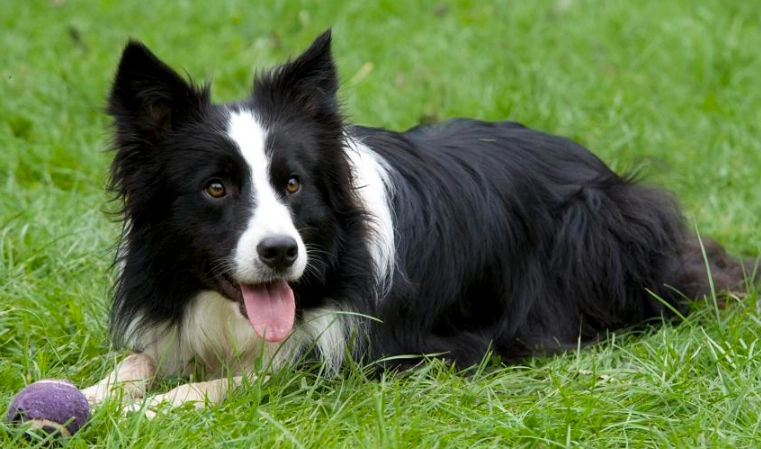
Let's pause for a second.
You'll notice a pattern: many of the smartest breeds are working dogs. Their brains were shaped for specific tasks. That genetic wiring doesn't just disappear in a suburban backyard.
6. The Shetland Sheepdog: The Miniature Workhorse
Imagine a Border Collie's intelligence packed into a smaller, slightly more reserved package, and you have the Shetland Sheepdog. Don't mistake their size for a lack of brains or drive. "Shelties" are incredibly agile, vocal, and sensitive. They learn tricks and commands with ease and are stars in obedience and agility rings.
Their sensitivity is a key trait. They are very in tune with their owner's mood, which makes them wonderful companions but also means they can be easily stressed by chaos or tension. They thrive in a stable, positive environment where their intelligence can be channeled through games and training.
7. The Labrador Retriever: The All-American Smart Friend
Another retriever on the list, and for good reason. The Labrador Retriever's intelligence is practical, food-motivated (very food-motivated!), and joyful. They are the most popular dog breed in America for decades running, partly because their smarts are so user-friendly. They are eager to learn, love to work (especially for a treat or a toy), and adapt well to various roles from family pet to guide dog.
Their challenge is often their exuberance and strength. Training is essential not just to engage their brain but to manage their puppy-like energy that can last for several years. A bored Lab is a destructive Lab—they'll use their problem-solving skills to get into the pantry or rearrange the garden.
8. The Papillon: The Tiny Dynamo
Here's the surprise entry for many. The Papillon, with its distinctive butterfly-like ears, is consistently ranked as one of the most intelligent dog breeds, often outperforming much larger dogs in obedience trials. They are agile, energetic, and highly trainable. Their size is deceptive; they have the heart and brain of a much bigger dog.
They are perfect examples of why you can't judge intelligence by size. Papillons excel in trick training and agility. They do require careful socialization to prevent small dog syndrome (where they become yappy or nervous), but with proper training, they are confident, charming, and brilliantly clever little companions.
9. The Rottweiler: The Strong, Silent Thinker
Rottweilers possess a calm, confident intelligence. They are not frivolous dogs; they learn with purpose and have a natural steadiness. Bred to drive cattle and guard, they are independent thinkers who can assess situations. This means they don't always obey blindly—they obey when they respect you.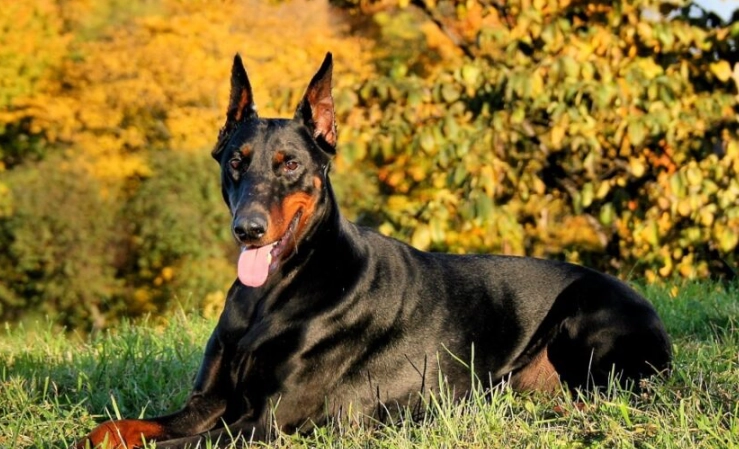
This breed absolutely requires an owner who understands canine psychology and can establish leadership with respect, not fear. Their intelligence, combined with their power, makes early and ongoing training non-negotiable. In the right hands, they are remarkably loyal, gentle with family, and discerning guardians.
10. The Australian Cattle Dog: The Tough, Tenacious Genius
Rounding out a classic top ten list of the most intelligent dog breeds is the Australian Cattle Dog (or Blue/Red Heeler). Their intelligence is rugged, persistent, and relentless. Bred to herd stubborn cattle over vast Australian ranches, they are problem-solvers with incredible endurance and a strong will.
I have a soft spot for them, but I'll be honest: they are not for the faint of heart. They are often described as "velcro" dogs due to their intense loyalty, but they can be reserved or suspicious of strangers. Their herding instinct is powerful and may manifest as nipping at heels. They need an immense amount of activity and a job to do. This is a breed where their brilliant mind must be kept busy, or it will turn to destructive or obsessive behaviors.
Quick-Reference Comparison of Top Intelligent Breeds
This table sums up the key practical differences between these top-tier smart dogs. Think about which column sounds most like your life.
| Breed | Core Intelligence Trait | Energy Level | Best For Owners Who... | Potential Challenge |
|---|---|---|---|---|
| Border Collie | Hyper-focused, anticipatory | Extremely High | Are highly active & want a canine "sport partner" | Can become neurotic if under-stimulated |
| Poodle | Adaptable, eager to please | High | Want a versatile, athletic, and trainable companion | Grooming maintenance is significant |
| German Shepherd | Dutiful, task-oriented | High | Can provide firm, confident leadership & structure | Needs extensive socialization; prone to anxiety if poorly bred |
| Golden Retriever | Cooperative, socially intelligent | Moderate to High | Want a friendly, biddable family dog | Can be overly exuberant; prone to shedding |
| Papillon | Agile, quick-learning | Moderate to High | Want a highly trainable small dog for tricks/agility | Can be fragile; may develop "small dog syndrome" |
| Australian Cattle Dog | Tenacious, independent thinker | Extremely High | Have a job for the dog (herding, sport) & are experienced | Strong herding/nipping instinct; can be wary of strangers |
Beyond the Top Ten: Other Brilliant Breeds Worth a Mention
The conversation about the most intelligent dog breeds doesn't end at ten. Plenty of other breeds are fantastically smart in their own ways.
- Australian Shepherd: Another herding virtuoso, incredibly athletic and versatile. Often confused with the Border Collie but has a different structure and sometimes a slightly more easy-going temperament (though still very high-energy).
- Belgian Malinois: Think of a German Shepherd's drive turned up to eleven. The ultimate working dog for military and police, with an off-the-charts work ethic and intelligence. Not a pet for 99% of households.
- English Springer Spaniel: A bright, cheerful, and trainable gundog. Their intelligence is joyful and energetic, making them great for active families.
- Havanese: A charming toy breed that is surprisingly trainable and clever, often excelling in trick dog titles.
- Shih Tzu? Now here's a curveball. Often seen as a lapdog, many Shih Tzus are quite clever and can learn quickly, but their independent and sometimes stubborn nature (bred for royalty, after all) means they may choose not to obey unless motivated. This highlights the difference between raw intelligence and biddability.
How to Choose the Right Smart Dog For YOU
Finding one of the most intelligent dog breeds is easy. Finding the right one for your actual life is the real task. Ask yourself these questions, honestly:
- What does "smart" mean to me? Do I want a dog that learns tricks for fun, one that can compete in sports, or one that is intuitively well-behaved?
- How much time do I have every single day? Not just for a walk, but for focused training, play, and mental games? A bored smart dog is a recipe for disaster.
- What is my experience level? A first-time dog owner might be overwhelmed by the needs of a Border Collie or Australian Cattle Dog but could have a wonderful experience with a Poodle or a Golden Retriever.
- What is my living situation? A large, energetic breed needs space to run. Many smart breeds are vocal (barks, whines, "talking")—how do your neighbors feel about that?
A friend was dead set on getting a "genius" dog and chose a mini Australian Shepherd. They lived in a small apartment with a busy work schedule. The dog developed severe separation anxiety and compulsive behaviors. They eventually had to rehome it with a family with a farm. It was heartbreaking for everyone, especially the dog. The breed's intelligence wasn't the problem; the mismatch was.
Training Your Intelligent Dog: It's Not What You Think
Training a brilliant dog is less about drilling commands and more about communication and engagement. They get bored with repetition quickly. Here’s what works:
- Make it a game: Use puzzle toys, hide-and-seek, and short, fun training sessions.
- Teach concepts, not just commands: Instead of just "sit," teach "go to your mat" from anywhere in the house. Teach the names of their toys.
- Channel their instincts: A herding breed might love treibball (herding giant balls). A retriever will love structured fetch games with rules.
- Be consistent and fair: Smart dogs learn the rules fast and will test boundaries. If you're inconsistent, they'll learn to ignore you.
- Use positive reinforcement: These dogs are sensitive. Harsh corrections can break their spirit and trust. Reward-based training builds a willing partnership. Resources from authoritative organizations like the American Kennel Club (AKC) on positive methods are invaluable.
Common Questions About Intelligent Dog Breeds
Let's tackle some of the real questions people have after reading about the most intelligent dog breeds.
Are smart dogs easier to train?
Yes and no. They learn commands faster, which is easier. But they also learn bad habits just as fast. They can be more sensitive to training mistakes and may get bored or stubborn if training is dull. So the initial learning is easier, but the overall training relationship requires more skill and creativity.
Do intelligent dogs make better family pets?
Not automatically. A highly intelligent, high-energy dog in a chaotic or sedentary family can be a terrible fit. A smart dog with a calm temperament (like a Golden Retriever) can be an excellent family pet. A smart dog with strong instincts and high drive (like many herders) may be too intense for young children. Temperament is more important than IQ points for family life.
What is the smartest small dog breed?
The Papillon consistently wins this title in obedience rankings. Miniature and Toy Poodles are also exceptionally smart small dogs. Don't overlook the Miniature Schnauzer or the Shetland Sheepdog (though Shelties are more medium-sized).
Can you make a dog smarter?
You can't change its innate potential, but you can absolutely provide an environment that allows its intelligence to flourish. Early socialization, ongoing training, novel experiences, puzzle toys, and interactive play all help develop a dog's cognitive abilities. It's like providing a child with books and educational games.
Are there any downsides to having a very smart dog?
Absolutely. The biggest downsides are:
1. Boredom Destruction: A bored smart dog will find its own entertainment, which often involves redecorating your home.
2. Manipulation: They can learn how to get what they want (barking at a specific time for food, opening doors).
3. Anxiety: Some smart breeds are prone to anxiety because they are so aware of their environment and routines.
4. Need for Engagement: They are a lifelong commitment to providing mental stimulation.
Where can I find reliable information on breed standards and temperament?
Always go to the source. The national breed club for any dog is the best starting point. For example, the AKC's breed directory provides reliable overviews. For a more global perspective, the Fédération Cynologique Internationale (FCI) is the world canine organization. Reputable breeders associated with these clubs are your best bet for a healthy, temperamentally sound puppy whose parents were tested for genetic issues.
The Final Word: It's About Partnership, Not Just IQ
Choosing one of the most intelligent dog breeds can lead to an incredibly rich and rewarding relationship. The feeling of communicating with an animal that truly understands and can learn complex tasks is unparalleled. But it's a partnership that demands investment.
Look beyond the rankings. Think about the day-to-day life each breed represents. Visit dog shows or training clubs to meet them in person. Talk to owners, especially about the challenges. That brilliant mind needs a guide, a teacher, and a best friend. If you can be that, you'll have a companion like no other.
Just be prepared for them to outsmart you once in a while. They usually do.
Related Articles