The Ultimate Guide to Heartworm in Dogs: Symptoms, Treatment & Prevention
Quick Guide to This Article
- What Exactly Is Heartworm Disease in Dogs?
- Spotting the Symptoms: From the Subtle to the Severe
- Getting a Diagnosis: What Tests Will Your Vet Do?
- The Hard Road: Treating Heartworm in Dogs
- The Smart Choice: Preventing Heartworm in Dogs
- Your Top Questions on Heartworm in Dogs, Answered
- Wrapping It Up: Your Action Plan
Let's talk about something that genuinely scares most dog owners. I'm not talking about thunderstorms or that weird obsession with chewing shoes. I'm talking about heartworm in dogs. It's one of those things you hear about at the vet, maybe you get the monthly preventative, but do you really know what you're up against?
I remember my vet explaining it to me years ago when I got my first dog, and honestly, it sounded like a horror movie plot. A foot-long worm living in my dog's heart and lungs? No thanks. But the more I learned, the more I realized that fear is good – it pushes you to take action. And the action here is simple: prevention and knowledge.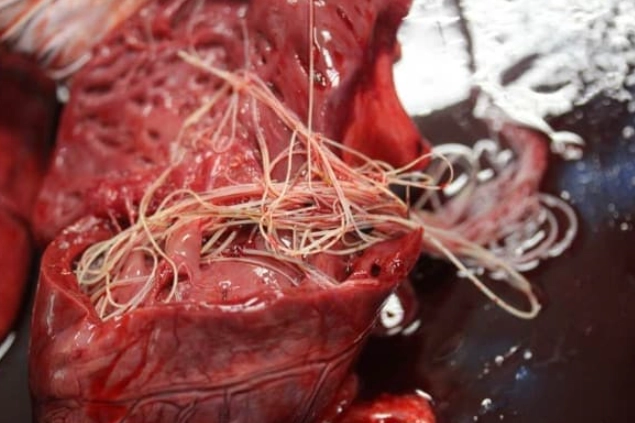
This isn't just another article rehashing the basics. We're going deep. We'll cover what heartworm disease actually is, how to spot the sneaky early signs most people miss, the brutal reality and cost of treatment, and the straight truth about prevention. My goal is for you to finish reading this feeling like you can have an informed conversation with your vet, make the best choices for your dog, and sleep a little easier at night.
What Exactly Is Heartworm Disease in Dogs?
First off, let's demystify the monster. Heartworm disease is caused by a parasitic worm called Dirofilaria immitis. The name sounds fancy, but there's nothing fancy about what it does.
The life cycle is the key to understanding why this disease is so persistent and dangerous. It starts with a mosquito. Not just any mosquito, but one that has bitten an infected dog, coyote, fox, or other mammal. That mosquito picks up baby worms called microfilariae. Inside the mosquito, these develop into infective larvae over about two weeks.
Then, that same mosquito bites your dog. It's not a gentle bite, either. When it feeds, it deposits these infective larvae onto your dog's skin. The larvae then enter the body through the bite wound. This is the only way dogs get heartworm – from mosquitoes. Your dog can't catch it from another dog directly, which is a common misconception.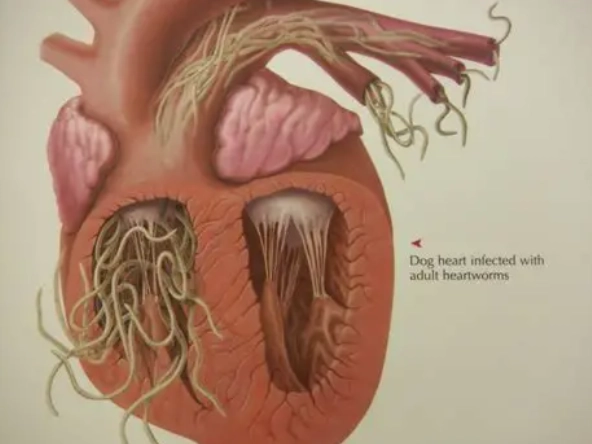
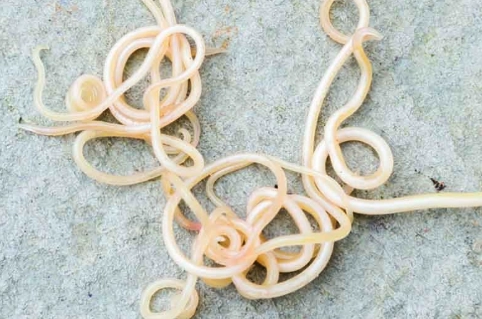
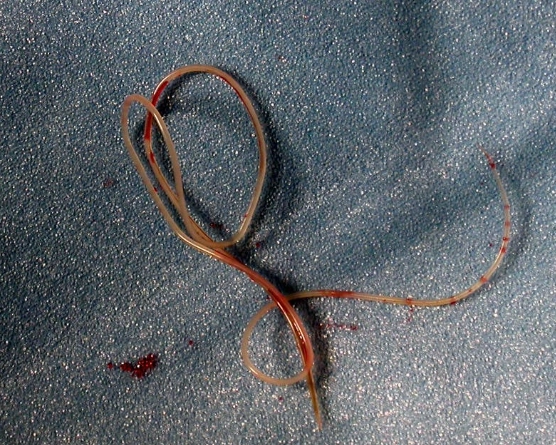
It takes about 6 to 7 months from the initial mosquito bite for those larvae to mature into adult worms that can start reproducing. Adult heartworms in dogs can live for 5 to 7 years. Females can be over a foot long, while males are shorter. A dog can harbor anywhere from a single worm to over a hundred. Imagine the blockage, the inflammation, the sheer physical strain on your dog's organs.
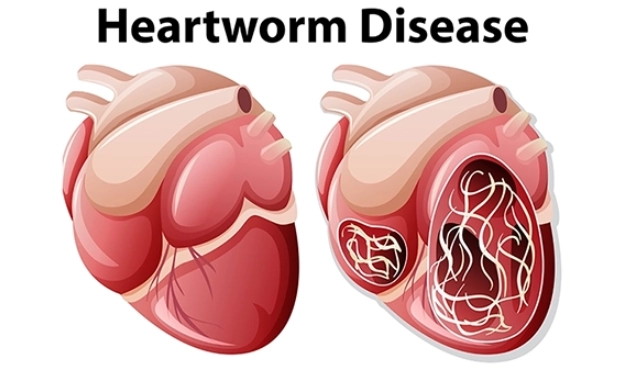
The damage isn't just from the worms taking up space. Their presence causes intense inflammation of the blood vessel walls. This leads to scarring, thickening, and narrowing of the arteries. The heart has to work much harder to pump blood through these damaged, clogged pipes, which can lead to heart failure. Pieces of the worms can also break off and cause blockages in smaller lung vessels, a condition called pulmonary thromboembolism, which can be suddenly fatal.
It's a slow, progressive disease. A dog might look perfectly fine for years while damage silently accumulates. By the time you see clear symptoms of heartworm in dogs, the disease is often advanced. That's why understanding the early, subtle signs is absolutely critical.
Spotting the Symptoms: From the Subtle to the Severe
This is where most owners get tripped up. Early-stage heartworm infection often has no visible symptoms at all. Zero. Zilch. Your dog might be infected for months, even a year or more, and seem completely normal. This silent phase is why annual testing is non-negotiable, even for dogs on prevention.
Early-Stage Symptoms (Often Overlooked)
As the worms begin to cause damage in the lungs, the first signs are usually related to the respiratory system and are easy to dismiss as something else – maybe allergies, a little kennel cough, or just your dog getting older.
- A mild, persistent cough. This isn't a hacking fit. It's more of a soft, dry cough, especially noticeable after exercise or when the dog first gets up. You might think, "Oh, he just pulled on his leash too hard."
- Reluctance to exercise or tiring more easily. Your once-energetic pup might lag behind on walks or be less interested in playing fetch. It's a gradual change, so it's easy to attribute to age or a lazy day.
- Decreased appetite and slight weight loss. Not a dramatic starvation, but a pickier eater or a rib that's slightly more prominent than it used to be.
See what I mean? These are all vague. But together, especially in a dog not on regular prevention, they should be a red flag.
Advanced-Stage Symptoms (The Danger Zone)
If the infection progresses untreated, the symptoms become impossible to ignore. This is when the heart and lungs are under severe strain.
- A persistent, hacking cough. It becomes more frequent and sounds wetter or more forceful.
- Fatigue and fainting spells. The dog may collapse after even mild activity because the heart simply can't deliver enough oxygen.
- Difficulty breathing. You might see labored, rapid breaths even at rest. The belly may heave with the effort.
- A swollen abdomen (ascites). This is a sign of right-sided heart failure. Fluid backs up into the belly because the heart can't pump efficiently.
- Weight loss and muscle wasting. Despite a potentially normal or even increased appetite, the body is working so hard just to function that it burns through muscle.
- Pale gums. A sign of poor oxygenation or anemia.
I once fostered a senior dog who was a classic case of missed early signs. His previous owner thought his cough was just "old dog throat." By the time he came to me, he was in stage 3 heartworm disease. Watching him struggle for breath after walking to his food bowl was heartbreaking. It didn't have to get that far.
Getting a Diagnosis: What Tests Will Your Vet Do?
You can't diagnose heartworm in dogs at home. If you suspect it, or if it's just time for the annual check-up, here's what to expect at the vet.
The cornerstone of diagnosis is a blood test. But it's not just one test. Vets often use a combination to get the full picture.
The Antigen Test (The Primary Test)
This is the most common test. It detects specific proteins (antigens) shed by adult female heartworms into the dog's bloodstream. It's very accurate, but there are limitations.
- It usually only becomes positive about 5 to 7 months after infection (once the females are mature).
- An infection with only male worms will give a false negative.
- A very low number of worms might not shed enough antigen to be detected.
The Microfilariae Test (The Filter Test)
This test looks for the baby worms (microfilariae) circulating in the blood. A sample of blood is examined under a microscope or sent to a lab. A positive result confirms infection, but a negative doesn't rule it out. Why? Some dogs have an immune response that clears the microfilariae (this is called "occult heartworm disease"). Also, if the worms are all the same sex, there will be no babies.
Most vets run both tests. A positive antigen test is considered a confirmed diagnosis of heartworm in dogs. The microfilariae test helps confirm and gives an idea of the worm burden.
Additional Tests to Stage the Disease
If the blood tests are positive, your vet won't just hand you medicine. They need to know how much damage has been done. This is called "staging" the disease and is crucial for planning safe treatment.
- Chest X-rays (Radiographs): These are vital. They show the size and shape of the heart and the condition of the pulmonary arteries. Vets look for enlarged heart chambers and characteristic changes in the lung vessels, often described as having a "tortuous" or knotted appearance. X-rays also check for fluid in the lungs.
- Echocardiogram (Ultrasound of the Heart): This is like a sonogram for the heart. It allows the vet to actually see adult worms inside the heart and major vessels. They appear as parallel white lines. An echo is especially important for dogs with severe disease to assess heart function directly.
- Bloodwork (Complete Blood Count & Biochemistry Profile): This checks the overall health of the dog's organs, looks for signs of anemia, and assesses kidney and liver function, which is important before starting the strong drugs used in treatment.
- Urinalysis: Checks kidney health.
The American Heartworm Society provides detailed, vet-level guidelines on diagnosis and staging that most veterinarians follow closely. You can find their current protocols on their official website: heartwormsociety.org. It's a fantastic resource if you want to see the gold standard of care.
 So, your dog tests positive. Now what?
The Hard Road: Treating Heartworm in Dogs
Let's be brutally honest. Treating heartworm disease is tough. It's expensive, it's lengthy (several months of strict rest), and it's not without risk. The treatment itself can cause serious complications. This is the single biggest reason why prevention is a thousand times better than a cure.
The goal of treatment is to kill all adult and immature worms while managing the complications caused by their death. Dead worms break into pieces and are carried by the blood to the lungs, where they are absorbed by the body. This process causes inflammation and can block blood flow. Managing this is the tricky part.
The Standard Treatment Protocol (The AHS Protocol)
The American Heartworm Society's recommended protocol is considered the most effective. It's a multi-month process.
| Stage | Timeline | Purpose & Medications | Activity Restriction |
|---|---|---|---|
| Pre-Treatment Stabilization | Variable (1-2 months) | Treat any secondary issues (e.g., heart failure, pneumonia). Start a monthly heartworm preventative (like ivermectin/milbemycin) to kill circulating microfilariae and any new larvae. Start a 4-week course of the antibiotic Doxycycline. Doxycycline kills a bacteria (Wolbachia) that lives inside the heartworms, weakening the worms and reducing inflammation when they die. | Strict rest begins. |
| First Adulticide Injection | Day 1 of treatment month | Deep intramuscular injection of Melarsomine dihydrochloride (the only FDA-approved drug to kill adult heartworms). This injection is given in the lower back muscles and can be painful. | ABSOLUTE CRATE REST. This is critical for 4-6 weeks. Even playful excitement can increase heart rate and blood flow, dislodging dead worms and causing a fatal clot. |
| Second & Third Adulticide Injections | 1 month later, 24 hours apart | Two more injections of Melarsomine to kill the remaining adult worms. | ABSOLUTE CRATE REST continues for another 6-8 weeks. Total rest period is often 3-4 months. |
| Post-Treatment Test | 6 months after final injection | Antigen test to confirm all adult worms are gone. | Can gradually return to normal activity if test is negative. |
That crate rest part? It's not a suggestion. It's a medical necessity. I've seen owners think, "Oh, he seems fine, a little play won't hurt." It can. It can kill. The risk of pulmonary thromboembolism (a clot from dead worms) is highest during treatment. Keeping the dog's heart rate and blood pressure low is the only way to minimize that risk.
The "Slow-Kill" Method (And Why It's Controversial)
Some vets, often due to owner financial constraints or in cases where Melarsomine is too risky (e.g., very advanced disease), may use an alternative method. This involves giving a monthly heartworm preventative (like ivermectin) and the antibiotic doxycycline over a long period (often 18-24 months) to slowly kill the worms.
The American Heartworm Society does not recommend slow-kill as the primary treatment because it allows for continued damage. They state it should only be considered when the standard protocol is not an option. You can read their official stance on treatment alternatives in their guidelines.
Cost of Heartworm Treatment
Let's talk money, because it's a huge barrier. Costs vary wildly by region, clinic, and the size/severity of the dog's condition.
- Diagnostic Workup (X-rays, bloodwork, tests): $200 - $500+
- Medications (Doxycycline, preventatives, pain meds): $100 - $300
- Melarsomine Injections & Hospitalization: $800 - $1,500+
- Follow-up visits and tests: $100 - $300
Total can easily range from $1,200 to $2,500 or more. Compare that to a year of monthly preventatives, which might cost $70 - $250. The math is painfully clear. Prevention is not just better for your dog's health; it's better for your wallet.
The Smart Choice: Preventing Heartworm in Dogs
This is the happy part. Prevention is safe, effective, and relatively easy. It's a no-brainer.
How Preventatives Actually Work
This is a key point people misunderstand. Heartworm preventatives don't create a force field. They are technically "wormers." They work retroactively. When you give your dog their monthly chewable or topical, it kills any heartworm larvae that may have infected your dog in the previous 30-45 days. It wipes the slate clean each month. That's why consistent, timely dosing is everything. If you go 3 months between doses, you've given any larvae that entered 2-3 months ago a chance to mature beyond the point where the preventative can kill them.
Types of Preventatives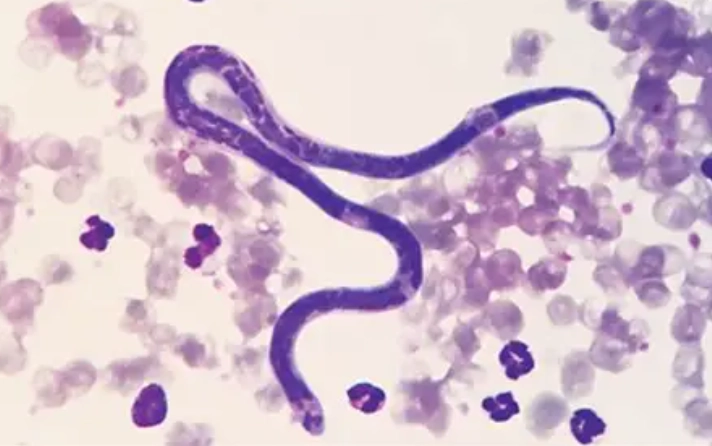
You have options. Talk to your vet about what's best for your dog's lifestyle.
- Monthly Oral Chewables: The most common. Brands like Heartgard, Interceptor, and Simparica TRIO. They're usually flavored and most dogs eat them like a treat. Some also control other parasites like roundworms, hookworms, and fleas.
- Monthly Topicals: Liquid applied to the skin on the back of the neck. Brands like Revolution (selamectin) or Advantage Multi. Good for dogs that are picky eaters.
- Injectable (ProHeart): An injection given by your vet every 6 or 12 months. This is great for owners who struggle with remembering monthly doses. It's a set-it-and-forget-it option, but it requires a vet visit.
- Combination Products: Many products now bundle heartworm prevention with flea/tick control. Convenient, but often more expensive. You need to decide if you need the extra coverage.
The Critical Role of Annual Testing
This is non-negotiable, even for dogs on year-round prevention. The American Heartworm Society recommends testing every 12 months. Why?
- No product is 100% effective. A dog might spit out a pill without you knowing. You might apply a topical incorrectly. A dose could be late.
- To catch any potential infection early. If a failure occurs, an annual test will catch it when the worm burden is still low and treatment is simpler, cheaper, and safer.
- It's a safety check. Before prescribing another year of preventative, your vet wants to be sure your dog is negative.
Think of it as a partnership: You do your part with the monthly preventative, and the vet does their part with the annual test to make sure the system is working.
Your Top Questions on Heartworm in Dogs, Answered
I get a lot of questions from other dog owners. Here are the most common ones, straight from real conversations.
Wrapping It Up: Your Action Plan
Alright, that was a lot of information. Let's simplify it into a straightforward plan you can start today.
- If your dog is not on prevention: Call your vet. Schedule an appointment for a heartworm test. If negative, start a preventative immediately. Discuss which type (oral, topical, injectable) fits your life best.
- If your dog is on prevention: Mark your calendar for their annual wellness visit and heartworm test. Set that monthly phone reminder if you haven't already. Double-check that you're storing and administering the preventative correctly.
- If your dog is diagnosed with heartworm: Take a deep breath. Work closely with your vet to understand the stage of the disease and the treatment plan. Commit fully to the exercise restriction. It will be hard, but it's temporary. Explore financial options like CareCredit or Scratchpay if cost is an issue.
The bottom line on heartworm in dogs is this: It's a preventable disease. The tools are there – safe, effective medications and annual testing. The horror stories you hear are almost always from cases that went undetected or untreated.
Be the owner who takes this seriously. Be the owner who asks questions at the vet. Be the owner who doesn't skip doses. Your dog's vibrant, energetic, worm-free life is the best reward you could ask for.
Got more questions? Your veterinarian is your best resource. Don't be shy about asking them to explain anything you're unsure about. After all, we're all on the same team trying to keep our dogs healthy and happy for as long as possible.
Related Articles