Dog Dementia: Signs, Care & Hope for Senile Canine Brains
In This Guide
- What Is Dog Senile Dementia, Really?
- The Signs: Is It "Just Old Age" or Something More?
- Getting a Diagnosis: The Vet Visit You Need to Have
- Building a Dementia-Friendly World: Home Care That Actually Works
- The Treatment Toolbox: Diet, Supplements, and Medication
- The Hard Questions: Late-Stage Care and Quality of Life
- Your Questions, Answered (The Stuff You're Actually Googling)
- Final Thoughts: You Are Not Alone
It creeps up on you. Maybe it's the midnight pacing, a new habit of staring at the wall, or that heartbreaking moment when your loyal companion seems confused by the food bowl they've eaten from for a decade. If you're reading this, you're probably worried, searching for answers. I get it. I've been there with my own dog, a sweet old Labrador named Barney. Watching him navigate his senior years with what the vet later confirmed was dog senile dementia was a journey of heartache, learning, and surprising moments of grace. Let's talk about what this really means, beyond the scary medical term.
Bottom Line Up Front: Canine Cognitive Dysfunction (CCD), commonly called dog dementia, is a real, progressive brain condition in older dogs. It's not just "getting old." It's manageable. You can't cure it, but you can absolutely make life better and less confusing for your dog. This guide is your map.
What Is Dog Senile Dementia, Really?
Let's strip away the jargon. Think of a dog's brain like a computer. As it ages, the hardware can develop wear and tear, and the software can get buggy. Canine Cognitive Dysfunction is the veterinary term for this age-related decline in brain function. It's caused by physical changes in the brain—a buildup of a protein called beta-amyloid (similar to what happens in humans with Alzheimer's), reduced blood flow, and brain cell death.
It's not a foregone conclusion of old age, but it's common. Studies suggest over 60% of dogs show some signs by age 15. The key is recognizing it early. Too many people write it off as normal aging and miss the window to help.
The Signs: Is It "Just Old Age" or Something More?
This is where most owners get stuck. Arthritis makes moving hard, but it doesn't make a dog forget the path to the backyard. Vets use the handy acronym DISHA to categorize the main changes. I found this framework incredibly useful when piecing together Barney's odd behaviors.
DISHA: Your Decoder Ring for Canine Dementia Symptoms
- Disorientation: Getting lost in familiar places (like the wrong side of a door). Staring blankly at walls or floors. Seeming "spaced out." This was a big one for Barney—he'd sometimes stand in a corner of the living room, quietly perplexed.
- Interactions: Changes with you and other pets. This can go both ways. Some dogs become clingy and needy; others become withdrawn, irritable, or even snap when gently woken. That loss of spark in their eyes when you come home is a tough one to see.
- Sleep-wake cycle disturbances: The classic "sundowning." Restless, anxious, or vocal at night, while sleeping excessively during the day. My sleep suffered for months before I understood this was a symptom, not just a nuisance.
- House soiling: Forgetting years of house-training. This isn't defiance or a UTI (though you MUST rule that out first!). It's a genuine loss of the memory or signal that they need to go out.
- Activity level changes: Apathy (loss of interest in walks, toys, food) or aimless, repetitive activity like pacing, circling, or licking.
You might see one or all of these. The table below breaks down how these signs differ from general old-age quirks—a distinction I wish I'd understood sooner.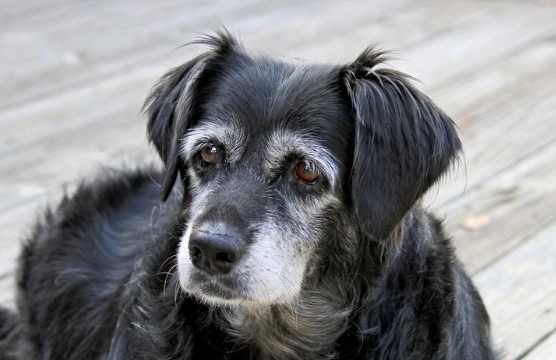
| Behavior | Normal Aging | Possible Dog Dementia Sign |
|---|---|---|
| Sleep Pattern | Sleeping more soundly, maybe a bit earlier. | Reversed cycle: awake & anxious all night, asleep all day. |
| Accidents Indoors | May happen due to weaker bladder muscles. | Goes indoors immediately after coming inside, or seems unaware it's happening. |
| Response to You | Might be slower to hear or get up. | Doesn't recognize you briefly, seems distant or unusually irritable. |
| Activity | Less stamina, enjoys quieter activities. | Aimless pacing or staring at walls for long periods. |
Getting a Diagnosis: The Vet Visit You Need to Have
Okay, you see some red flags. What now? Don't panic, but do act. The first step is a thorough veterinary exam. This is non-negotiable. Why? Because many symptoms of dog senile dementia mimic other, sometimes treatable, conditions.
Your vet will likely want to rule out:
- Arthritis or chronic pain (making them reluctant to move or go outside)
- Urinary tract infection (UTI) or kidney disease (causing accidents)
- Vision or hearing loss (causing disorientation)
- Thyroid problems or other metabolic diseases
There's no single blood test for CCD. Diagnosis is based on ruling out other issues and your detailed history of behavioral changes. Keep a journal or notes on your phone for a week before your appointment. Note the weird stuff: "Tuesday 2 AM, pacing for 45 minutes. Thursday, seemed to not recognize his favorite toy." This concrete info is gold for your vet.
Veterinary neurologists and behaviorists have more formal questionnaires, like the CCDR (Canine Cognitive Dysfunction Rating) scale, which you can often find through resources from the American Veterinary Medical Association. Be prepared for this to be a process of elimination. It's frustrating, but getting the right label is the first step to the right help.
Building a Dementia-Friendly World: Home Care That Actually Works
Once you have a likely diagnosis, the real work—and love—begins. Management is about reducing anxiety, supporting remaining brain function, and preserving quality of life. It's about adapting their world, not forcing them to adapt to ours.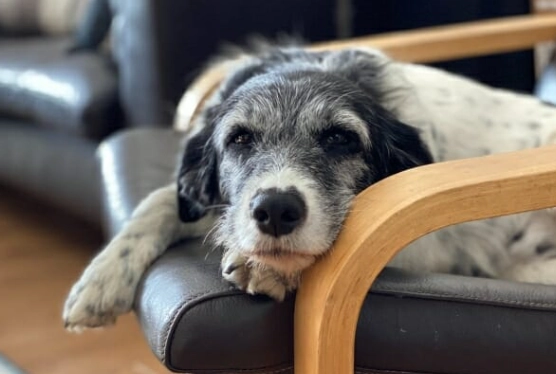
Routine, Routine, Routine
If you remember nothing else, remember this. Predictability is a safety net for a confused brain. Feed, walk, and offer potty breaks at the same times every single day. Use the same route for walks. Keep furniture in the same place. Change is the enemy. This simple strategy reduced Barney's nighttime anxiety more than anything else at the start.
Environmental Modifications for Safety & Comfort
- Safety First: Block off stairs with baby gates. Consider a ramp for furniture they're allowed on. Cover slippery floors with rugs or yoga mats. Confusion increases fall risk.
- Potty Access: If they forget to signal, take them out more frequently. For many, every 3-4 hours is a good start. For severe cases, puppy pads by every exit or an indoor grass patch can preserve dignity and your sanity. It's not a step back; it's a compassionate adaptation.
- Comfort Stations: Create cozy, easy-to-access beds in the main living areas and where they sleep at night. A familiar-smelling blanket can be an anchor.
- Night Lights: Combat sundowning and disorientation with plug-in night lights in hallways and their sleeping area. Darkness amplifies confusion.
My Personal "Aha" Moment: I bought a simple, plug-in wall timer for a lamp in the living room. It turns on 30 minutes before dusk and off at my bedtime. This gentle cue for the evening routine dramatically cut down on Barney's pre-bedtime pacing. Such a small thing, such a big difference.
Mental Stimulation & Exercise: Keep It Gentle & Positive
The goal is engagement, not frustration. Short, gentle walks for sniffing (mental work!) are better than a long, exhausting trek. Food puzzles (like a snuffle mat or a Kong wobbler) encourage natural foraging behavior. Hide treats in a muffin tin covered with tennis balls. The key is to keep sessions very short and end on a success. If they seem frustrated, stop. Forced learning is counterproductive with canine cognitive dysfunction.
The Treatment Toolbox: Diet, Supplements, and Medication
While there's no magic pill, a multi-pronged approach can slow progression and improve symptoms. Think of it as building a support system for the brain.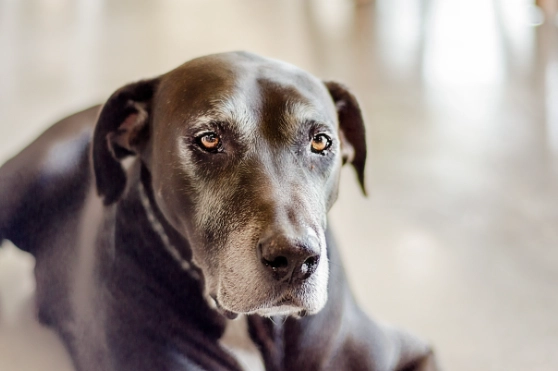
Brain-Boosting Diets
Specific veterinary therapeutic diets are formulated with brain health in mind. They are typically rich in:
- Medium-Chain Triglycerides (MCTs): These provide an alternative energy source for brain cells. Hills Prescription Diet b/d and Purina Pro Plan NeuroCare are two well-researched examples. The science behind them, outlined by institutions like the Cornell University College of Veterinary Medicine, is compelling. It's not just marketing.
- Antioxidants: Vitamins E and C, beta-carotene, and selenium to combat oxidative stress in the aging brain.
Supplements: The Supporting Cast
The supplement aisle is overwhelming. Focus on those with some clinical backing:
| Supplement | Proposed Benefit | My Notes |
|---|---|---|
| Omega-3 Fatty Acids (DHA/EPA) | Supports brain cell structure and reduces inflammation. Found in fish oil. | A baseline supplement for almost any senior dog. Quality matters—look for molecularly distilled. |
| SAM-e (S-adenosylmethionine) | Supports liver function and has mood-stabilizing properties. | Can be pricey. Some vets swear by it for overall geriatric support. |
| Medium-Chain Triglyceride (MCT) Oil | Can be added to food if not using a prescription diet. | Start with a tiny dose to avoid stomach upset. I used coconut oil (rich in MCTs) in small amounts. |
| CBD Oil | Anecdotal reports of reduced anxiety and improved sleep. | The research is still emerging. I tried a reputable brand with Barney. I noticed a slight calming effect, but it wasn't a game-changer for us. Talk to your vet, as it can interact with other meds. |
Prescription Medications
For moderate to severe cases, medication can be a lifeline.
- Selegiline (Anipryl®): This is the only FDA-approved drug for CCD in dogs. It works by increasing dopamine levels in the brain, which can improve awareness and activity. It doesn't work for every dog, and it can take a month to see effects. It was part of Barney's regimen and seemed to give him a bit more "present" time.
- Anti-anxiety meds: Drugs like Trazodone or Gabapentin (often used for pain, but also anxiety) can be incredibly helpful for severe nighttime restlessness or anxiety. This isn't sedation; it's relief from a distressing state of mind. The American College of Veterinary Behaviorists (DACVB) provides resources on the ethical use of such medications.
Let's be real: medicating your dog feels heavy. But I had to reframe it. If my dog had diabetes, I'd give insulin. His brain is unwell, and these tools can ease his suffering. It's medicine, not failure.
The Hard Questions: Late-Stage Care and Quality of Life
This is the part we don't want to think about, but we must. Dog senile dementia is progressive. As it advances, your dog may lose the ability to recognize you, may have trouble eating, walking, or may experience significant anxiety.
Your guiding principle must be quality of life, not quantity. The widely used HHHHHMM Scale (Hurt, Hunger, Hydration, Hygiene, Happiness, Mobility, More good days than bad) is a practical tool. Be brutally honest with yourself. Is your dog still experiencing joy, comfort, and connection? Or is life dominated by fear, confusion, and distress?
Making the decision for humane euthanasia is the ultimate act of love for a pet with advanced dementia. It is not giving up; it is shouldering their burden and releasing them from a confusing prison. Talk to your vet openly about this. They can help you identify the line.
Your Questions, Answered (The Stuff You're Actually Googling)
Final Thoughts: You Are Not Alone
Caring for a dog with dog senile dementia is a marathon, not a sprint. It's emotionally draining. You will grieve the dog they used to be, even as you care for the dog they are now. You will have nights of little sleep and moments of frustration. That's okay. Be kind to yourself.
Celebrate the small victories. The peaceful night. The moment they successfully use the puzzle toy. The tail wag when they hear the food bowl. These are the jewels in the difficult journey.
Your job is not to fix the unfixable, but to be their anchor in the storm of confusion. With patience, adaptation, and the support of a good vet, you can provide a life of comfort, safety, and love until the very end. That is the greatest gift we can give our old friends.
Barney is gone now. The journey was hard, but I have no regrets about the extra steps we took. His confused head tilts and midnight wanders were just part of him in those final years, and caring for him through it deepened our bond in a way I never expected. If you're on this path, my heart is with you. Take it one day, one symptom, one adapted routine at a time.
Related Articles