Can Dogs Eat Raw Eggs? A Vet's Guide to Risks, Benefits & Safe Feeding
In This Guide
- The Short Answer (And Why It's Not That Simple)
- Digging Into the Risks: What Could Go Wrong?
- The Potential Benefits: Why Do People Bother?
- Raw Eggs vs. Cooked Eggs: Let's Settle This
- How to Feed Raw Eggs to Your Dog Safely (If You Choose To)
- Answering Your Burning Questions (FAQs)
- The Final Verdict: To Feed or Not to Feed?
So you're standing in your kitchen, cracking an egg for your own breakfast, and those big, pleading eyes are locked on you. Your dog knows that sound. The question pops into your head, maybe for the hundredth time: can dogs eat raw eggs? It seems so natural, right? Wolves and wild canids would surely snatch eggs from a nest. The internet is a war zone on this topic. Some raw feeding enthusiasts swear by them as a superfood. Other sources scream about salmonella and biotin deficiency. Who's right?
I've been through this debate myself with my own dog, a energetic mixed breed who seems to have a stomach of iron. I've also dug through veterinary journals, talked to pet nutritionists, and sifted through the fear-mongering to get to the facts. Let's cut through the noise. The short, unsatisfying answer is: it's complicated, and it depends. But the real answer—the one that helps you make a safe decision for your specific dog—requires us to look at both sides of the shell.
The Short Answer (And Why It's Not That Simple)
Technically, yes, many dogs can and do eat raw eggs without any immediate issue. You might know someone who's been doing it for years without a problem. But “can” and “should” are different verbs. The American Veterinary Medical Association (AVMA) generally discourages feeding raw animal proteins, including eggs, due to the risk of bacterial pathogens for both pets and people. On the other hand, many holistic veterinarians and raw feeders point to the nutritional integrity of uncooked food.
See? Already a mess. The truth sits in the grey area. For a healthy adult dog with a robust immune system, the risk from an occasional raw egg from a trusted source is probably very low. But for a puppy, a senior dog, a dog with a compromised immune system, or a dog in a household with very young, elderly, or immunocompromised humans, that risk calculation changes dramatically.
It's not a yes/no question. It's a “proceed with caution and full information” situation.
Digging Into the Risks: What Could Go Wrong?
Let's get the scary stuff out of the way first. If you're wondering can dogs eat raw eggs safely, you need to know what you're up against. Ignoring these risks is irresponsible.
Bacterial Contamination: Salmonella & E. Coli
This is the big one, the headline-grabber. Eggshells are porous, and bacteria like *Salmonella* and *E. coli* can be present on the outside (from the hen's environment) and, less commonly, inside the egg itself. The U.S. Food and Drug Administration (FDA) estimates that about 1 in every 20,000 eggs might contain *Salmonella* internally. Not a huge percentage, but if it's your dog that gets the bad one...
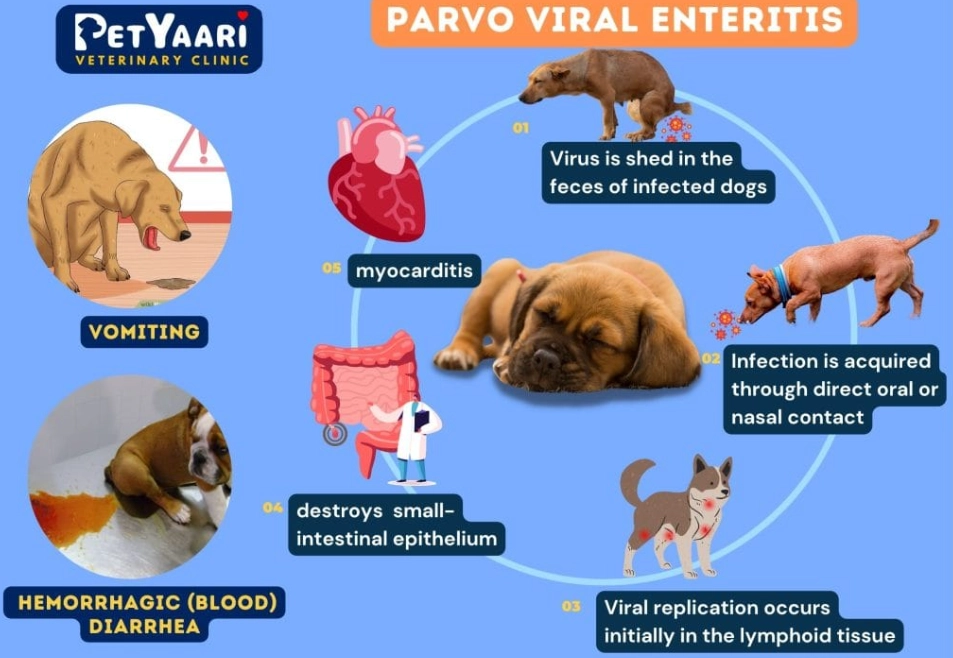
Dogs are more resistant to *Salmonella* than humans, but they are not immune. They can get sick with symptoms like:
- Vomiting and severe diarrhea (sometimes bloody)
- Lethargy and fever
- Loss of appetite
- Dehydration
My personal take? This risk is often overstated for the dog itself but dangerously understated for the human family members. It's a communal risk, not just a pet risk.
Biotin Deficiency (Avidin Interference)
This is the other classic argument against raw eggs. Egg whites contain a protein called avidin, which binds to biotin (a B vitamin) and prevents its absorption. A long-term, high-volume diet of raw egg whites could theoretically lead to a biotin deficiency.
But let's be realistic. For this to happen, you'd likely need to be feeding a lot of raw egg whites very regularly to a dog on an already borderline diet. The egg yolk, thankfully, is incredibly rich in biotin. So when you feed the whole raw egg—white and yolk together—the biotin in the yolk largely counteracts the avidin in the white.
It's a fascinating biochemical tug-of-war that usually ends in a draw. This risk is minimal for dogs eating a balanced commercial diet or a properly formulated raw diet that includes whole eggs (not just whites). It's more of a cautionary note for people who might think feeding only egg whites is a low-fat protein boost (don't do that).
Other Potential Snags
- Allergies: Though not super common, dogs can be allergic to eggs, raw or cooked. Signs include itchy skin, ear infections, or gastrointestinal upset.
- Choking or Injury: A piece of sharp eggshell could potentially cause issues if swallowed in large, jagged chunks.
- Dietary Imbalance: Treats, including eggs, should make up no more than 10% of your dog's daily calories. Overdoing it can unbalance their main diet.
The Potential Benefits: Why Do People Bother?
If the risks are real, why is feeding raw eggs to dogs such a persistent practice? Because when sourced and handled carefully, they can offer some nice nutritional perks. Proponents aren't just making it up.
| Nutrient | Found In | Potential Benefit for Dogs |
|---|---|---|
| Highly Digestible Protein | Egg White & Yolk | Supports muscle maintenance, repair, and overall growth. A complete protein source with all essential amino acids. |
| Fatty Acids | Yolk | Supports skin and coat health, giving that famous “egg shine.” Contains omega-3s if from pasture-raised hens. |
| Vitamins A, D, E, B12, Riboflavin | Yolk | Supports vision, bone health, immune function, and energy metabolism. |
| Minerals: Selenium, Iron, Zinc | Yolk & White | Powerful antioxidant (selenium), supports blood and immune health. |
| Choline | Yolk | Critical for brain and liver function. |
Many owners report a noticeable improvement in their dog's coat softness and shine after adding eggs. The protein is also excellent. The argument from raw feeders is that cooking denatures some of these proteins and nutrients, making them less bioavailable. There's some science to that, though the difference for a family pet might be marginal.
Raw Eggs vs. Cooked Eggs: Let's Settle This
This is the million-dollar question. If you're nervous about the risks of raw, is cooking the answer? Absolutely. Cooking an egg (scrambled, boiled, poached—without salt, butter, or oil) kills any potential pathogens instantly. It neutralizes the avidin in the white, removing the biotin concern entirely.
So why not just always cook them? For the convenience factor, and because some believe in the “raw is more natural” philosophy. But from a purely risk-averse standpoint, cooking is the undisputed champion of safety.
Can dogs eat raw eggs? They can, with risk. Can dogs eat cooked eggs? Yes, almost universally so, with minimal risk. The nutritional trade-off is small enough that for most dog owners, cooking is the smarter, easier choice. The protein is still fantastic, the fats are still healthy, and you sleep better at night.
How to Feed Raw Eggs to Your Dog Safely (If You Choose To)
Okay, you've read the risks and you still want to give it a try. Maybe you have a source for incredibly fresh, local eggs and a healthy dog. Here’s how to minimize the dangers as much as humanly possible. Think of this as a safety protocol.
- Source Matters Most. This is non-negotiable. Buy eggs from a local farmer you trust, a farmers market, or opt for pasteurized shell eggs from the grocery store. Pasteurization gently heats the egg to kill bacteria without cooking it. Commercial, mass-produced eggs from crowded facilities have a higher risk profile.
- Wash the Shell. Right before cracking, wash the eggshell with warm water and a little soap. Rinse thoroughly. This reduces surface bacteria from contaminating the inside when you crack it.
- Feed the Whole Egg. Always give both the white and the yolk together to balance the avidin/biotin issue.
- Consider Crushing the Shell. Eggshells are a great source of calcium. You can wash them, dry them thoroughly, grind them into a fine powder in a clean coffee grinder, and sprinkle a little on the food. Don't give large sharp pieces.
- Portion Control is Key. Eggs are a treat, not a meal replacement.
- Hygiene, Hygiene, Hygiene. Wash your hands, utensils, and bowls with hot, soapy water immediately after handling raw eggs. Clean up any drips on the counter. Don't let your dog lick your face right after they've eaten one.
- Know Your Dog. Puppies, seniors, dogs with cancer, on chemotherapy, or with known immune issues should not get raw eggs. Stick to cooked.
Answering Your Burning Questions (FAQs)
Let's tackle the specific things people type into Google. This is where we cover those competitor content gaps.
Can dogs eat raw egg yolk alone?
Yes, and it's actually the safest part of the raw egg to feed. The yolk contains most of the nutrients and fats and doesn't have the avidin. The bacterial risk is also lower inside the yolk than on the shell or white. If you're super cautious but want some raw benefits, just the yolk is a decent compromise.
Can dogs eat raw eggs every day?
I wouldn't recommend it. Even ignoring the bacterial risk, you risk creating a dietary imbalance. Variety is important. Think of eggs as a supplement, not a staple. Every other day or a few times a week is a more common frequency among those who feed them raw.
My dog ate a raw egg I dropped on the floor. What do I do?
Don't panic. One single egg is very unlikely to cause illness in a healthy dog. Just monitor for any signs of vomiting, diarrhea, or lethargy over the next 1-3 days. Ensure everyone in the house practices good hygiene. The risk is low for a one-off event, but it's a good reminder to be more careful next time.
Are raw eggs good for dogs with upset stomachs?
No, this is a bad idea. When a dog has gastroenteritis, their gut is irritated and vulnerable. Introducing a potential bacterial source is the last thing you want. The old wives' tale of feeding raw egg for an upset stomach is dangerous. Stick to bland, cooked food like boiled chicken and rice, or consult your vet.
Can puppies eat raw eggs?
Most veterinarians would give a hard no on this. Puppies' immune systems are still developing, making them more susceptible to pathogens like Salmonella. The consequences of an infection can be more severe. The potential benefit is not worth the risk. If you want to give your puppy eggs, cook them thoroughly.
The Final Verdict: To Feed or Not to Feed?
After all this, where do I land? I'm not a absolutist. I think the practice of feeding raw eggs to dogs can be done relatively safely by informed, careful owners with healthy adult dogs and high-quality eggs. But—and it's a big but—it requires effort. You have to source well, handle meticulously, and be constantly aware of the zoonotic risk to your family.
For probably 80% of dog owners, the path of least resistance and greatest safety is simply to cook the egg. You get 95% of the nutritional benefit with 0.01% of the risk. It's a no-brainer for households with kids, elderly relatives, or anyone with health issues.
If you're deeply invested in a raw diet for your dog and have done all your research, incorporating whole raw eggs from a stellar source can be a part of that. But do it with your eyes wide open.
So, can dogs eat raw eggs? The answer lies with you, your dog's health, your household, and how much homework you're willing to do. There's no universal right answer, only the right, informed choice for your situation.
Maybe start with a cooked one. See how that goes. The tail wags will be just as enthusiastic, I promise.
Related Articles