Macaw Bird Guide: Species, Care, Lifespan & Ownership Facts
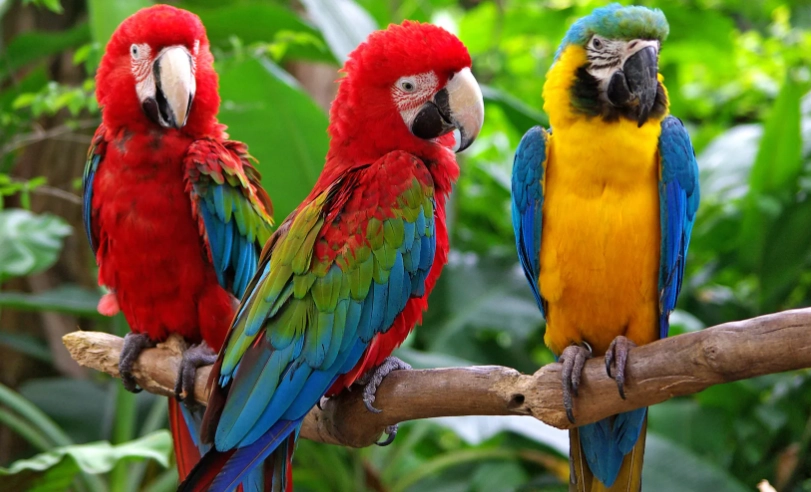
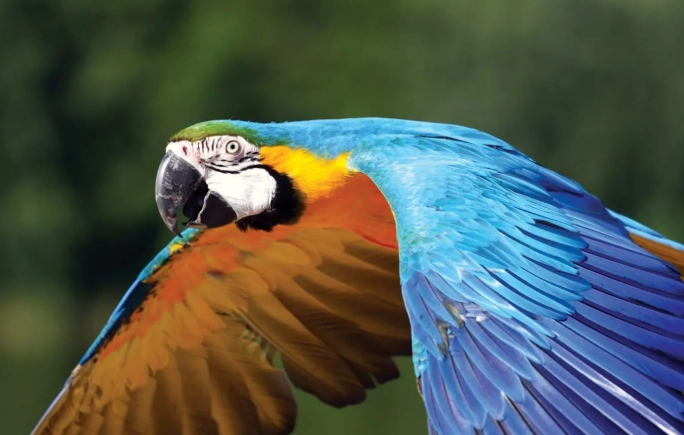
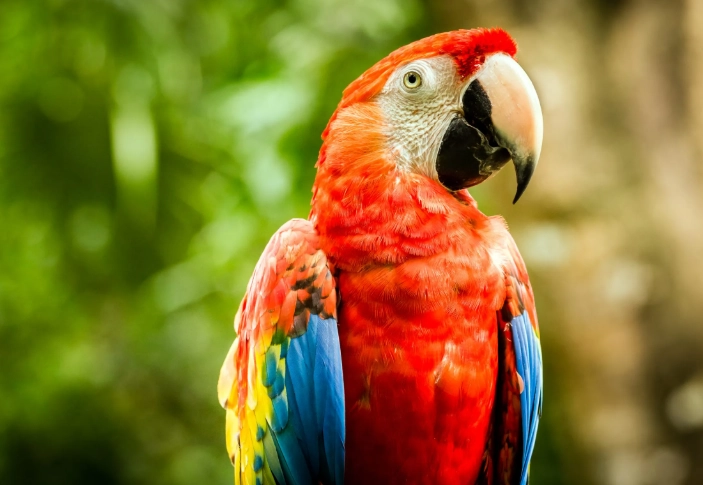
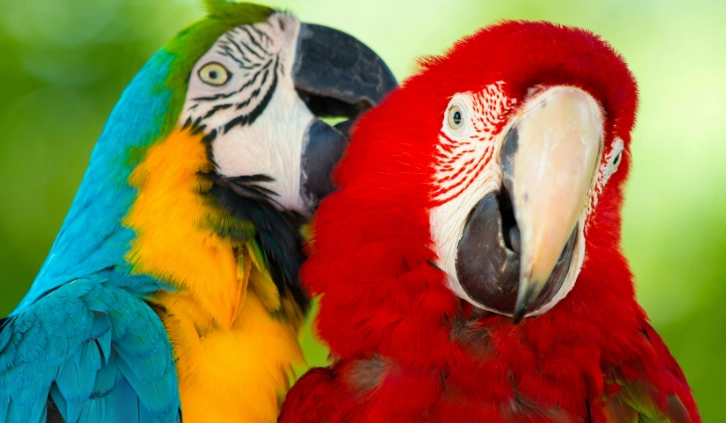
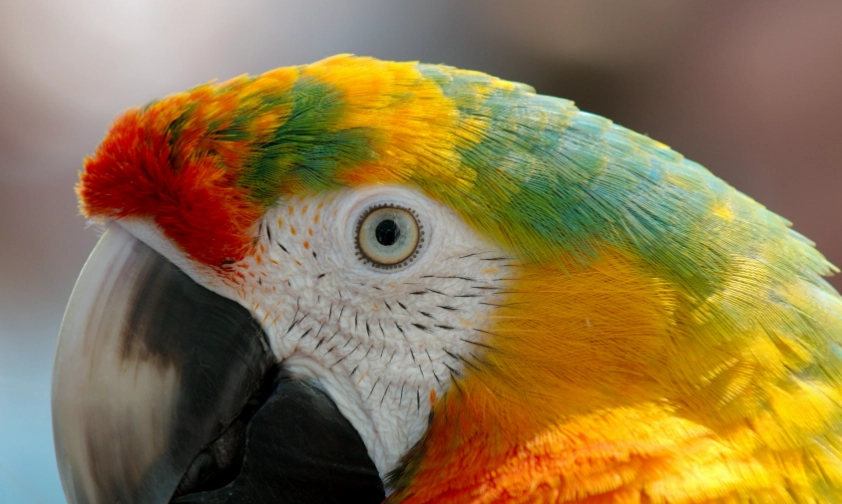
Let's cut to the chase. The image of a brilliantly colored, majestic macaw perched on a pirate's shoulder is iconic. It's what draws countless people to the idea of owning one. I get it, completely. That vibrant blue and gold, that intelligent gleam in their eye – it's captivating. But here's the thing they don't show in the movies: the reality of sharing your life with a creature that's essentially a feathered toddler with bolt cutters for a beak, a voice that can penetrate walls, and the emotional complexity of a preschooler. This isn't meant to scare you off. It's meant to be real. I've been around large parrots for years, and macaws hold a special, if sometimes challenging, place. This guide is for anyone who's typed "macaw bird" into Google, dreaming of that colorful companion. We're going to go deep, beyond the pretty pictures. We'll talk species, care, the deafening screams (yes, screams), the incredible bonds, the heartbreak, and the sheer, messy, wonderful commitment it all entails. Macaws are large, long-tailed parrots native to Central and South America. They're part of the Psittacidae family, which includes all true parrots. But macaws are the showboats, the jumbo jets of the parrot world. They're instantly recognizable by their large size, powerful hooked beaks designed for cracking the hardest nuts, and that stunning, almost unreal plumage. Their facial patch of bare skin, often lined with tiny feathers, is a unique feature that helps express their mood – you learn to read it. They're not just pretty faces. Macaws are profoundly intelligent. We're talking problem-solving, tool-using (I've seen one figure out a three-step latch to get to a treat), and emotional intelligence that can rival a dog's. They form incredibly strong, lifelong pair bonds in the wild, and in captivity, they transfer that need for connection to their human flock. This is where people get into trouble. You're not just getting a pet; you're getting a demanding, emotionally needy family member for the next 50+ years. Not all macaws are the same. Choosing the right species is your first and most crucial decision. Personality, noise level, size, and even availability vary wildly. Let's break down the ones you're most likely to encounter. See a species you like? Hold that thought. The looks are just the beginning. This is the million-dollar question. The answer is: for the right person, absolutely. For the wrong person, it's a disaster for both human and bird. Let's lay out the pros and cons without any sugar-coating. When you bond with a macaw, it's unlike any other pet relationship. They are hilarious, intentional clowns. One of mine used to deliberately drop his toy, say "uh oh," wait for me to pick it up, and then immediately drop it again with a mischievous glint in his eye. They are incredibly affectionate on their terms – a head scratch from a trusting macaw is a precious thing. Their intelligence means you can teach them tricks, words, and they genuinely engage with you. They're a lifetime companion, witnessing decades of your life. Destruction. Their beaks are tools for breaking open iron-hard nuts. Your door frame, window sill, baseboard, and expensive remote control are just puzzles to be solved and destroyed. You must provide a constant, rotating supply of destructible toys (which are not cheap) or they will choose their own targets. Time and Attention. A macaw left alone in a cage for 8-10 hours a day while you work will become neurotic, depressed, and self-destructive. We're talking feather-plucking, screaming, and aggression. They need several hours of out-of-cage, interactive time daily. Every. Single. Day. For decades. Cost. The initial purchase or adoption fee is just the entry ticket. You need a massive, stainless steel cage ($1000+). High-quality pellets, fresh veggies, and nuts ($50-100/month). Annual vet checkups with an avian specialist (not a regular vet) which are costly. Toys you'll be replacing constantly. It adds up fast. The Bite. Even the sweetest macaw can bite, and it's not a nip. It can cause severe injury, requiring stitches. It's often a communication of fear, frustration, or overstimulation, not malice, but the result is the same. Okay, you're still reading. Good. Let's assume you're serious and talk about the nitty-gritty of care. Getting this wrong is not an option. The cage is their safe space, not a prison. For a large macaw like a Blue and Gold, the absolute minimum should be about 36"W x 48"D x 60"H. Bigger is always, always better. The bar spacing is critical – too wide, and they can get their head stuck. For most large macaws, 1 inch to 1.5 inch spacing is safe. It must be made of powder-coated or stainless steel. Cheap cages with weak welds and toxic galvanized coatings are dangerous. You'll also need multiple perches of varying diameters and textures (dragonwood, manzanita, rope) to keep their feet healthy. Placement matters. A corner with two walls can feel secure. Never in a kitchen (fumes, teflon poisoning risk) or a drafty area. The old image of a macaw eating only sunflower seeds is a death sentence. That diet leads to fatty liver disease and early death. A proper macaw diet is complex: Avocado, chocolate, caffeine, alcohol, and onions are toxic. Period. A bored macaw is a destructive, screaming, plucking macaw. Enrichment is non-negotiable. Macaws hide illness well (a prey animal instinct). By the time they look sick, they're often very sick. Knowing the signs is crucial. The takeaway? You need a relationship with an avian veterinarian. Not an exotics vet who "sees birds," but a board-certified avian specialist. Find one before you get the bird. The Association of Avian Veterinarians (aav.org) has a search tool. This is the big one. With proper care, 40 to 60 years is common, and many live into their 70s or even 80s. Getting a macaw is a commitment that will likely outlive your car, your job, and possibly your current relationship. You need a plan for their care in your will. Yes, many can, but they're not the chatterboxes African Greys are. They tend to have loud, gravelly voices and learn fewer words. They're better at sounds: doorbells, phones, laughter, coughing. Their real communication is through body language. Some can be, on their terms. But they are not like dogs. They often prefer head and neck scratches over full-body cuddles, which can be sexually stimulating and lead to behavioral problems. Affection must be on the bird's terms to avoid creating a hormonally frustrated, aggressive bird. This is a passionate topic. Pet stores often source from dubious mills and provide zero aftercare support. A reputable breeder who hand-feeds and socializes chicks, does health testing, and will take the bird back at any point in its life is a good option, but expensive. My personal bias? Rescue or adopt. There are heartbreaking numbers of macaws in rescues because people weren't prepared. Organizations like the World Parrot Trust (parrots.org) advocate for parrots globally and can connect you with reputable sanctuaries. Adopting an older bird comes with challenges (potential baggage, established behaviors), but it's incredibly rewarding to give a second chance. You also skip the chaotic baby phase. From a breeder: $1000 to $5000+ for a Hyacinth. Adoption fees from a rescue: $300 to $800. Then add $1500+ for the proper setup (cage, play stand, initial toys/food). Annual costs (food, toys, vet fund): $1000-$2000 minimum. It feels wrong to talk about keeping these birds without acknowledging their plight in the wild. Many macaw species are threatened due to habitat loss (deforestation for agriculture) and the illegal pet trade. The Spix's macaw is extinct in the wild. The Glaucous and Lear's macaws are critically endangered. Owning a macaw comes with a responsibility to their species. Supporting conservation efforts is part of that. The International Union for Conservation of Nature (IUCN) Red List (iucnredlist.org) tracks their status, and groups like the World Parrot Trust work on-ground to protect habitats and support community-based conservation. If you choose to get a macaw, commit to being an ambassador for their wild cousins. Educate people. Support ethical breeding and never, ever support the capture of wild birds. Look, after all this, if you're feeling overwhelmed, that's a healthy sign. It means you're taking it seriously. The worst macaw owners are the ones who impulse-buy without a thought. Spend time with macaws before you decide. Volunteer at a local rescue or sanctuary. Offer to bird-sit for an owner. Listen to their calls in person. Feel the strength of their beak (on a toy, hopefully). A macaw bird is not a decoration. It's a loud, messy, expensive, destructive, hilarious, affectionate, long-lived, and deeply intelligent life force. If you can provide the space, time, money, patience, and unwavering commitment, the reward is a bond that is truly singular. You'll have a companion that makes you laugh every day, that greets you with genuine excitement, and that will be a part of your story for most of your life. But if you have doubts about any part of it – especially the noise, the time, or the five-decade commitment – please, listen to them. There are many wonderful, smaller, less demanding parrot species that might be a better fit. The goal is a happy human and a thriving bird. Nothing less.In This Guide
What Exactly Is a Macaw Bird, Anyway?
The Macaw Bird Lineup: A Guide to the Most Common Species
Species (Common Name)
Scientific Name
Average Length
Conservation Status (IUCN)
Key Personality & Care Notes
Blue and Gold Macaw
Ara ararauna
30-34 inches
Least Concern
The "classic" macaw. Often considered the most even-tempered and clownish. Great for first-time large macaw owners (with research!). Still very loud and demanding.
Scarlet Macaw
Ara macao
32-36 inches
Least Concern
Stunning red, yellow, and blue. Can be more high-strung and nippier than Blue and Golds. Incredibly beautiful but often requires an experienced handler.
Green-winged Macaw
Ara chloropterus
35-37 inches
Least Concern
Often confused with the Scarlet but larger with green on the wings. Known as the "gentle giant." Tends to be more mellow and less screechy, but their size is intimidating.
Hyacinth Macaw
Anodorhynchus hyacinthinus
39-40 inches
Vulnerable
The largest of all parrots. Cobalt blue with yellow eye rings. Requires immense space, specialized diet (heavy on palm nuts), and is extremely expensive to purchase and maintain. Not for novices.
Military Macaw
Ara militaris
27-33 inches
Vulnerable
Mostly green with red forehead. Intelligent and can be very affectionate, but also known for being stubborn and loud. A strong-willed bird.
Severe Macaw (Chestnut-fronted)
Ara severus
18-20 inches
Least Concern
A "mini-macaw." Has all the macaw attitude in a smaller, slightly more manageable package. Still very loud and prone to behavioral issues if bored. A popular choice for those with less space.
Is a Macaw Bird Really a Good Pet? The Unvarnished Truth
The Good Stuff (The Pros)
The Hard Reality (The Cons)
Macaw Bird Care 101: What They Actually Need to Thrive
Housing: Your Macaw's Fortress
Diet: More Than Just Seeds
Enrichment and Socialization: The Key to a Sane Bird
Common Macaw Health Issues: What to Watch For
Frequently Asked Questions About Macaw Birds
How long do macaw parrots live?
Can macaw birds talk?
Are macaws cuddly?
What's the best way to get a macaw? Breeder, pet store, or rescue?
What does a macaw bird cost?
The Bigger Picture: Macaw Birds in the Wild
Final Thoughts: Is This Journey Right for You?