Quick Guide to This Article
Let's talk about FIP. If you're here, chances are you're worried. Maybe your cat isn't acting right, the vet mentioned those three scary letters, or you're just trying to be prepared. I get it. A few years back, my cat Leo went from a playful kitten to a listless little guy who wouldn't eat. The vet initially thought it was a simple bug. It wasn't. It was FIP, and the journey that followed was a crash course in panic, research, and ultimately, hope.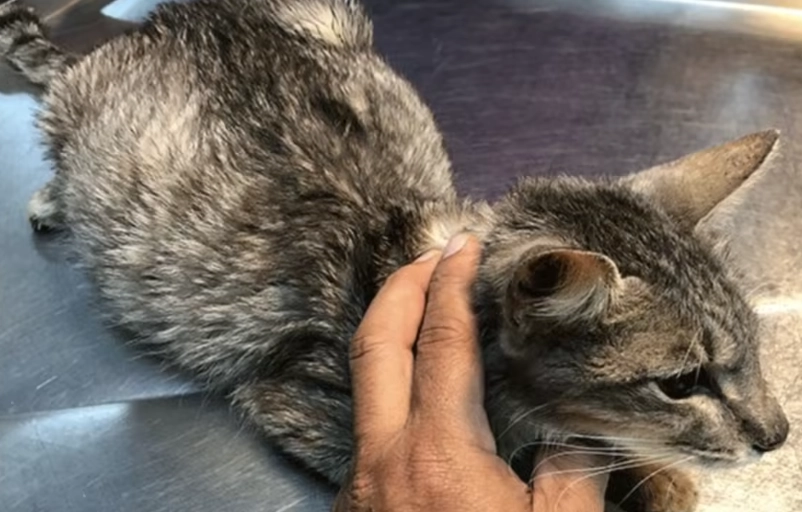
Feline Infectious Peritonitis, or FIP, is one of the most frustrating and heartbreaking diagnoses a cat owner can face. It's complex, it's often misunderstood, and for a long time, it was considered a death sentence. But things are changing, and fast. This guide isn't just a dry medical summary. It's the collection of everything I learned—through late-night research, conversations with specialists, and firsthand experience—compiled to help you understand what you're dealing with.
The fear of the unknown is often worse than the reality. Let's replace that fear with knowledge.
What Exactly Is FIP, Anyway?
At its core, FIP is a viral disease caused by a mutation of a very common virus: the feline coronavirus (FCoV). Here's the tricky part—almost every cat in a multi-cat environment (shelters, catteries, multi-pet homes) gets exposed to the feline coronavirus. For most, it causes mild, if any, diarrhea and then their immune system handles it. The cat lives a perfectly normal life.
The problem starts when the virus, inside that specific cat, mutates. This mutated virus, now called the FIP virus, can invade white blood cells and travel throughout the body, causing widespread and severe inflammation. That's where the "peritonitis" comes from—inflammation of the lining of the abdominal cavity, though it can affect many organs.
Key Point: FIP is not directly contagious from cat to cat. The common feline coronavirus is, but the specific mutated form that causes FIP develops individually inside a cat. You don't need to quarantine a cat with FIP from your other cats for fear of spreading FIP itself, though general coronavirus hygiene is wise.
Why does this mutation happen in some cats and not others? It's a combination of factors: the cat's own genetics and immune response, the strain of the initial coronavirus, stress, and age. Young cats (under 2 years old), senior cats, and cats with already compromised immune systems (like those with FeLV) are at higher risk. Purebred cats, sadly, also seem to have a genetic predisposition.
Spotting the Signs: Wet FIP vs. Dry FIP
FIP is a master of disguise. Its symptoms can look like so many other things. But there are patterns. Traditionally, it's categorized into two forms, though many cats show a mix.
The "Wet" or Effusive Form
This is the more classically recognized form. The mutated virus causes severe inflammation of blood vessels (vasculitis), leading to a leaky, protein-rich fluid building up in body cavities.
- A swollen, pear-shaped abdomen is the most telltale sign. It's not fat; it's fluid. It can develop surprisingly quickly.
- Fluid can also accumulate in the chest, making breathing labored, rapid, or shallow. This is a true emergency.
- Lethargy that's profound. Your cat just checks out.
- Persistent, waxing-and-waning fever that doesn't respond well to antibiotics.
- Loss of appetite, sometimes leading to severe weight loss despite the swollen belly.
The "Dry" or Non-Effusive Form
This one is sneakier, harder to diagnose. There's no significant fluid buildup. Instead, the inflammation creates pyogranulomas—little nodules of infection and inflammation—in various organs.
- Neurological signs: Wobbly walking (ataxia), seizures, nystagmus (darting eyes), behavior changes, paralysis.
- Eye problems: Inflammation in the eye (uveitis), visible blood or discoloration in the eye.
- Chronic weight loss and poor coat condition.
- Enlarged lymph nodes.
- Kidney or liver disease symptoms (increased drinking/urinating, jaundice).
Red Flag: If your cat has a persistent fever (over 103.5°F or 39.7°C) that antibiotics don't touch, combined with any of the symptoms above, FIP needs to be on your vet's radar. Insist on it. I learned this the hard way when Leo's first fever was dismissed.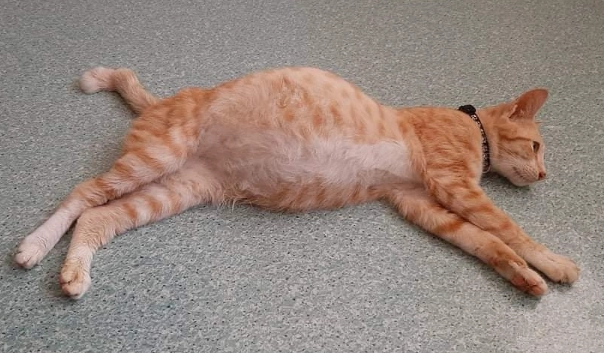
To make it clearer, here’s a quick comparison:
| Feature |
Wet (Effusive) FIP |
Dry (Non-Effusive) FIP |
| Primary Characteristic |
Fluid accumulation in abdomen/chest |
Granulomas in organs (brain, eyes, kidneys, etc.) |
| Onset |
Often more rapid, dramatic |
More insidious, chronic |
| Key Symptoms |
Swollen belly, labored breathing, fever |
Neurological issues, eye inflammation, weight loss |
| Diagnosis (generally) |
Easier (fluid analysis is very telling) |
Much more challenging, often a process of elimination |
The Diagnostic Maze: How Vets Figure Out If It's FIP
This is where frustration peaks. There is no single, simple, definitive in-clinic test for FIP. Anyone who tells you otherwise is oversimplifying. Diagnosis is a puzzle, and the vet puts the pieces together. Here's what that looks like.
First, they'll start with the basics: a thorough physical exam and history. That swollen belly? They'll feel it. They'll listen to the chest. They'll check the eyes with an ophthalmoscope. Your observations at home are crucial data points here.
Then comes blood work. Typical findings that raise the suspicion of FIP include:
- High Total Protein/Globulin: The inflammatory response drives globulin levels way up.
- Low Albumin:Globulin (A:G) Ratio: This is a big one. A ratio below 0.6 is highly suggestive, and below 0.4 is strongly indicative. Leo's was 0.3.
- Non-regenerative anemia (the bone marrow isn't responding).
- Elevated liver enzymes.
If there's fluid, the vet will do an abdominocentesis (tap the belly) or thoracocentesis (tap the chest). The fluid from a cat with FIP is typically sticky, straw-colored, and has a very high protein content. Under the microscope, it's not septic (full of bacteria) – it's a "sterile" exudate. This fluid analysis is one of the most valuable pieces of evidence for wet FIP.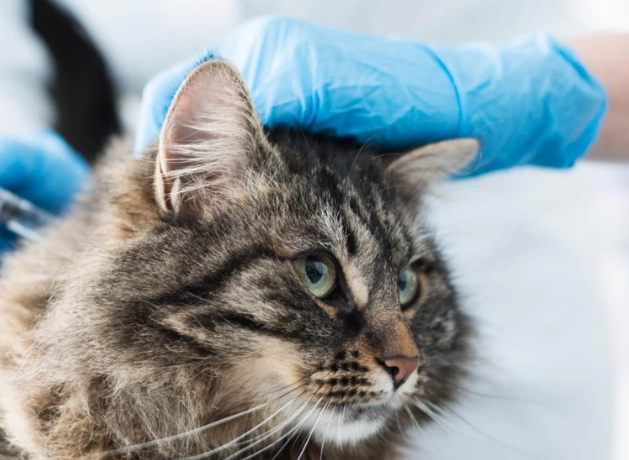
For dry FIP, it gets trickier. Imaging like ultrasound might show enlarged lymph nodes or changes in organ texture. An MRI might be needed for neurological cases. Sometimes, the only way to be sure is a biopsy of an affected organ (like a lymph node or kidney), but this is invasive.
The PCR Test Talk: You might hear about PCR tests that look for the viral RNA. A positive PCR on blood has limited value (just means coronavirus is present). A positive PCR on the effusive fluid or a tissue biopsy is much more meaningful. The University of Illinois Veterinary Diagnostic Lab offers a respected panel (the FIP Profile) that combines several tests, including a mutation-specific PCR, which is very helpful. Relying on information from such authoritative diagnostic labs is critical.
Let's be honest: the process can feel slow and expensive. And sometimes, vets have to make a "clinical diagnosis" based on a high index of suspicion from all the clues—the signalment (young cat), the fever, the blood work, the fluid—even without a gold-standard biopsy. It's not perfect, but it's often how treatment has to start.
Waiting for a diagnosis feels like torture. But understanding the "why" behind the wait can make it a tiny bit easier to bear.
The Treatment Revolution: From Hopeless to Treatable
This is the most important part of this entire guide. FIP is no longer universally fatal. For decades, treatment was just supportive care—steroids to reduce inflammation, draining fluid to help breathing—and it only delayed the inevitable. The survival rate was effectively zero.
That changed with the discovery of antiviral drugs that target the virus's ability to replicate. The game-changer has been drugs like GS-441524 (a nucleoside analog) and its prodrug, Remdesivir (which you might have heard of from COVID-19).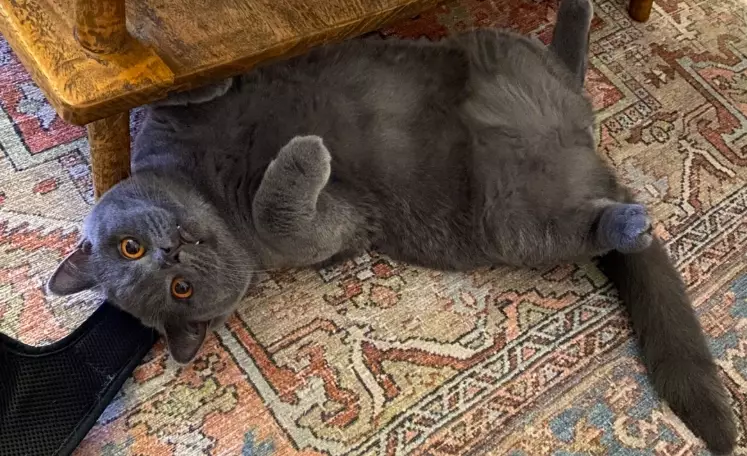
The Current Treatment Landscape
Treatment is intensive, long, and can be expensive, but it offers a real chance at a cure. Here’s the breakdown:
- GS-441524: This is the primary drug used in most successful treatment protocols. It's typically given as a daily subcutaneous injection for a minimum of 84 days (12 weeks). Yes, you read that right. Daily injections for three months. It's a commitment. The dosage is weight-based and adjusted based on the form of FIP (neurological/ocular cases need higher doses).
- Remdesivir: Often used as an initial "loading dose," especially in critical cases, because it achieves high blood levels quickly. It's given by injection (often IV or subcutaneous) for the first few days, sometimes transitioning to GS-441524 for the long course.
- Supportive Care: This remains vital. Appetite stimulants, anti-nausea meds, IV fluids for dehydration, and sometimes blood transfusions for severe anemia. Keeping the cat eating is half the battle.
Giving Leo daily injections was terrifying at first. He hated it, I hated it. But within a week, the spark came back to his eyes. The fever broke. He started nibbling food. Watching that transformation made every single needle stick worth it. The drug works, often shockingly fast.
Now, the big, messy reality: In many countries, including the US and UK, GS-441524 is not officially approved by veterinary regulatory bodies (like the FDA). This means your regular vet may not be able to prescribe it directly. Owners often source it through networks connected to the SOCK FIP community or other advocacy groups. This puts owners in a difficult position, navigating treatment outside the traditional veterinary channel. It's crucial to work with a vet who is at least monitoring your cat's blood work and clinical signs throughout this process.
Cost is a major barrier. A full 84-day course can run into thousands of dollars. Some people fundraise, use care credit, or make immense financial sacrifices. It's an unfair burden, but it's the current reality for most.
Commonly Used Supportive Medications During FIP Treatment
| Medication Type |
Purpose |
Examples |
| Appetite Stimulant |
To encourage eating, which is critical for recovery |
Mirtazapine, Capromorelin (Elura) |
| Anti-nausea |
To prevent vomiting and allow food to stay down |
Ondansetron, Maropitant (Cerenia) |
| Liver Support |
To protect the liver, which can be stressed by the disease and treatment |
Denamarin (SAMe + Silybin), Ursodiol |
| Pain/Inflammation |
Used cautiously, as steroids can interfere with antiviral action |
Prednisolone (low dose, only if advised by treating vet) |
Living With and Preventing FIP
If you're going through treatment, your life revolves around the schedule. Injection time, pill time, weighing your cat weekly, logging their temperature, and monitoring every little behavior. You become a hyper-observant nurse. It's exhausting, but the community of other FIP warriors online is an incredible source of support and practical tips (like where to give the injection to minimize pain).
Can you prevent FIP? Not entirely, because it's a mutation event. But you can reduce risk factors:
- Reduce Stress: This is huge. Stress can trigger the mutation in a coronavirus-positive cat. Use Feliway diffusers, provide vertical space, maintain routines.
- Limit Coronavirus Exposure: In multi-cat environments, keep litter boxes immaculately clean (coronavirus spreads through feces). Have one more litter box than the number of cats.
- Be Mindful of Breeding: If you have a purebred cat, talk to your breeder about the incidence of FIP in their lines. Responsible breeders are aware of this risk.
Post-Treatment: After the 84-day treatment, there's an "observation period" of another 84 days. Regular blood work is done to ensure the cat remains healthy and blood values normalize. A cat that clears this period is considered cured. Leo is now three years post-treatment and is a perfectly healthy, mischievous cat. Relapses can happen, but they are less common with proper dosing and duration.
Your Burning Questions About FIP, Answered
I'm going to guess what you're probably Googling right now.
Is FIP contagious to other cats or to humans?
No to both. The mutated FIP virus itself is not contagious. The common feline coronavirus that can mutate is contagious between cats, but most cats already have it. FIP is not a zoonotic disease; humans cannot get it.
What is the life expectancy of a cat with FIP if untreated?
It's brutal, but honesty is necessary. Without modern antiviral treatment, wet FIP typically leads to euthanasia within days to weeks due to fluid buildup and organ failure. Dry FIP may progress more slowly, over several weeks to months, but the outcome was historically always fatal. This is why the new treatments are so revolutionary.
Are some cat breeds more prone to FIP?
Unfortunately, yes. Breeds like Abyssinians, Bengals, Birmans, Himalayans, Ragdolls, and Devon Rexes appear to have a higher genetic susceptibility. This doesn't mean every cat of these breeds will get FIP, but the incidence is statistically higher.
Can a vaccinated cat still get FIP?
There is an intranasal FIP vaccine (Primucell). Its efficacy is widely debated in the veterinary community. The general consensus, reflected by organizations like the American Association of Feline Practitioners (AAFP) in their vaccination guidelines, is that it is not consistently effective enough for core recommendation. It's not considered a reliable shield against the disease.
My cat tested positive for feline coronavirus. Does this mean they will get FIP?
Absolutely not. The vast majority of coronavirus-positive cats never develop FIP. A positive test just means they've been exposed. Panicking over a positive coronavirus titer alone is unnecessary. It's the clinical signs (fever, fluid, neurological issues) combined with supportive blood work that points toward FIP.
The landscape of FIP is changing while you read this. Research continues, and awareness is growing.
Wrapping This Up: A Dose of Reality and Hope
Dealing with FIP is a marathon, not a sprint. It's emotionally draining, financially taxing, and logistically challenging. The diagnostic process is frustrating. The treatment path is non-traditional and requires grit from both you and your cat.
But here's the takeaway I want you to have: Hopelessness is no longer the default. A diagnosis of FIP is not an immediate death sentence. There is a path forward that has led to thousands of documented cures. The science is there. The community is there. The success stories are there.
Arm yourself with the information here. Print it out. Bring it to your vet. Ask the hard questions. Connect with the online support groups (they are lifesavers). If you choose to pursue treatment, know what you're in for—the daily routine, the cost, the emotional rollercoaster—but also know the potential reward: getting your cat back.
Leo is sleeping on my desk as I finish writing this, paw twitching as he dreams of chasing flies. For a cat who was once given weeks to live, that's a miracle I don't take for granted. If you're at the start of this scary road, I hope this guide gives you a map, a flashlight, and a bit of courage. You've got this.