Ultimate Guide to Pain Meds for Cats: What's Safe & What's Not
Let's be honest. Seeing your cat in pain is one of the worst feelings as a pet owner. You want to help, you reach for something, but then the panic sets in. Can I give him this? Is that safe? I remember frantically searching online when my old cat, Whiskers, was struggling with arthritis. The information was a mess—conflicting, scary, and full of medical jargon. It's why I'm writing this. Not as a vet, but as someone who's been in the trenches, trying to navigate the confusing world of pain meds for cats. Cats are masters of disguise when it comes to pain. It's a survival thing. In the wild, showing weakness makes you a target. So they hide it, often until it's really bad. By the time they're limping or crying out, they've probably been uncomfortable for a while. That's the first thing to get straight. Your job isn't just about finding pain relief for cats; it's about learning to see the silent signs first. The Bottom Line Up Front: Never, ever give your cat human medication like Tylenol (acetaminophen), Advil (ibuprofen), or aspirin without explicit direction from your vet. These can be rapidly fatal. The right cat pain medication is always prescribed by a veterinarian after a proper diagnosis. It's not just for big, obvious things like surgery or a broken leg. Chronic conditions creep up. Think arthritis, especially in seniors. Dental disease—incredibly painful and surprisingly common. Urinary issues like cystitis. Even something as simple as a bad claw or an abscess from a fight. Pain isn't just about suffering; it slows healing, depresses the immune system, and ruins quality of life. Managing pain is a core part of responsible care, not an optional extra. And here's a personal gripe: the "let them tough it out" mentality is outdated and cruel. We wouldn't do it to ourselves. We shouldn't do it to them. This is the most critical section. The number of well-meaning owners who accidentally poison their cats is heartbreaking. Let's break down why the stuff in your bathroom cabinet is a one-way ticket to the emergency vet. See the pattern? A cat's metabolism is not a tiny human's. It's completely different. Giving human pain meds for cats is playing Russian roulette. RED ALACT: If you suspect your cat has ingested any human pain medication, consider it a life-threatening emergency. Call your vet or the ASPCA Animal Poison Control Center immediately. Do not wait for symptoms. Now for the solutions. These are medications formulated and dosed specifically for feline physiology. They require a prescription because they require a diagnosis. You can't just guess. These are the most common class for managing pain and inflammation. The key is they are veterinary-specific. The catch with all NSAIDs? Kidneys. Cats are prone to kidney disease, and NSAIDs can reduce blood flow to the kidneys. Your vet must do bloodwork before starting any long-term NSAID to ensure kidney function is healthy. They'll also tell you to watch for vomiting, diarrhea, loss of appetite, or changes in drinking/peeing. NSAIDs aren't the only tool. For different types of pain, vets have other options. When my vet suggested gabapentin for Whiskers' arthritis stiffness combined with his NSAID, I was skeptical. But the combo worked better than either alone. He started jumping onto his favorite window sill again, which he'd given up on. It wasn't a miracle, but it was a clear improvement in his daily life. They won't tell you. You have to become a detective. Look for changes, not just obvious cries. Subtle Signs of Pain in Cats: The Feline Grimace Scale is an excellent, scientifically validated tool used by vets and owners. It uses pictures to help you score pain based on ear position, orbital tightening, muzzle tension, whisker change, and head position. It's worth looking up. This is a minefield of hype and hope. Let's be realistic. Supplements (Nutraceuticals): These aren't pain meds, but they can support joint health and have mild anti-inflammatory effects. They work slowly, over weeks. CBD Oil: The elephant in the room. Research in cats is in its infancy. Anecdotal reports suggest it may help with anxiety and inflammation. However, there is no standard dosing, quality control is a huge issue, and it can interact with other medications. The FDA has issued warnings about potential risks in animals, including liver toxicity. If you consider it, you must talk to your vet first. It is not a regulated or proven cat pain medication. My Take on Supplements: They're a good supportive layer, like a foundation. But if your house is on fire (acute pain), you don't paint the foundation—you call the fire department (see your vet). Use them alongside, not instead of, proper medical care. This isn't a DIY project. Here's how it should go. Navigating pain meds for cats feels overwhelming, but it boils down to a few core principles. First, become an expert observer of your cat. You know them best. Note the small changes. Second, partner with your veterinarian. They have the medical expertise you don't. Let them diagnose and prescribe. Ask questions until you understand the plan. Third, banish the idea of human medication shortcuts. The risk is catastrophic. Finally, think of pain management as a toolbox, not a single pill. The right cat pain medication is the primary tool, but supplements, weight control, and home modifications are the others that make it all work better. Seeing Whiskers get some of his spark back with proper management was worth every vet visit, every pill struggle, every bit of research. It's not about making them live forever; it's about making the time they have comfortable and full of purrs, not pain. Start the conversation with your vet. It's the most important step.What You'll Find
Why Do Cats Even Need Pain Meds?
The Big Danger Zone: Human Meds vs. Cat Meds
Human Medication
Why It's Toxic to Cats
Potential Consequences
Acetaminophen (Tylenol)
Cats lack the specific liver enzyme to process it safely. It destroys their red blood cells and damages the liver.
Methemoglobinemia (blood can't carry oxygen), liver failure, cyanosis (blue gums), death. One regular strength tablet can be fatal.
Ibuprofen (Advil, Motrin)
Extremely potent NSAIDs for cats. Their kidneys and stomach are exquisitely sensitive to its effects.
Acute kidney failure, severe stomach ulcers, perforated intestines. Effects can be irreversible.
Aspirin
Sometimes used under strict veterinary supervision at a very specific, low dose. Never give it yourself.
Overdose leads to severe gastrointestinal bleeding, ulcers, and metabolic disturbances.
Naproxen (Aleve)
Even more potent and longer-lasting than ibuprofen in cats. Extremely dangerous.
Rapid onset kidney failure, neurological signs, coma.
So, What Pain Meds ARE Safe for Cats? (The Vet-Approved List)
Veterinary NSAIDs (Non-Steroidal Anti-Inflammatory Drugs)
Other Prescription Pain Medications
How Do You Even Know Your Cat is in Pain?
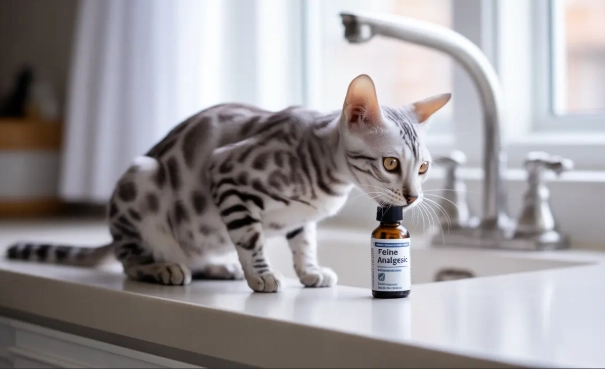
What About Natural or Over-the-Counter Pain Meds for Cats?
The Process: Getting the Right Pain Meds for Your Cat
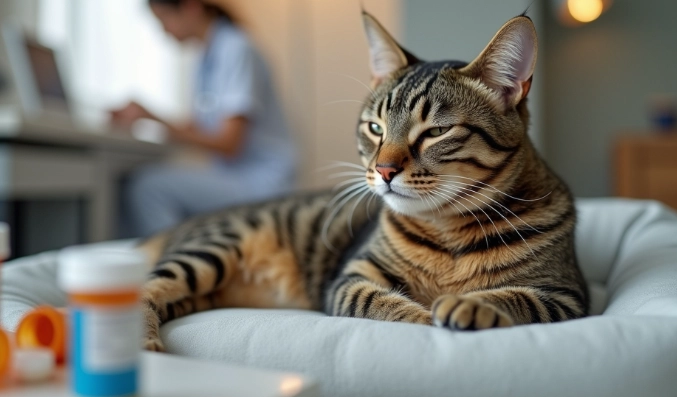
Common Questions About Pain Meds for Cats (The FAQ You Actually Need)
- Weight Management: The single best thing for arthritis. Less weight = less stress on joints.
- Environmental Modifications: Ramps or steps to favorite spots. Low-sided litter boxes. Raised food bowls. Orthopedic beds.
- Physical Therapy: Gentle massage, passive range-of-motion exercises (ask your vet to show you).
- Controlled Exercise: Short, gentle play sessions to keep muscles strong.
These things work synergistically with pain meds for cats.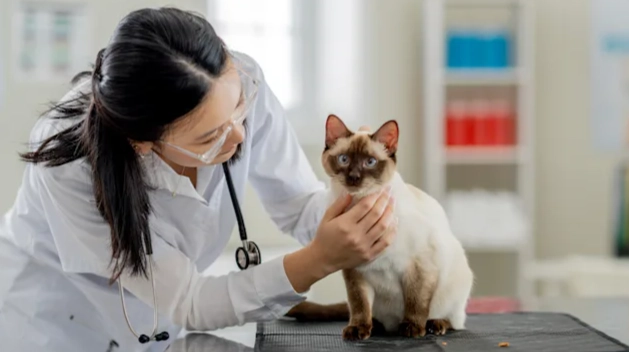
Wrapping It Up: Your Action Plan