What Can Dogs Not Eat? A Complete Guide to Toxic Foods
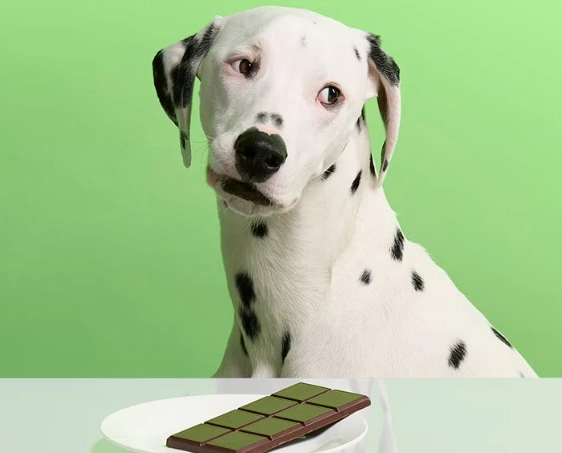
Let's be honest. Those puppy eyes staring at you while you're eating dinner are powerful. It's tempting to just slip them a little something from your plate. I've been there. My own dog, a goofy Labrador named Buddy, once managed to snatch an entire slice of pizza off the counter when I turned my back for three seconds. The panic was real. That's when I really started digging into the question: what can dogs not eat, truly? It turns out, the list is longer and more surprising than you might think. It's not just the obvious ones like chocolate. A lot of everyday foods we consider healthy are quietly toxic to our four-legged friends. This isn't about being an overprotective pet parent; it's about knowing which common items can cause anything from an upset stomach to a life-threatening emergency. The goal here is to give you a clear, no-nonsense guide so you can relax (a bit more) and keep your pup safe. These are the big ones. The foods that consistently top the lists from poison control centers. If you remember nothing else from this article, remember this section. This is the classic example of what dogs cannot eat. The culprit here is substances called methylxanthines (theobromine and caffeine). Dogs process these much more slowly than we do, leading to a toxic buildup. The darker and more bitter the chocolate, the more dangerous it is. Baking chocolate is the worst, followed by dark chocolate, then milk chocolate. White chocolate has negligible amounts, but the fat and sugar aren't great either. Symptoms can include vomiting, diarrhea, panting, excessive thirst, hyperactivity, abnormal heart rhythm, tremors, and seizures. It can be fatal. I once knew someone whose terrier ate a box of dark chocolate truffles. The vet bill was astronomical, and the dog was on an IV drip for a day. Not fun. This one baffles a lot of people. Grapes seem so harmless. But for some dogs, even a small number of grapes or raisins can cause sudden kidney failure. And here's the frustrating part: veterinarians and toxicologists still don't know exactly what the toxic substance is. It doesn't seem to be related to pesticides, seeds, or variety. It's just a mysterious and dangerous reaction. Some dogs might eat a handful and be fine (though we'd never recommend testing this), while others get sick from just one or two. Because there's no way to predict a dog's sensitivity, all grapes and raisins must be on the list of what dogs cannot eat. Symptoms include vomiting, lethargy, loss of appetite, and decreased urination. This might be the most dangerous item on the list because it's hidden in so many "sugar-free" products and people just don't know about it. Xylitol is an artificial sweetener found in sugar-free gum, candy, baked goods, some peanut butters (always check the label!), toothpaste, and even some medications. In dogs, xylitol causes a massive, rapid release of insulin, leading to severely low blood sugar (hypoglycemia). This can happen within 10-60 minutes. At higher doses, it can cause acute liver failure. Symptoms include vomiting, weakness, stumbling, tremors, and seizures. Liver failure signs follow later. I make it a habit to check the ingredient list of any "human" peanut butter before using it in a Kong toy. It's a simple step that avoids a potential disaster. All members of the Allium family are toxic to dogs. They contain compounds that can damage red blood cells, leading to hemolytic anemia. This means the red blood cells burst, reducing the body's ability to carry oxygen. Garlic is about five times more potent than onion. The tricky part is that toxicity is cumulative. A small piece of onion in your leftover pasta sauce once might not cause immediate harm, but feeding bits regularly, or a dog getting into a bag of onion powder, can lead to poisoning over time. Symptoms often don't appear for a few days and include weakness, lethargy, pale gums, orange to dark red urine, and rapid breathing. Be extra careful with foods like onion soup mix, baby food (which sometimes contains onion powder for flavor), and any cooked dishes where these ingredients are foundational. These are foods that might seem like a fun treat but are a genuinely bad idea. It should go without saying, but never give a dog alcohol. Their livers aren't equipped to handle it. Even small amounts can cause vomiting, diarrhea, decreased coordination, central nervous system depression, difficulty breathing, tremors, abnormal blood acidity, coma, and death. This also includes raw bread dough that contains yeast, as the fermenting yeast produces alcohol in the warm, moist environment of the stomach. Another mystery toxin. The mechanism isn't fully understood, but macadamia nuts can cause a specific set of symptoms in dogs: weakness (especially in the hind legs), depression, vomiting, tremors, and hyperthermia (elevated body temperature). Signs usually appear within 12 hours. The good news is that fatalities are rare, and most dogs recover with supportive care, but why put them through that? The main concern here is a fungicidal toxin called persin, which is present in the fruit, pit, leaves, and bark. The amount varies by avocado type. While dogs are somewhat more resistant to persin than some animals (like birds), it can still cause vomiting and diarrhea. The bigger, more practical danger is the large, slippery pit, which is a serious choking hazard and can cause a life-threatening intestinal blockage if swallowed. You might think you're giving your dog a healthy treat, but some foods have components that dogs just can't handle well. This is a major point of contention. Raw bones are debated, but cooked bones are a definite no. Cooking makes bones brittle. They can splinter into sharp shards that can cause mouth injuries, get stuck in teeth, or, worse, pierce the esophagus, stomach, or intestines. They can also cause constipation or a painful blockage. Giving your dog the fatty ends of your steak or a pile of bacon grease can trigger pancreatitis. This is a painful and serious inflammation of the pancreas. Symptoms include severe vomiting, abdominal pain, a hunched back, and lethargy. Pancreatitis often requires hospitalization. It's not worth the momentary tail wag. Large amounts of salt can cause excessive thirst and urination and, in severe cases, sodium ion poisoning. Symptoms can include vomiting, diarrhea, depression, tremors, elevated body temperature, and seizures. Avoid giving your dog salty chips, pretzels, or salted popcorn. Many dogs are lactose intolerant. They lack significant amounts of lactase, the enzyme that breaks down lactose in milk. Feeding milk, ice cream, or cheese can result in digestive upset like diarrhea or gas. A small piece of cheese as a high-value training treat is usually fine for most dogs, but a bowl of milk is asking for trouble. It can get confusing. Some fruits and veggies are great, some are toxic, and some need preparation. Here's a handy table to clear things up. Okay, let's say the worst happens. You turn around and Buddy has a guilty look and an empty wrapper. Panic is the enemy. Here's your action plan. Knowing what can dogs not eat is half the battle. The other half is making it hard for accidents to happen. Figuring out what dogs cannot eat feels overwhelming at first. There's a lot. But after a while, it becomes second nature. You'll automatically check the peanut butter label. You'll move the grapes to the back of the counter. You'll feel a jolt of awareness when you're cooking with onions. And honestly, after spending hours researching this and talking to vets, the list of what they can eat safely is pretty great too. Carrots, blueberries, slices of apple, bits of plain cooked chicken or turkey… Buddy gets just as excited for a chunk of carrot as he did for that stolen pizza. Maybe more, because he gets it more often and doesn't end up at the vet.In This Guide
The Absolute No-Go List: Foods That Are Seriously Toxic
Chocolate, Coffee, and Caffeine (The Methylxanthines)

Grapes and Raisins

Xylitol (The Hidden Sweetener)
Onions, Garlic, Chives, and Leeks
The "Why Would You, But Seriously Don't" List
Alcohol

Macadamia Nuts
Avocado
The Risky Leftovers: Common Human Foods with Hidden Dangers
Cooked Bones
Fat Trimmings and Rich, Fatty Foods
Salty Snacks
Milk and Dairy Products
What About Fruits and Veggies? A Quick Reference Table
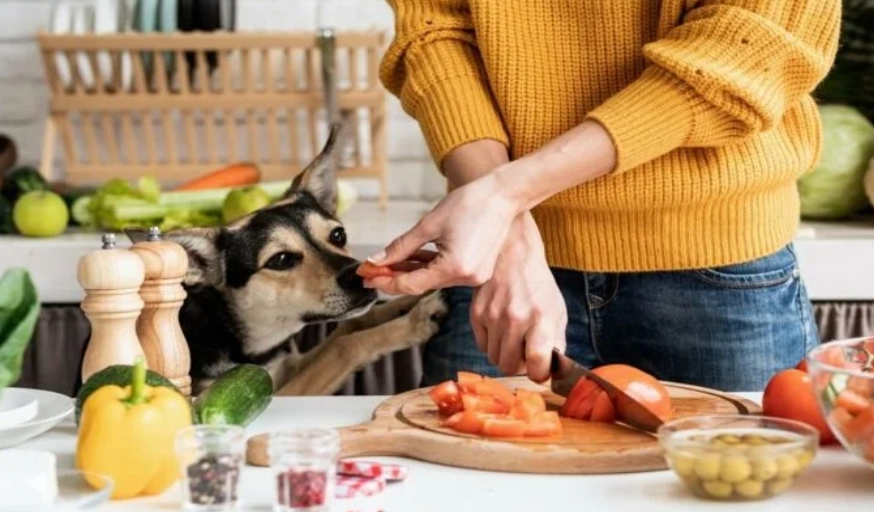
Food Safe or Not? Key Notes & Precautions Apples Safe Great low-calorie snack. Remove the core and seeds first, as seeds contain cyanide. Bananas Safe High in sugar, so give in moderation. A good source of potassium. Blueberries Safe Excellent antioxidant-rich treat. Perfect for training. Cherries Not Safe The pits, stems, and leaves contain cyanide. The fleshy part is okay but it's not worth the risk of a swallowed pit. Citrus (Oranges, etc.) Mostly Safe The fleshy fruit is okay in small amounts. The peel, seeds, leaves, and stem can cause irritation and upset stomach. Peaches & Plums Caution The flesh is safe. The pits are a major hazard—they contain cyanide and can cause blockages. Carrots Safe Fantastic, low-calorie, crunchy treat. Good for teeth. Broccoli Safe in small amounts Can cause gastric irritation if fed in large quantities due to isothiocyanates. Spinach Debated It's high in oxalates, which can contribute to kidney stone formation in predisposed dogs. Occasional small amounts are likely fine, but I avoid it regularly. Tomatoes Caution Ripe, red fruit is generally safe. Green parts of the plant (stems, leaves) contain solanine, which is toxic. What To Do If Your Dog Eats Something Toxic
Common Questions Dog Owners Actually Ask
Building Safe Habits in Your Home