Hamster Lifespan: How Long Do Hamsters Live?
So, you're thinking about getting a hamster, or maybe you already have one scurrying around in its cage. One of the first questions that pops into any owner's mind is, "How long will my little friend be with me?" It's a tough thing to think about, honestly. These tiny creatures bring so much joy, but their time with us is notoriously short. Understanding the hamster age expectancy isn't just about preparing yourself emotionally; it's the foundation for providing the best possible care throughout their entire life. I remember my first hamster, Peanut. I was a kid, and no one really told me what to expect. When he passed after what felt like no time at all, I was heartbroken and confused. Was it something I did? Was that normal? I wish I'd had a clear, honest guide back then. That's what I'm aiming for here—to give you the straight talk on hamster life expectancy, free from fluffy generalizations. Not all hamsters are created equal in the longevity department. This is the single biggest factor determining a baseline hamster's age expectancy. Pet stores often just label them as "fancy" or "dwarf," which isn't super helpful. Knowing exactly what type you have is your first step. Here’s a breakdown that cuts through the confusion. I've found this to be much more accurate than the oversimplified charts you sometimes see. See the pattern? The smaller dwarfs (Winter White, Campbell's) tend to have a slightly shorter average hamster lifespan than the larger Syrians and the robust Robos. This is crucial info. If a pet store tells you a hamster will live "2-4 years," they're probably giving you a best-case, all-breeds-blended estimate. Be realistic based on the breed. Genetics and breed set the stage, but you direct the play. A hamster from a reputable breeder with strong genes might still have a short life in poor conditions. Conversely, a pet store hamster with an unknown background can surprise you with a long, healthy life if everything else is perfect. Let's dig into the factors you can actually control. This is probably where most well-meaning owners slip up, myself included in the early days. That colorful, seed-heavy mix from the supermarket? It's like feeding a kid candy for every meal. Hamsters are omnivores, needing a balance of protein, fiber, and very limited fats and sugars. A poor diet leads directly to obesity, diabetes (especially in Campbell's dwarfs), liver disease, and a drastically shortened life expectancy. I learned this the hard way. Look for a high-quality lab block or pellet as a staple, which ensures balanced nutrition, and use a seed mix as a supplement or for foraging enrichment. Fresh veggies (like broccoli, cucumber) in tiny amounts are great; avoid sugary fruits mostly. The American Veterinary Medical Association (AVMA) has great general guidelines on small mammal nutrition that reinforce this balanced approach. If you take away one thing from this article, let it be this: your hamster's cage is almost certainly too small. The tiny, colorful plastic cages sold as "starter kits" are a major contributor to stress, boredom, and poor health. In the wild, hamsters run miles every night. Confining them to a space smaller than a filing cabinet drawer is cruel and cuts their life short. Aim for a minimum of 450 square inches of continuous floor space for dwarfs, and 600+ for Syrians. I'm a huge fan of large bin cages (DIY from storage totes) or spacious aquarium tanks because they allow for deep bedding. Which brings me to the next point... Hamsters need to burrow. Deeply. Providing 6+ inches of safe, paper-based or aspen bedding allows for natural burrowing behavior, which reduces stress immensely. Stress is a silent killer, weakening the immune system. Add in a proper-sized, solid-surface exercise wheel (8.5+ inches for dwarfs, 11+ for Syrians—no wire or mesh!), tunnels, chew toys, and a sand bath (for dwarfs), and you have a stimulated, happy pet. A bored hamster is a stressed hamster. The RSPCA's hamster environment guide outlines these welfare needs clearly, and it's a standard we should all aim for. Hamsters are prey animals. They hide illness brilliantly until it's often very advanced. Knowing the signs is part of responsible ownership. Wet Tail (proliferative ileitis) is a severe, often fatal bacterial infection in stressed young Syrians, causing severe diarrhea. It requires immediate veterinary care. Respiratory infections (sneezing, wheezing), lumps (abscesses or tumors), and overgrown teeth are other common issues. Finding an exotic veterinarian who sees small mammals before you have an emergency is non-negotiable. Regular, gentle checks of your hamster's weight, fur, eyes, and bottom can help you catch problems early. The National Institutes of Health (NIH) library contains peer-reviewed studies on rodent diseases, underscoring the importance of recognizing that these are complex creatures with specific medical needs. Let's be real—vet bills for exotics can be high. But factoring that potential cost is part of deciding to get a pet. Skipping vet care because "it's just a hamster" guarantees suffering and a shorter life. Okay, theory is done. Here’s your actionable checklist. Think of this as the daily, weekly, and monthly to-dos that directly impact your hamster's age expectancy. It sounds like a lot, but it becomes second nature. The payoff is a vibrant, active pet who reaches—or even exceeds—their full hamster age expectancy. Even with perfect care, hamsters age quickly. Around 18-24 months for most breeds, you might start noticing signs. The fur might thin or look a bit unkempt. They sleep more. They might lose a little weight or become less agile on their wheel. Appetite may decrease. This is the time for extra comfort. Make sure food and water are easily accessible. Consider adding softer foods like cooked plain chicken or scrambled egg for protein. Lower platforms to prevent falls. Provide extra, softer bedding. The goal is comfort and dignity. Knowing when to say goodbye is the hardest part. If your hamster shows signs of persistent pain (hunched posture, screaming), has severe difficulty moving, stops eating and drinking, or has a chronic condition causing suffering, the kindest decision is often euthanasia. Discuss quality-of-life scales with your vet. It's a final act of love, as heartbreaking as it is. The Guinness World Record holder was a hamster in the UK that lived to be 4.5 years old. That's an extreme outlier, like a human living to 120. Don't expect this, but it shows what's biologically possible under exceptional circumstances. It's largely about metabolism. Small mammals with incredibly fast heart rates and high metabolic rates simply burn through their biological processes at an accelerated pace. It's a trade-off of their small, energetic size. There's no strong consensus, but some owners and breeders observe that males, particularly in Syrians, may live slightly longer on average. Females can be prone to reproductive illnesses like pyometra as they age. However, the difference is minor compared to the impact of breed and care. It's very tricky once they're adults. Young hamsters (under 4 months) are more energetic, have supremely bright eyes, and pristine, full coats. Older hamsters may have thinner fur, less energy, cloudy eyes, and may lose muscle tone. A vet might give a rough estimate. This is sadly common and heartbreaking. Causes can include congenital issues (bad genetics), an acute illness like Wet Tail, an injury, or an underlying condition exacerbated by early life stress (like from a pet store environment). Sometimes, despite your best efforts, it's just bad luck. Look, the reality of a hamster's life expectancy is bittersweet. They teach us about joy, curiosity, and caring for something fragile. They also teach us about loss. By understanding what goes into a hamster's lifespan, you're not just preparing for an end; you're committing to making every single day of their life as good as it can possibly be. That's the best any of us can do for our tiny, whiskered friends. Give them space, give them good food, give them a wheel to run their hearts out on, and pay attention. That's the real secret to navigating the short, wonderful journey of a hamster's life.Jump to Sections
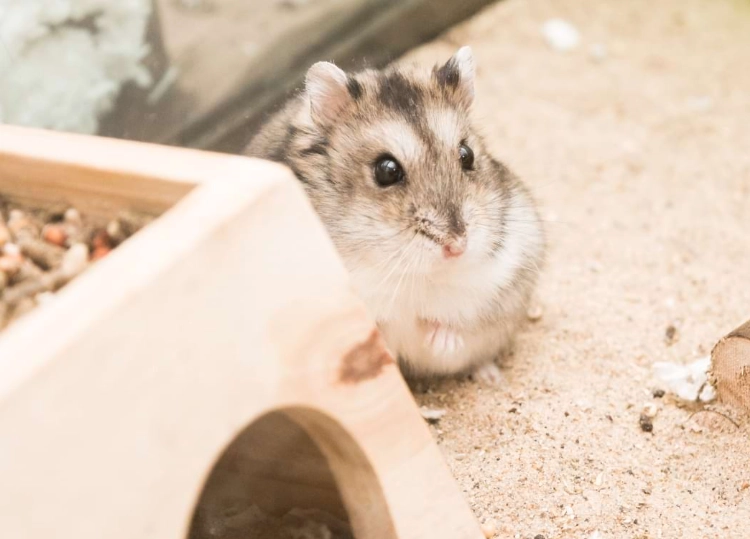
Breaking Down Lifespan by Hamster Breed
Common Name (Breed)
Scientific Name
Average Lifespan Range
Key Characteristics & Notes
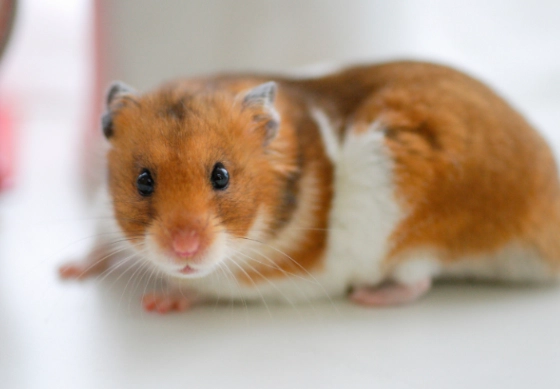
Syrian Hamster (Golden, Teddy Bear)
Mesocricetus auratus
2 - 3.5 years
The solo artists. They MUST live alone. Generally the longest-lived common pet hamster. Their size often means fewer fragile health issues compared to dwarfs.
Roborovski Dwarf Hamster
Phodopus roborovskii
3 - 3.5+ years
The tiny marathon runners. Often credited with the longest life expectancy for hamsters among dwarfs. Incredibly fast, skittish, and not great for frequent handling.
Winter White Dwarf Hamster (Djungarian)
Phodopus sungorus
1.5 - 2.5 years
Can change coat color in winter (in the wild). More social than Syrians but pairing is risky and requires expert introduction. Generally hardy.
Campbell's Dwarf Hamster
Phodopus campbelli
1.5 - 2.5 years
Very similar to Winter Whites and often hybridized in pet stores. Prone to diabetes, so diet is absolutely critical for their lifespan.
Chinese Hamster
Cricetulus griseus
2 - 3 years
Not a true dwarf; has a longer, mouse-like tail. Can be more nervous. Usually does better alone. Their age expectancy is quite decent if kept stress-free.

What Really Determines How Long Your Hamster Lives?
Diet & Nutrition: It's More Than Just Bagged Mix
The Cage & Environment: Bigger is Always Better

Bedding, Enrichment, and Mental Health
Healthcare & Common Ailments
Practical Guide: How to Maximize Your Hamster's Lifespan
Navigating the Tough Stuff: Aging and End of Life
Your Hamster Lifespan Questions, Answered
What is the oldest hamster ever recorded?
Why do hamsters have such a short lifespan?
Do male or female hamsters live longer?
How can I tell how old my hamster is?
My hamster died before turning 1. What happened?