How to Treat a Dog's Hot Spot at Home: A Complete Guide
Let's be honest, finding a raw, oozing, red patch on your dog is alarming. You see them licking or scratching like crazy, and suddenly there's this angry-looking sore. That's a hot spot, or what vets call acute moist dermatitis. The good news? Many hot spots can be managed successfully at home if you catch them early and follow the right steps. The bad news? Doing the wrong thing can make it much worse. I've seen it happen. This guide walks you through exactly what to do, what to avoid, and when to drop everything and call the vet.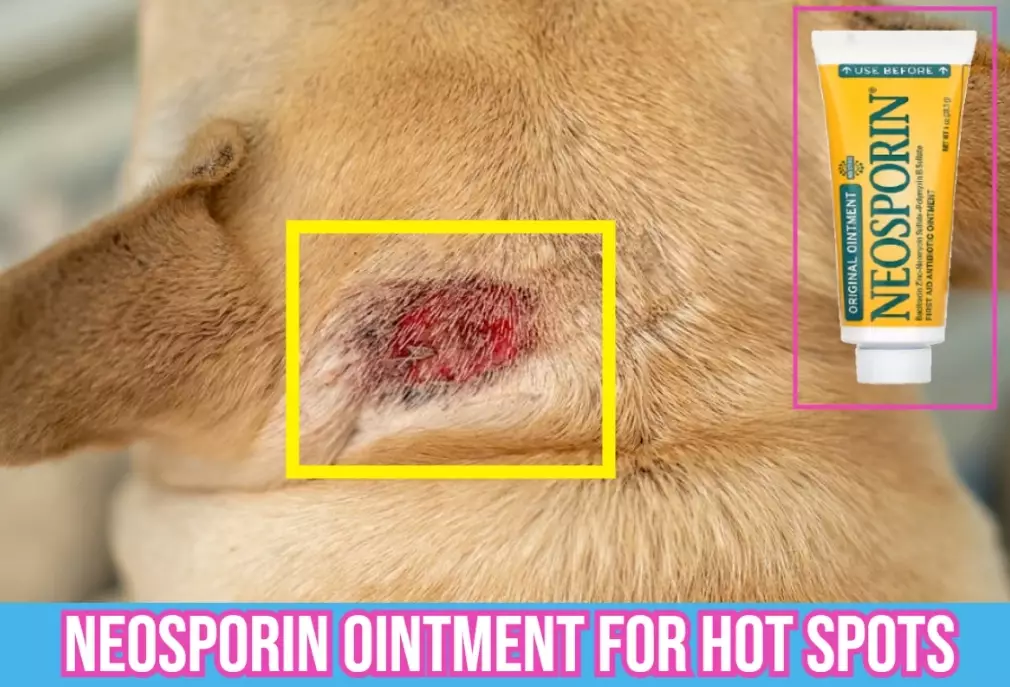
What's in This Guide?
What Exactly Is a Hot Spot on a Dog?
Imagine you have a mosquito bite. It itches, so you scratch it. You scratch it so much you break the skin. Now it's raw, stings, and maybe even gets a little infected. That's essentially a hot spot, but on steroids. It's a localized area of skin inflammation and bacterial infection that seems to explode in size within hours.
The classic signs are hard to miss:
- Sudden onset: It wasn't there this morning, but by evening it's a quarter-sized raw patch.
- Intense itching or pain: Your dog will obsessively lick, chew, or scratch at the spot. Some dogs might whimper or snap if it's painful to the touch.
- Wet, oozy appearance: The skin is red, moist, and may have a pus-like discharge. Hair in the area falls out or gets matted with discharge.
- A distinct odor: A mild, unpleasant smell is common due to the bacterial infection.
They love warm, moist areas. Check behind ears, under the collar, along the hip, and on the cheek—common hotspots for hot spots.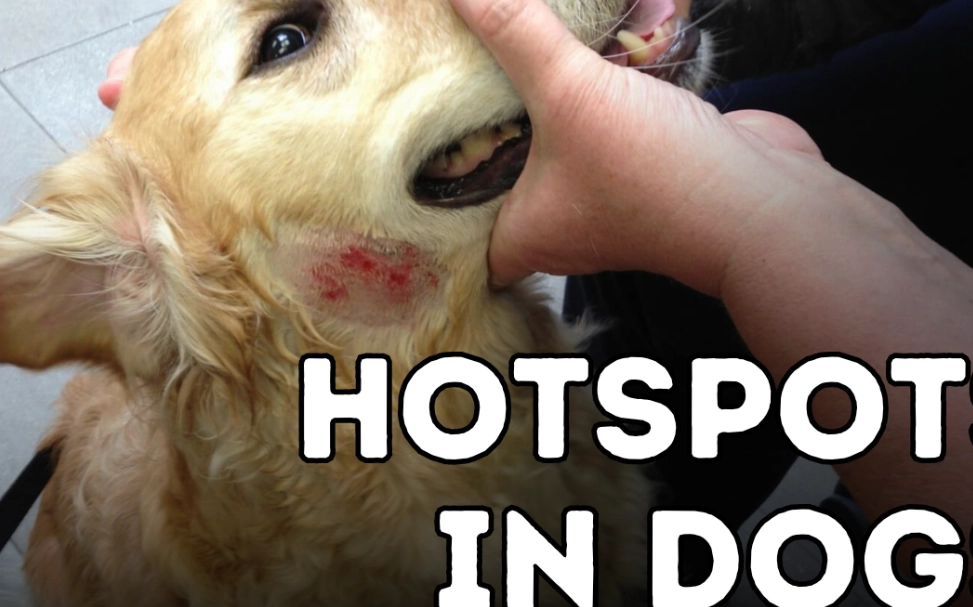
What Causes Hot Spots in Dogs? (It's Not Just Fleas)
Everyone blames fleas first. And yes, a flea bite is a prime suspect. But if you've treated for fleas and hot spots keep popping up, you're missing the real trigger. The initial itch can start from almost anything:
The Usual Suspects: Flea allergies, seasonal/environmental allergies (atopy), food sensitivities, a matted coat trapping moisture, a minor scrape or insect bite, even an ear infection that makes them scratch at their head.
Here's the subtle mistake I see all the time: owners treat the hot spot but ignore the original itch. You get the sore to heal, but because your dog is still allergic to that summer pollen, they start scratching again in a week, and boom—another hot spot. You have to think of the hot spot as the symptom. The underlying allergy or irritation is the disease.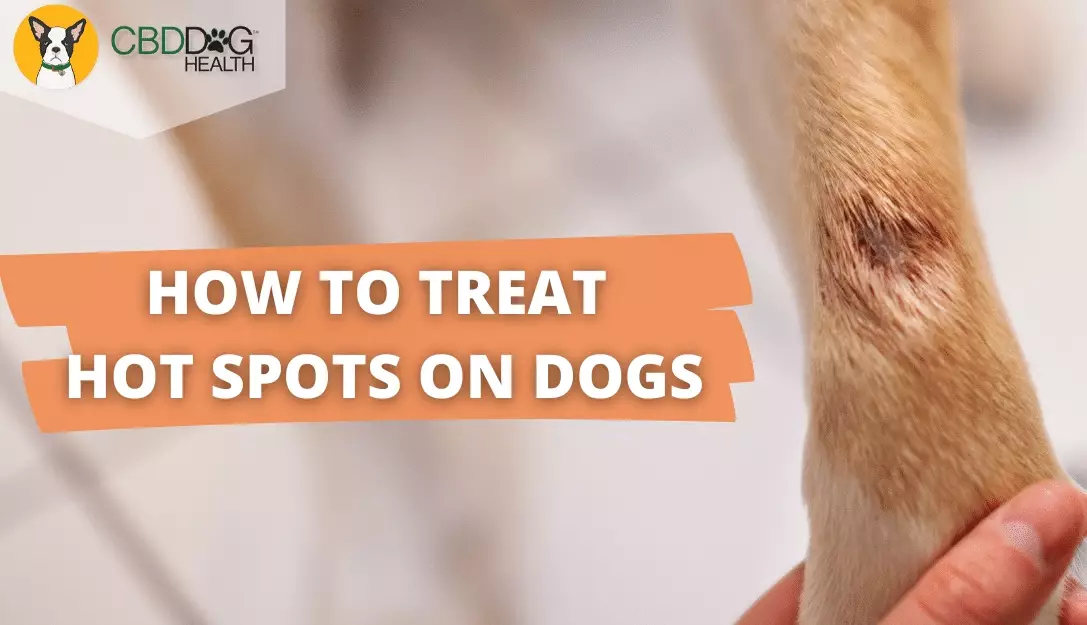
How to Treat a Dog's Hot Spot at Home: A Step-by-Step Protocol
If the spot is small (smaller than a silver dollar), not too deep, and your dog isn't utterly miserable, you can try this. You'll need a few supplies: veterinary-approved antiseptic spray or wipe (chlorhexidine is gold standard), blunt-ended scissors or clippers, sterile gauze pads, a topical soothing spray or cream (like one with hydrocortisone), and an Elizabethan collar (the cone of shame). Trust me, skip the cone and you'll fail.
Step 1: Stop the Trauma (The Cone is Non-Negotiable)
Before you touch the spot, put the cone on your dog. They will hate it. They will bump into walls. Do it anyway. Licking and chewing re-inoculates the wound with bacteria and saliva, adding moisture and destroying any progress. No cone, no healing. It's that simple.
Step 2: Gently Trim the Hair
This is crucial. Hair traps moisture and bacteria against the skin. Using blunt scissors, carefully trim the hair around the lesion, creating at least a one-inch margin of clear skin. If the area is large or very matted, consider having a groomer or vet tech do this. You don't want to accidentally cut the already inflamed skin.
Step 3: Clean the Area Thoroughly
Soak a gauze pad in a dilute chlorhexidine solution (you can buy this pre-mixed) or use a chlorhexidine wipe. Gently cleanse the hot spot, wiping away any discharge or crust. Don't scrub. Rinse with clean water on another gauze pad and pat dry. I mean really dry. Moisture is the enemy. A little trick from an old-timer groomer? A light dusting of pure corn starch can help wick away residual moisture after cleaning (but never use powder on an open, oozing wound).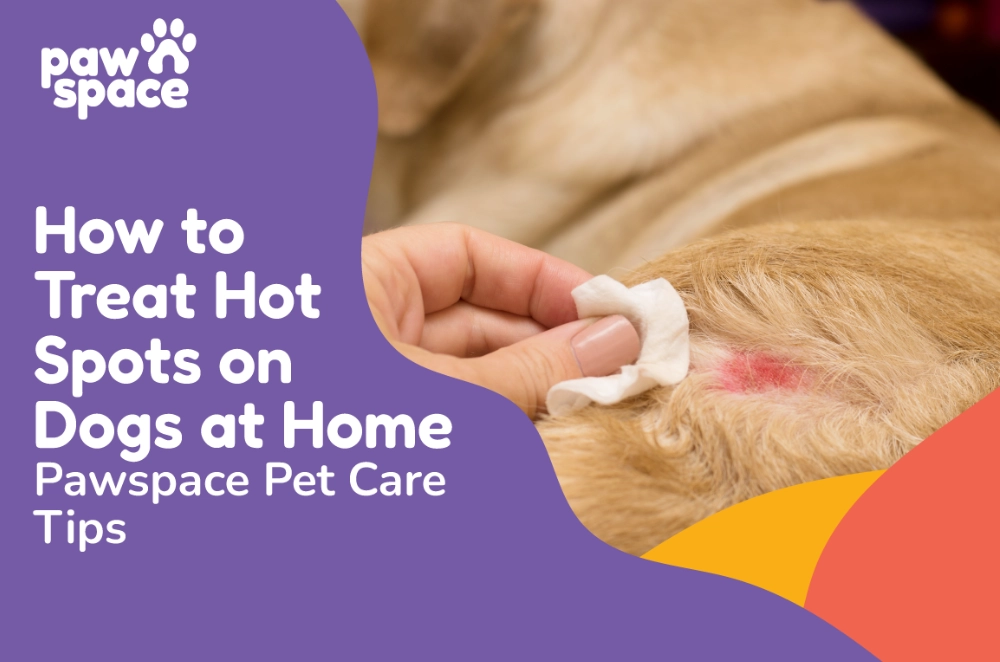
Step 4: Apply a Soothing, Medicated Topical
This is where people grab the human stuff. Don't. Human antibiotic ointments like Neosporin are often too greasy and can seal in moisture. Use a veterinary product. A spray is often easiest—something with ingredients like hydrocortisone (to reduce inflammation and itch) and an antiseptic. Apply as directed, usually 2-3 times a day.
Step 5: Monitor and Repeat
Clean and apply the topical at least twice daily. You should see reduced redness and moisture within 48 hours. A scab will form. Let it fall off naturally.
A Critical Note on Oral Medications: You might read about giving your dog Benadryl. While it can help with itch (at 1 mg per pound of body weight, but check with your vet!), it's a band-aid. It doesn't treat the skin infection. If the hot spot is inflamed and infected, only prescription anti-inflammatories and antibiotics from a vet will truly solve it from the inside.
When Home Treatment Isn't Enough: The Vet's Role
Home care has its limits. If you hit any of these points, pick up the phone.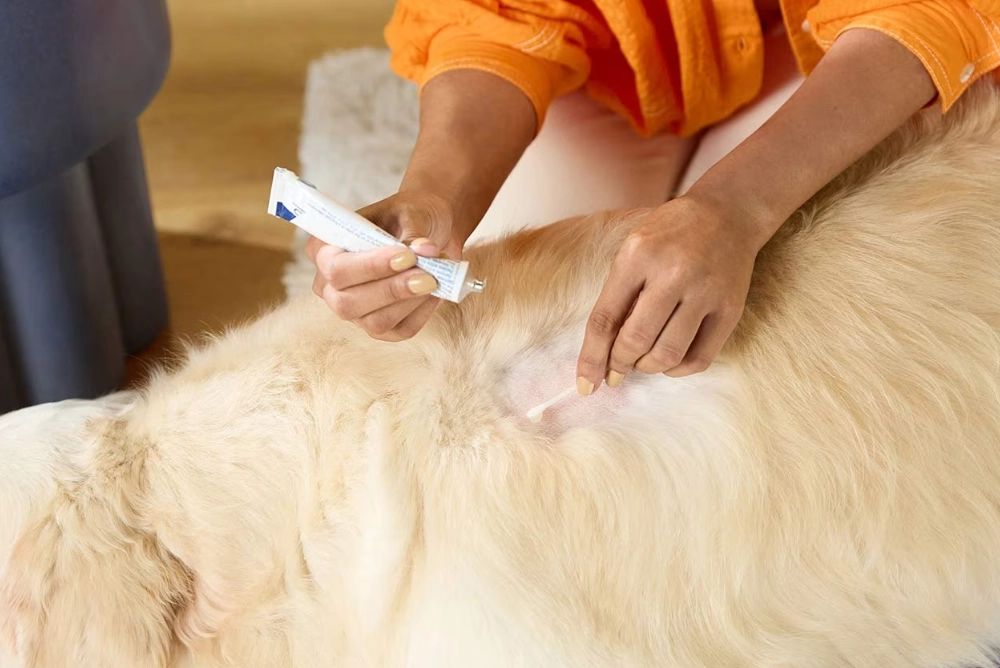
| Scenario | Why You Need the Vet |
|---|---|
| The hot spot is large, deep, or spreading rapidly. | This indicates a severe infection that needs systemic oral antibiotics and stronger anti-inflammatory medication (like steroids) that only a vet can prescribe. |
| No improvement after 2-3 days of diligent home care. | The infection may be resistant or deeper than it looks. The vet may need to do a culture. |
| Your dog is in obvious pain, lethargic, or has a fever. | The infection could be entering the bloodstream. This is an urgent situation. |
| Hot spots are recurring frequently. | This is a major red flag for an underlying allergy. Your vet needs to help you diagnose the root cause (food trial, allergy testing). |
| The area is near the eye or a major joint. | Treatment needs precision to avoid damaging sensitive structures. |
The vet visit usually involves a thorough clip and clean of the area, potentially an injectable anti-inflammatory for immediate relief, and a course of oral medications. It's more aggressive but often the fastest path to comfort for your dog.
How to Prevent Hot Spots from Coming Back
Treating one hot spot is a battle. Preventing the next one is the war. Your strategy depends on the cause.
For All Dogs: Maintain a regular grooming schedule, especially for thick-coated breeds. Keep them on a reliable, vet-recommended flea and tick preventive year-round. I don't care if it's winter. Dry your dog thoroughly after baths or swimming. Check their skin weekly during petting sessions.
For the Allergy-Prone Dog: This is the big one. Work with your vet to identify the allergen. This might mean a hydrolyzed protein food trial for 8-12 weeks. It might mean allergy shots or daily allergy pills like Apoquel or Cytopoint. According to resources like the Merck Veterinary Manual, managing atopic dermatitis is a long-term commitment. Regular medicated baths with oatmeal or chlorhexidine shampoos can also be a game-changer to soothe skin and remove allergens.
I had a Golden Retriever client who got seasonal hot spots every July. We finally pinned it down to grass pollen. Starting a prescribed allergy medication in late June completely broke the cycle. Addressing the cause, not just the sore, changed everything.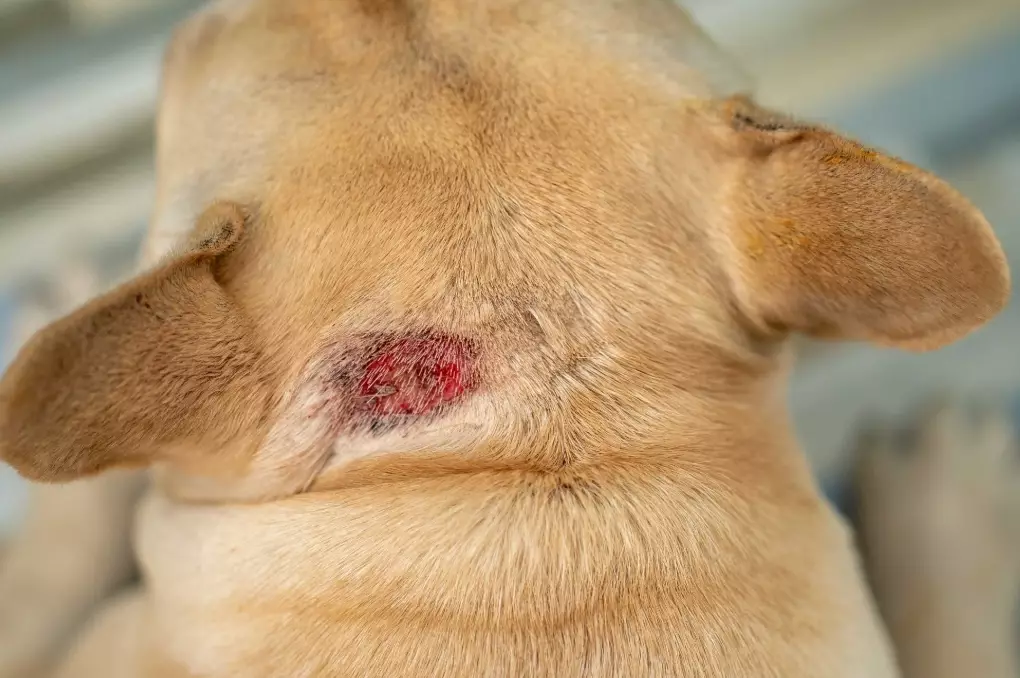
Your Hot Spot Questions Answered
Related Articles