How Long Are Cats in Heat? The 7-10 Day Guide Every Owner Needs
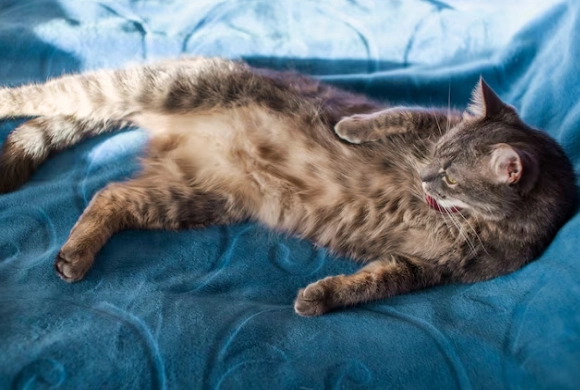
If your usually aloof cat has started yowling at 3 AM, rubbing against every piece of furniture, and presenting her rear end to you in a most undignified manner, you’ve got a cat in heat. The first question that hits you, probably after a sleepless night, is: how long is this going to last? The short, textbook answer is about 7 to 10 days. But in my experience volunteering at a shelter and living with cats for two decades, that answer alone is almost useless. It doesn't tell you why it feels longer, what to actually do during those days, or how to tell when it's finally over. Let's break down the reality, not just the textbook definition. Here’s the thing most generic articles miss: you’re not just dealing with a 7-10 day event. You’re dealing with a cycle that can repeat every two to three weeks for months on end. That’s the real challenge. Understanding the phases of this cycle is the key to keeping your sanity and helping your cat through it. Medically, it's called estrus. This is the period in your queen's (unspayed female cat) reproductive cycle when she is receptive to mating and can become pregnant. Cats are "seasonally polyestrous," which is a fancy way of saying they go into heat multiple times during the breeding season, which is typically spring through fall, triggered by longer daylight hours. Unlike humans or dogs, cats are induced ovulators. This is a crucial detail. They don't release eggs on a schedule; ovulation is triggered by the act of mating. If she doesn't mate, she doesn't ovulate, and her body just keeps trying. This biological quirk is the reason she can cycle back into heat so quickly, making it seem endless. A Common Misconception: Many people think their cat's first heat is a sign she's "ready" for motherhood in a mature sense. Not really. A cat can go into her first heat as early as 4 months old, when she's still a kitten herself. She's biologically ready, but far from ideally mature. This is why early spaying is so strongly advocated by vets. To truly understand "how long," you need to look at the entire cycle. Thinking of it as one 7-day block sets you up for confusion. See the pattern? The intense estrus phase lasts about a week. But if she doesn't mate, after a week or two of quiet (interestrus), she'll jump right back into proestrus and estrus again. This loop can continue for the entire breeding season. So you might deal with a week of noise, a week of peace, then another week of noise… for months. That's why owners often swear it lasts "forever." Breed and individual variation matter too. Siamese cats are notorious for being especially vocal and persistent. Some cats have silent heats with few obvious signs, which is how "oops" litters sometimes happen. You know the yowling. It’s not a meow; it’s a loud, mournful, sometimes desperate-sounding cry designed to carry for blocks. But that’s just the soundtrack. Here are the other behaviors that confirm she's in the estrus phase: She might become excessively clingy, rubbing her head and flank against you, the furniture, the corners of walls. She's leaving scent markers from glands on her face and body to advertise her availability. This is a dead giveaway. When you pet her lower back, she'll often lower her front half, raise her rear end, and tread her back feet. Her tail will be held stiffly to the side. It's an involuntary mating posture. Her drive to find a mate is overwhelming. She might pace, seem unable to settle, and make a beeline for any open door or window. This is a high-risk time for cats getting lost. Double-check your screens! Some cats eat less during this time, seemingly too distracted by their biological imperative. It's normal for intake to dip slightly, but she should still be drinking water. One subtle sign I've noticed in multi-cat households: even fixed males might act differently around her, showing more interest or agitation, responding to her pheromones. You can't reason with biology, but you can make this period more manageable. Forget the old wives' tales about using cotton swabs – that's dangerous and ineffective. Here’s what actually works, based on advice from veterinarians and seasoned cat behaviorists. Increase Interactive Play. It sounds simple, but a vigorous 15-20 minute play session with a wand toy can work wonders. It redirects her nervous energy, provides mental stimulation, and can tire her out enough to grant you a few hours of quiet. Do this right before your bedtime to hopefully encourage sleep. Provide Warmth and Comfort. A heated cat bed or a warm towel straight from the dryer can be soothing. Some cats find comfort in kneading and nesting on a warm, soft surface. Try Feliway or Other Pheromones. Feliway is a synthetic version of the feline facial pheromone that signals safety and familiarity. Plugging in a diffuser in the room she spends the most time in won't stop the heat, but it can take the anxious edge off the environment for her (and any other cats in the house). Keep Her Indoors and Secure. This is non-negotiable. Not only to prevent pregnancy but also because her judgment is clouded by instinct. She’s more likely to run into traffic or get into fights. White Noise & Earplugs. For the nighttime serenades, a white noise machine or fan in your bedroom can help mask the sound. Be honest, sometimes earplugs are the best tool for owner sanity. What NOT to Do: Don't punish her for yowling or displaying natural behaviors. She can't control it. Scolding will only add stress. Also, avoid confining her to a small, barren room for days on end—that's just cruel and will increase her frustration. Let's talk about the permanent solution. Spaying (ovariohysterectomy) is the surgical removal of the ovaries and uterus, which permanently stops heat cycles and prevents pregnancy. The American Veterinary Medical Association (AVMA) and other major veterinary bodies endorse early-age spaying, often before the first heat, around 4-6 months old. The benefits are massive: A big question vets get: "Should I let her have one litter first?" From a medical and behavioral standpoint, there is no benefit to the cat. It doesn't "calm" her or make her more complete. It only introduces the risks of pregnancy, birth complications, and delays the protective benefits of spaying. If your cat is currently in heat, most vets prefer to wait until the cycle is over to perform the surgery. The tissues are more vascular and fragile during estrus, making the procedure slightly more complex. Schedule the appointment for a week after all signs have ceased. Can I spay my cat while she is in heat? Technically, yes, a veterinarian can perform the surgery on a cat in heat. However, it's generally not recommended as the primary option. The surgery is more complex during estrus because the reproductive organs are enlarged and have increased blood flow. This raises the risk of complications like heavier bleeding and a longer, more difficult surgery for your cat. Most vets will advise waiting until the heat cycle is completely over, which usually means scheduling the surgery for about a week after signs have stopped. The exception is for shelter or rescue situations where preventing immediate pregnancy is the critical priority. Always consult your vet for the safest timing for your individual cat. What happens if a cat in heat doesn't mate? If a queen doesn't mate and ovulate, her body doesn't get the hormonal signal to end the estrus phase and move into pregnancy. Instead, she will go out of heat for a short break (the interestrus period, about 1-2 weeks) and then the whole cycle starts over again. This is why it can feel like your cat is constantly in heat. She will keep cycling back into estrus every few weeks until she either becomes pregnant, is spayed, or the breeding season ends (usually as daylight hours decrease). This repeated cycling is physically and mentally exhausting for her and is a strong argument for spaying to break this relentless pattern. Are there any medications to shorten a cat's heat cycle? There are hormonal medications (like megestrol acetate) that can suppress or delay a heat cycle. I'm hesitant to even mention them because they are a last-resort, short-term option with significant risks, not a solution. These drugs can have serious side effects, including increasing the risk of pyometra (a life-threatening uterine infection), diabetes, and mammary tumors. They are sometimes used by breeders under strict veterinary supervision to align breeding schedules, but for the average pet owner, they are not a safe or recommended path. The only permanent, healthy way to stop heat cycles is spaying. Trying to medicate through multiple cycles is asking for trouble. The core question of "how long are cats in heat" has a dual answer. The intense, active phase of estrus typically lasts about one week. But the cyclical nature of it means the challenge can recur for months. Understanding this cycle—the signs, the stages, and the safe coping mechanisms—transforms a confusing, frustrating experience into a manageable one. My final piece of advice, after seeing hundreds of cats come through the shelter system? The relief on an owner's face after their newly spayed cat recovers is palpable. The midnight concerts end, the desperate escapes stop, and your cat can just go back to being a cat. Investing in spaying isn't just about preventing kittens; it's about giving your feline friend a healthier, calmer, and ultimately safer life. For more detailed, science-backed information on feline reproduction, resources like the Cornell Feline Health Center are invaluable.
In This Article: Your Quick Guide
What Exactly Is a Cat's "Heat"?
The Four Stages of the Feline Heat Cycle (And How Long Each Lasts)
Stage
What's Happening
Typical Duration
Key Signs You'll See
Proestrus
The warm-up. Hormones start rising, body prepares for estrus. Often very subtle.
1-2 days
Maybe slightly more affectionate, minimal vocalizing.
Estrus (The "Heat")
Peak fertility and receptivity. This is the phase everyone talks about.
4-7 days (Avg. 7, range 3-14)
Loud yowling, rolling, presenting, rubbing, restlessness.
Interestrus
The break. If she didn't mate, hormones dip and she goes back to "normal."
7-14 days (approx. 1-2 weeks)
All signs of heat stop completely. This is your respite.
Anestrus
The off-season. No reproductive activity, usually in winter with shorter days.
Months (varies by climate/light exposure)
Nothing. Just regular cat behavior.
How to Spot the Signs: It's More Than Just Meowing
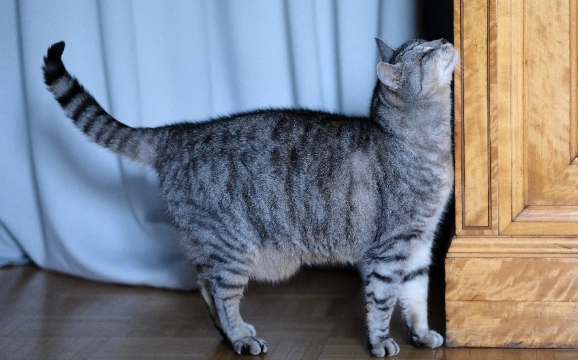
Increased Affection & Rubbing
The "Mating Position" or Lordosis
Restlessness and Attempts to Escape
Changes in Appetite
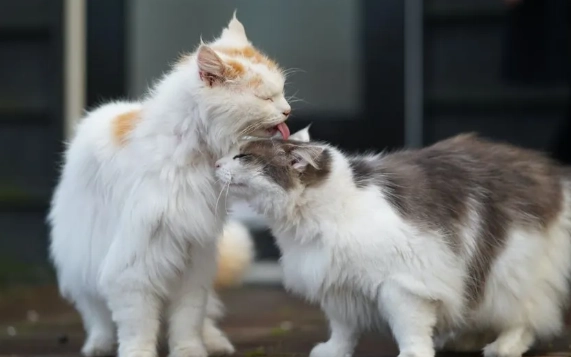
Practical Tips for Coping (For You and Your Cat)
The Spaying Decision: Timing and Truths
Your Top Questions, Answered
Frequently Asked Questions