Newfoundland Dog Guide: Care, Training, and What to Expect
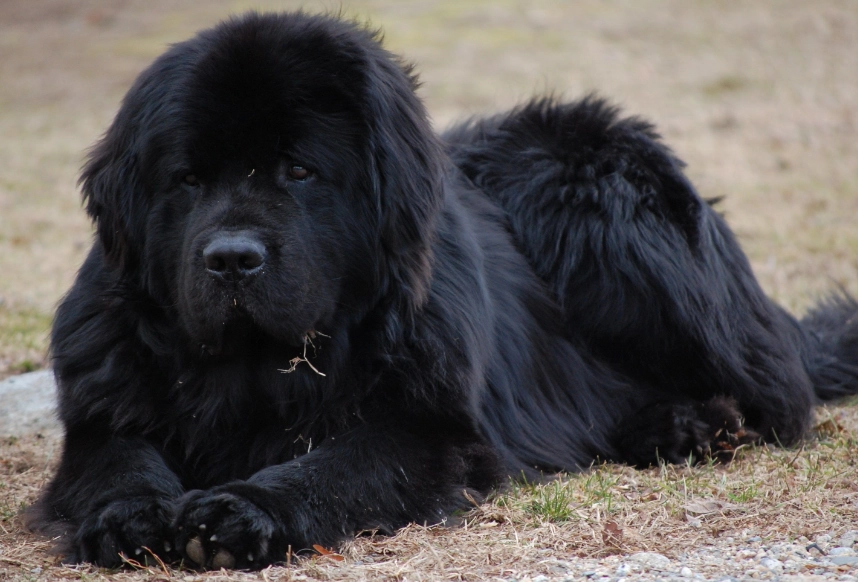
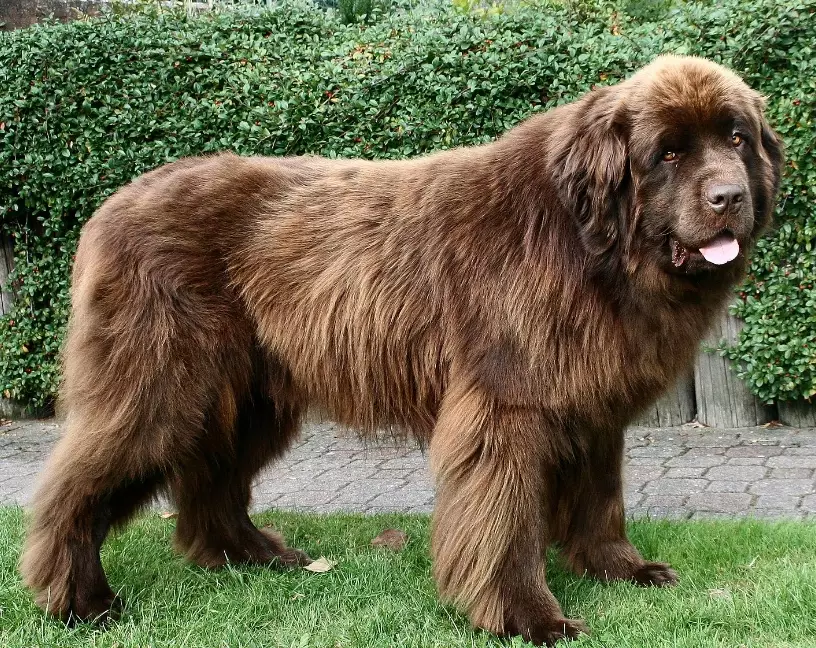
I've spent over ten years working with Newfoundland dogs, and let me start with this: they're gentle giants, but that doesn't mean they're low-maintenance. If you're considering one, you're probably drawn to their calm demeanor and loyalty. But I've seen too many owners get overwhelmed by the shedding or the sheer size. This guide cuts through the fluff—I'll share what really matters, from daily care to those subtle errors beginners make. Newfoundlands originated in Canada, bred for water rescue. That history shapes everything about them. The American Kennel Club notes their webbed feet and water-resistant coat, but what does that mean for you? It means they love swimming, but it also means grooming is a big deal. Let's dive in. People call them "nanny dogs" for a reason. Newfoundlands are incredibly patient with kids. I remember a client's dog who would let toddlers climb all over him without a flinch. But here's the non-consensus part: their gentleness can mask anxiety if not socialized early. I've met Newfoundlands that develop separation anxiety because owners assume their calm nature means they're always fine alone. Not true. They're intelligent but stubborn. Training requires consistency, not force. Their size—males can weigh up to 150 pounds—means you need control, but yelling or harsh methods backfire. Positive reinforcement works best. Think treats and praise, not corrections. Key Point: Newfoundlands thrive on companionship. They're not backyard dogs; they want to be with the family. If you're away often, this breed might not fit. Start socialization early. Expose them to different people, sounds, and environments before six months. I've seen dogs that missed this become fearful of loud noises, which is tough with a giant breed. Take them to parks, let them meet other dogs calmly. It sets the tone for life. Grooming is where most owners slip up. That thick double coat sheds—a lot. I've walked into homes where fur piles up in corners because the owner brushed once a week. Here's a realistic routine. Brush at least three times a week. Use a slicker brush for the topcoat and an undercoat rake for the dense underlayer. During spring and fall shedding seasons, do it daily. It takes 20-30 minutes per session. Miss a day, and mats form, especially behind the ears and under the legs. Bathing? Every 6-8 weeks, but use a dog-specific shampoo to avoid skin dryness. Their coat is water-resistant, so rinse thoroughly. I recommend a blow-dryer on a cool setting to prevent moisture buildup, which can lead to hot spots. Nail trimming is crucial—long nails affect their gait. Do it every 3-4 weeks. Ears? Clean weekly to prevent infections, common in floppy-eared breeds. Use a vet-approved cleaner. Training a Newfoundland isn't about obedience drills; it's about building trust. Their size means basic commands like "sit" and "stay" are non-negotiable for safety. But here's a mistake I see: owners start too late. Begin at 8-10 weeks old. Use positive reinforcement. Treats like small pieces of chicken work wonders. Avoid punishment—they shut down. Consistency is key. Train in short sessions, 10-15 minutes, multiple times a day. Leash training is critical. A pulling Newfoundland can drag you. Use a front-clip harness for better control. Start indoors, then move to quiet areas. Reward loose leash walking. I've helped owners transition from chaotic walks to calm strolls in weeks. Socialization ties in here. Expose them to different environments early. If they're nervous, don't force it; go slow. Newfoundlands are prone to specific health issues. Hip dysplasia is common—the Orthopedic Foundation for Animals reports higher rates in large breeds. Choose a breeder who does hip scoring. Feed a balanced diet to maintain a lean weight; obesity strains joints. Heart conditions like subaortic stenosis occur. Regular vet check-ups, including echocardiograms, can catch it early. Bloat is a risk: feed smaller, frequent meals, and avoid vigorous exercise right after eating. Here's a non-consensus tip: many owners overlook dental care. Brush their teeth weekly to prevent periodontal disease, which can affect overall health. Prevention Checklist: Hip and elbow evaluations from breeders, annual vet visits, weight management, and a bloat-prevention diet (e.g., raised feeders, but consult your vet). Owning a Newfoundland isn't cheap. Let's break it down. Initial costs: from a reputable breeder, puppies cost $1,500 to $3,000. Adoption might be lower, but health screening is essential. Add supplies: crate, bed, bowls—easily $500. Ongoing costs: food runs $80-$120 per month for high-quality large-breed kibble. Grooming tools or professional grooming adds up. Vet bills: annual check-ups $200-$400, plus potential emergencies. Pet insurance? Worth considering, at $50-$100 monthly. Time commitment: grooming, exercise, training—plan for 2-3 hours daily. They live 8-10 years, so it's a long-term commitment. Space: they need room to move. A house with a yard is ideal, but apartments can work with adjustments. I've seen owners in cities succeed by prioritizing walks and cooling spots. Final thought: Newfoundlands are incredible companions if you're prepared. They offer loyalty and calmness, but demand commitment. Do your research, talk to breeders, and consider your lifestyle. If it fits, you'll gain a gentle friend for life.What You'll Learn
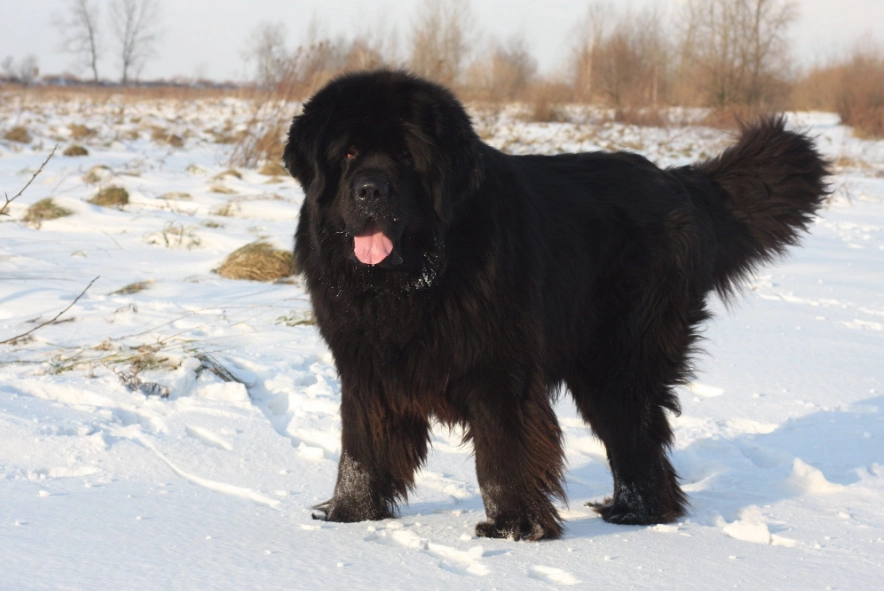
Understanding the Newfoundland Dog's Temperament
Socialization: The Early Years
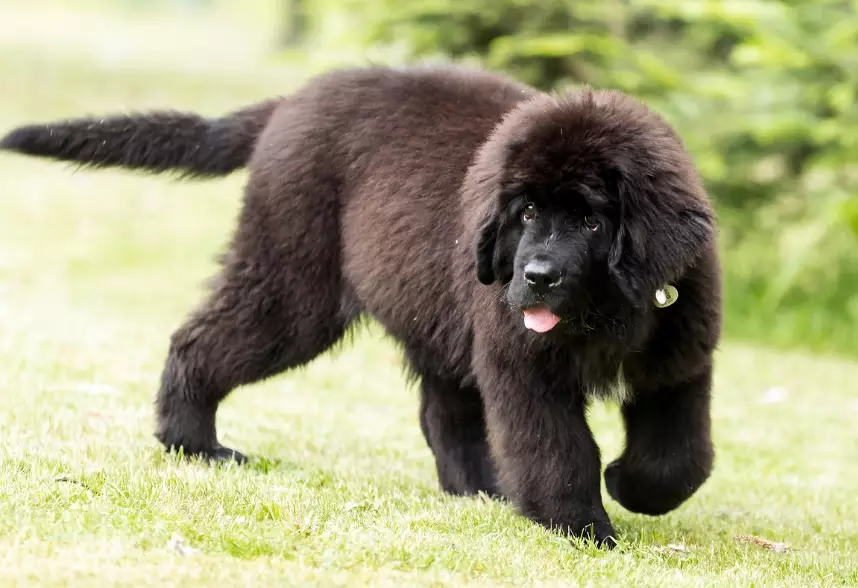
How to Groom a Newfoundland Dog: A Step-by-Step Routine
Grooming Task
Frequency
Tools Needed
Time Required
Brushing
3 times/week (daily in shedding season)
Slicker brush, undercoat rake
20-30 minutes
Bathing
Every 6-8 weeks
Dog shampoo, conditioner
1-2 hours
Nail Trimming
Every 3-4 weeks
Dog nail clippers
15 minutes
Ear Cleaning
Weekly
Ear cleaner, cotton balls
10 minutes
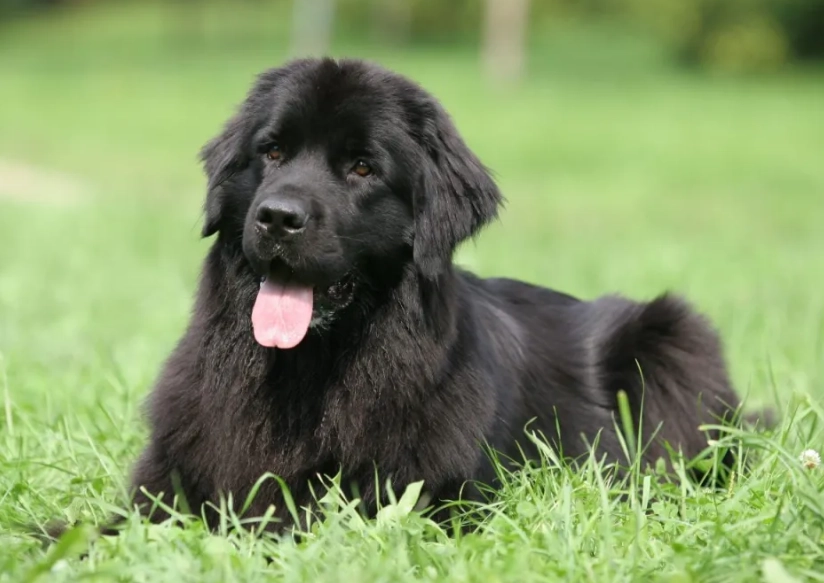
Training Your Newfoundland: Common Mistakes and Fixes
Leash Training: A Must-Do
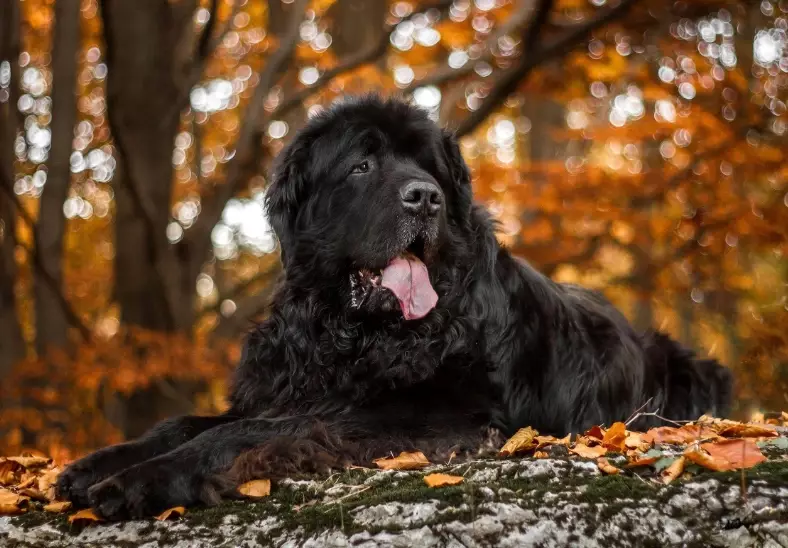
Health Issues in Newfoundland Dogs and Prevention Strategies
Is a Newfoundland Dog Right for You? Cost and Commitment Breakdown
Frequently Asked Questions About Newfoundland Dogs