Cornish Rex Cats: The Complete Owner's Guide
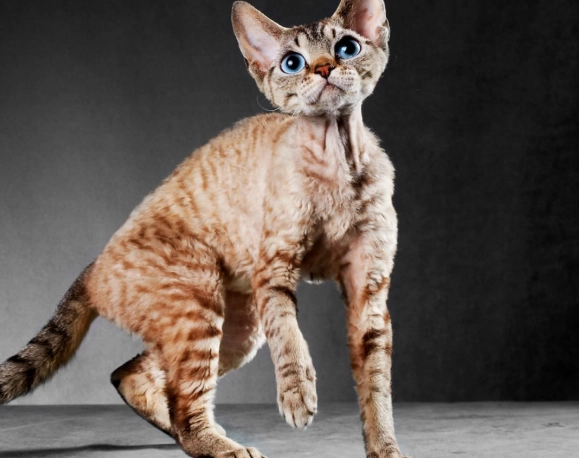
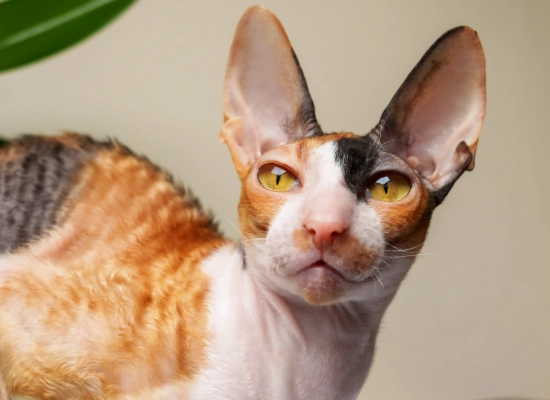
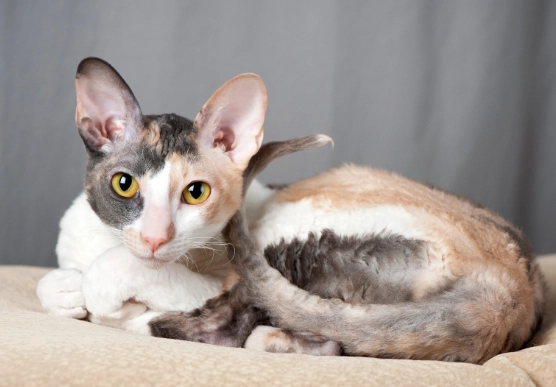
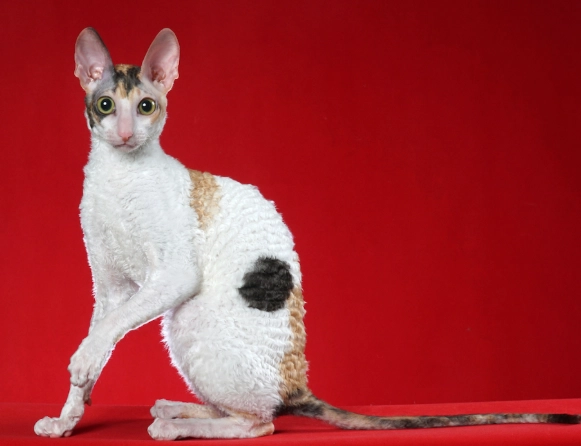
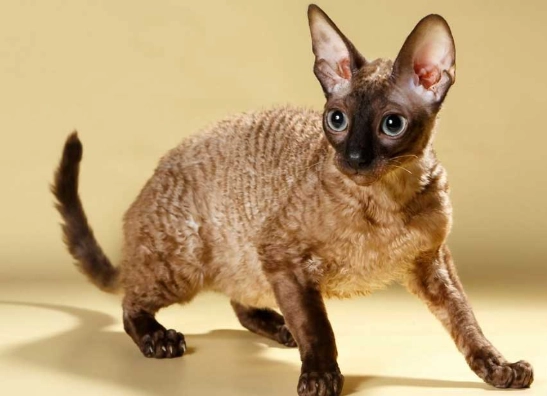
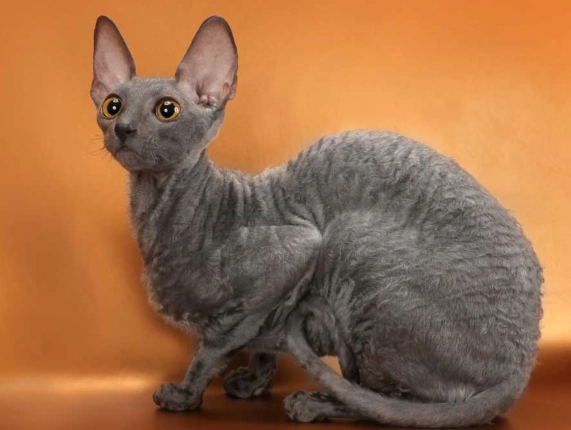
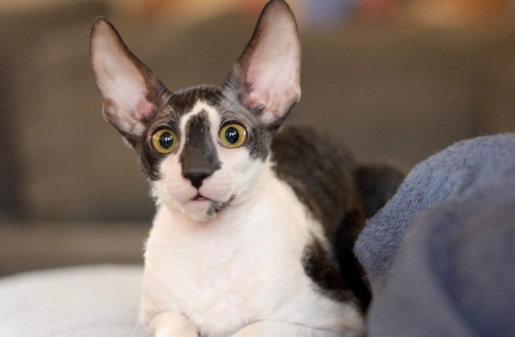
You see a photo of a cat with a coat that looks like crushed velvet, huge bat-like ears, and a body that seems to be made of springs. That's a Cornish Rex. I remember the first time I met one at a cat show years ago. It wasn't just sitting there looking pretty; it was perched on its owner's shoulder, surveying the room like a tiny, curious parrot. That moment stuck with me. If you're tired of aloof, furniture-dwelling felines and want a cat that acts more like a permanent, playful toddler with a wagging tail (they do that!), you're in the right place. This isn't just a list of breed facts. It's a deep dive from someone who's spent years around them, talking to breeders, owners, and spotting the common pitfalls first-time Rex owners walk right into. Forget everything you know about normal cat fur. In 1950, on a farm in Cornwall, England, a barn cat named Serena gave birth to a litter. One kitten, named Kallibunker, had a bizarre, soft, curly coat. This was a spontaneous genetic mutation affecting the hair structure. All three hair layers (guard, awn, and down) were missing, leaving only the soft, wavy undercoat. Breeders worked with this unique gene (now known as the "rex" gene), and the Cornish Rex was born. It's a natural mutation, not a human-designed hybrid. Their appearance is unmistakable. A Crucial Distinction: Don't confuse them with the Devon Rex, which has a similar coat but a completely different gene and face structure (more elfin, with huge eyes). The Cornish Rex gene is recessive. Mixing the two breeds produces straight-haired kittens. Major cat registries like The Cat Fanciers' Association (CFA) and The International Cat Association (TICA) have separate breed standards for each. If you want a cat that ignores you, get a different cat. The Cornish Rex is a people-centric performance artist. They form intense bonds with their humans, often choosing one favorite person to shadow relentlessly. Expect them to follow you from room to room, participate in your chores, and offer unsolicited opinions on your cooking. Their energy level is high, but it's a focused, playful intelligence. They are phenomenal jumpers and love high vantage points. Cat trees are mandatory, not optional. I've seen one learn to open lever-style door handles after watching its owner a few times. Here’s the nuanced bit many guides miss: their need for warmth isn't just physical. It's emotional. They crave the warmth of your lap, your bed, your neck. A cold Cornish Rex is an unhappy Cornish Rex, and an unhappy Cornish Rex will find creative ways to express it, like "redecorating" your bookshelf at 3 AM. They are not a good fit for someone who wants a low-interaction pet or is gone for 12 hours a day. Generally, fantastic. Their sturdy, playful nature makes them great companions for gentle, respectful children. They often get along splendidly with cat-friendly dogs, especially breeds that enjoy play. Their social drive means they usually love having another cat friend, preferably another active breed. A solo Cornish Rex in an empty house is a recipe for mischief born of loneliness. With a typical lifespan of 11-15 years, they are generally healthy. However, responsible ownership means knowing the potential genetic hiccups. Reputable breeders screen for these. A less discussed issue: their high metabolism. They burn calories quickly to stay warm, so they often need more food than a cat of similar size. Underfeeding a Cornish Rex can lead to them looking scrawny and unhealthy. Yes, they shed less. No, they are not maintenance-free. Their fine hair can get greasy because they lack the coarse guard hairs that distribute oils. Many need a bath every 4-8 weeks with a mild kitten shampoo to prevent oil buildup that can lead to skin issues. It's easier than you think—most Rexes, having little fur to soak, dry incredibly fast. Use warm towels and keep them in a warm room. Weekly ear cleaning is crucial. Those large ears produce wax. Use a vet-recommended cleaner and a cotton ball. Never use Q-tips deep in the ear canal. Nail trimming and dental care (brushing or dental treats) are standard for any breed. High-quality, protein-rich food is key. Many owners find a mix of wet and dry works well—wet food for hydration, dry kibble for grazing. Because they are active and burn energy staying warm, free-feeding high-quality dry food often works better than strict portion control, but monitor their weight. An obese Rex is rare but possible. Your home should be comfortably warm. Think 70-75°F (21-24°C). Provide multiple warm spots: a heated cat bed (the plug-in kind with a removable washable cover is a lifesaver), blankets in sunny windows, and access to your bed or couch. In winter, a sweater might be cute, but a consistently warm environment is better. This breed is highly trainable. They excel at clicker training and can learn tricks like fetch, high-five, and even agility courses. The key is short, positive, play-based sessions. Their intelligence means they also get bored easily. Rotate toys frequently. Puzzle feeders are brilliant for them. Play isn't optional; it's a daily requirement. A good 20-30 minutes of interactive play (wand toys, laser pointers used responsibly) twice a day will keep them mentally and physically satisfied. Without it, that energy will turn to climbing your curtains. Introducing a Cornish Rex to a home with existing pets requires patience. Use scent swapping first, then gradual visual introductions through a gate. Their confident, playful demeanor usually helps, but never force it. Let the Cornish Rex's curiosity do the work. This is the most important decision. A good breeder is your health and temperament insurance. Finding a Reputable Breeder: Look for those who are registered with CFA or TICA, who raise kittens underfoot in their home (not in cages), who ask you as many questions as you ask them, and who provide: Kittens should stay with their mother until at least 12-14 weeks old. A breeder letting them go earlier is a red flag. The Rescue Route: Organizations like Petfinder often list breed-specific rescues. You might not find a kitten, but adopting an adult Cornish Rex has huge advantages: their personality is fully formed, and you're giving a home to a cat in need. I've known several rescued Rexes who became the most devoted companions. Be wary of online marketplaces offering "rare" Cornish Rex kittens at bargain prices. These are often kitten mills or scams with no health testing. Are Cornish Rex cats really hypoallergenic? Let's be precise. No cat is 100% hypoallergenic. The main allergen, Fel d 1 protein, is in cat saliva. Cornish Rex cats groom themselves and deposit saliva on their fur. However, they produce less of this protein than some breeds, and their short, tight coat sheds far less hair and dander into your environment. For many people with mild allergies, this makes a Cornish Rex tolerable where other cats are not. But it's not a guarantee. The only way to know is to spend several hours in a breeder's home with the cats before you commit. Can a Cornish Rex live with dogs or other pets? Their social and playful nature often makes them excellent companions for other pets, including cat-friendly dogs. The introduction process is key—slow and scent-based first. I've seen a Cornish Rex become best friends with a gentle Retriever, initiating play by bopping the dog's nose. They usually thrive with another feline friend, especially if you're away during the day. A bored, lonely Rex is a destructive Rex. What's the biggest mistake new Cornish Rex owners make? Underestimating their dual need for physical warmth and constant companionship. It's not enough to just like their look. Their thin coat offers zero insulation, so they seek out heat sources. A cold home or lack of warm beds leads to a miserable cat. Equally, treating them like an independent cat and leaving them alone for long stretches ignores their pack-animal mentality. They need interaction, play, and to be part of the action. They are a commitment of time and warmth. How much does a Cornish Rex kitten cost? From a responsible, ethical breeder who does full health testing, expect to pay between $800 and $1,500. Show-quality kittens from champion lines will be at the higher end. Price varies by region, coat color, and breeder reputation. Adoption from a breed-specific rescue is significantly less, usually a few hundred dollars in donation fees. The old saying holds true: you get what you pay for. A cheap kitten often leads to expensive vet bills and heartache down the line. So, is a Cornish Rex right for you? If you want a cat that's more like a dog in its loyalty, a monkey in its antics, and a hot water bottle in its desire to cuddle, and you're ready to provide a warm, engaged home, then absolutely. They're not the easiest cat, but for the right person, they're arguably the most rewarding. They don't just live in your house; they become the lively, curly-coated heartbeat of it.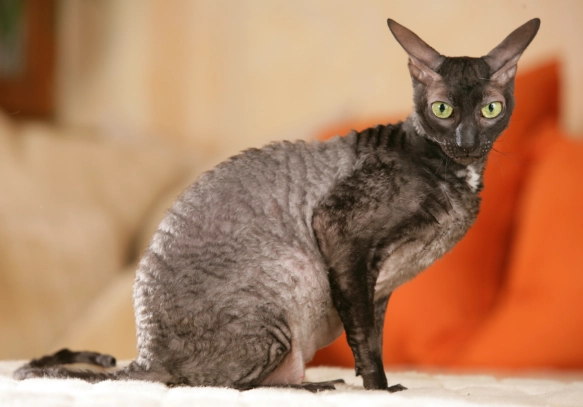
What's Inside This Guide?
What Exactly is a Cornish Rex Cat?
Cornish Rex Personality and Temperament: More Than Just a Lap Cat
Are They Good with Kids and Other Pets?
Cornish Rex Health and Lifespan: What You Need to Watch For
Condition
Description
Prevention/Action
Hypertrophic Cardiomyopathy (HCM)
A thickening of the heart muscle, the most common heart disease in cats. Can be hereditary.
Ask breeders for proof of recent (within 1-2 years) echocardiogram screenings of the parents. Annual vet check-ups with stethoscope listening.
Patellar Luxation
The kneecap slips out of place. Mild cases are common; severe cases need surgery.
Observe kitten's gait. Reputable breeders avoid breeding severely affected cats. Maintain a healthy weight.
Sun Sensitivity
Their thin coat offers little protection. Light-colored Rexes are prone to sunburn on ears and nose.
Keep them indoors. Use pet-safe sunscreen (zinc oxide is toxic!) if they have access to sunny windows.
Cornish Rex Care Guide: Grooming, Feeding, and Environment
Grooming: The Low-Shedding Myth
Feeding: Fuel for the Furnace
The Environment: Warmth is Non-Negotiable
Living with a Cornish Rex: Training, Play, and Multi-Pet Homes
Choosing a Cornish Rex Kitten or Cat: Breeder vs. Rescue
Your Cornish Rex Questions Answered