Grain Free Dog Food: A Vet's Honest Guide to Benefits and Risks
Let me be clear right from the start. I've seen the hype cycle around grain free dog food more times than I care to count. A client walks in, convinced their dog's every itch and sneeze is a grain allergy, ready to drop serious money on the trendiest bag on the shelf. Sometimes it's the right move. Often, it's a costly detour that misses the real problem. The conversation around grain free isn't black and white. It's murky, filled with marketing genius, genuine health concerns, and a hefty dose of confusion. My goal here isn't to sell you on a brand or scare you away from a category. It's to give you the framework I use in my clinic to cut through the noise and figure out what's actually best for the dog in front of me. At its simplest, grain free dog food excludes common cereal grains like wheat, corn, rice, barley, oats, and rye. That's the easy part. Where people get tripped up is assuming "grain free" equals "low carb" or "all meat." It doesn't. To bind the kibble and provide energy, manufacturers replace grains with other carbohydrate sources. This is the critical twist. We're talking peas, lentils, chickpeas, potatoes, sweet potatoes, and tapioca. These "pulses" and starches now make up the carb portion of the diet. So you're swapping one set of carbs for another, often in higher concentrations. I had a client feeding a "premium" grain free diet who was shocked when I pointed out that peas and lentils were the first three ingredients, ahead of the named meat. The dog was eating a legume-based diet with chicken flavoring, not a protein-centric one. That's the first reality check. Let's strip away the marketing and look at the actual potential benefits and drawbacks, based on evidence and clinical observation, not Instagram ads. Managing True Grain Allergies: This is the only non-negotiable, medical reason to go grain free. True food allergies in dogs are rare (about 10% of all allergies), and of those, grains like wheat or corn can be a culprit. If a proper elimination diet trial, supervised by a vet, confirms a grain allergy, then a grain free diet is necessary. Not "maybe," not "could help"—it's the treatment. Reducing Carb Intake for Some Dogs: While not low-carb, some grain free formulas use lower-glycemic index carbs like sweet potato or chickpeas. For a diabetic dog or one needing strict weight management, this might offer a marginal benefit over a diet loaded with white rice or corn. It's a tool, not a guarantee. Owner Perception of Quality: This sounds fluffy, but it matters. If you believe you're feeding a better, more natural diet and that motivates you to be more engaged with your dog's nutrition, that's a positive psychological effect. Engagement is good. Just base it on facts. It's Not Inherently "More Natural." Wolves might not farm wheat, but they also don't harvest lentils or farm potatoes. The modern grain free kibble is just as processed as any other kibble. The "ancestral diet" argument is marketing poetry. Digestive Upset is Common. The high legume content is notorious for causing gas, bloating, and irregular stools in dogs not used to it. I see more tummy trouble from a sudden switch to grain free than from most other diet changes. Their gut bacteria need time to adjust to the new fiber and starch profiles. Cost. You're almost always paying a premium for the "free-from" label. That money could often be better spent on a higher-quality protein source in a grain-inclusive diet. The Big One: The DCM Link. This isn't a downside; it's a potential risk that must be addressed head-on. We'll dive into this next. In 2018, the U.S. Food and Drug Administration (FDA) dropped a bombshell with an investigation into a potential link between certain grain free diets and a heart disease called Dilated Cardiomyopathy (DCM) in dogs. This wasn't minor. Dogs with no genetic predisposition to DCM were developing it. The common thread? Many were eating diets labeled "grain free" that used peas, lentils, legumes, or potatoes as main ingredients. The leading theory isn't about the absence of grains, but the presence and high inclusion of these specific replacement ingredients, possibly interfering with taurine absorption or metabolism (taurine is an amino acid critical for heart health). Here's my take, after reading the reports and talking with cardiology colleagues: The FDA hasn't declared a definitive causal link, but the association is strong enough to be a major red flag. It prompted massive reformulations in the industry. The takeaway isn't panic, but informed caution. If you choose grain free, you must choose wisely. Avoid formulas where peas, lentils, or potatoes appear multiple times in the top ten ingredients. Look for brands that have invested in research, conduct feeding trials, and publish their findings. The era of blindly trusting any "boutique" grain free brand is over. If you've ruled out the DCM risk factors for your dog (talk to your vet) and have a valid reason to try grain free, here's your action plan. It's less about the "grain free" label and more about the overall quality. 1. Read the Ingredient List Like a Detective. The first five ingredients are what the food is mostly made of. 2. Ignore the Front of the Bag. Master the Guaranteed Analysis. The pretty pictures and claims are meaningless. Turn the bag over. 3. Contact the Company. Ask the Hard Questions. A quality company is transparent. If you get vague answers or no reply, that's your answer. Let's apply the criteria above to some well-known names. This isn't an endorsement, but a snapshot analysis based on current formulations (which can change). See the difference? It's not the brand name, it's the architecture of the recipe. Brand C might cost more and have fancier packaging, but its formulation raises more questions than Brand A. My Personal Rule of Thumb: If a dog doesn't have a diagnosed grain allergy, I now more often recommend a high-quality grain-inclusive diet with whole grains like oats, barley, or brown rice over a grain free one. It sidesteps the DCM uncertainty, is often easier on digestion, and is usually better value. The grain free trend made us villainize ingredients that are actually safe, nutritious, and affordable for most dogs. Can grain free food help my dog with itchy skin and ear infections? My dog has a sensitive stomach. Is grain free easier to digest? How do I safely switch my dog from a regular diet to grain free food? Are there specific breeds that should avoid grain free diets? The bottom line is this: grain free dog food is a tool, not a religion. For a small subset of dogs with confirmed grain issues, it's the right tool. For the vast majority, it's an optional choice that comes with extra cost, potential digestive hurdles, and a need for much more careful selection due to heart health concerns. Don't feed the label. Feed the ingredient list. Feed the nutritional adequacy statement. Feed based on your individual dog's health, activity, and needs, not the latest trend in the pet aisle. When in doubt, that conversation with your veterinarian—armed with the specifics of a food's formula—is worth infinitely more than any article or ad you'll ever see.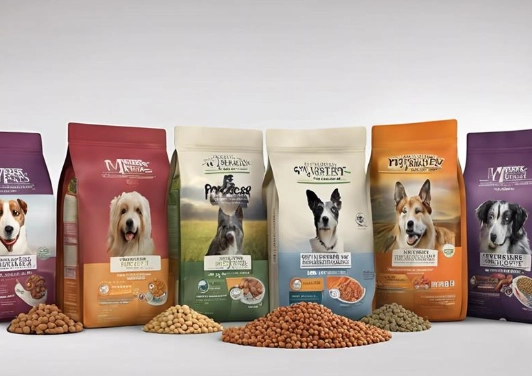
Your Quick Guide to Grain Free Dog Food
What is Grain Free Dog Food? It's Not What You Think
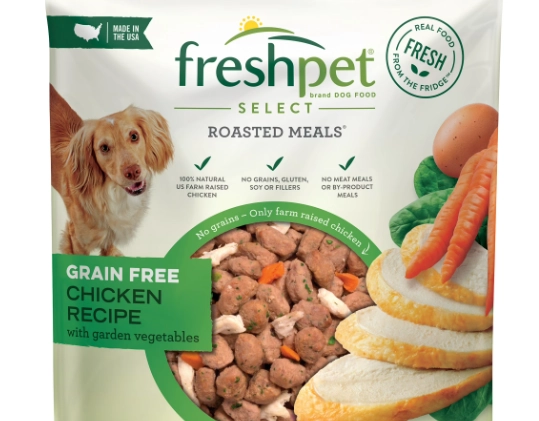
The Real Pros and Cons: Separating Fact from Fad
Potential Benefits (When They Actually Apply)
The Downsides and Misconceptions
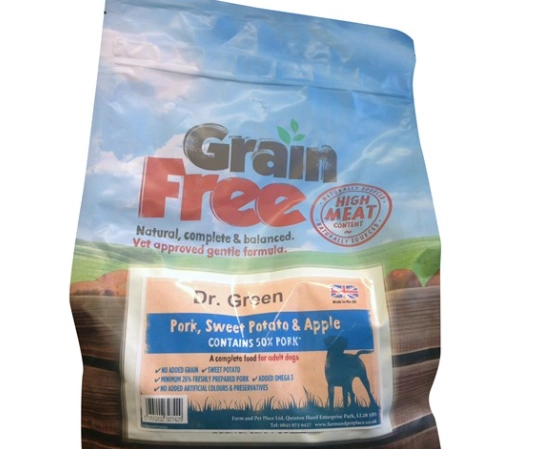
The Grain Free and DCM Controversy: What You Need to Know
How to Choose a Grain Free Food (If You Decide To)
A Realistic Look at Popular Grain Free Brands
Brand & Formula
Protein Source (1st Ingredient)
Key Carbohydrates
Notable Points
Brand A: Salmon & Sweet Potato Recipe
Deboned Salmon
Sweet Potatoes, Peas, Tapioca
Solid single protein start. Peas are present but not overwhelmingly multiple. A common "safer" choice.
Brand B: Ancient Grains with Wholesome Grains*
Deboned Chicken
Oatmeal, Brown Rice, Barley
*Not grain free! Included to show a modern alternative. Uses digestible whole grains, avoiding the legume/DCM concern entirely.
Brand C: Premium Duck & Pea Recipe
Duck
Peas, Pea Protein, Pea Starch, Tapioca
Red flag. Peas in three forms before the 5th ingredient. This is the "legume overload" pattern linked to concerns.
Brand D: Limited Ingredient Diet Turkey
Turkey
Chickpeas, Peas
Good for allergy trials, but still legume-based. Monitor for gas. May need taurine supplementation.
Your Burning Questions Answered