Whisker Fatigue in Cats: Signs, Solutions, and Safer Bowls
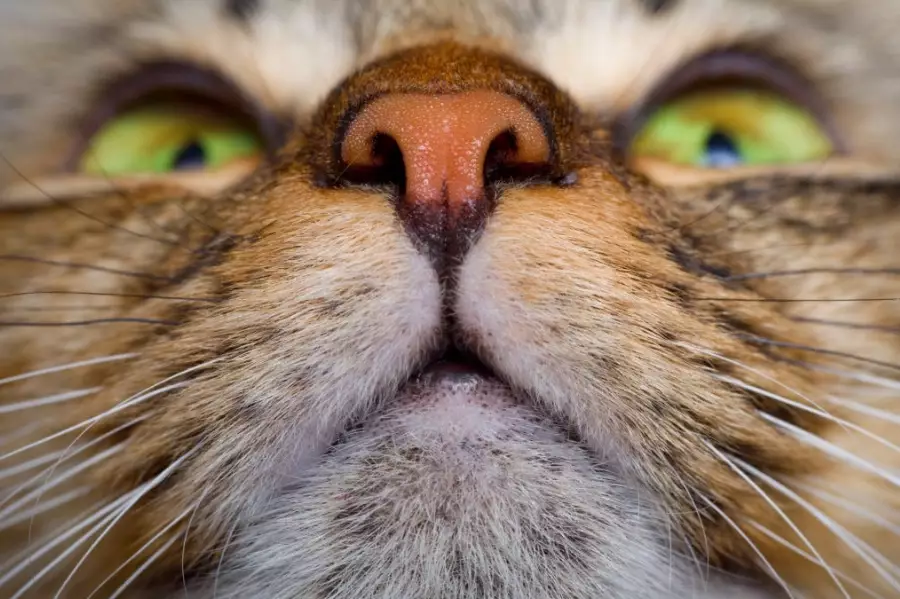
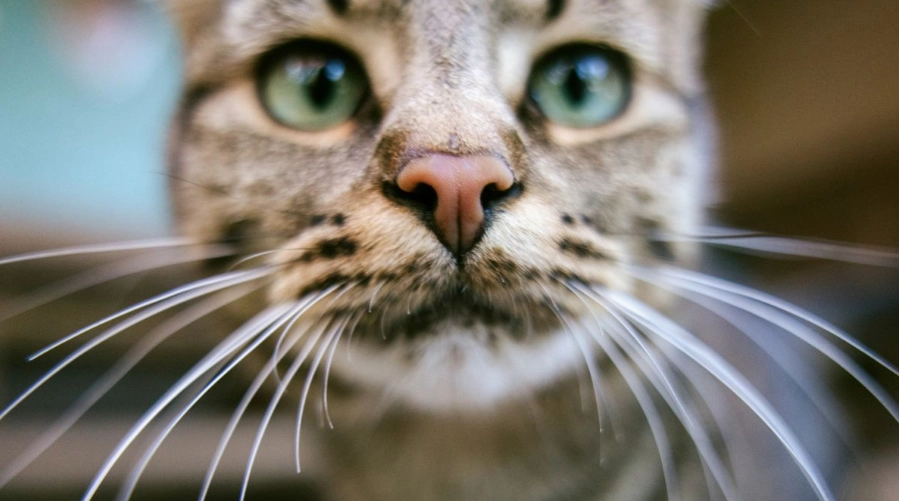
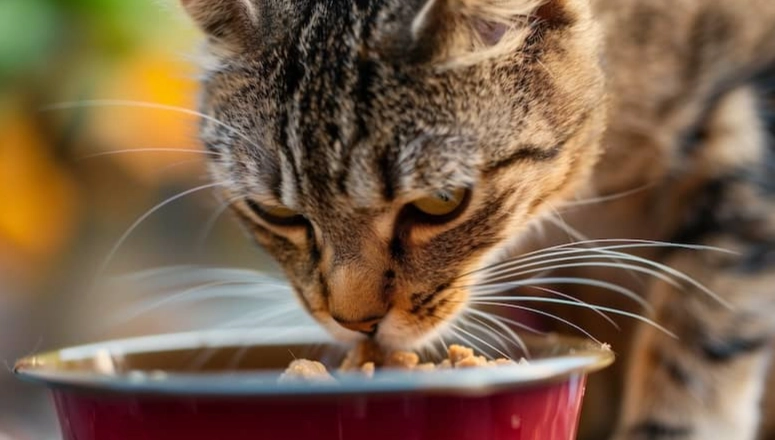
You buy the premium food, keep the water fresh, and stick to a schedule. But your cat still acts up at mealtime. Maybe they paw kibble onto the floor before eating it. Maybe they just take a few bites and walk away, leaving you worried. A lot of owners chalk it up to feline finickiness. I did too, for years, until I realized the problem wasn't the food—it was the bowl. Specifically, it was causing something called whisker fatigue, or whisker stress. It sounds trivial. How can a bowl cause fatigue? But after seeing the immediate change in my own cat, Oliver, and helping countless others in my pet care circles, I'm convinced it's one of the most overlooked and easily fixed issues in cat ownership. This isn't about spoiling your pet; it's about understanding a fundamental piece of feline biology that we, in our human-centric world, completely ignore. Let's clear something up first. Whisker fatigue isn't a medically diagnosed disease like kidney failure or diabetes. You won't find it in old veterinary textbooks. The term is more of a descriptive label for a sensory overload condition. But that doesn't make it any less real for your cat. A cat's whiskers (vibrissae) are deeply rooted in follicles packed with nerves and blood vessels. They're not just hair; they're sophisticated, high-precision tactile sensors. According to resources from the Cornell Feline Health Center, whiskers help cats navigate spaces, detect air currents, and gauge distances. They're crucial for hunting and spatial awareness. Now, imagine those super-sensitive tools being constantly pressed against the hard, unforgiving sides of a deep food or water bowl, meal after meal, day after day. Every scrape sends a barrage of signals to your cat's brain. It's like someone tapping on your shoulder non-stop while you're trying to eat. It's irritating, distracting, and eventually, stressful. That persistent, unwanted stimulation is the core of whisker fatigue. Whisker fatigue is primarily about constant tactile pressure, not just touch. A cat brushing its whiskers against furniture while exploring is a brief, controlled interaction. The problem arises from sustained, forceful contact they can't avoid, like when their face is trapped in a bowl. This is why water bowls can be just as problematic as food bowls—they have to push in to drink. Cats are masters of subtlety. They rarely yowl in pain from this. Instead, they develop quiet, frustrating coping mechanisms that owners misinterpret. Here’s what to watch for: If your cat does one of these things, it doesn't automatically mean whisker fatigue. But if they do several, and you're using a typical deep bowl, the odds are very high. The classic pet bowl is designed for human convenience, not feline anatomy. It's deep to hold more food and prevent spills. It's often narrow to fit in a cute stand. These features are a perfect storm for whisker stress. A deep bowl forces a cat to plunge its face in to reach the last bits of food or water. Their whiskers splay out naturally and get mashed against the sides. For a cat eating wet food, which sits at the bottom, this is a constant issue. Even with dry food, as the level goes down, the problem gets worse. A small bowl cramps their face. There's no room for their whiskers to rest comfortably outside the eating zone. Every movement while chewing or lapping water involves contact. This is why a wide, shallow dish is the gold standard—it gives their whiskers space to breathe. I made this mistake for ages. I had a lovely, heavy ceramic bowl I thought was perfect. It was deep and had a narrow opening. Oliver would eat from it, but he'd always leave a few pieces at the very bottom. I thought he was just full. When I finally swapped it for a flat plate, he licked it clean for the first time ever. The "full" signal I was reading was actually a "this is uncomfortable" signal. Fixing this is cheap and simple. You don't need a fancy $40 "whisker fatigue" bowl marketed online. You often have the solution in your kitchen cabinet. Material Matters Too: Ceramic (lead-free, glazed) and stainless steel are superior to plastic. They are more hygienic, less porous, and don't harbor bacteria that can cause feline acne—another common issue exacerbated by bowl choice. A wide, stainless steel dog food saucer is a fantastic, inexpensive option. Switching the bowl is the 80% solution. These extra steps can help the remaining 20%, especially for sensitive cats. Keep the Food Level High. Don't let dry food get too low in the bowl. Top it up more frequently so your cat doesn't have to dig their face in. Rethink the Water Station. Whisker fatigue applies to drinking, too. A deep, narrow water bowl is just as bad. Use a wide, shallow water dish. Better yet, consider a cat water fountain. The flowing water encourages drinking, and most fountain designs have wide, shallow basins that are perfect for whiskers. Try Puzzle Feeders (Carefully). Some puzzle feeders have wide openings and are great. Others have narrow holes that can cause the same issue. Observe your cat. If they give up on a puzzle toy, it might not be the challenge—it might be their whiskers hitting the sides. Feed on a Routine. Anxiety compounds sensory issues. A predictable feeding time in a quiet location helps your cat feel secure and less reactive to minor discomforts.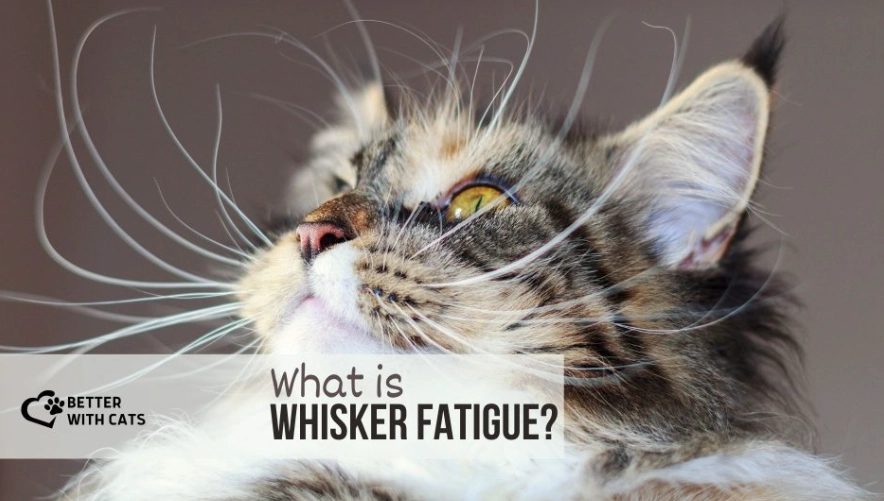
Quick Navigation: What You'll Find Here
What Exactly Is Whisker Fatigue?
A Key Distinction Most Articles Miss
Spotting the Subtle Signs in Your Cat
Why Your Cat's Bowl is Probably the Problem
Why Deep Bowls Are a Problem
The Double Whammy of Small Diameter
Choosing the Right Bowl: A Practical Guide
Bowl Type
Best For
What to Look For / Use
Potential Drawback
Shallow Saucer or Ramekin
Wet food, pate, gravy-based meals.
A human dessert plate, salad plate, or a shallow ceramic ramekin. The lip should be no more than 1-2 cm high.
Dry kibble can be easily scattered off the edge.
Wide, Low-Profile Bowl
Dry food, mixed wet and dry.
Search for "low profile" or "wide cat bowl." It should have a wide opening (15+ cm) and very gently sloping sides.
Can still be problematic if the sides are too vertical, even if the bowl is wide.
Flat Feeding Mat or Tray
Cats who are extreme food flippers, puzzle feeding.
A silicone mat or a simple plastic tray. You can scatter kibble or place wet food blobs directly on it.
No containment for liquids or gravies. Requires more cleaning of the surrounding area.
Elevated Bowl with Wide Dish
Older cats, cats with arthritis, or for ergonomics.
Ensure the dish on the stand is wide and shallow. The elevation helps posture, but the dish shape is still key.
Many elevated feeders come with deep bowls, defeating the purpose.
Other Strategies for a Stress-Free Mealtime
Your Whisker Fatigue Questions Answered
 The bottom line is this: whisker fatigue is a simple problem with a simple fix. It requires no medication, just a little empathy and observation. Look at your cat's bowl tonight. If it's deep and narrow, try an experiment. Grab a flat plate, serve their next meal on it, and watch. The change in their behavior might just surprise you. For Oliver, it turned mealtime from a hesitant chore into a peaceful event. It's a small adjustment that shows your cat you understand their world, not just yours.