Spaniel Dogs: A Complete Guide to Breeds, Care, and Training
Let's be honest. You probably first fell for a spaniel because of those soulful eyes and that wagging tail that seems to power their entire back half. I get it. My first dog as an adult was a Springer Spaniel named Finn, and he was a tornado of affection and mischief wrapped in a black and white coat. But here's the thing most articles don't tell you straight up: spaniels are a commitment. A wonderful, rewarding, but serious commitment. They're not just decorative couch warmers. They're athletes with a PhD in sniffing, bred for centuries to work closely with humans. Get that relationship right, and you have an unparalleled companion. Get it wrong, and you might end up with a neurotic, barky, matted mess.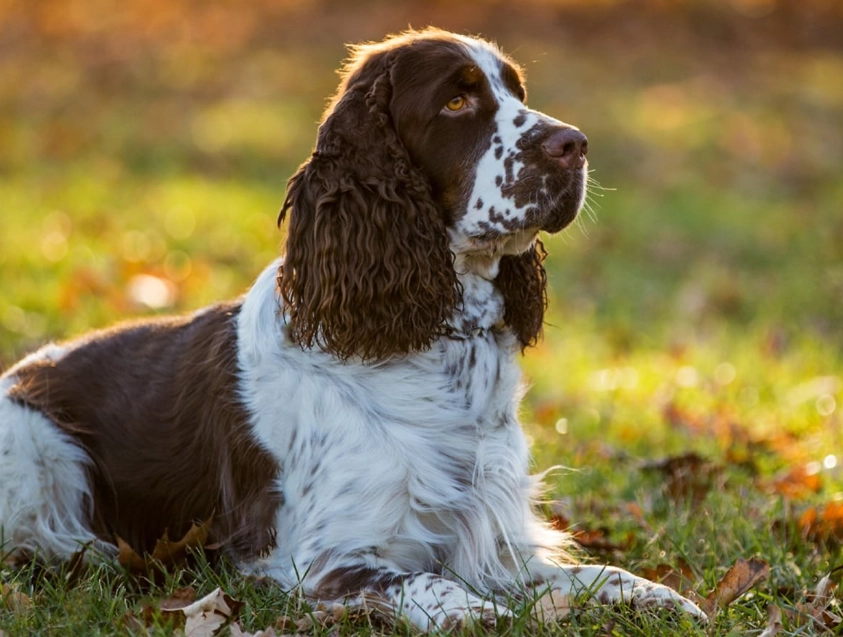
This guide isn't a fluffy overview. It's the manual I wish I'd had. We'll cut through the generic advice and talk about what living with a spaniel is really like, how to pick the right one for your actual life (not your fantasy life), and how to avoid the common pitfalls that drive so many spaniel owners to rehoming forums.
What's Inside This Guide?
Choosing the Right Spaniel Breed for Your Lifestyle
"Spaniel" isn't one thing. It's a category, and the differences between a Cavalier King Charles napping on a pillow and a Field Spaniel working a hedgerow are vast. The biggest mistake is choosing based on looks alone.
I see people pick a working-type English Springer for their chic apartment because they like the look, then are shocked by the dog's relentless energy. That's a recipe for frustration on both ends.
Here’s a blunt breakdown of four popular types to help you match energy with reality:
| Breed / Type | Energy & Exercise Need | Grooming Commitment | Best For... | Think Twice If... |
|---|---|---|---|---|
| Cavalier King Charles Spaniel | Moderate. Happy with a couple of walks and couch time. | Moderate. Regular brushing, but hair is silkier, less prone to matting than a Cocker's. | First-time owners, apartments, families with gentle kids, low-activity seniors. | You're away from home 9+ hours daily (separation anxiety risk). You want a jogging partner. |
| Show-line Cocker Spaniel | Moderate to High. Needs a solid 45-60 min of activity daily. | High. That beautiful coat requires near-daily brushing and professional grooming every 6-8 weeks. | Active individuals/families, owners who enjoy grooming or can budget for a pro. | You hate brushing or have a tight budget. You're not prepared for potential "Cocker rage" (a rare but serious genetic aggression issue – ask breeders about lineage). |
| Field-line Springer Spaniel | Very High. This is a canine athlete. Needs vigorous running, hiking, or job-oriented play daily. | Moderate. Coat is shorter and more wiry. Less matting, but still sheds and needs regular care. | Runners, hikers, hunters, very active families with a yard. People who want to get into dog sports. | You have a sedentary lifestyle. You value a pristine, quiet home (they are exuberant and can be mouthy). |
| American Cocker Spaniel | Moderate. Playful but often more sedate than their English cousins. | Very High. That luxurious coat is a magnet for mats and requires meticulous, professional upkeep. | Companion-focused owners who adore grooming and the "show look." | You live in a muddy or burr-heavy area. You want a low-maintenance dog. |
My Springer, Finn, was from a field line. I learned the hard way that "loves long walks" in breed descriptions really meant "requires a 5-mile run followed by a game of fetch to be mildly tired." It forced me to become a runner, which was great for me, but it wasn't an accident.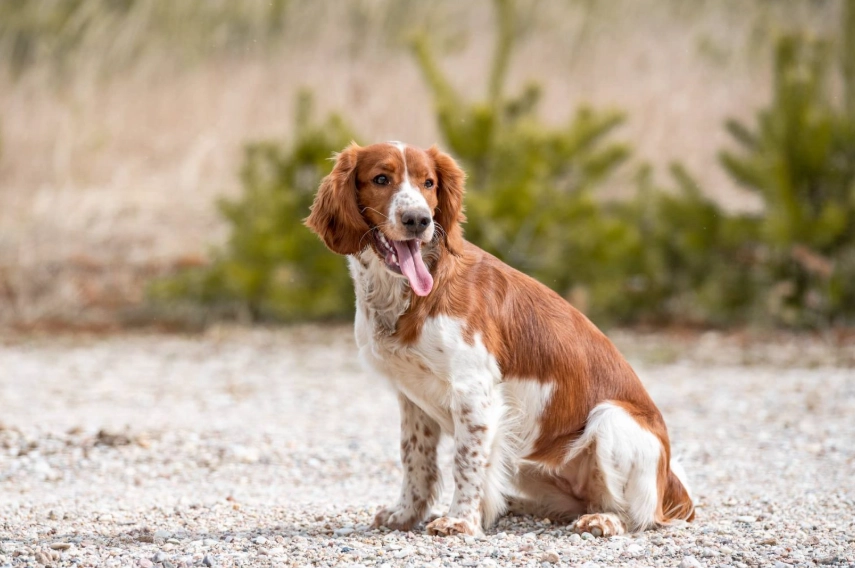
Spaniel Care: The Non-Negotiable Essentials
Okay, you've picked your spaniel. Now, let's talk about the daily and weekly must-dos. This is where the rubber meets the road.
Grooming: It's Not Vanity, It's Healthcare
Those gorgeous, flowing ears and feathery legs are spaniel hallmarks. They're also dirt, moisture, and mat magnets. Neglect here leads to pain, infection, and huge vet bills.
Ears: This is job number one. Spaniels have floppy ears that create a warm, dark, moist environment—perfect for yeast and bacteria. You need to clean them weekly with a vet-recommended ear cleaner. Lift the ear flap, fill the canal (don't be shy), massage the base for 20 seconds, and let the dog shake. Then wipe out the accessible part with a cotton ball. If you smell a funky, cheesy odor, it's time for a vet visit.
Coat: The brushing schedule in the table is the minimum. For Cockers and Springers, a slicker brush and a metal comb are your best friends. You must comb down to the skin to find and prevent mats. The worst ones form in hidden spots: behind the ears, in the armpits, under the collar.
Exercise: More Than a Walk Around the Block
A leashed walk for bathroom breaks isn't exercise for most spaniels. It's a warm-up. They need activities that engage their brain and body.
Nose Work: This is your secret weapon. Hide treats around the house or yard and tell them to "find it." Use a snuffle mat for meals. This 15 minutes of sniffing can tire them out more than an hour of walking.
Fetch & Retrieval: Tap into their breeding. A good game of fetch in a secure area is perfect. Use a ball launcher if you want to save your arm.
Swimming: Many spaniels are natural swimmers. It's fantastic, low-impact exercise. Just be sure to rinse the chlorine or lake water off their coat and dry those ears thoroughly afterward.
Training Your Spaniel: Working With the Nose
Spaniels are biddable—they want to please. But they are also easily distracted by... everything. A squirrel, a leaf, a fascinating smell on the ground. Your job is to be more interesting than the environment.
Recall is Everything: Start recall training in a boring, safe room with incredible rewards (boiled chicken, cheese). Never, ever call your dog for something they perceive as negative (like ending playtime or a bath). Always make coming to you a party.
In the real world, use a long-line leash (30 ft) before you ever trust them off-leash near traffic. That nose can lead them across a field in seconds.
Managing the "Spaniel Scan": You'll see it. The head goes down, the tail goes up, and the brain disconnects. They're in the zone. Instead of screaming their name, sometimes a gentle touch or stepping into their line of sight is more effective to break the trance.
Positive reinforcement is the only way with these sensitive souls. Harsh corrections will make them shut down or become anxious. Be patient, be consistent, and make it fun.
Spaniel Health and Wellness
Choosing a responsible breeder is the single most important health decision you make. A good breeder will openly share the health clearances for both parent dogs. According to the Orthopedic Foundation for Animals (OFA), these are the big ones to ask about:
Hips & Elbows: X-rays screened for dysplasia.
Eyes: Annual certification by a veterinary ophthalmologist for conditions like cataracts, glaucoma, and retinal disorders.
Heart: Especially for Cavaliers, screening for mitral valve disease (MVD) is critical. Ask for the parents' heart grades and ages at last scan.
DNA Tests: For breed-specific issues like Familial Nephropathy in English Cockers or Degenerative Myelopathy. A reputable breeder does these.
Pet insurance is a very good idea. A single ear surgery or knee (CCL) repair can cost thousands.
Your Top Spaniel Questions Answered
Here are the questions I get asked most often, answered with the blunt honesty of someone who's been through it.
 How often do I really need to groom my Cocker Spaniel to prevent mats?
 Spaniels are not easy-mode dogs. They demand your time, your energy, and your attention. But what they give back is immeasurable. It's the enthusiastic greeting at the door, the head on your knee when you're sad, the partnership on a hike where you're both exploring the world. Do your homework, choose wisely, and commit to their needs. That floppy-eared, waggy-tailed friend will pay you back a hundred times over.
Related Articles