Dog Diarrhea: Causes, Remedies & When to See a Vet
If you're reading this, your dog probably has an upset stomach, and you're looking for answers. It happens to every dog owner eventually. One minute your pup is fine, the next they're having urgent, messy accidents in the house or needing frequent, frantic trips outside. Dog diarrhea is stressful, messy, and often a bit scary. But in most cases, it's a temporary problem you can manage at home. The key is knowing when home care is enough and when it's a sign of something more serious. This guide cuts through the noise. We'll look at the common causes, how to judge the severity, what you can do right now, and the clear red flags that mean you need professional help. Diarrhea isn't a disease itself; it's a symptom. The gut is irritated and moving things through too fast, pulling excess water into the intestines. The trigger can be simple or complex. Here are the usual suspects, ranked from most common to less frequent: A quick note on consistency: The look of the stool can give clues. Watery diarrhea often points to a problem in the small intestine. Diarrhea with lots of mucus or fresh blood (streaks of red) often suggests large intestine (colon) irritation, common with stress or dietary indiscretion. Black, tarry stool (melena) indicates digested blood from higher up in the gut and is always a vet visit. Not every bout of diarrhea needs a panic-driven trip to the emergency vet. You can triage the situation at home by asking a few key questions. This table breaks down the signs of a mild, manageable case versus a situation that needs professional attention. If your dog checks more boxes on the left, home care is a reasonable first step for 24-48 hours. If any signs from the right column appear, it's time to call your vet. Okay, your dog seems otherwise okay. Here's your action plan. The goal is to give the inflamed digestive tract a break and then reintroduce gentle, binding foods. The old-school rule was "withhold all food for 24 hours." I don't follow that rigidly anymore, and neither do many vets. For a healthy, medium or large adult dog, a 12-hour fast (overnight) can be helpful. But for small breeds, toy dogs, or puppies, going 24 hours without food can risk dangerous low blood sugar (hypoglycemia). My approach: Skip the next meal, but ensure fresh water is always available. If your dog seems hungry and isn't vomiting after 12 hours, move to step 2. The gut often heals better with some gentle nutrition, not total starvation. Water is non-negotiable. Diarrhea causes fluid loss. Dehydration is the biggest immediate danger. If your dog isn't drinking, try offering ice cubes, low-sodium chicken broth (onion and garlic-free), or even pedialyte diluted 50/50 with water. Use a syringe if you have to. If they refuse all fluids, call the vet. This is your secret weapon. It's simple, binding, and easy to digest. Feed the bland diet for 2-3 days after the diarrhea has resolved, then gradually mix it with your dog's regular food over 3-4 days to transition back. While your dog is recovering, be strict. No treats, no table scraps, no rawhides, no dairy (milk, cheese), and absolutely no fatty foods. These can set back recovery instantly. Home care isn't working, or things are getting worse. Don't wait. Call your veterinarian if: Trust your gut. If you're worried, a vet visit is never wrong. It's better to get a simple diagnosis and peace of mind than to wait for a crisis. If you go to the vet, what happens? They'll ask for a detailed history (diet, recent activities, stool description) and perform a physical exam. They may recommend diagnostic tests like a fecal exam to check for parasites, blood work, or imaging (X-rays/ultrasound). Treatment depends on the cause: You can't prevent everything, but you can stack the odds in your favor. Should I starve my dog if they have diarrhea? The classic advice of a 24-hour fast is outdated and can be risky for small dogs and puppies. A shorter 12-hour break from food (overnight) for a healthy adult dog can be helpful, but the current thinking favors offering a bland diet sooner. The gut lining actually heals faster with some gentle nutrition. Starvation can also lead to a condition called "hunger colitis," which can worsen diarrhea. What human food can I give my dog for diarrhea? Stick to the bland diet staples: boiled chicken, plain rice, plain pumpkin, or boiled potatoes. Avoid all seasoning, butter, and oils. Other options include plain, cooked oatmeal or scrambled eggs (cooked without butter or milk). Remember, these are for short-term management only, not a balanced long-term diet. Is yogurt good for a dog with diarrhea? It's a common myth. While yogurt contains probiotics, the strains are for humans, not dogs, and the lactose and sugar can irritate an already upset stomach. A better choice is a probiotic supplement made specifically for dogs, which you can get from your vet or a pet store. These contain canine-specific bacterial strains at effective doses.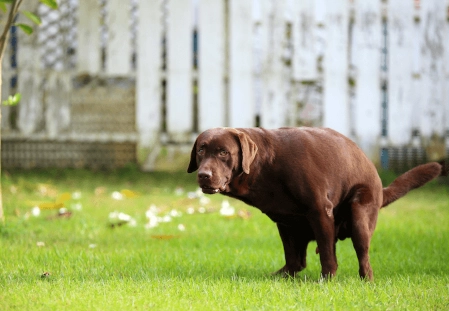
Quick Guide to This Article
What's Causing Your Dog's Diarrhea?
How to Tell If Your Dog's Diarrhea Is Serious
Likely Mild & Manageable at Home
Concerning & Needs a Vet Visit
Your dog is otherwise acting normally—energetic, playful, interested in food (even if you're not feeding much).
Your dog is lethargic, weak, depressed, or hiding.
The diarrhea is an isolated incident or has only happened 2-3 times.
Frequent, watery diarrhea or straining with little production.
No vomiting, or maybe one isolated vomit.
Repeated vomiting, especially if they can't keep water down.
Stool is soft but formed or slightly loose.
Stool contains a lot of fresh blood (red) or is black and tarry.
Your dog is still drinking water normally.
Your dog is not drinking or shows signs of dehydration (dry gums, sunken eyes, loss of skin elasticity).
No signs of pain (whining, hunched back, tense abdomen).
Visible abdominal pain, bloating, or discomfort.
Your dog is a healthy adult with no known medical issues.
Your dog is a very young puppy, a senior, or has a pre-existing condition (like diabetes, kidney disease).
Home Care and Remedies for Dog Diarrhea
Step 1: The Fasting Debate
Step 2: Introduce a Bland Diet
Step 3: What to Avoid
When to Call the Vet: The Red Flags
Veterinary Treatment and Long-Term Prevention
Preventing Future Episodes
Your Questions Answered