Understanding Cushing's Disease in Dogs: A Complete Guide
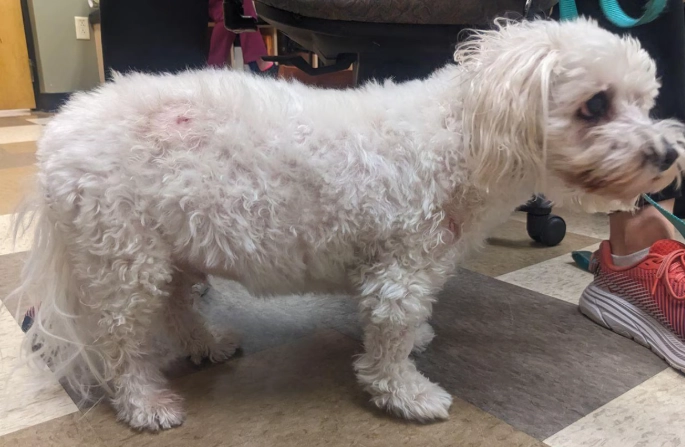
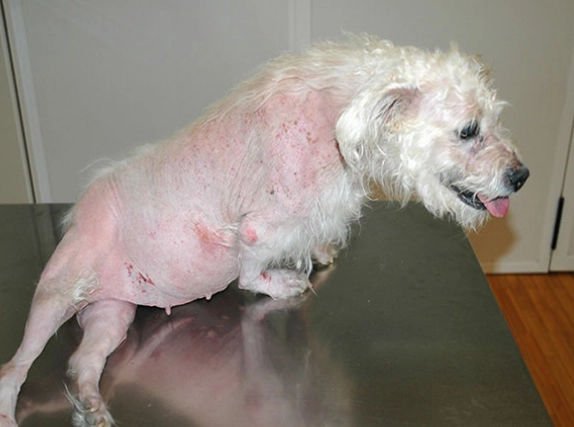
If your older dog has started drinking water like they just crossed a desert, developed a pot belly, or their once-glossy coat is now thin and patchy, you're not just watching them age. You might be seeing the classic signs of Cushing's disease, a common hormonal disorder in senior dogs. It's sneaky, often mistaken for simple old age, but understanding it is the first step to getting your furry friend back to feeling more like themselves. Let's break it down simply. Cushing's disease, or hyperadrenocorticism, happens when a dog's body produces too much cortisol. Think of cortisol as the body's built-in stress and resource manager. A little is essential; too much wreaks havoc over time. There are three main types, and knowing which one your dog has changes everything about treatment. This is the big one, causing about 85% of cases. A tiny, usually benign tumor on the pituitary gland in the brain acts like a stuck gas pedal, telling the adrenal glands to non-stop produce cortisol. The tumor itself is often microscopic. The problem is the signal, not the adrenal glands themselves. This accounts for roughly 15% of cases. Here, a tumor (which can be benign or cancerous) grows directly on one of the two adrenal glands, making cortisol completely independent of the brain's signals. This one is caused by us. It results from long-term, high-dose steroid medications (like prednisone) used to treat allergies, arthritis, or immune diseases. The good news? This form is often reversible by carefully weaning off the steroid under veterinary guidance. The signs creep up slowly, over months or even years. That's why so many people write it off as "just old age." But there's a pattern. The most common red flags are often remembered by the acronyms PU/PD (Polyuria/Polydipsia – excessive urination and drinking) and PU/PD/PP (adding Polyphagia – excessive eating). Here’s a breakdown of what to watch for, and how the two main types might look slightly different. I've seen too many owners dismiss the early drinking and panting. One client, Sarah, thought her 10-year-old Beagle was just "slowing down and feeling the heat" until the hair loss started. By then, the disease had been quietly progressing for over a year. Catching it earlier makes management smoother. This is where things get tricky, and where a lot of frustration happens. There is no single perfect test. Your vet is a detective, piecing together clues from history, physical exam, routine bloodwork, and specific hormone tests. The process usually goes like this: Step 1: The Suspicion. Your vet hears your story about the drinking, sees the pot belly, and feels the thin skin. Routine bloodwork often shows a classic pattern: elevated liver enzymes (especially ALP), high cholesterol, and maybe a "stress leukogram" on the white blood cell count. A urinalysis will show very dilute urine. These are strong clues, but not proof. Step 2: The Screening Tests. To confirm too much cortisol is being produced, vets use one of two main tests: Your vet will choose based on your dog's specific case. Neither test is 100%, and non-adrenal illness can sometimes cause false positives. Step 3: Finding the Type (PDH vs. ADH). If Cushing's is confirmed, you need to know the type. The High-Dose Dexamethasone Suppression (HDDS) Test or measuring an endogenous ACTH level can help differentiate. But here's a critical, under-discussed point: an abdominal ultrasound is often the game-changer. A good ultrasound can visualize both adrenal glands. In PDH, both are usually symmetrically enlarged. In ADH, one is often large (with a tumor) and the other is small and inactive. The ultrasound also checks for signs the tumor has spread in ADH cases, and looks for other issues like bladder stones (common in Cushing's dogs). I can't stress enough how valuable this imaging is—it provides a visual map that blood tests can't. Treatment depends entirely on the type of Cushing's and your dog's overall health. The goal is not a cure (except in some ADH cases with surgery), but symptom control and improving quality of life. For PDH and inoperable ADH, daily medication is the standard. The two main drugs are: Choosing between them involves a conversation with your vet about cost, monitoring ability, and your dog's specific health profile. If an ultrasound confirms a single, well-defined adrenal tumor with no signs of spread, surgical removal (adrenalectomy) can be curative. It's a major surgery, often performed by a specialist, and not without risk. But for a good candidate, it offers the chance to stop medication forever. Medication is just one piece. Home care is huge. Let's be honest. Managing Cushing's is a commitment of time and money. You should go in with your eyes open. What are the costs? Diagnosis can run from $500 to $1500 for all the tests and ultrasound. Medication (like Vetoryl) can cost $50-$150+ per month. Add in quarterly to semi-annual monitoring blood tests ($200-$400 each), and you're looking at a significant annual expense. Pet insurance, if you have it before diagnosis, can be a lifesaver. What's the prognosis? With proper treatment and monitoring, most dogs do very well. It's not uncommon for dogs to live 2-4 years or more after diagnosis, often passing from unrelated age-related issues. The key is control. Uncontrolled Cushing's leads to severe complications: diabetes, pancreatitis, life-threatening blood clots, and debilitating muscle loss. The quality of life on successful treatment is usually excellent. The excessive drinking and eating subside, energy improves, and while the hair may not fully grow back, the skin health gets better. It's a manageable chronic condition, like diabetes or arthritis. Can a dog live a normal life with Cushing's disease? Absolutely. Many dogs live for several years with a good quality of life after diagnosis. The treatment aims to control the symptoms, not cure the disease. With the right medication and monitoring, your dog can enjoy their walks, meals, and cuddles just like before. What happens if Cushing's disease is left untreated? The symptoms will progressively worsen. The constant high cortisol levels will weaken your dog's muscles, thin their skin further, and suppress their immune system. This leads to severe infections, diabetes, and potentially life-threatening conditions like blood clots. Their quality of life will deteriorate significantly. Is Cushing's disease painful for dogs? Cushing's itself isn't typically described as a painful condition in the way arthritis is. However, the complications it causes can be. Severe muscle weakness, chronic skin infections, and pancreatitis (which is more common in Cushing's dogs) are painful. Controlling the disease helps prevent these painful complications. How much does it cost to treat a dog with Cushing's? Costs vary widely by location and the chosen treatment path. Expect to budget $1,000-$2,000 for the initial diagnosis. Ongoing costs for medication and monitoring blood tests typically range from $1,000 to $3,000 per year. Discuss all financial options with your veterinarian upfront. Spotting Cushing's early is the greatest gift you can give your senior dog. Those changes in drinking, eating, and appearance are signals, not just inevitabilities of age. By partnering with your vet, committing to consistent treatment and monitoring, you can manage this disease effectively. Your dog can have many more happy, comfortable days ahead. The journey requires vigilance, but seeing them regain their spark makes it worthwhile.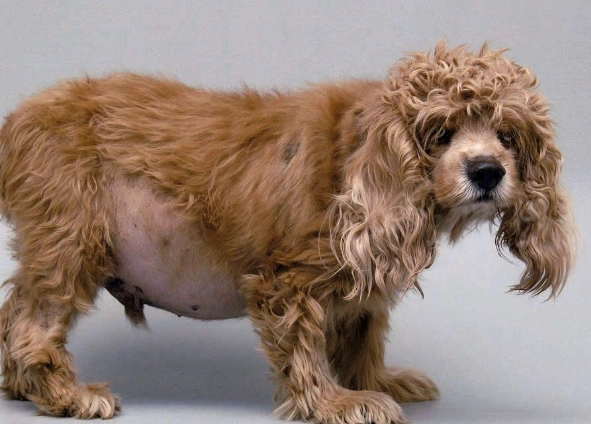
Quick Guide: What You'll Find in This Article
What is Cushing's Disease in Dogs?
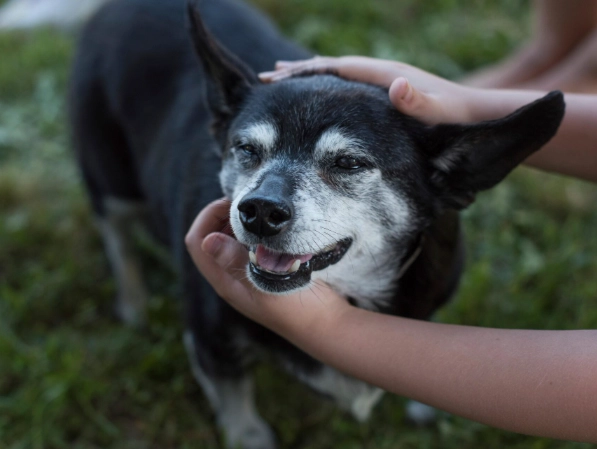
Pituitary-Dependent Hyperadrenocorticism (PDH)
Adrenal-Dependent Hyperadrenocorticism (ADH)
Iatrogenic Cushing's
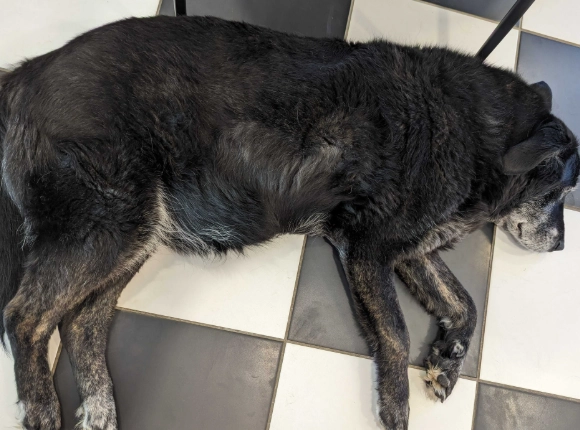
Spotting the Symptoms of Cushing's

Symptom
What It Looks Like
More Common in PDH or ADH?
Excessive Thirst & Urination (PU/PD)
Emptying the water bowl constantly, having "accidents" indoors, needing to go out multiple times at night.
Both, but a hallmark of PDH.
Ravenous Appetite (Polyphagia)
Scarfing food, begging constantly, stealing food, eating non-food items.
Very common in PDH.
Pot-Bellied Appearance
A sagging, distended abdomen due to muscle weakness and liver enlargement.
Both.
Hair Loss & Skin Changes
Symmetrical hair loss on the body, thin skin that bruises easily, darkening of the skin, poor wound healing.
Both, but skin can be more severe in ADH.
Panting & Lethargy
Heavy panting for no reason, less interest in walks, sleeping more.
Both.
Muscle Wasting
Loss of muscle mass, especially over the spine and hindquarters, making the pot belly more pronounced.
Both, progressive in later stages.
How is Cushing's Disease Diagnosed?
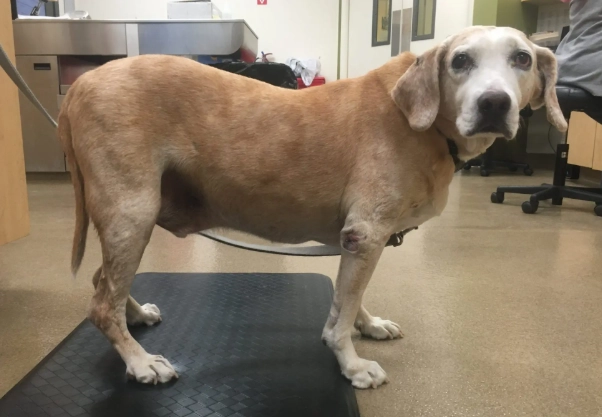
Treatment Options and Daily Management
Medication: The Lifelong Management Tool
Surgery: A Potential Cure for ADH
Managing Your Dog's Day-to-Day Life
Real Talk: Costs, Prognosis, and Quality of Life
Your Cushing's Disease Questions Answered