How Long Do Turtles Live? The Ultimate Guide to Turtle Lifespan
What You'll Learn
If you're thinking about getting a turtle or already have one, you're probably curious about how long they live. I've been keeping turtles for over a decade, and let me tell you, the answer isn't simple. It depends on the species, care, and a bunch of other factors. In this guide, I'll break down everything you need to know, from specific lifespans to the nitty-gritty of turtle care that most blogs skip.
How Long Do Different Turtle Species Live?
Turtles aren't all the same. Some live for decades, others for over a century. Here's a quick look at common species:
| Species | Average Lifespan in Captivity | Notes |
|---|---|---|
| Red-Eared Slider | 20-30 years | One of the most popular pet turtles; requires aquatic setup. |
| Box Turtle | 30-50 years | Terrestrial; needs a humid environment. |
| Russian Tortoise | 40-50 years | Small and hardy; great for beginners. |
| Galapagos Tortoise | 100+ years | Can live well over a century; not typical pets. |
| Painted Turtle | 25-30 years | Similar to red-eared sliders in care. |
This table gives you a ballpark, but remember, these are averages. With top-notch care, many turtles exceed these ranges. I've met owners whose red-eared sliders hit 35 years.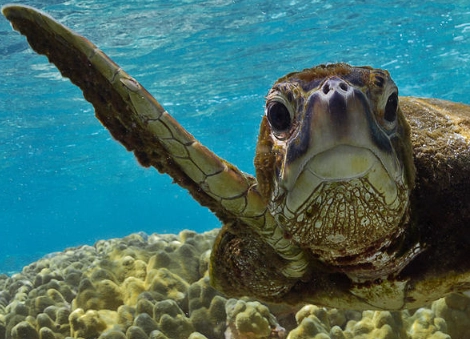
Factors That Influence Turtle Lifespan
Why do some turtles live longer than others? It boils down to a few key things.
Diet and Nutrition
You are what you eat, and for turtles, that's literal. A poor diet leads to shell deformities, organ failure, and early death. Most pet turtles need a mix of commercial pellets, fresh veggies, and occasional protein like worms. Calcium is crucial for shell health—without it, they can develop metabolic bone disease. I learned this the hard way when my first turtle's shell started softening. Now, I dust his food with calcium powder weekly.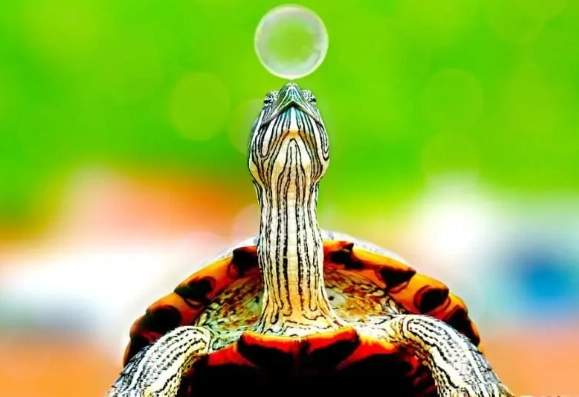
Habitat and Environment
Where your turtle lives matters a ton. An aquarium that's too small stresses them out. Water quality is huge for aquatic species; dirty water causes infections. According to the Association of Reptilian and Amphibian Veterinarians, proper filtration and regular water changes are non-negotiable. For land turtles, substrate and humidity levels are key. UVB lighting is another must-have—it helps them process calcium. Skip it, and you're asking for trouble.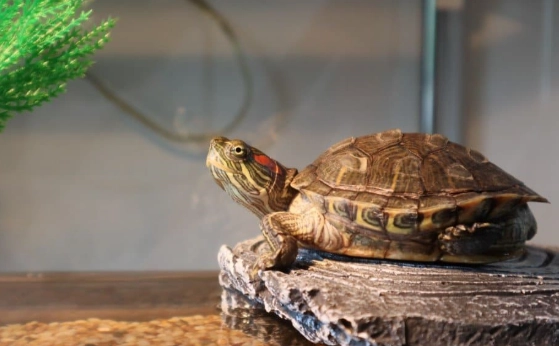
Veterinary Care
Vet visits aren't just for when they're sick. Annual check-ups catch issues early. Reptile vets can spot parasites or respiratory infections before they become severe. I budget for this yearly; it's saved my turtle's life twice.
Common Mistakes That Shorten a Turtle's Life
From my experience, here are the top blunders owners make:
- Ignoring water quality: This is the big one. People think turtles are low-maintenance, but their water needs frequent changes. Stagnant water breeds bacteria that cause shell rot.
- Feeding only one type of food: Variety is key. A diet of just pellets or just lettuce lacks essential nutrients.
- Skimping on space: A tiny tank stresses turtles, weakening their immune system. A good rule is 10 gallons per inch of shell length.
- Neglecting UVB light: Without it, turtles can't synthesize vitamin D3, leading to metabolic bone disease. I've seen turtles with deformed shells from this.
These mistakes are common because many pet stores give bad advice. Do your own research.
How to Extend Your Turtle's Lifespan: A Step-by-Step Guide
Want your turtle to live a long, healthy life? Follow these steps:
- Set up the perfect habitat: For aquatic turtles, get a tank at least 75 gallons for an adult. Use a canister filter rated for twice the tank volume. Maintain water temperature between 75-80°F. For basking, provide a dry area with a heat lamp and UVB light.
- Feed a balanced diet: Offer commercial turtle pellets as a base. Add leafy greens like kale or romaine lettuce. For protein, give live or frozen shrimp or worms once a week. Dust food with calcium supplement twice a month.
- Maintain cleanliness: Change 25% of the water weekly. Clean the filter monthly. Remove uneaten food promptly to prevent ammonia spikes.
- Provide mental stimulation: Turtles get bored. Add tank decorations, change the layout occasionally, or offer puzzle feeders. A stimulated turtle is a healthier turtle.
- Schedule vet visits: Find a reptile-savvy vet and go annually. Keep records of weight and behavior to track health.
Stick to this, and your turtle could outlive many dogs or cats. Mine's going strong at 15 years, with no signs of slowing down.
FAQ About Turtle Lifespan
Related Articles