Can Dogs Eat Maize? Safety, Nutrition & Feeding Tips
Here’s What We’ll Cover
Yes, dogs can eat maize—but it's not as straightforward as tossing them a corn cob. I've been a dog owner for over a decade, and I've seen everything from happy tail wags over sweet corn to emergency vet visits because of a swallowed cob. Let's cut to the chase: maize, or corn, is safe in moderation, but you need to know the specifics to avoid trouble.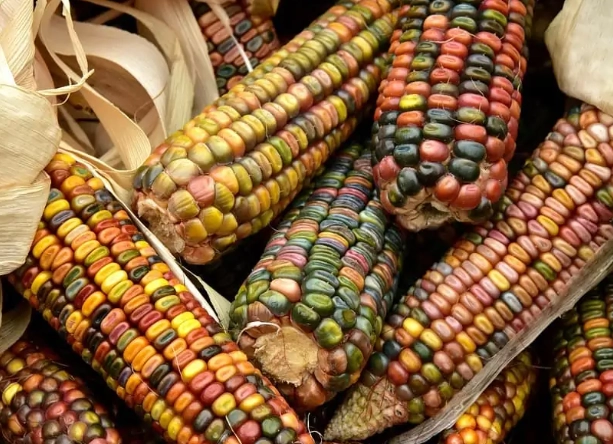
What Is Maize and Is It the Same as Corn?
Maize is just another word for corn, especially in British English. In the U.S., we usually say corn, but it's the same plant: Zea mays. When people ask "can dogs eat maize," they're often thinking of sweet corn from the grocery store or corn on the cob at a barbecue.
Here's a nuance most articles miss: not all corn products are equal. Whole maize kernels are fine, but processed forms like corn syrup or cornmeal in dog food can be controversial. I remember reading a report from the American Veterinary Medical Association that highlights how corn is a common ingredient in commercial pet foods because it's cheap and provides energy, but whole maize for treats is a different ball game.
Nutritional Value of Maize for Dogs
Maize isn't a superfood for dogs, but it has some benefits. It's rich in carbohydrates for energy, plus fiber for digestion, and contains vitamins like B vitamins and antioxidants such as lutein. However, dogs are primarily carnivores, so maize should never replace meat in their diet.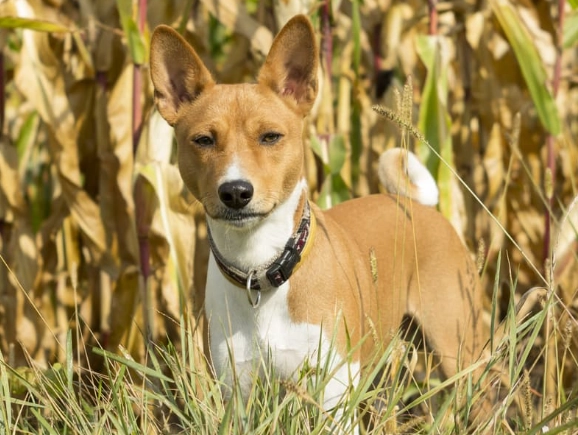
Let's break it down with a table to make things clear:
| Nutrient in Maize | Benefit for Dogs | Note |
|---|---|---|
| Carbohydrates | Provides quick energy | Good for active dogs, but can lead to weight gain if overfed |
| Fiber | Aids digestion and bowel health | Too much fiber can cause gas or diarrhea |
| Antioxidants (e.g., lutein) | Supports eye health | Minimal amounts in small servings |
| Protein | Low quality compared to animal sources | Not a significant protein source for dogs |
From my experience, dogs with grain sensitivities might react poorly to maize. I had a Labrador once who'd get itchy after eating corn-based treats. It's worth monitoring your dog if they have a history of allergies.
Potential Risks of Feeding Maize to Dogs
This is where things get serious. The biggest risk isn't the corn itself but how it's served.
Choking Hazard and Digestive Blockages
Corn cobs are a nightmare. They're indigestible and can cause intestinal blockages, which often require surgery. I've heard vets say corn cob ingestion is one of the top reasons for emergency visits during summer barbecues. Even kernels, if swallowed whole, might lead to choking, especially in small breeds.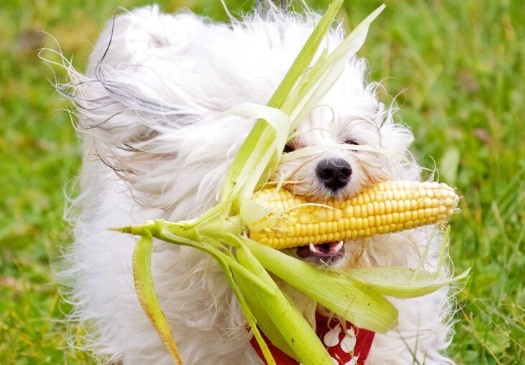
Allergies and Digestive Upset
Some dogs are allergic to corn. Symptoms include itching, ear infections, or vomiting. A friend's dog once broke out in hives after eating creamed corn—turns out it was the additives, not the maize, but it's a reminder to keep it plain.
Pro tip: Always remove maize from the cob before feeding. The cob is too risky, and dogs can't digest it properly. I learned this the hard way when my beagle tried to swallow a small piece and started gagging.
How to Feed Maize to Your Dog Safely
If you want to share maize with your dog, follow these steps. It's not rocket science, but skipping details can cause problems.
Step-by-Step Guide
First, choose plain, cooked corn kernels. Frozen or fresh is fine, but avoid canned corn due to high sodium. Boil or steam it without salt, butter, or spices. Let it cool completely.
Second, portion control. For a medium-sized dog (say, 30 pounds), a tablespoon of kernels once a week is plenty. Larger dogs can handle a bit more, but I'd never exceed a quarter cup as a treat. Mix it into their regular food to prevent gulping.
Third, monitor their reaction. Watch for any signs of distress like vomiting or changes in stool. If all goes well, you can occasionally include maize as a snack.
Here's a quick list of safe vs. unsafe forms:
- Safe: Cooked plain corn kernels, air-popped popcorn (unsalted), small amounts of cornmeal in dog food.
- Unsafe: Corn cobs, creamed corn, canned corn, corn with butter or seasoning, raw maize (hard to digest).
Common Mistakes Dog Owners Make
I've seen owners assume all human foods are safe. One common error is feeding corn on the cob as a chew toy—it might seem natural, but it's dangerous. Another is overfeeding maize, thinking it's a healthy vegetable substitute. Dogs don't need veggies like we do; their diet should be protein-focused.
Also, relying on maize as a primary food source is a bad idea. Some budget dog foods use corn as a filler, which can lead to nutritional deficiencies if it's the main ingredient. Check the Association of American Feed Control Officials guidelines for pet food standards if you're curious about commercial diets.
A Personal Story: When My Dog Ate Too Much Corn
A few years back, at a family picnic, my dog Max snuck a whole ear of corn off the table. We didn't notice until he started acting lethargic. No vomiting initially, just a lack of energy. We rushed him to the vet, and an X-ray showed the cob stuck in his intestines. It cost over $1,000 for surgery to remove it.
That experience taught me that even supervised dogs can get into trouble. Now, I keep maize strictly controlled. It's not worth the risk for a cheap treat. If you're at a barbecue, keep corn cobs out of reach—dogs are sneaky!
Frequently Asked Questions
In summary, maize can be part of your dog's diet if handled with care. Focus on plain, cooked kernels, avoid cobs and processed forms, and always prioritize your dog's individual health needs. When in doubt, consult your vet—they know your pet best.
Related Articles