Feline Stomatitis: Causes, Symptoms, and Treatment for Cat Mouth Pain
If your cat suddenly turns their head away from food, drools more than usual, or you catch a whiff of unusually bad breath, don’t just chalk it up to finickiness or a minor toothache. You might be dealing with feline stomatitis, one of the most frustrating and painful chronic conditions a cat can face. I’ve seen too many owners—and vets—initially misread the signs, leading to weeks of unnecessary suffering for the cat. It’s not just "bad gums"; it’s a severe, whole-mouth inflammatory response that feels like constant, burning ulcers. Let’s cut through the confusion and talk about what this actually is, why it happens, and most importantly, what you can really do about it.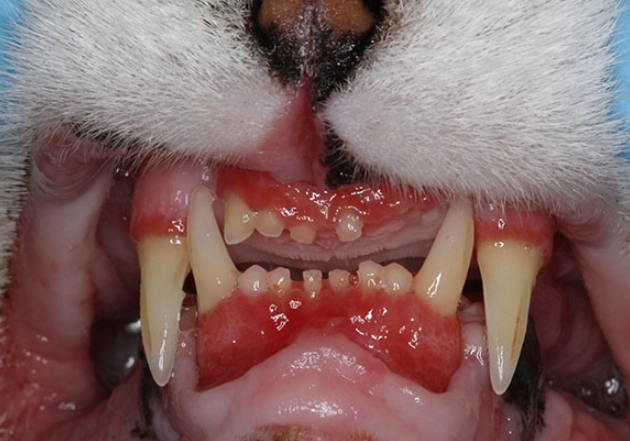
What You'll Find in This Guide
What Is Feline Stomatitis?
Think of stomatitis as your cat's immune system going haywire in its own mouth. Unlike routine gingivitis, which is localized plaque-induced inflammation along the gumline, stomatitis is a widespread, severe inflammation that attacks the mucous membranes lining the cheeks, gums, tongue, and back of the throat. The tissue becomes fiery red, swollen, and often develops painful ulcers. The American Veterinary Dental College classifies it as a "severe, painful inflammation" of a cat's mouth, and that clinical description doesn't do justice to the discomfort.
The key distinction vets often miss early on is the location. Classic gingivitis sticks to the gum margins. Stomatitis? It spreads like wildfire to areas that shouldn't react so violently to normal oral bacteria, like the caudal mucosa (the area behind the last molars) and the glossopalatine arches (where the cheeks meet the back of the throat). This isn't a simple dental cleaning fix.
Spotting the Symptoms: Beyond Bad Breath
Cats are masters at hiding pain. By the time they show obvious signs, they've likely been suffering silently for a while. Watch for these behaviors—they're cries for help.
- The "Food Approach-Avoidance Dance": This is the biggest tell. Your cat runs to the bowl, seems hungry, but then hesitates, cries, drops kibble, or only licks gravy. They want to eat, but it hurts too much.
- Excessive Drooling: Not the cute, sleepy kind. This is often stringy, thick, and sometimes tinged with blood. You might find wet spots where they've been resting their head.
- Pawing at the Mouth or Face Rubbing: An attempt to soothe the constant burning sensation.
- Noticeable Weight Loss: This can happen surprisingly fast when eating is torture.
- Unkempt Coat: Grooming becomes painful, so their fur gets matted and greasy.
- Behavioral Changes: Increased irritability, hiding, or reluctance to be touched around the head.
I remember a cat named Whiskers who would sit forlornly by his full bowl, meowing pitifully. His owner thought he was being picky about a new food brand. It took a severe weight loss to trigger a vet visit, and by then, his mouth was a mess of ulcers. Don't wait for weight loss.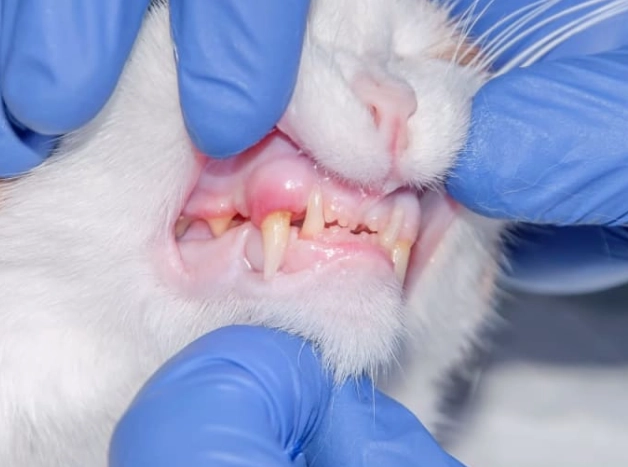
The Root Causes: It's More Than Just Plaque
We don't know the single cause, and that's what makes stomatitis so tricky. The prevailing theory is an abnormal, hyper-aggressive immune response to dental plaque. Even a tiny amount of plaque bacteria triggers a massive inflammatory attack on the cat's own oral tissues. It's like an allergic reaction happening inside the mouth.
Other factors are almost certainly involved:
- Viral Triggers: Viruses like Feline Calicivirus (FCV) and Feline Immunodeficiency Virus (FIV) are frequently found in cats with stomatitis. They may "prime" the immune system for this overreaction. Research cited by organizations like the American Association of Feline Practitioners explores this link.
- Genetic Predisposition: Certain breeds, like Persians and Himalayans, seem overrepresented, suggesting a genetic component.
- Underlying Immune Issues: Some cats may have a broader immune dysregulation problem, with the mouth being the primary battleground.
Here’s a nuance most online articles miss: Stress is a massive amplifier. A stressed cat has a more reactive immune system. A move, a new pet, or even chronic anxiety at home can turn a manageable flare-up into a full-blown, treatment-resistant crisis. Managing the environment is not optional; it's part of the medical protocol.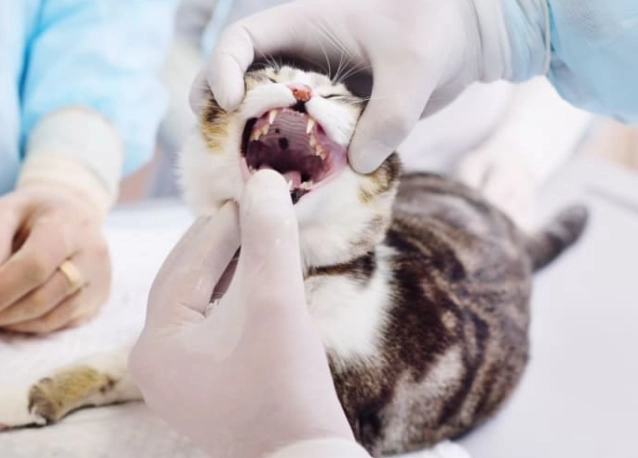
Getting a Diagnosis: What to Expect at the Vet
You can't diagnose this at home. A vet needs to look, and they usually need to look under anesthesia for a proper assessment. Here's the typical process:
- Initial Exam: Your vet will visually inspect the mouth as best they can with an awake cat (which isn't very well). They'll note bad breath, redness, and may feel enlarged lymph nodes under the jaw.
- Blood Work: Crucial. This rules out systemic diseases like kidney failure (which can cause oral ulcers) and tests for viruses like FIV and FeLV.
- Dental Radiographs (X-rays): This is non-negotiable. Over 70% of a tooth is below the gumline. X-rays reveal hidden problems—bone loss, tooth resorption, abscessed roots—that are invisible to the eye and are common co-conspirators with stomatitis.
- Biopsy (Sometimes): In atypical cases, a small tissue sample might be sent to a lab to rule out cancer or other specific diseases.
The diagnosis is primarily based on the clinical appearance of that severe, widespread inflammation, especially in the caudal mouth, combined with the exclusion of other causes.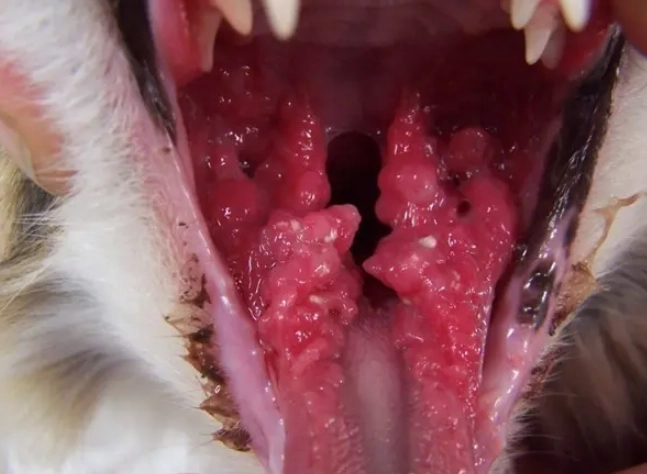
Treatment Options: From Medication to Surgery
Let's be blunt: there is no easy, permanent cure for most cats. Management is the goal. Treatments fall into two main categories: medical management and surgical intervention. The table below breaks down the reality of each.
| Treatment Approach | What It Involves | Pros & Realistic Outcomes | Cons & Considerations |
|---|---|---|---|
| Medical Management | Anti-inflammatory drugs (steroids like prednisolone), pain meds (buprenorphine), antibiotics for secondary infections, immunosuppressants (like cyclosporine), and topical mouth gels. | Can provide good short-term relief during flare-ups. Less invasive upfront. Useful for cats who are poor surgical candidates. | Often becomes less effective over time. Steroids have serious long-term side effects (diabetes, UTIs). Does not address the root immune response. Lifetime medication is expensive and requires frequent monitoring. |
| Full Mouth Extraction (Surgery) | Removal of all or nearly all teeth, including the roots. The goal is to remove the major plaque reservoirs. | Considered the gold standard and most effective long-term solution. 60-80% of cats experience dramatic, lasting improvement or complete resolution of pain. No more teeth, no more tooth-related pain. | Major surgery with cost and recovery time. Some cats (20-40%) may still have inflammation and require ongoing meds. The idea of a toothless cat is emotionally difficult for many owners (though cats adapt incredibly well). |
| COHAT + Homecare | Comprehensive Oral Health Assessment and Treatment: Professional dental cleaning under anesthesia, followed by rigorous daily tooth brushing. | Essential for general dental health. Can help mild cases or be part of post-surgical care. | Alone, it almost always fails for true stomatitis. The inflammation returns rapidly. Brushing the painful mouth of a stomatitis cat is often impossible and inhumane. |
The biggest mistake I see? Owners and vets lingering too long on a medical management rollercoaster, trying every drug while the cat's quality of life suffers. When medications are needed every day just to maintain a basic level of comfort, it's usually time to seriously discuss extractions. The surgery isn't a failure; it's a strategic decision to remove the battlefield.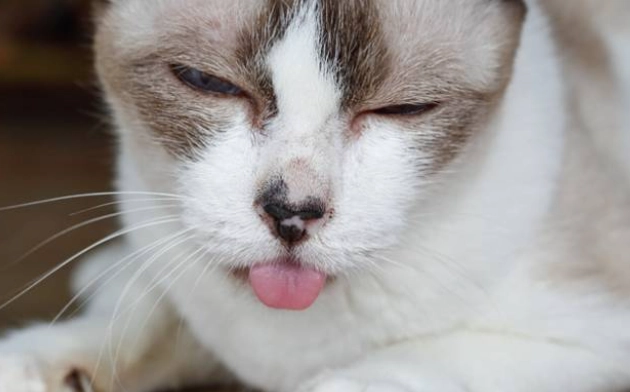
The Long-Term Management Game
Whether your cat goes the medical route or has surgery, long-term care is about supporting their overall health and minimizing flare-ups.
- Diet is Paramount: Post-surgery, a soft food diet is forever. Find high-quality wet foods they love. For cats on meds, easy-to-eat food reduces mealtime stress. Some evidence suggests novel protein or hydrolyzed diets might help if food allergies are a contributing factor.
- Stress Reduction is Treatment: Use Feliway diffusers, provide vertical space, ensure consistent routines, and manage multi-cat household tensions. A calm cat has a calmer immune system.
- Regular Vet Partnership: You need a vet you trust for regular check-ups, even when things seem okay. Weight monitoring is a key indicator.
- Pain Monitoring: Learn your cat's subtle "I'm comfortable" signs versus their "I'm hurting" signs. Are they playing? Grooming? Seeking affection? These are your real metrics.
Your Stomatitis Questions Answered
Related Articles