Dog Vomiting: Causes, Home Treatment, and When to Call the Vet
If you've ever woken up to find your dog vomiting on the carpet, you know that sinking feeling. Is it serious? Should you rush to the vet? I've owned dogs for over a decade, and through trial and error—plus consulting with vets—I've learned that not all vomiting is created equal. Let's cut through the noise and get straight to what matters: understanding why dogs vomit, how to handle it at home, and when it's time to panic.
In This Article: Your Quick Guide to Dog Vomiting
What Causes Dog Vomiting?
Dogs vomit for dozens of reasons, from harmless to life-threatening. The key is spotting patterns. My old Golden Retriever, Buddy, used to vomit after scavenging in the park—classic dietary indiscretion. But when my friend's dog started vomiting bile every morning, it turned out to be a chronic condition many owners miss.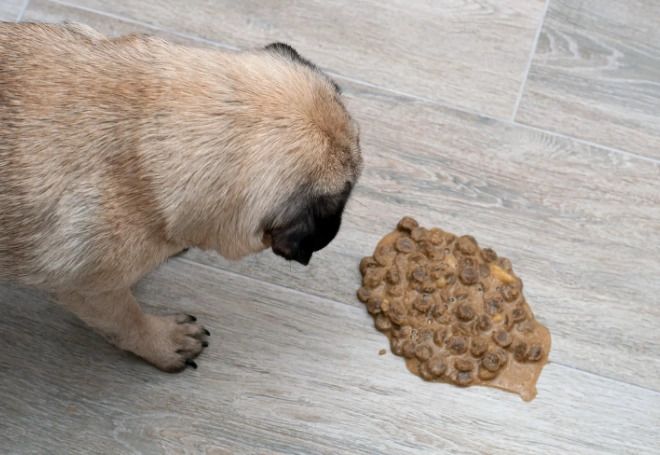
Dietary Causes: From Garbage Raids to Food Allergies
Most vomiting stems from what dogs eat. Think about it: dogs aren't picky. They'll gulp down grass, trash, or that leftover pizza crust. Common triggers include:
- Eating too fast: This one's sneaky. Dogs that bolt food can vomit undigested kibble minutes later. I solved this with a slow-feeder bowl—game changer.
- Dietary changes: Switching food too quickly? Big mistake. Their stomachs need a gradual transition over a week.
- Food allergies or intolerances: Chicken, beef, or grains can trigger vomiting. Buddy's issue was wheat; we switched to a limited-ingredient diet and saw improvement within days.
Here's a tip many vets don't emphasize: monitor the vomit's color and consistency. Yellow bile often means an empty stomach, while undigested food points to eating habits. Keep a log—it helps the vet diagnose faster.
Medical Conditions: When Vomiting Signals Something Serious
Sometimes, vomiting is a symptom of underlying issues. According to resources from the American Veterinary Medical Association, persistent vomiting can indicate problems like kidney disease or pancreatitis. I've seen cases where owners dismissed it as "just an upset stomach," only to face emergencies later.
| Condition | Associated Symptoms | Urgency Level |
|---|---|---|
| Gastroenteritis | Diarrhea, lethargy | Moderate (vet within 24 hours) |
| Pancreatitis | Abdominal pain, fever | High (immediate vet care) |
| Kidney Disease | Increased thirst, weight loss | High (requires diagnosis) |
| Foreign Body Obstruction | Retching, no bowel movements | Emergency (surgery may be needed) |
Notice how symptoms overlap? That's why context matters. If your dog vomits once but acts normal, it's probably fine. But combine vomiting with lethargy? Time to worry.
How to Treat Dog Vomiting at Home
For mild cases, you can manage at home. But here's where owners go wrong: they either overreact or underreact. Let's break it down.
Step-by-Step Guide to Managing Mild Cases
First, assess the situation. Is your dog alert? Drinking water? If yes, follow these steps:
Step 1: Withhold food for 12-24 hours. I know, it sounds harsh, but giving the stomach a rest helps. Offer small amounts of water frequently to prevent dehydration. Skip the "fast for a full day" advice if your dog is small or elderly—adjust to 6-12 hours.
Step 2: Introduce a bland diet. After the fast, feed boiled chicken and rice in tiny portions. Think tablespoon-sized meals every few hours. I've found that adding a bit of plain pumpkin (not pie filling) can soothe the gut.
Step 3: Monitor closely. Watch for improvement over 24 hours. If vomiting stops, gradually mix in regular food over 2-3 days. If not, stop and call the vet.
What to Feed (and Not Feed) Your Dog
Avoid common pitfalls. Never give human medications like Pepto-Bismol without vet approval—it can be toxic. Steer clear of fatty foods, dairy, or treats during recovery. Stick to the bland diet, and consider probiotic supplements recommended by your vet for long-term gut health.
I learned this the hard way: once, I gave Buddy a piece of cheese after he vomited, thinking it would help. Big mistake—it made things worse. Stick to simple, digestible foods.
Red Flags: When Vomiting Requires a Vet Visit
This is the most critical section. Ignoring these signs can be dangerous. From my experience, when in doubt, err on the side of caution.
Symptoms That Should Never Be Ignored
- Vomiting blood or material that looks like coffee grounds: This indicates internal bleeding. Emergency, no question.
- Projectile vomiting: If vomit shoots out forcefully, it could signal an obstruction.
- Vomiting with other symptoms: Combine vomiting with diarrhea, lethargy, or abdominal swelling? That's a vet trip now.
- Persistent vomiting for over 24 hours: Even if your dog seems okay, dehydration sets in fast.
I recall a case where a neighbor's dog vomited repeatedly but seemed fine otherwise. Turns out, it had ingested a sock that caused a partial blockage. Delayed treatment led to a costly surgery.
How to Prepare for the Vet Appointment
Don't just show up. Bring a sample of the vomit (in a baggie), note the frequency and appearance, and list any recent diet changes. This saves time and helps the vet pinpoint issues. Mention if your dog has access to toxins like plants or chemicals—many owners forget this.
Prevention Strategies from a Seasoned Dog Owner
Prevention beats cure every time. Over the years, I've tweaked routines to minimize vomiting episodes.
Diet and Lifestyle Adjustments
Feed high-quality, consistent food. Avoid sudden changes. Use puzzle feeders to slow down eating—I swear by them. Keep trash cans secured and monitor outdoor activities to prevent scavenging. Regular exercise helps too, but avoid vigorous play right after meals.
Common Mistakes Owners Make
Many think vomiting is normal after eating grass. It's not—grass can irritate the stomach or indicate nausea. Another error: overfeeding treats or table scraps. Stick to a balanced diet. Also, skipping annual vet check-ups can miss early signs of conditions like kidney disease.
Here's a non-consensus view: some owners rely on "natural remedies" like ginger without vet input. While ginger might help, it's not a substitute for professional advice, especially if vomiting is frequent.
FAQ: Answering Your Burning Questions

Remember, every dog is different. What works for one might not for another. Trust your instincts—if something feels off, don't hesitate to seek professional help. Keep this guide handy, and you'll be better prepared for those messy moments.
Related Articles