Dog Mange: Complete Guide to Symptoms, Causes, and Treatment
Jump Straight to What Matters
If your dog won't stop scratching and has patches of missing hair, mange might be the culprit. I've seen it firsthand—my neighbor's Labrador went through a nasty bout of sarcoptic mange last year, and the vet said it's more common than people think. This guide cuts through the confusion to give you a clear, actionable plan for dealing with dog mange.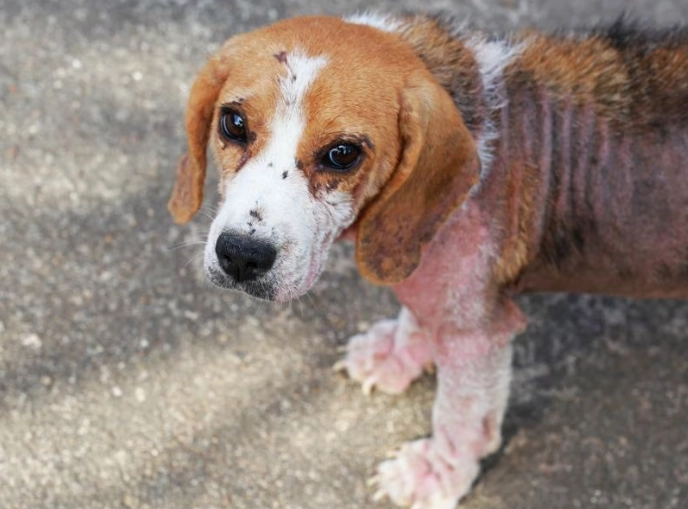
What is Dog Mange?
Dog mange is a skin disease caused by tiny mites burrowing into your dog's skin. It's not just about itching; these mites can cause serious inflammation, hair loss, and even secondary infections if left untreated. The Merck Veterinary Manual notes that mange mites are species-specific, meaning dog mites usually stick to dogs, but some types can spread to humans temporarily.
Many owners mistake mange for allergies or dry skin. That's a big error—treating it wrong can make things worse. For instance, using anti-itch creams without addressing the mites just masks the problem.
The Two Main Types of Dog Mange
Not all mange is the same. Knowing the type changes everything about treatment and contagion risk.
Demodectic Mange: Often Missed in Puppies
Demodectic mange comes from Demodex mites that live in hair follicles. Most dogs have a few of these mites naturally, but issues arise when their immune system can't keep them in check. It's usually not contagious to other dogs or humans.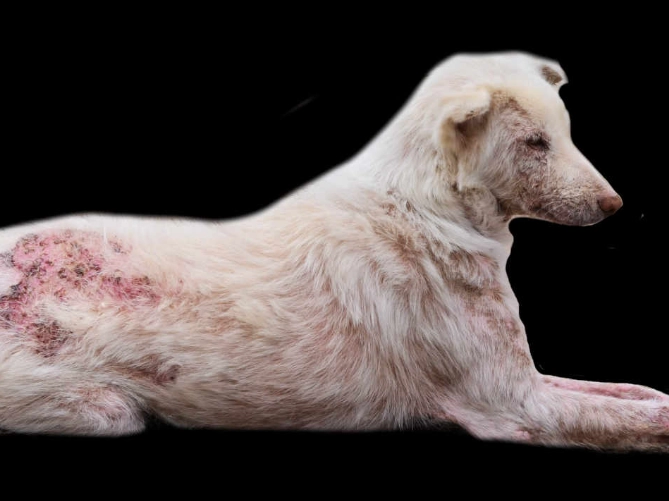
I recall a case where a breeder's puppy had localized hair loss on the face—everyone thought it was ringworm, but a skin scraping revealed demodectic mange. The vet said puppies under 18 months are prone to this because their immune systems are still developing.
Sarcoptic Mange: The Highly Contagious One
Sarcoptic mange, caused by Sarcoptes scabiei mites, is the contagious nightmare. These mites burrow under the skin, causing intense itching. They can spread to other pets and even cause temporary rashes in humans.
A friend's dog caught sarcoptic mange from a park visit. The itching was so bad the dog scratched until it bled. The vet warned that this type requires immediate isolation and treatment of all household pets.
Symptoms of Dog Mange: What to Look For
Spotting mange early saves a lot of trouble. Here are the key signs:
- Intense scratching—more than usual, especially at night.
- Hair loss in patches, often starting on the face, ears, or legs.
- Red, inflamed skin that might develop sores or crusts.
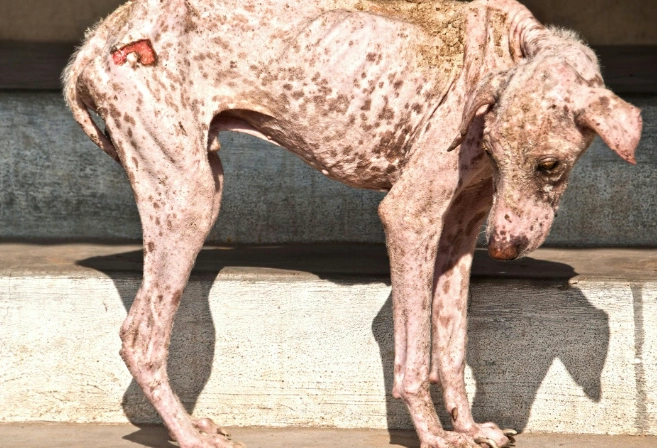
- Thickened skin in chronic cases, almost like elephant skin.
Demodectic mange tends to cause bald spots without much itching at first. Sarcoptic mange makes dogs scratch like crazy, often leading to secondary infections from bacteria.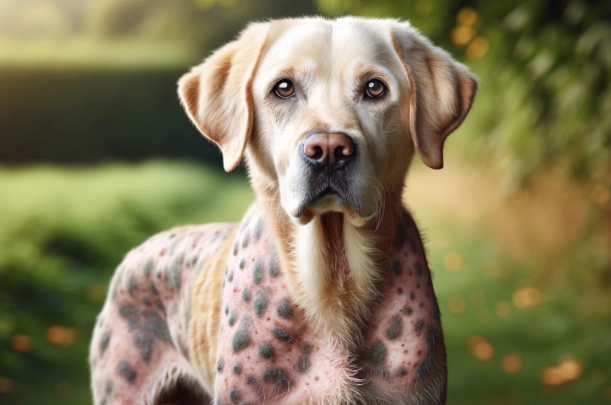
If you see these symptoms, don't wait. I made the mistake of thinking my dog's scratching was just seasonal allergies—turned out it was early-stage mange, and delaying treatment meant a longer recovery.
How Vets Diagnose Mange
Diagnosis isn't always straightforward. Vets use a few methods:
- Skin scraping: They scrape a small area of skin to look for mites under a microscope. This is the gold standard, but mites can be hard to find if they're deep.
- Clinical signs: Based on symptoms and history, especially if other pets are affected.
- Response to treatment: Sometimes, if mites aren't visible, vets might prescribe treatment and see if symptoms improve.
The American Veterinary Medical Association emphasizes that proper diagnosis avoids missteps like using steroids, which can worsen mange by suppressing the immune system.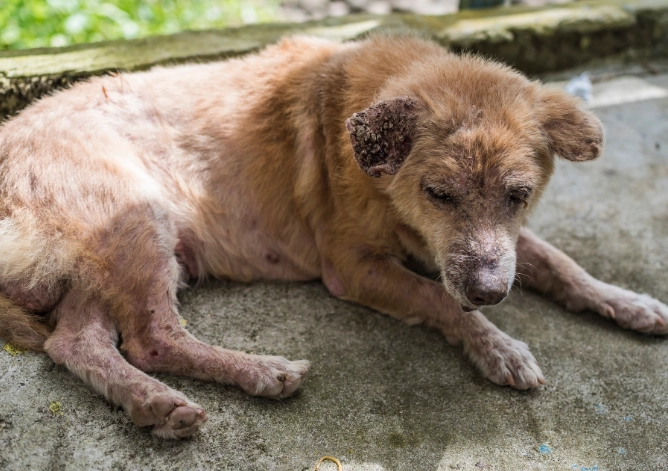
One vet told me that sarcoptic mange is often misdiagnosed as allergies because the mites are elusive. If your dog isn't responding to allergy meds, push for a deeper check.
Treatment Options for Dog Mange
Treatment depends on the type and severity. Here's a breakdown of common approaches:
| Treatment Type | How It Works | Best For | Typical Cost |
|---|---|---|---|
| Medicated dips (e.g., lime-sulfur) | Kills mites on contact; applied weekly | Severe or generalized mange | $50-$100 per session |
| Oral medications (e.g., ivermectin) | Systemic treatment; prescribed by vet | Sarcoptic or resistant demodectic mange | $30-$80 per month |
| Topical spot-ons (e.g., selamectin) | Applied monthly; prevents reinfestation | Mild cases or prevention | $20-$50 per dose |
| Antibiotics | Treats secondary bacterial infections | If skin is infected | $40-$100 |
For demodectic mange, localized cases might clear on their own, but generalized cases need treatment. Sarcoptic mange always requires aggressive treatment—often a combination of oral meds and dips.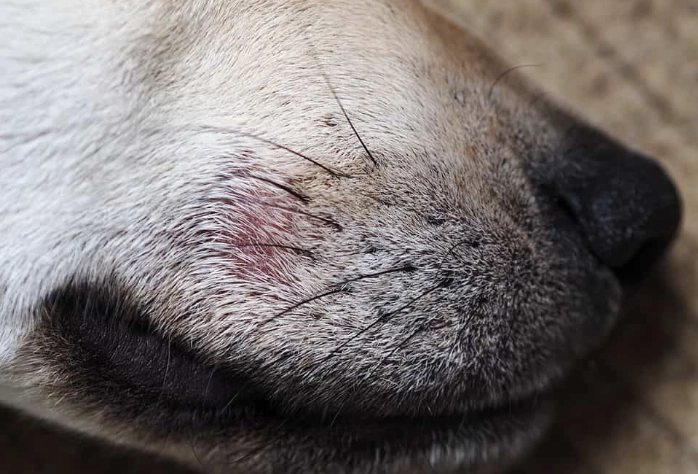
Home care is crucial too. Bathing with mild, vet-approved shampoos can soothe skin. I used an oatmeal shampoo on my dog during treatment, and it helped reduce itching. Avoid over-the-counter products without vet advice; some contain harsh chemicals that irritate skin further.
Recovery time varies: mild cases take 4-6 weeks, severe ones can take months. Regular follow-ups with the vet ensure mites are gone.
Preventing Dog Mange: Practical Tips
Prevention is cheaper and easier than treatment. Here's what works:
- Maintain good hygiene: Regular grooming and cleaning bedding reduces mite exposure.
- Boost immune health: A balanced diet and regular vet check-ups keep your dog's defenses strong. I've noticed dogs on poor-quality food are more prone to skin issues.
- Avoid contact with infected animals: Be cautious at dog parks or kennels.
- Use preventive medications: Some flea/tick preventives also protect against mites. Ask your vet about options like selamectin.
If you have multiple pets, isolate any new animals until they're checked by a vet. That's a lesson learned from a shelter volunteer—they had a mange outbreak because one incoming dog wasn't screened.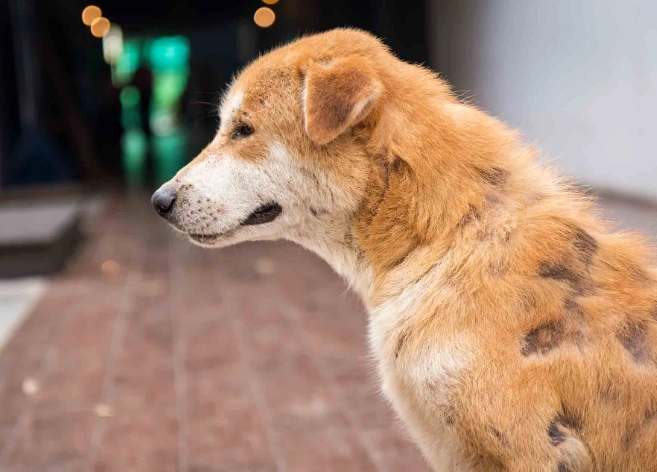
FAQ: Your Dog Mange Questions Answered
Dog mange isn't a death sentence—with prompt action, most dogs recover fully. Trust your vet, follow treatment plans closely, and keep an eye on your pet's skin health. If you're unsure, always err on the side of caution and get a professional opinion.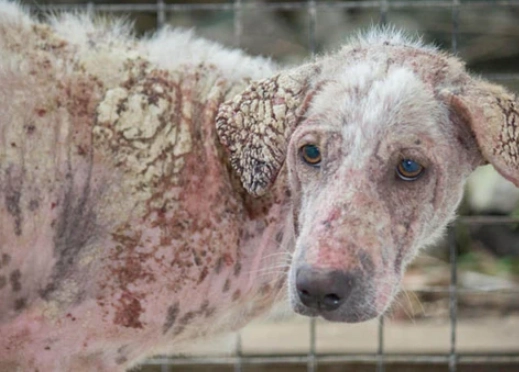
Related Articles