Dog Hiccups Explained: Causes, Home Remedies & When to Worry
If your dog has ever made a sudden "hic" sound that catches you off guard, you've seen dog hiccups in action. Most of the time, it's harmless—even endearing—but as a pet owner with over a decade of experience, I've learned that understanding the why and how can save you unnecessary panic. In this guide, we'll cut through the noise and give you the straight facts on dog hiccups, from common triggers to when it's time to call the vet. Let's start with the bottom line: dog hiccups are usually benign, but ignoring subtle signs can lead to bigger issues.
Quick Navigation: Your Dog Hiccups Cheat Sheet
What Are Dog Hiccups Really?
Dog hiccups are involuntary spasms of the diaphragm—that muscle under the lungs that helps with breathing. When it contracts suddenly, the vocal cords snap shut, creating that familiar "hic" sound. It's the same mechanism as in humans, but dogs often get them more frequently due to their anatomy and habits. I've seen puppies hiccup almost daily, while older dogs might have occasional episodes. The key thing to remember: it's a reflex, not a disease. But here's a nuance many miss: the sound can vary. Some dogs have soft hiccups you barely hear, while others produce loud, rhythmic bursts. If your dog seems unbothered—no distress, just hiccuping—it's likely nothing to lose sleep over.
Why Dogs Get Hiccups: The Real Reasons
Understanding the causes helps you address the root issue. Based on my observations and vet consultations, here are the top triggers, ranked by how common they are.
| Cause | How It Happens | Typical Signs |
|---|---|---|
| Eating or Drinking Too Fast | Gulping air along with food or water, which irritates the diaphragm. | Hiccups right after meals, often with burping. |
| Excitement or Stress | Rapid breathing from play, anxiety, or new environments triggers spasms. | Hiccups during or after vigorous activity, like fetch or car rides. |
| Temperature Changes | Sudden cold air or drafts can shock the diaphragm into hiccuping. | Hiccups after going outside in cool weather or near AC vents. |
| Underlying Health Issues | Rarely, conditions like respiratory infections or gastrointestinal problems. | Persistent hiccups lasting hours, paired with lethargy or coughing. |
One mistake I see owners make: blaming hiccups solely on diet. While food can play a role, it's often the eating speed that's the culprit. My own dog, a Beagle named Charlie, used to hiccup after every meal until I realized he was inhaling his kibble. Switching to a slow-feeder bowl cut his episodes by 80%. That's a small tweak with big impact.
The Diaphragm Spasm Explained
Let's get technical for a second. The diaphragm is a dome-shaped muscle that contracts when you inhale. In hiccups, it spasms uncontrollably due to nerve irritation—often from the vagus or phrenic nerves. In dogs, this can be more frequent because their breathing patterns are shallower. Sources like the American Veterinary Medical Association note that hiccups are common in young animals as their nervous systems develop. But if your adult dog starts hiccuping out of the blue, it's worth noting any changes in routine.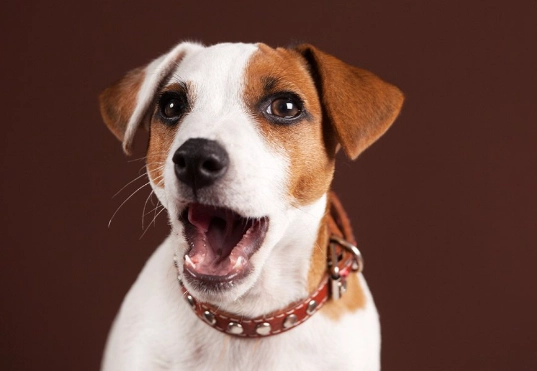
How to Stop Dog Hiccups Safely at Home
Most dog hiccups resolve on their own within minutes, but if you want to help, here are vet-approved methods. Avoid internet myths like giving sugar water or startling your dog—these can cause more harm than good.
- Offer Small Sips of Water: Not a full bowl, just a few licks to soothe the throat. Use a shallow dish to prevent choking.
- Gentle Belly Rubs: Massage your dog's abdomen in circular motions to relax the diaphragm. I've found this works best when they're lying on their side.
- Calm Breathing Exercises: Encourage slow breaths by speaking softly or holding a treat near their nose to make them sniff slowly.
- Distract with Light Activity: A short, leisurely walk can reset their breathing rhythm. Don't overdo it—no running.
A personal tip: timing matters. If Charlie gets hiccups after eating, I wait 10 minutes before trying anything. Rushing in can stress him out and prolong the episode. Also, never force your dog to drink or eat during hiccups; it increases aspiration risk.
When Dog Hiccups Signal Trouble
This is where many owners slip up. Hiccups alone aren't alarming, but combined with other symptoms, they can hint at underlying issues. Here's a quick checklist—if you see any of these, contact your vet.
- Hiccups lasting over an hour without pause.
- Accompanied by coughing, gagging, or difficulty breathing.
- Your dog seems in pain—whining, hiding, or refusing food.
- Hiccups start suddenly in an older dog with no history of them.
I recall a case from a vet friend: a senior dog had persistent hiccups that turned out to be a symptom of heart disease. The owner almost dismissed it as "just hiccups." Moral of the story: trust your gut. If something feels off, get it checked. Regular check-ups with resources like your local veterinary clinic can catch early warnings.
Red Flags in Puppies vs. Adult Dogs
Puppies hiccup more often—it's normal as their bodies grow. But if a puppy's hiccups come with bloating or lethargy, it could indicate parasites or digestive trouble. For adults, sudden onset might link to stress or environmental changes. Document frequency: occasional hiccups are fine, but daily episodes warrant a vet visit.
Can You Prevent Dog Hiccups? Yes, Here's How
Prevention boils down to lifestyle tweaks. It's not about eliminating hiccups entirely—they're a natural reflex—but reducing their frequency.
- Use Slow-Feeder Bowls: These force dogs to eat slower, reducing air intake. Brands like Outward Hound or simple puzzle feeders work wonders.
- Manage Excitement: Train calm behaviors before walks or playtime. I teach "settle" commands to prevent overexcitement hiccups.
- Control Environment: Avoid sudden temperature drops. In winter, use dog coats or limit time in cold drafts.
- Regular Exercise: Consistent, moderate activity keeps breathing steady. Aim for 30-minute daily walks, not sporadic bursts.
One non-consensus point: many guides recommend dietary changes, but unless your vet diagnoses a food allergy, switching kibble rarely stops hiccups. Focus on feeding habits instead. Charlie's hiccups dropped when I split his meals into smaller portions throughout the day.
Your Top Dog Hiccups Questions Answered
Related Articles