Cushing's Disease in Dogs: Symptoms, Diagnosis, and Treatment Guide
If your older dog is suddenly drinking water like there's no tomorrow and shedding hair like crazy, you might be dealing with Cushing's disease. It's a common endocrine disorder in dogs, especially in seniors, and it can sneak up on you. I've seen it countless times in my vet practice—owners bring in their pets thinking it's just old age, but it's more than that.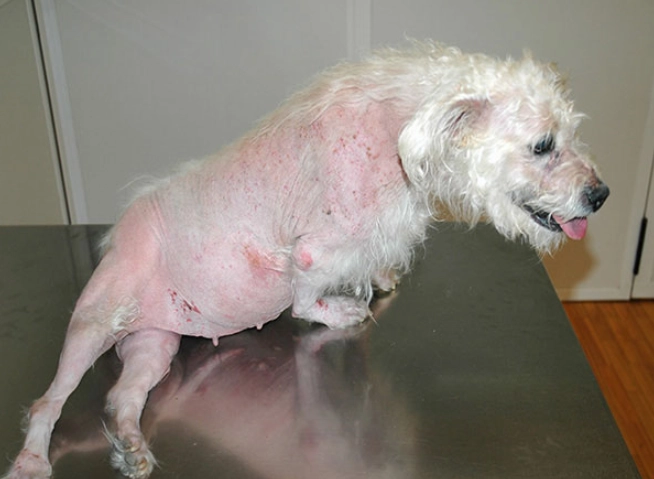
What You'll Find in This Guide
What is Cushing's Disease in Dogs?
Cushing's disease, or hyperadrenocorticism, happens when a dog's body produces too much cortisol. Cortisol is a stress hormone, but in excess, it wreaks havoc. There are two main types: pituitary-dependent (about 85% of cases, caused by a tumor on the pituitary gland) and adrenal-dependent (from a tumor on the adrenal glands). Some vets call it a "silent thief" because symptoms develop slowly, over months or even years.
I remember a case with a Labrador named Buddy. His owner thought he was just getting lazy and chubby, but it was Cushing's. The key is catching it early. Left untreated, it can lead to diabetes, hypertension, or worse.
Symptoms of Cushing's in Dogs: What to Watch For
The signs can be subtle at first. Don't ignore these—they're not just "old dog" quirks.
- Excessive thirst and urination: Your dog might empty the water bowl multiple times a day and have accidents indoors.
- Increased appetite: They act like they're starving, even after meals.
- Hair loss and thin skin: Patches of baldness, especially on the body, and skin that bruises easily.
- Pot-bellied appearance: A swollen abdomen due to muscle weakness and fat redistribution.
- Lethargy and panting: Less energy, heavy breathing even at rest.
Here's a quick table to compare early and advanced symptoms:
| Early Stage Symptoms | Advanced Stage Symptoms |
|---|---|
| Mild thirst increase | Constant drinking and urination |
| Slight weight gain | Pronounced pot belly and muscle wasting |
| Minor hair thinning | Widespread baldness and skin infections |
| Occasional panting | Chronic panting and weakness |
If you spot these, don't panic. Many conditions mimic Cushing's, like thyroid issues or diabetes. That's why diagnosis is crucial.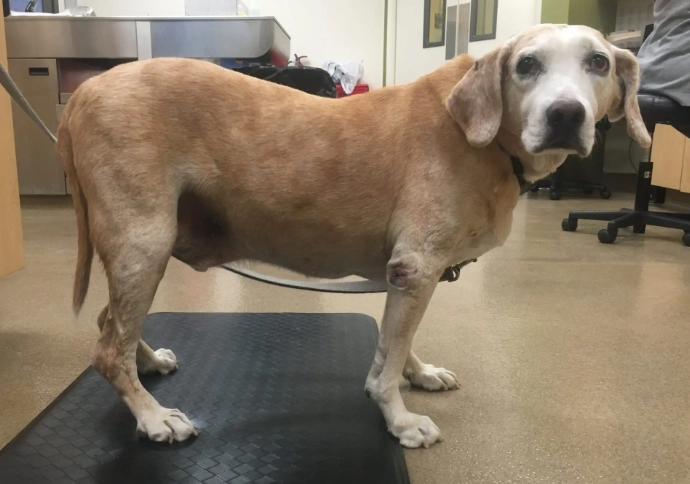
How Vets Diagnose Cushing's Disease
Diagnosing Cushing's isn't a one-test deal. Vets use a combination of methods to rule out other problems. It can be frustrating for owners because tests aren't cheap—expect to spend $200 to $500 depending on your location and the clinic.
First, your vet will do a physical exam and blood work. They might find elevated liver enzymes or high cholesterol. But the gold standard tests are more specific:
- ACTH stimulation test: Measures cortisol response after injecting a hormone. It's common but can give false positives if your dog is stressed.
- Low-dose dexamethasone suppression test: More accurate for pituitary cases. It involves blood draws over hours.
- Urine cortisol-to-creatinine ratio: A simple urine test, but it's only a screening tool—not definitive.
- Ultrasound: To check for adrenal tumors. This adds cost but gives a clear picture.
One mistake I see: owners skip the ultrasound to save money. But if it's an adrenal tumor, surgery might be an option, and you'd miss it. Always discuss all tests with your vet.
Cost Breakdown of Common Diagnostic Tests
Prices vary, but here's a rough estimate from my experience in the U.S.:
- Basic blood panel: $80-$150
- ACTH stimulation test: $150-$300
- Dexamethasone suppression test: $200-$400
- Abdominal ultrasound: $300-$600
Insurance can help, but many plans exclude pre-existing conditions. Check your policy early.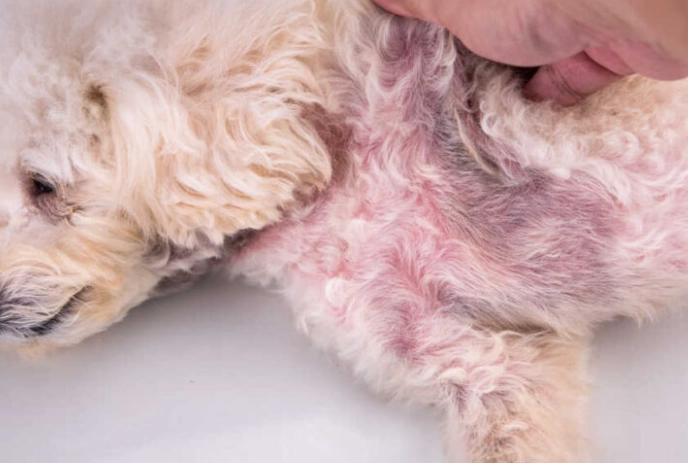
Treatment Options for Canine Cushing's
Treatment depends on the type and severity. There's no cure, but management can give your dog years of good life. The goal is to control cortisol levels, not eliminate them.
Medication is the most common route. Trilostane (Vetoryl) is popular now—it's daily and has fewer side effects than older drugs like Mitotane. Mitotane works but requires careful monitoring because it can destroy adrenal tissue. Costs run $50 to $150 per month, plus regular blood tests.
Surgery is an option for adrenal tumors, but it's risky and expensive—think $3,000 to $6,000. Success rates are high at specialized centers, though.
Radiation therapy for pituitary tumors is less common but can help in some cases. It's costly and not widely available.
I had a patient, a Schnauzer named Daisy, on trilostane. Her owner adjusted the dose based on symptoms, and she lived happily for four more years. The key is consistency and follow-up.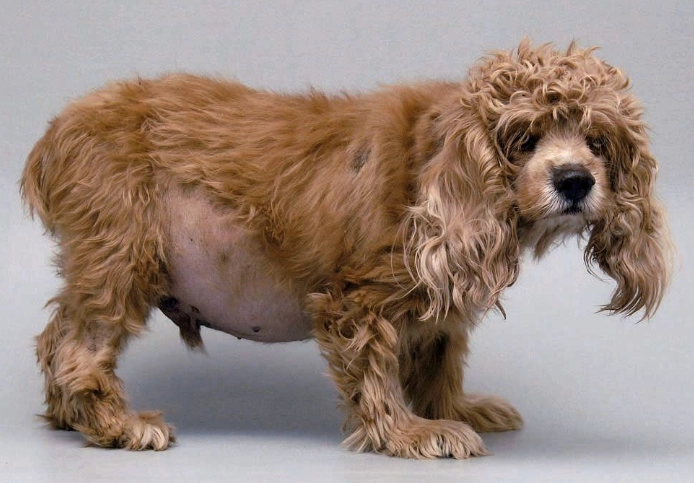
Comparing Treatment Options
| Treatment | Best For | Pros | Cons | Estimated Monthly Cost |
|---|---|---|---|---|
| Trilostane (Vetoryl) | Most cases, especially pituitary | Few side effects, easy dosing | Requires monitoring, can be expensive | $60-$120 |
| Mitotane (Lysodren) | Adrenal tumors or resistant cases | Effective, lower cost | Risk of adrenal damage, strict regimen | $40-$80 |
| Surgery | Adrenal tumors only | Potential cure, one-time cost | High risk, expensive upfront | N/A (one-time $3k-$6k) |
Diet and supplements can support treatment, but they're not substitutes. Omega-3 fatty acids might help with skin issues, for example.
Daily Management and Care Tips
Living with a dog with Cushing's means adapting your routine. It's not just about pills.
Monitor water intake: Keep a log. If drinking spikes, it might mean the medication needs adjustment.
Diet matters: Feed a balanced, low-fat diet to manage weight. Some vets recommend prescription foods, but a good quality senior dog food works too. Avoid high-sodium treats.
Exercise gently: Short, regular walks are better than long runs. Muscle weakness is real, so don't overdo it.
Watch for infections: Thin skin is prone to cuts and infections. Check your dog's skin weekly.
Regular vet visits: Every 3-6 months for blood tests. Skipping these can lead to overdose or underdose.
I tell owners to think of it like managing diabetes in humans—it's a marathon, not a sprint. Patience pays off.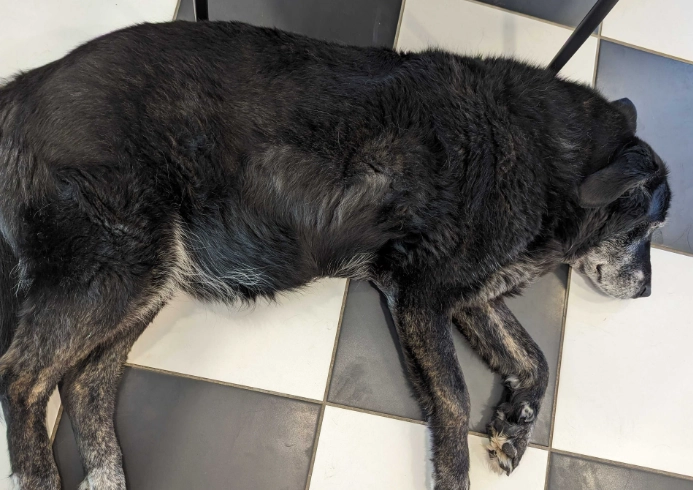
Common Questions Answered
Cushing's disease in dogs isn't a death sentence. With early detection and proper care, your furry friend can enjoy a good life. Trust your instincts—if something seems off, see a vet. And remember, every dog is different; what works for one might not for another. Stay informed, stay patient.
Related Articles