American Bulldog Guide: Traits, Care & Health Facts
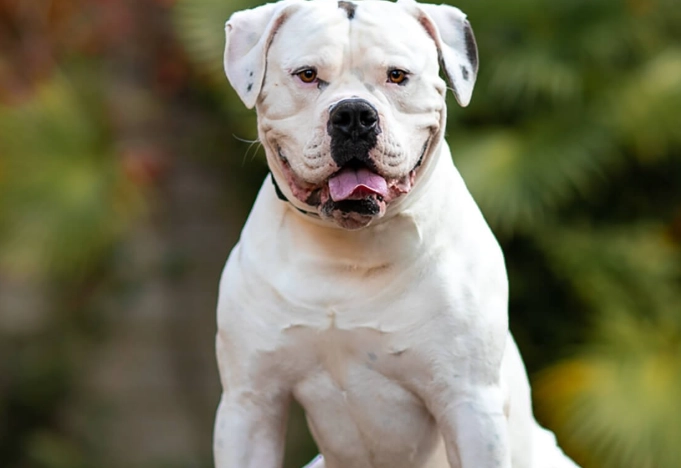
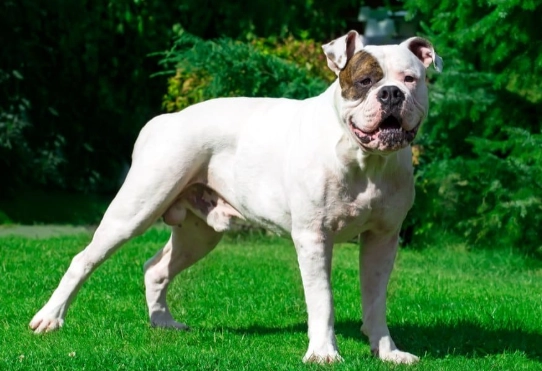
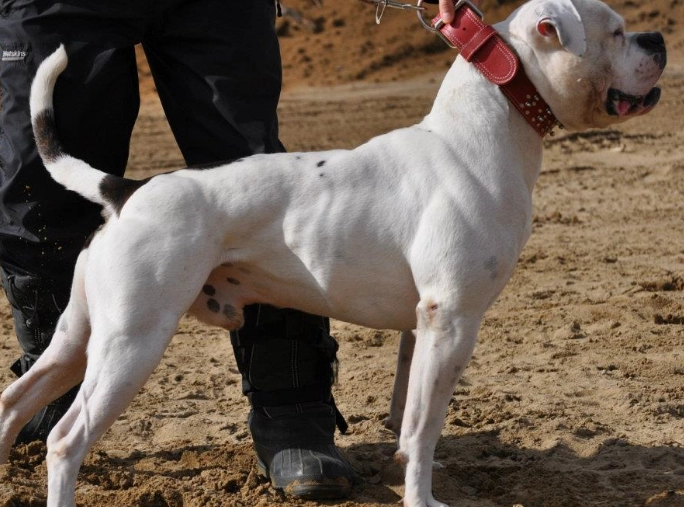
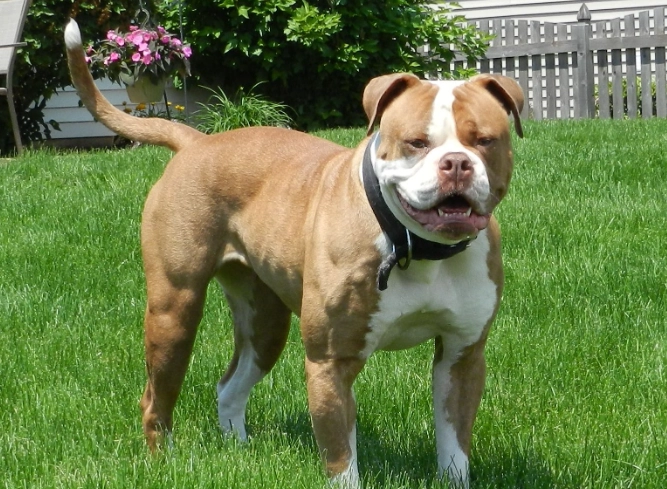
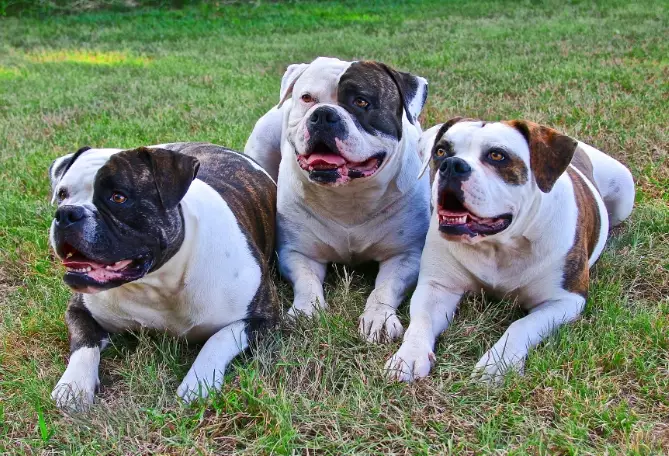
You see them in movies, sometimes as the tough guy's sidekick. You might spot one at the park, a solid block of muscle that commands attention. The American Bulldog often gets typecast. But behind that powerful frame is a dog with a history as rich as the American South, a personality full of contradictions, and specific needs that many first-time owners completely miss. I've lived with this breed for over a decade, and the biggest mistake I see? People get one for the look without understanding the mind and maintenance that comes with it. This isn't just a list of breed facts. It's a deep dive from someone who's navigated the challenges and joys. We'll cut through the myths and get into what life with an American Bulldog is actually like—the good, the demanding, and the downright messy. To get the American Bulldog, you have to go back to working roots. They aren't a designer breed. They descended from the old English Bulldogs brought over by working-class immigrants. These dogs had a job: catch hogs, guard property, and pull their weight on the farm. That "catch dog" instinct is still wired in there. It's why they can be so tenacious and why they have that incredible jaw strength. After World War II, the breed was nearly extinct. Credit goes largely to two men, John D. Johnson and Alan Scott, who scoured the South to find the best remaining dogs. They developed slightly different lines—Johnson types are bulkier with a shorter muzzle, Scott types are more athletic and leggy. Most modern American Bulldogs are a mix of both. This history explains a lot. It's why they're loyal to their family (their "farm") and wary of strangers (potential threats to the property). They're thinkers bred for a purpose, not just couch ornaments. Let's be clear: they are big. Males can hit 120 pounds of pure muscle. Females are smaller but still substantial. They have a broad chest, a powerful neck, and a head that looks like it was carved from granite. The coat is short and stiff, coming in white with patches of brindle, red, or fawn. They drool, especially after drinking. They snore, often impressively loud. This is not a discreet dog. This is where people get it wrong. They see the muscle and assume aggression. Or they meet a well-trained one and assume they're all gentle giants. The truth is in the middle. With their family, they are often clownish, affectionate, and deeply loyal. They can be wonderful with kids in their own family, though their size means supervision is non-negotiable—a happy tail whip can clear a coffee table. The challenge is their protective instinct and potential dog selectivity. They weren't bred to be social butterflies at dog parks. Many have a low tolerance for rude behavior from other dogs, especially of the same sex. Early, ongoing socialization isn't a suggestion; it's a requirement to manage this. They're intelligent but can be stubborn. They learn commands quickly but will also quickly question why they should obey if they don't see the point. Training requires consistency, firmness (not harshness), and a lot of positive motivation. Forget training one with just a stern voice. You can't power a truck with scooter fuel. Feed a high-quality, large-breed formula. Look for real meat as the first ingredient. Be vigilant about weight. An overweight American Bulldog is a health disaster waiting to happen, putting immense strain on their joints and heart. Measure their food, limit treats, and adjust portions based on activity level. Some are prone to food allergies, so chicken or grain-free diets are common switches if you see itchy skin or ear infections. A leisurely stroll won't cut it. These dogs need real physical and mental exertion. Aim for 60-90 minutes daily. This should mix structured walks, playtime (fetch, tug with a sturdy toy), and training sessions. They excel at activities that use their brain and body—weight pull, advanced obedience, agility (though be careful with high jumps). Without this outlet, that energy turns into chewing, digging, or barking. Here's a subtle mistake I see: owners think a big yard replaces walks. It doesn't. A yard is for play; a walk is for mental stimulation, training focus, and learning to behave in the world. Both are essential. Start the day you bring them home. Puppy kindergarten is a must. Focus on core commands: sit, stay, come, heel, and a solid "leave it." The most important skill? A reliable recall. When a 100-pound dog decides to chase a squirrel, you need to know you can call them back. Socialization means exposing them positively to various people, places, sounds, and well-behaved dogs in controlled settings. Don't just flood them. Make every new experience positive. This builds their confidence and reduces fear-based reactions later. The short coat is low-maintenance. A weekly brush with a rubber curry glove removes dead hair. The real grooming focus areas are their wrinkles (clean and dry them weekly to prevent infections), ears (check and clean weekly), and nails (trim every few weeks). Those nails on a powerful dog can do real damage if they get too long. American Bulldogs are generally robust, but they have some breed-specific vulnerabilities. Responsible breeding is the first line of defense. Always ask for health clearances from the Orthopedic Foundation for Animals (OFA) for hips and elbows, and from the Canine Eye Registration Foundation (CERF) for eyes. Hip and Elbow Dysplasia: This is a big one. It's a malformation of the joints that leads to arthritis and pain. Keep them at a lean weight, provide joint supplements (like glucosamine) as recommended by your vet, and avoid forcing high-impact exercise on young, growing joints. Skin Allergies: Many are prone to atopic dermatitis. You'll see itching, licking paws, and ear infections. Work with your vet to identify triggers (food, pollen, dust) and manage them with diet, medication, or special shampoos. Neurological Issues: Some lines can be prone to conditions like Neuronal Ceroid Lipofuscinosis (NCL). A reputable breeder will test for this. Bloat (Gastric Dilatation-Volvulus): A life-threatening emergency where the stomach twists. Feed two or three smaller meals a day instead of one large one, avoid vigorous exercise right before and after eating, and know the signs—restlessness, drooling, unproductive retching, a distended abdomen. Find a vet familiar with large, brachycephalic (short-faced) breeds. They'll understand the unique anesthesia and health monitoring needs. Let's make a quick list. An American Bulldog might work if you: Look for another breed if you: They are not for everyone. Getting one because they look "tough" is the worst possible reason and a fast track to problems. Getting one because you understand and appreciate their working-dog heart, and are prepared to meet their needs, can lead to an incredibly rewarding partnership.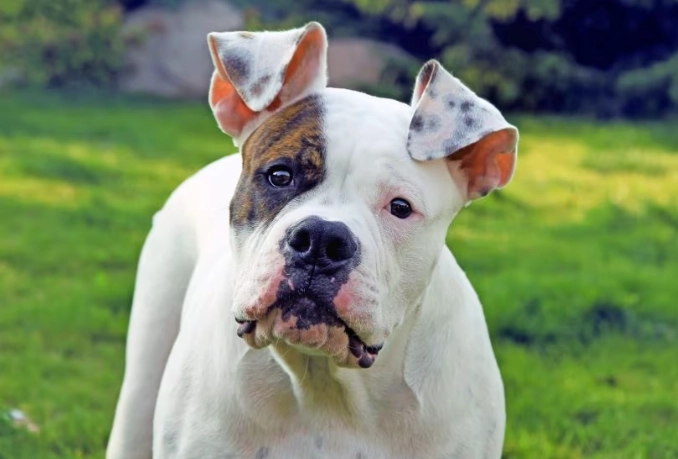
What You'll Find in This Guide
From Farm Dog to Family Protector: Their History
Looks & Personality: The Two Sides of the Coin
The Physical Package
The Complex Temperament
The Daily Grind: Care Essentials You Can't Skip
Diet and Nutrition: Fueling the Engine
Exercise: More Than a Walk Around the Block
Training and Socialization: The Non-Negotiables
Grooming: Easier Than You Think
Health Watch: Common Issues and Prevention
Is an American Bulldog Right For You? The Honest Answer
Your Questions, Answered (By an Owner)