The American Pit Bull Terrier: A Complete Guide for Owners
Let's talk about the American Pit Bull Terrier. You've seen the stories, you've heard the debates. But what's it actually like to live with one? I've shared my home with this breed for over a decade, and the reality is far more nuanced—and rewarding—than the soundbites suggest. This isn't just a dog; it's a commitment to understanding a powerful, intelligent, and profoundly loyal animal. If you're considering bringing one into your life, or just want to cut through the noise, you're in the right place. Forget the "locking jaw" myth—it's anatomically impossible. The American Pit Bull Terrier was originally bred for bull-baiting and later as an all-purpose farm dog, which explains its tenacity, strength, and high pain tolerance. The modern pit bull, when bred responsibly, retains that drive but channels it into loyalty and affection for its family. The classic pit bull personality? Think of a muscular, sixty-pound lap dog that's perpetually optimistic. They're often hilarious clowns, prone to zoomies and stubborn couch potato sessions. But here's the critical nuance everyone misses: their social skills are learned, not innate. A well-socialized pit bull can be a gregarious goofball. An under-socialized one can be dog-selective or reactive. It's not "aggression"; it's often a lack of positive exposure during their critical puppyhood window. A Note on Breed Identification: "Pit bull" is often an umbrella term. The American Pit Bull Terrier (APBT) is a specific breed recognized by the United Kennel Club (UKC). The American Staffordshire Terrier (AmStaff) is its very close cousin recognized by the American Kennel Club (AKC). Many mixed-breed dogs are labeled as pit bulls based on appearance. When we talk about temperament, we're referring to the traits common in these closely related types. Owning a pit bull without consistent training is like owning a sports car without learning to drive stick. It's asking for trouble. Their intelligence and strength demand respect and guidance. Puppy socialization isn't just about meeting other dogs. It's about positive exposure to the world: different surfaces, sounds, people of all ages and appearances, bicycles, skateboards, and vacuum cleaners. The goal is to build confidence, not overwhelm. I made the mistake early on with my first pit bull, Duke, of taking him to a chaotic dog park too young. It set back his dog-interaction skills for months. A controlled puppy class was a much better fit. Forget fancy tricks. Focus on rock-solid basics that manage their power: 1. A bombproof "Leave It": For squirrels, dropped food, or anything questionable on a walk. 2. A reliable recall ("Come"): This is a safety essential, practiced first in low-distraction environments. 3. Loose-leash walking: A dog that pulls a 130-pound man is a liability. Use a front-clip harness while training to discourage pulling gently. Use positive reinforcement—high-value treats, praise, play. These dogs are sensitive and want to please; harsh methods will backfire spectacularly. This is a high-energy, muscular breed. A bored pit bull is a destructive pit bull. Their care needs are specific. A leash walk around the block won't cut it. They need both physical and mental stimulation. Physical: 60-90 minutes daily. This can be brisk walks, jogging, hiking, or structured play like fetch or flirt pole work (great for prey drive). Mental: 20-30 minutes. Food puzzles, scent work (hiding treats), obedience training sessions, or learning new tricks. A tired mind is a calm dog. Generally robust, but be aware of breed predispositions. Regular vet check-ups are key. They need a high-quality diet rich in animal protein to support their lean muscle mass. Be vigilant about weight management—an overweight pit bull is prone to joint issues. Portion control is your friend. I feed mine twice daily with measured kibble, supplemented with occasional plain cooked chicken or fish for training rewards. This is the less fun, but absolutely critical, part of ownership. Breed-Specific Legislation (BSL): Many cities, counties, and even entire countries have bans or restrictions on "pit bull-type" dogs. Before you even look at a puppy, check your local laws. A move could be complicated or impossible. Resources like the Animal Legal Defense Fund track these laws. Homeowners/Renters Insurance: This is a massive hurdle. Many companies have breed restrictions and will deny coverage or charge exorbitant premiums. You must find a company that does not discriminate by breed. It's a hassle, but non-negotiable. The Public Perception: You will be judged. You are now an ambassador for the breed. This means: - Muzzling your dog if required or if it makes others feel safe (a basket muzzle allows panting and drinking). - Keeping your dog leashed and under control at all times in public. - Politely educating people who ask questions, and gracefully disengaging from those looking for an argument. Be brutally honest. This breed is not for everyone. A pit bull thrives in a home with: - An active owner or family committed to daily, vigorous exercise. - Someone experienced with dogs, or a first-timer willing to invest in professional training. - A secure, fenced yard (6-foot minimum, as they can be climbers/jumpers). - No other small pets (their prey drive can be high; cats may be seen as prey). - A commitment to lifelong training and socialization. - The patience to handle insurance and housing challenges. If your lifestyle is sedentary, you travel constantly, or you want a low-maintenance pet, look at other breeds. Getting a pit bull to prove a point or as a status symbol is a terrible idea that hurts the dog most of all. My pit bull is great with people but growls at other dogs on leash. Is he aggressive? Are pit bulls good with kids? I want to rescue a pit bull. What should I look for in a shelter dog? What's the biggest mistake new pit bull owners make? What are the best resources for a new owner?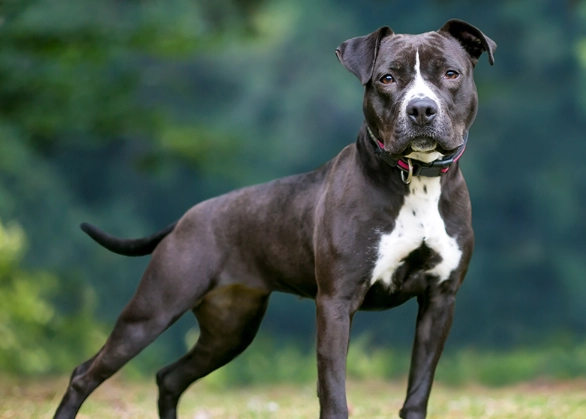
What's Inside This Guide?
Myth vs. Reality: The True Pit Bull Temperament
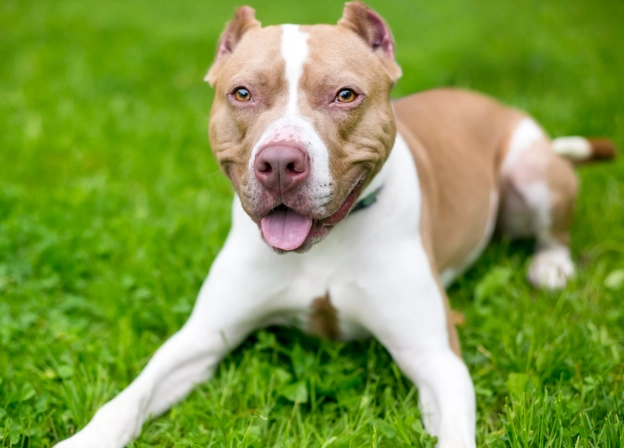
Training is Non-Negotiable: A Practical Approach
Start Early, Socialize Smartly
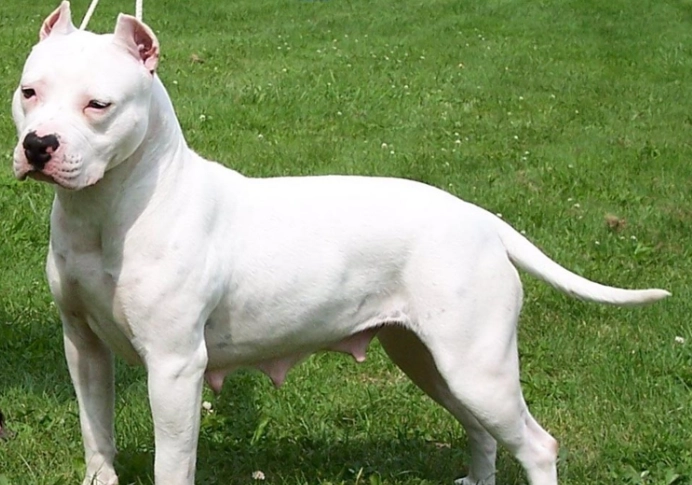
Master These Three Commands First
The Pit Bull Care Routine: Health, Exercise, and Nutrition

Daily Exercise: More Than a Walk
Common Health Considerations
Condition
What to Look For
Prevention/Treatment
Hip Dysplasia
Stiffness, reluctance to jump/run, "bunny-hopping" gait.
Maintain healthy weight, provide joint supplements (glucosamine), avoid excessive jumping as a puppy.
Skin Allergies
Itching, redness, hot spots, recurrent ear infections.
Often food or environmental. Work with your vet on elimination diets. Omega-3 supplements can help.
Heart Disease
Lethargy, coughing, difficulty breathing.
Regular cardiac screenings, especially as they age.
Feeding for Muscle and Energy
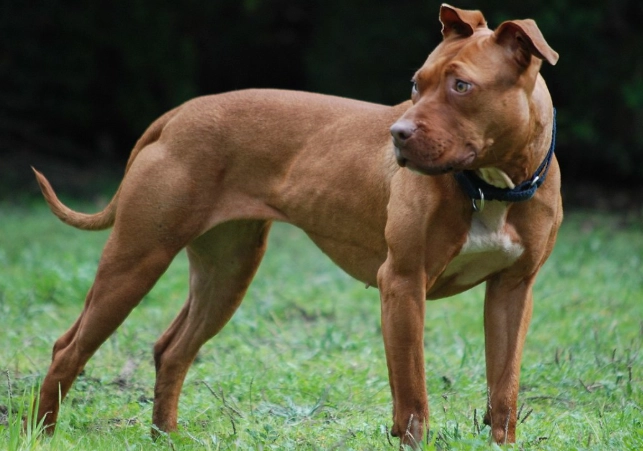
Navigating the Legal and Social Landscape
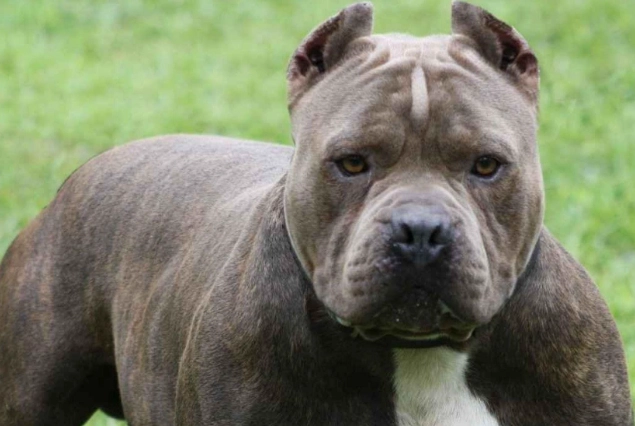
Is a Pit Bull the Right Fit For You?
Your Questions, Answered