Polydactyl Cats: The Complete Guide to Extra-Toed Felines
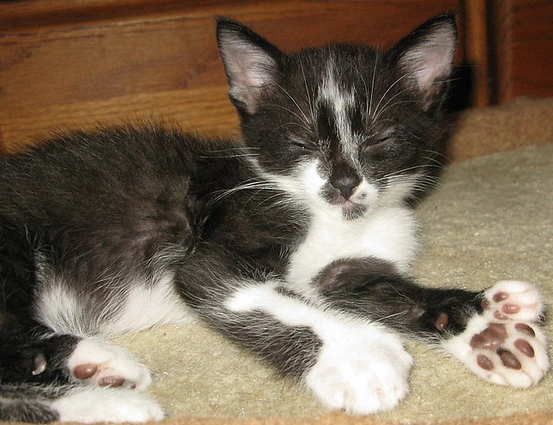
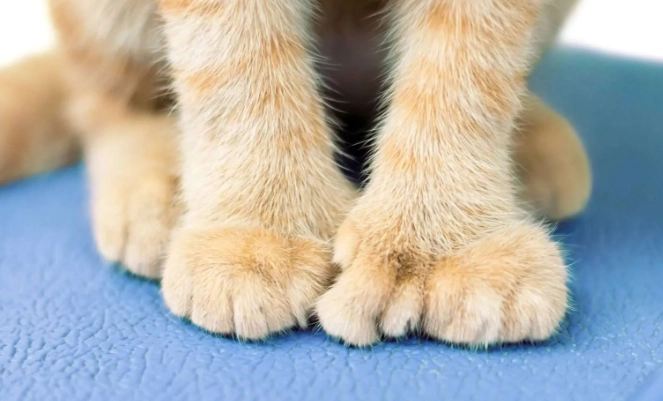
You're looking at your cat's paws, and something seems off. Wait, is that... an extra toe? Congratulations, you might have a polydactyl cat. It's not a disease or a deformity. It's a quirky genetic trait that gives these cats more than the standard 18 toes (five on each front paw, four on each back). I've shared my home with a polydactyl Maine Coon for eight years, and let me tell you, those extra digits are more than just a cute party trick—they come with a unique set of joys and, frankly, a few headaches most cat care guides completely ignore. Polydactyly simply means "many digits." In cats, it's an autosomal dominant genetic trait. In plain English? If one parent has the gene, there's a good chance some kittens will inherit those extra toes. It's most common in front paws, but hind paw polydactyly happens too. The number varies wildly—I've seen cats with one extra toe per paw, and others with paws that look like mittens or even snowshoes. The Cat Fanciers' Association (CFA) and The International Cat Association (TICA) recognize polydactyly as a standard trait in certain breeds, like the Maine Coon, where it was historically believed to help with walking on snow. For most cats, it's a harmless physical quirk. Quick Paw Anatomy: A typical cat has 5 toes on each front paw (including the dewclaw) and 4 on each back paw, totaling 18. A polydactyl cat can have 6, 7, or even more on one or more paws. The record, according to Guinness World Records, is 28 toes total. This is where it gets interesting. The gene responsible is named SHH (Sonic Hedgehog, yes, really). A specific mutation causes the development of extra digits during the kitten's embryonic stage. It's not linked to other health issues in itself. Now, for the sailor's tale. Polydactyl cats are famously associated with Ernest Hemingway and the ports of New England. The story goes that sailors in the 19th and early 20th centuries prized these "ship's cats" for their extra toes. They believed the cats had better balance on rocking ships and were superior mousers. While the balance part is more folklore than proven science, the prevalence in port cities like Boston and Halifax is historical fact. Sailors likely spread the gene. Hemingway was gifted a white polydactyl cat by a ship's captain, and his descendants still roam his Key West home, now a museum. Here's the part most generic articles gloss over. Living with a polydactyl cat isn't just about cute photos. Their care requires specific attention. After years of managing my cat's "thumbs," I've learned the hard way what matters. This is the number one user pain point, hands down. Extra toes mean extra nails. But it's worse than that. Often, the extra digits are positioned oddly—they might not touch the ground when the cat walks. This means the nail doesn't get naturally worn down and can curl back into the paw pad, causing pain and infection. The expert mistake I see: People treat all the nails the same. You can't. You must identify every single nail, especially the hidden ones on non-weight-bearing toes. Feel for them. A monthly trim is non-negotiable. Use sharp, guillotine-style clippers and have styptic powder on hand. If you're nervous, your vet or groomer can show you the first few times. Those adorable mittened paws can trap litter, dirt, and debris more easily. Polydactyl cats, especially long-haired ones, need you to check between their toes regularly. A quick wipe with a damp cloth after they use the litter box can prevent issues. Some cats with extreme polydactyly might have difficulty grooming that area themselves. It sounds minor, but it matters. Some cats with very large, flat "snowshoe" paws can be pickier about litter. They might dislike the feeling of certain crystals or coarse litters on their sensitive extra toes. If your polydactyl cat starts avoiding the box, try a softer, finer-grained clumping litter. Polydactyly itself is not a health problem. However, the structure of the extra toes can sometimes lead to issues. Responsible breeding is key here. A vet once told me something that stuck: "The problem isn't the number of toes, it's the quality of the anatomy." A well-formed extra toe is fine. A poorly formed, awkwardly angled one is what needs monitoring. Beyond Hemingway's estate, polydactyl cats have a cult following. They're considered good luck in some cultures. If you're looking to meet or adopt one: Adoption is always a wonderful route. Shelters sometimes label them as "special needs" due to the nail trimming need, which can be a barrier for them. In reality, they just need an owner who's informed and committed to that one extra step of care. At the end of the day, a polydactyl cat is just a cat with a little something extra. They don't know they're different. They just know they have paws perfect for getting your attention, holding treats, and leaving unique prints on your heart—and probably your clean windows. The key is moving past the novelty and committing to the slightly modified care routine. Do that, and you'll have a fascinating, healthy companion for years to come.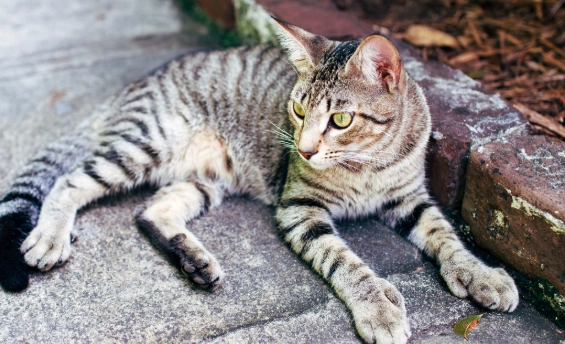
What’s Inside This Guide
What Exactly Is a Polydactyl Cat?
The Genetics and Nautical History Behind Extra Toes
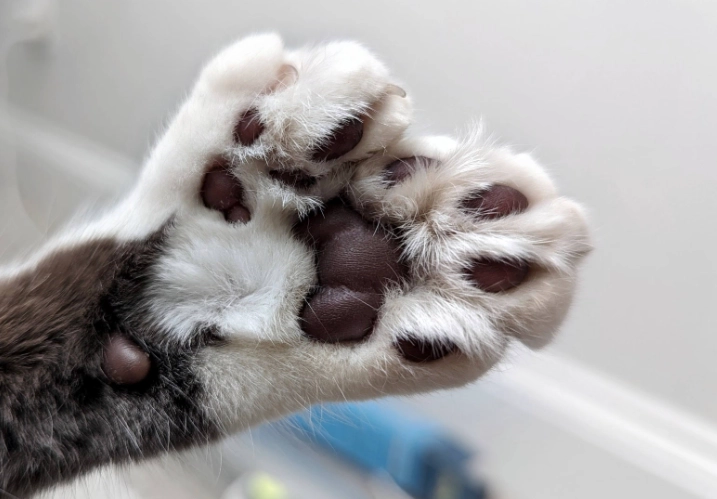
The Real Deal: Unique Care Needs for Polydactyl Paws
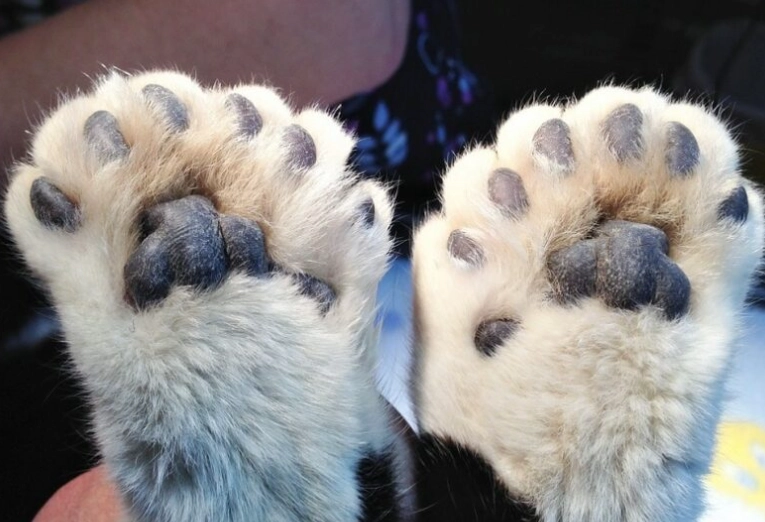
Nail Trimming: The Biggest Challenge
Grooming and Hygiene
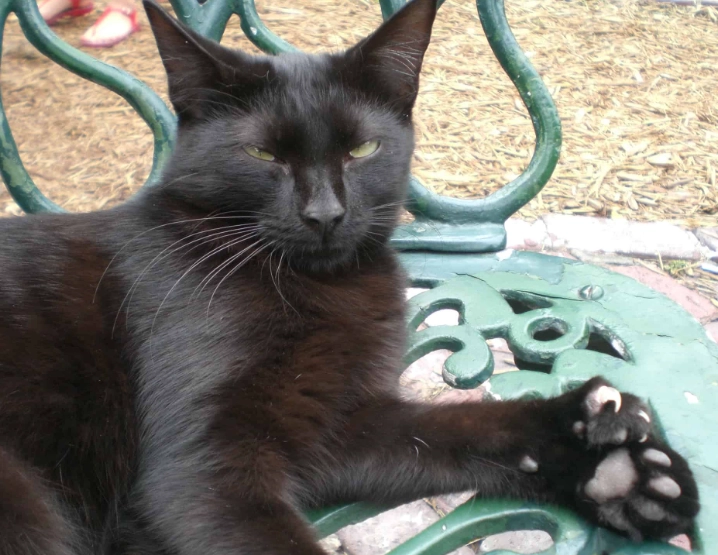
Litter Box Considerations
Health Considerations: What to Watch For
Potential Issue
Description
What to Do
Ingrown Nails
As mentioned, the most common issue. Nails on non-functional toes grow unchecked.
Rigorous, scheduled trimming. Never skip.
Fused or Malformed Bones
In rare cases, the extra toes may have irregular bone formation, which could be prone to arthritis later in life.
Your vet can identify this during a routine exam or X-ray. Monitor for limping or pain.
Skin Infections
Debris trapped in the webbing of a mitten paw can cause irritation.
Regular paw checks and cleaning.
No Issues at All
The vast majority of polydactyl cats live perfectly normal, healthy lives.
Enjoy the uniqueness! Just stay vigilant with basic care.
Famous Polydactyl Cats and Where to Find Them
Your Polydactyl Cat Questions, Answered