Can Dogs Eat Peanut Butter? A Vet-Approved Safety Guide
Let's cut to the chase. Yes, in most cases, dogs can eat peanut butter. It's a fantastic high-value treat for training, a classic way to hide pills, and my own Labrador would sell his soul for a lick of the stuff. But that simple "yes" comes with a massive, life-or-death caveat that too many pet owners gloss over. Giving your dog the wrong kind of peanut butter can lead to a frantic, expensive trip to the emergency vet, or worse. I've seen it happen. Plain, unsalted, xylitol-free peanut butter is generally safe for dogs in small, controlled amounts. Think of it as a condiment, not a meal. The keyword there is xylitol-free. Xylitol is an artificial sweetener that's highly toxic to dogs, causing a rapid and severe drop in blood sugar and potential liver failure. It's the single biggest risk factor when considering peanut butter for your dog. So, the rule isn't just "check the label." It's "scrutinize the ingredient list like a detective." Look for the words "xylitol," "birch sugar," or any variation in the sweetener section. If you see it, that jar is poison for your pup. When you get the safe stuff, peanut butter offers a few perks. It's a good source of protein and healthy fats, which support skin and coat health. It contains vitamins like B and E, and niacin. But let's be real—the main benefit is behavioral. That sticky, delicious paste is a powerful motivator. It's perfect for: Just remember, the nutritional benefits are a bonus. You shouldn't rely on peanut butter as a dietary supplement. This is where most articles stop at "avoid xylitol," but the dangers are a bit more nuanced. Let's break them down. Xylitol isn't just bad; it's one of the most acute toxins a dog can ingest from human food. According to the American Society for the Prevention of Cruelty to Animals (ASPCA) Animal Poison Control Center, even small amounts can be devastating. It triggers a massive insulin release in dogs, leading to hypoglycemia (low blood sugar) within 10-60 minutes. Symptoms include vomiting, weakness, staggering, seizures, and collapse. Liver failure can follow within 24-48 hours. The scary part? Xylitol is increasingly common in "sugar-free" or "low-sugar" products, including some natural peanut butter brands marketed as healthy. It's not just in the obvious "diet" spreads anymore. I've seen it in artisanal nut butters at health food stores. Always, always check. Xylitol is public enemy number one, but it's not the only concern. Forget brand loyalty for a second. Your shopping list should be based on a simple ingredient checklist. Here’s a quick comparison: A common mistake I see is owners grabbing "natural" peanut butter and assuming it's safe. "Natural" is an unregulated term. The jar might just have peanuts and salt, or it might have peanuts, salt, sugar, and palm oil. You have to read the list every single time. My personal go-to is the store-brand "grind your own" machine at many supermarkets. You get literally just roasted peanuts ground into butter. No additives, no guesswork. Okay, you've got the safe jar. Now, how do you use it without turning your dog into a chunky peanut butter monster? Follow this five-step plan. 1. Calculate the Safe Amount. Treats, including peanut butter, should make up no more than 10% of your dog's daily calories. A tablespoon of standard peanut butter has about 100 calories. For a 30-pound dog needing roughly 700 calories a day, that means a max of 70 calories from treats. So, one tablespoon is already over the limit if it's their only treat that day. I recommend using a teaspoon (about 33 calories) as a standard "serving" for medium dogs, and less for small breeds. 2. Use It as a Tool, Not a Snack. Don't just scoop it onto a plate. Smear it inside a Kong toy, on a lick mat, or use a tiny dab for training rewards. This slows them down and provides mental stimulation. 3. Supervise the First Few Times. Even with safe ingredients, some dogs might have a sensitive stomach. Start with a tiny amount and watch for any digestive upset. 4. Consider the Calories in Everything. That peanut butter you use to give a daily pill? It counts. The smear on the lick mat? It counts. Keep a mental tally. 5. Have an Emergency Plan. Know the number for your vet and the ASPCA Animal Poison Control Center (888-426-4435). If you suspect xylitol ingestion, time is critical. Don't wait for symptoms.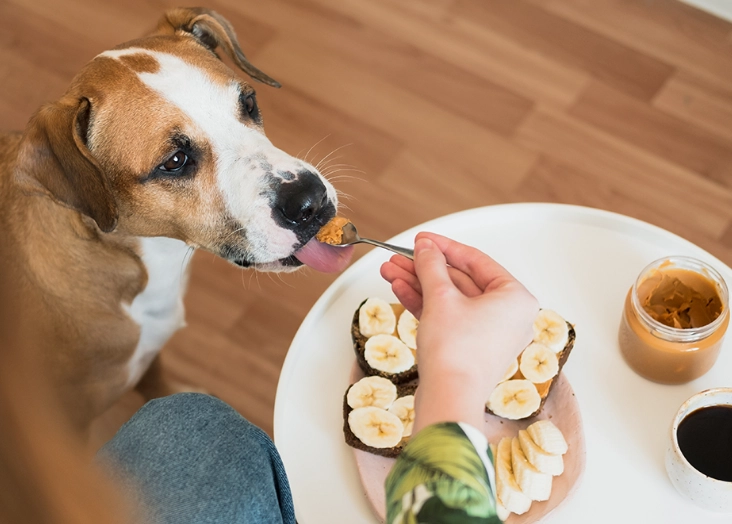
What's Inside This Guide?
The Short Answer: Is Peanut Butter Safe for Dogs?
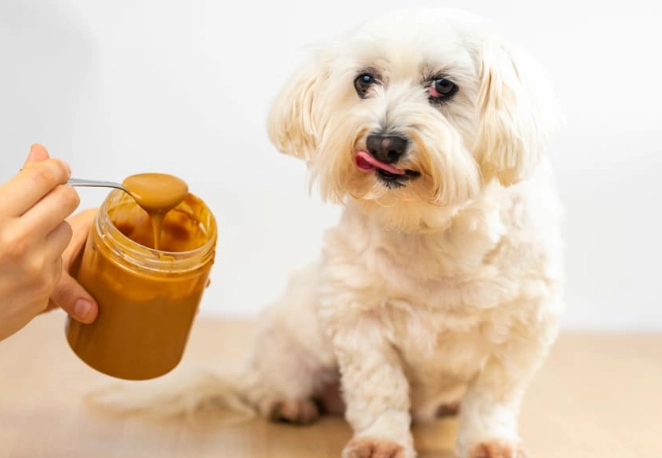
The Benefits: Why Peanut Butter Can Be a Good Treat
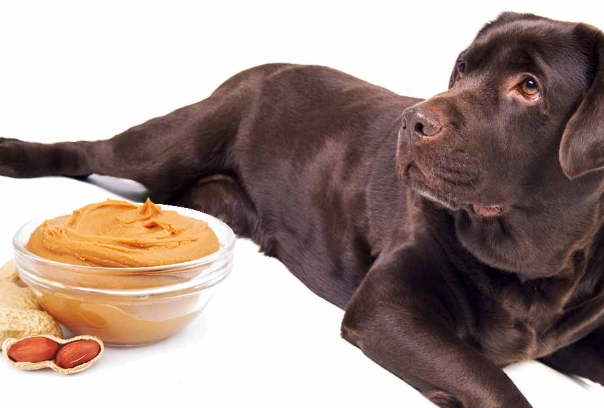
The Hidden Dangers: What Makes Some Peanut Butter Toxic
Xylitol: The Silent Killer
Other Ingredients to Watch Out For
How to Choose a Dog-Safe Peanut Butter
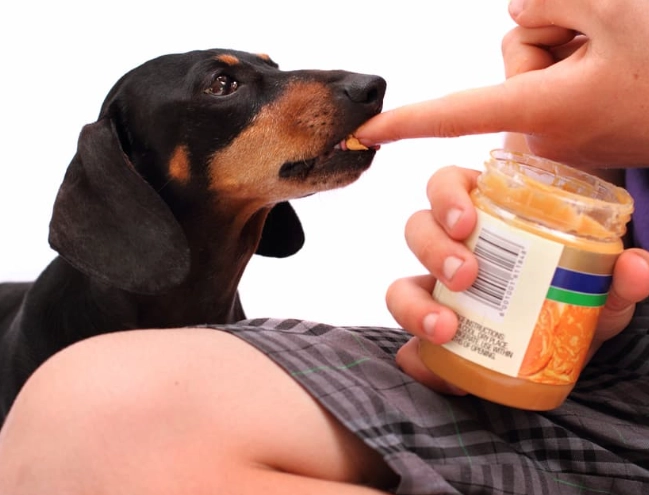
What to LOOK FOR (Safe)
What to AVOID (Dangerous/Risky)
Peanuts. That's it. Just peanuts.
Xylitol, Birch Sugar. Any sugar alcohol sweetener.
Peanuts, Salt. A little salt is okay, but unsalted is best.
High-Fructose Corn Syrup, Molasses, Cane Sugar. Unnecessary sweeteners.
Peanuts, Salt, Palm Oil. Some use palm oil to prevent separation. It's generally safe but adds fat.
Hydrogenated Oils. These are trans fats.
"No Sugar Added" or "Unsweetened" labels. But still verify no xylitol!
"Sugar-Free" or "Low-Sugar" labels. These are red flags for potential xylitol.
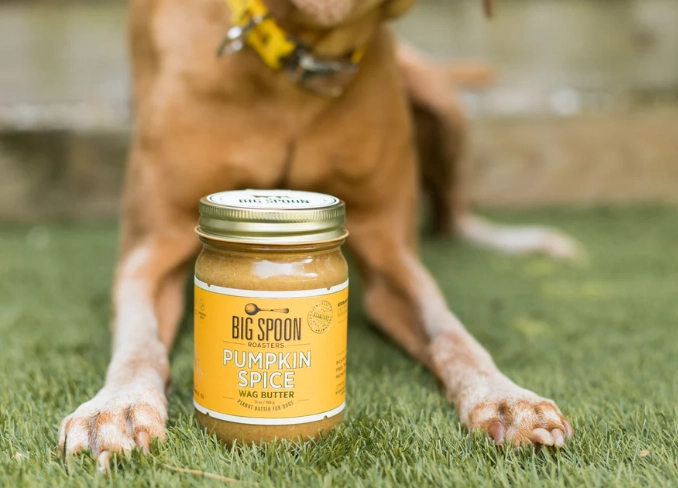
How to Safely Feed Peanut Butter to Your Dog
Your Questions, Answered (FAQ)