Largest Dog Breed Guide: Size, Care & Ownership Realities
So you're thinking about getting a really, really big dog. The idea is appealing, right? A gentle giant by your side, turning heads on every walk. But let's cut past the romanticized image. Living with the largest dog breeds isn't just about having a big, fluffy companion. It's a lifestyle commitment that impacts your finances, your living space, your schedule, and even your car choice. I've been around giant breeds for over a decade, helping friends and clients navigate the joys and colossal challenges. The biggest mistake I see? People fall in love with the size and look without understanding the daily reality behind it. It's not just about being tall. Most kennel clubs, like the American Kennel Club (AKC), categorize giant breeds as those typically weighing over 100 pounds (45 kg) as adults. Height at the shoulder often exceeds 28 inches (71 cm). But weight is the real game-changer. A 120-pound dog isn't just 50% heavier than an 80-pound dog; the impact on everything from food bills to joint stress is exponential. Think of it this way: a Great Dane's heart has to pump blood through a much larger body than a Labrador's. Their bones and joints bear immense pressure. Their metabolism works differently. This biological scaling isn't linear, and it's the root cause of many breed-specific challenges we'll get into. Let's get specific. Here's a breakdown of the true giants, based on average measurements from breed standards and veterinary data. This isn't just a list; it's a comparison of what life with each actually entails. Notice the lifespan column. This is the heartbreaking trade-off. Giant breeds age faster and live significantly shorter lives than smaller dogs. That 6-8 year range for some isn't a suggestion; it's a reality you must prepare for emotionally from day one. Let's talk numbers, because this is where dreams often crash into budgets. A giant dog's cost isn't double that of a medium dog; it can be triple or quadruple. I'll walk you through a realistic first-year estimate for a puppy from a reputable breeder. The Puppy Itself: From a responsible breeder who does health testing on the parents (non-negotiable for giants), expect $2,500 to $4,000+. Food: This is the big one. A high-quality large-breed puppy and adult food (crucial for controlled growth) will run you $120-$200 per month. We're talking 8-10 cups of food daily. That's over $2,000 a year, easily. Veterinary Care: Initial vaccines, deworming, microchip. Then factor in spay/neuter, which is a major abdominal surgery for a giant breed and costs more. $800-$1,500 for the first year is conservative. Pet insurance is highly recommended and will add $80-$150/month. Supplies: Everything is XXL. A crate? $250+. A raised bed that actually fits? $150+. Leashes, collars, bowls—all premium priced. Toys must be ultra-durable. Budget at least $500-$700 initially. Grooming: If you have a Newfie or Saint Bernard, professional grooming every 6-8 weeks at $100+ a session is a must unless you become an expert at home. That's another $600+/year. Your giant puppy will chew. And not on $5 toys. I've seen a Mastiff pup destroy a wooden coffee table leg. A Great Dane's wagging tail will clear your coffee table of glasses. Slobber will stain walls and ceilings. Factor in a "home wear and tear" budget. It's real. You can't just feed any dog food. You can't let them jump off the couch as puppies. Their physiology demands specific care. Here are the big four health concerns, based on studies from organizations like the Orthopedic Foundation for Animals (OFA). Bloat (GDV): The number one killer. The stomach twists, cutting off blood supply. It's agonizing and fatal within hours without emergency surgery (cost: $3,000-$7,000). Prevention is key: feed multiple small meals from a raised bowl, avoid exercise around meals, and know the signs. Hip & Elbow Dysplasia: Malformed joints causing arthritis and pain. Reputable breeders screen parents via OFA or PennHIP evaluations. You must keep your giant pup lean and avoid forced exercise on hard surfaces during growth. Heart Disease: Dilated cardiomyopathy (DCM) is common, especially in Danes. Regular vet check-ups with stethoscope exams are vital. Bone Cancer (Osteosarcoma): Sadly, giant breeds have a much higher incidence. Be vigilant for any persistent lameness or swelling in a leg. The vet told my neighbor with a Saint Bernard, "You're not raising a dog; you're managing a medical condition for the next decade." It sounds harsh, but that proactive mindset saves heartache. A poorly trained 15-pound dog is a nuisance. A poorly trained 150-pound dog is a dangerous liability. Your training must start early and be unwavering. Leash Manners: You must teach loose-leash walking before they hit 80 pounds. If they pull at full size, you're going for a ride, or worse, into traffic. I recommend a front-clip harness for control during training. Socialization: This isn't just about meeting other dogs. It's about exposing them calmly to everything: wheelchairs, skateboards, loud noises, hats, umbrellas. A fearful giant is an unpredictable giant. Basic Obedience: Sit, stay, down, and a rock-solid recall (in safe, enclosed areas) are not optional. They are for everyone's safety. Contrary to myth, many giants are couch potatoes indoors. What they need is not a mansion, but appropriate space. Are giant dog breeds good with children and other pets? Many have wonderful, patient temperaments bred for centuries (think Newfoundlands as "nanny dogs"). However, their sheer size is the risk. A happy tail whip can knock a toddler over. An excited jump can injure. Supervision is non-negotiable, and you must teach both the dog and the children respectful boundaries. Always introduce other pets slowly and under control. What's the biggest misconception about owning a large dog breed? That they need endless, intense exercise. Most mature giants have moderate exercise needs—a couple of good walks and some playtime. The bigger issue is mental stimulation and training. A bored giant is a destructive giant. The other misconception is that they all make good guard dogs. While protective, breeds like the Great Dane are often too friendly to be reliable deterrents without specific training. How do I find a reputable breeder for a giant breed puppy? Avoid online marketplaces. Go directly to the national breed club website (e.g., Great Dane Club of America). They have breeder referral lists. A good breeder will: 1) Ask you as many questions as you ask them. 2) Show you OFA/PennHIP certifications for hip/elbows, and cardiac exams for the parents. 3) Have a contract that includes a health guarantee and requires you to return the dog to them if you can't keep it. 4) Let you meet the mother dog. If they only show you puppies, walk away. Is adopting an adult giant breed dog a better option for a first-time owner? Often, yes. You skip the destructive, expensive puppy phase and get a dog whose size and temperament are already known. Rescue groups like Mastiff-specific rescues do excellent work assessing dogs in foster homes. The challenge is that some adult giants come with unknown histories or behavioral issues that require an experienced handler. Be brutally honest with the rescue about your experience and home life. My giant dog is starting to slow down and struggle to get up. What should I do? See your vet immediately to rule out pain or illness. Assuming it's age-related arthritis, your focus shifts to comfort management. Invest in orthopedic foam beds (heated ones are great for sore joints). Install non-slip flooring or use runners. Ramps for getting in/out of the car become essential. Discuss supplements (glucosamine/chondroitin, omega-3s) and prescription pain management with your vet. This is the stage where your commitment is tested—caring for an aging giant requires physical and financial strength. Owning one of the largest dog breeds is a profound experience. The love and presence they offer is immense. But it's a path paved with practical challenges that you must see clearly before you start. It's not for everyone, and that's okay. If you do your homework, count the real cost, and commit fully, you'll gain a companion whose loyalty is as giant as they are.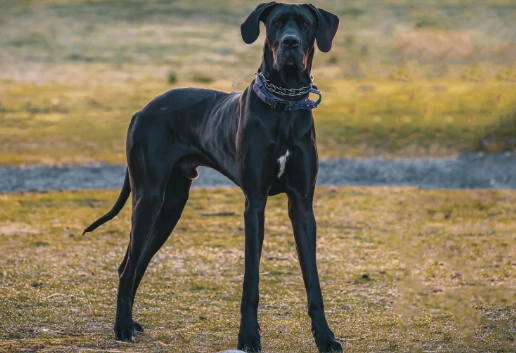
What's Inside This Guide?
What Exactly Defines a 'Giant' Dog Breed?
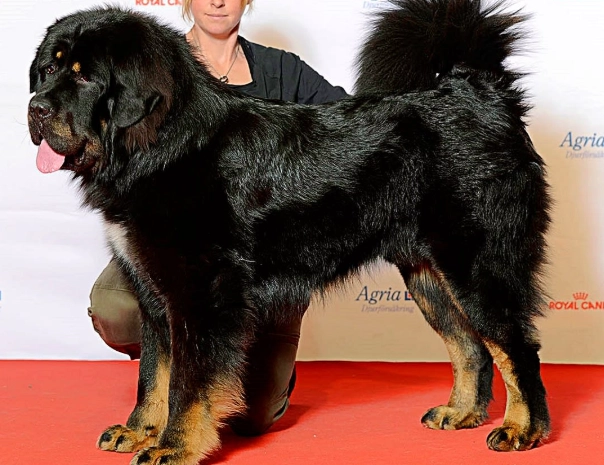
Top 5 Largest Dog Breeds by Weight and Height
Breed
Average Height (Male)
Average Weight (Male)
Average Lifespan
Key Characteristic
English Mastiff
30+ inches (76+ cm)
160-230 lbs (73-104 kg)
6-10 years
The heaviest breed. A massive, calm guardian with a surprisingly gentle soul. Drool is a constant.
Saint Bernard
28-30 inches (71-76 cm)
140-180 lbs (64-82 kg)
8-10 years
Powerful, friendly, and famously patient. Requires serious grooming and space. Can be stubborn.
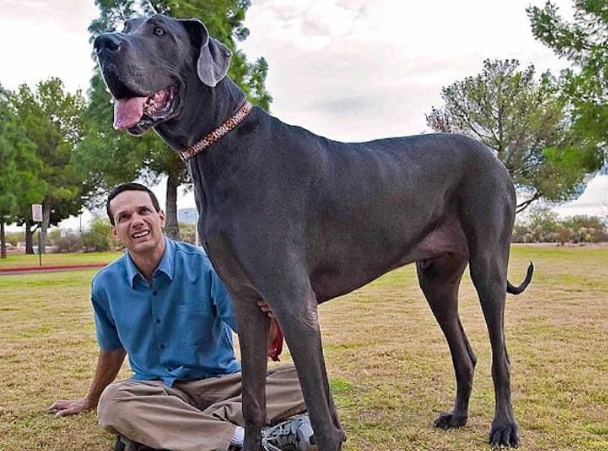
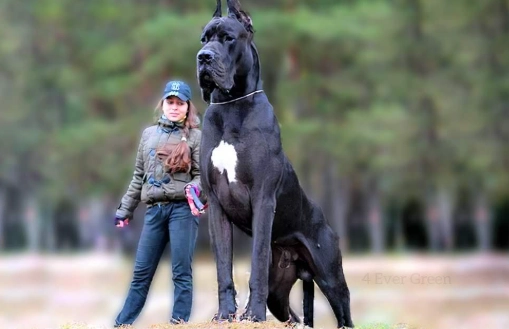
Great Dane
30-32 inches (76-81 cm)
140-175 lbs (64-79 kg)
7-10 years
The "Apollo of dogs." Tallest common breed. Goofy, affectionate, and prone to leaning. Needs careful bone development support.
Irish Wolfhound
32+ inches (81+ cm)
140-180 lbs (64-82 kg)
6-8 years
Rare, ancient, and dignified. The tallest breed overall. A calm sight-hound with a high prey drive. Needs secure space to run.
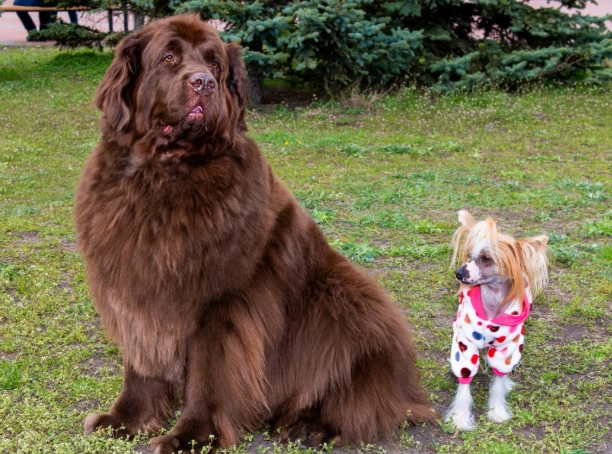
Newfoundland
28 inches (71 cm)
130-150 lbs (59-68 kg)
9-10 years
The gentle water rescue giant. Incredibly sweet, intelligent, and heavy-coated. Requires intensive grooming and loves water.
How Much Does It Really Cost to Own a Giant Dog Breed?
Initial and Recurring Expenses
The Hidden Cost Everyone Forgets: Your Stuff
Common Health Issues in Giant Dog Breeds
Training and Space: The Non-Negotiables
Do You Really Have Enough Space?
Your Giant Dog Questions Answered