Dog Ear Infection Treatment: A Complete Guide for Pet Owners
If you're reading this, your dog is probably driving you nuts with constant head shaking, ear scratching, or that awful smell. I get it. My friend's Cocker Spaniel, Barney, went through this last year. The vet bills piled up, the frustration grew, and Barney was miserable. It turns out, the initial treatment missed a key detail. That experience taught me that treating a dog's ear infection isn't just about applying drops; it's about understanding the why and the how to prevent it from becoming a chronic nightmare. Ear infections, or otitis externa, are one of the top reasons dogs visit the vet. They're painful, itchy, and if handled wrong, they come back with a vengeance. This guide cuts through the generic advice. We'll cover how to spot the signs, what home care you can safely do, the exact steps vets take, and the little-known habits that keep ears healthy for good. Everyone knows about head shaking. But waiting for that is like waiting for a cough to turn into pneumonia. Early signs are subtler. Your dog might tilt its head slightly to one side, or become reluctant when you go near its ears during petting. The ear flap might feel warmer than the other. Here’s what you need to check for, in order of severity: Many owners make a crucial mistake here. They see dark gunk and assume it's just dirt. Yeast and mite debris can look identical to the untrained eye. If you're not sure, assume it's a problem until proven otherwise. The treatment depends entirely on the culprit. Using an antibacterial drop on a yeast infection is useless. Using a mite treatment on a bacterial infection does nothing. This table breaks down the key differences. A vet will use an otoscope to look deep into the ear canal and often take a swab to examine under a microscope. This step is non-negotiable for effective treatment. Before you see the vet, there are safe ways to provide relief. And there are dangerous ways to make it worse. Do This: If the ear is just dirty and mildly irritated, you can use a vet-recommended ear cleaner. My go-to is one with drying agents like salicylic acid. Squeeze it into the ear canal, massage the base for 20 seconds, and let your dog shake. Then gently wipe the outer folds with cotton balls. Never use cotton swabs (Q-tips). Not That: Avoid internet hacks like vinegar, hydrogen peroxide, or rubbing alcohol. They disrupt the ear's delicate pH balance and can burn inflamed skin. Tea tree oil is toxic to dogs if not properly diluted—just skip it. Home care is for maintenance and mild support, not for treating an active, painful infection. If you see significant redness, discharge, or your dog is in pain, stop and call the vet. So, you're at the vet. What happens next? A proper ear infection treatment has multiple stages, and skipping one often leads to recurrence. This is the most important step that's hard to do at home. The vet or tech will flush the ear canal with a medicated solution under direct visualization. This removes the biofilm—a slimy layer of bacteria or yeast that shields them from medication. If this isn't done, your ear drops are just swimming on top of the problem. You'll get prescription ear drops. These are typically combinations: an antifungal for yeast, an antibiotic for bacteria, and a steroid to reduce inflammation and pain. The steroid part is critical. Itchy dogs scratch, which causes more damage and infection. Breaking the itch-scratch cycle lets the medicine work. Applying them correctly is key. Warm the bottle in your hands for a minute. Cold drops are startling. Get the tip just inside the ear opening, give the prescribed number of squeezes, and massage the base of the ear thoroughly. You should hear a squishing sound. Here's the subtle error: stopping the medicine when the symptoms improve. Infections can linger beneath the surface. You must finish the entire course, even if your dog seems perfectly fine after 5 days of a 10-day treatment. Schedule the re-check appointment. The vet needs to look with the otoscope again to confirm the infection is truly gone, not just hiding. This is the difference between a one-time fix and a chronic issue. Dogs with floppy ears, allergies, or who love swimming are prone to repeat infections. Prevention isn't magic; it's a system. For dogs with allergies (a huge underlying cause), managing the allergy with diet, medication, or supplements from your vet is the real long-term solution. You're just putting out fires if you don't address the allergic inflammation. Make weekly ear checks part of your grooming routine. Just a quick look and sniff. Catching early redness is easier than treating a full-blown infection.Quick Navigation: Your Path to Healthy Ears
How to Spot a Dog Ear Infection: Beyond the Head Shake
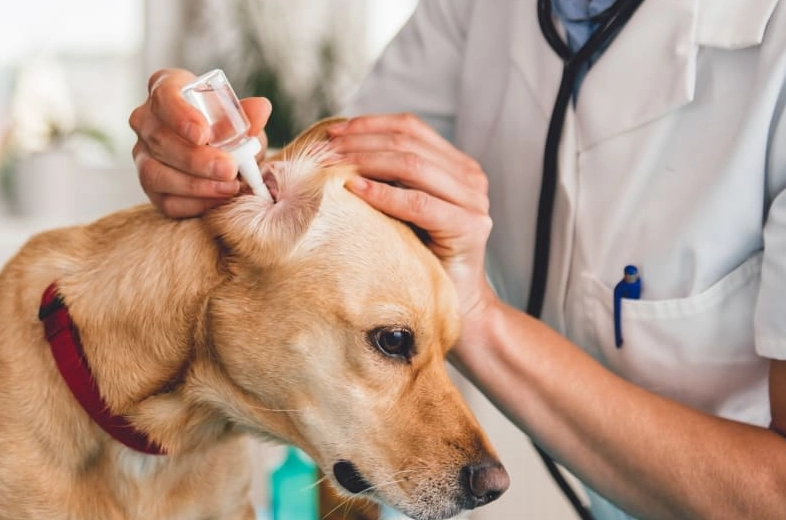
Yeast vs. Bacterial vs. Mites: Why It Matters
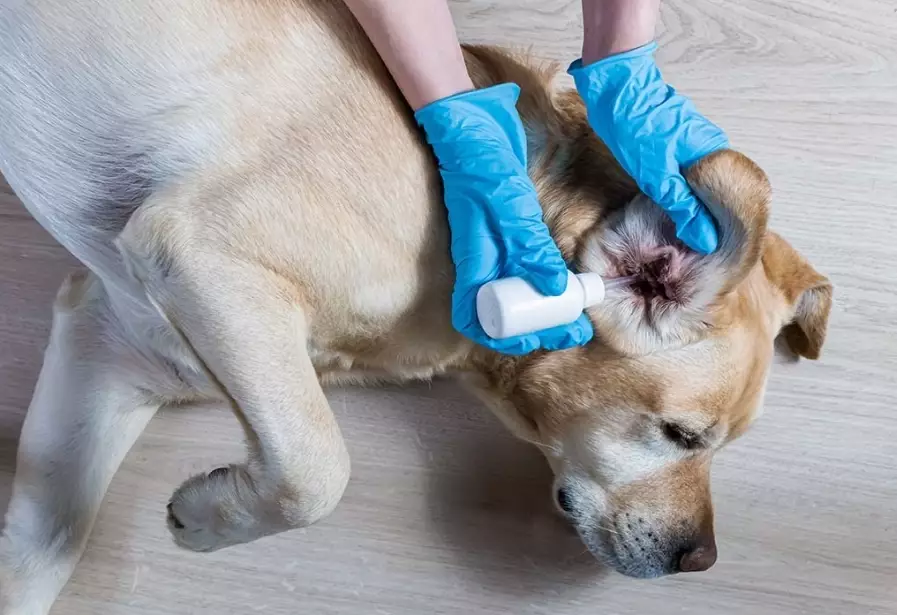
Type of Infection
Common Signs
Typical Discharge
Odor
Yeast (Malassezia)
Intense itching, red-brown waxy build-up, skin may look greasy
Dark brown, waxy, crumbly (like coffee grounds)
Sweet, musty, like old bread
Bacterial
Painful to touch, yellow/green pus, ulceration inside ear
Yellow, green, or bloody pus; can be thick
Strong, foul, pungent
Ear Mites
Violent scratching, head shaking, often in puppies
Dark brown/black, dry, crumbly (similar to yeast)
Minimal odor
First Aid at Home: What You Can (and Absolutely Should Not) Do
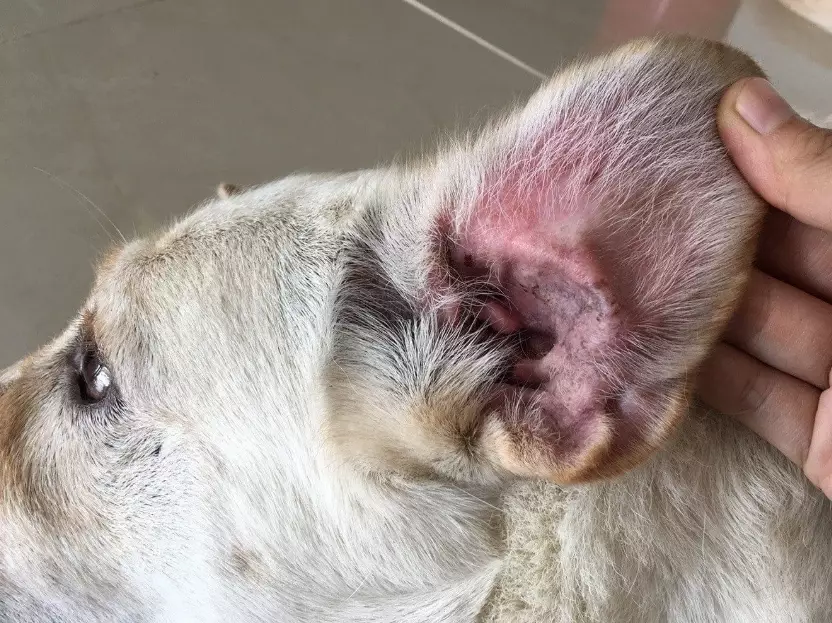
The Vet Visit: What the Treatment Process Really Looks Like
Step 1: The Deep Clean (Often Done at the Clinic)
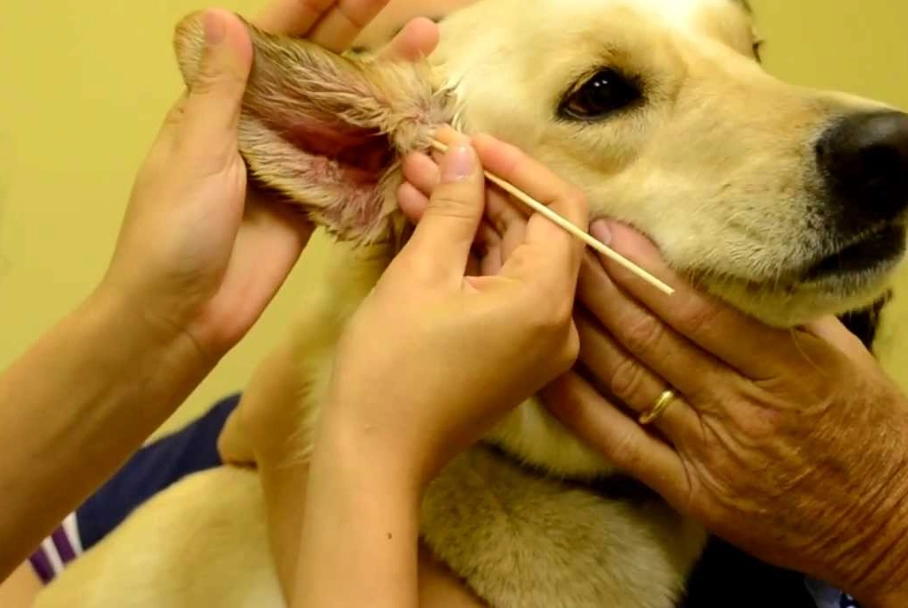
Step 2: The Right Medication
Step 3: The Full Course and Re-check
Stopping It for Good: A Practical Prevention Plan
Your Top Ear Infection Questions, Answered