Can Dogs Eat Grapes? The Definitive Safety Guide
Let's cut right to the chase: No, dogs cannot eat grapes. Not a single one. Not green grapes, red grapes, seedless grapes, or organic grapes from the farmer's market. The same goes for raisins, currants, and sultanas. If you're here because your dog just snatched a grape off the floor, stop reading and call your vet or an animal poison control center immediately. Time is critical. For everyone else planning ahead, this guide will walk you through everything—the science, the scary symptoms, the exact steps to take in an emergency, and the common mistakes even experienced dog owners make.
In This Guide: What You Need to Know Now
Why Are Grapes Toxic to Dogs? The Science (and Mystery)
Here's a frustrating fact for anyone who loves clear answers: veterinarians and toxicologists still don't know the exact compound in grapes that causes kidney failure in dogs. It's not pesticides, it's not mold, and it's not the sugar. Research published by institutions like the ASPCA Animal Poison Control Center has ruled those out. The leading theory points to a naturally occurring substance in the grape's flesh, skin, or seeds that some dogs are uniquely sensitive to.
This unknown factor makes grape toxicity wildly unpredictable. I've talked to vets who've seen a Great Dane eat a whole bunch and be fine, and a Labrador retriever go into renal failure after two grapes. There's no identified "safe" dose. You can't calculate it by weight. This uncertainty is why the universal medical advice is zero tolerance.
A crucial nuance most articles miss: Raisins and currants are more concentrated, so they're often considered more potent. A small handful of raisins can be as dangerous as a larger serving of grapes.
Symptoms of Grape or Raisin Poisoning in Dogs
The damage happens in the kidneys. Symptoms usually appear within 6 to 12 hours after ingestion, but they can be delayed up to 24 hours. Don't wait for symptoms to act. If you know ingestion happened, seek help immediately. Here’s what to watch for, progressing from early to severe signs:
- Vomiting and Diarrhea: Often the first sign, sometimes with pieces of grape or raisin visible.
- Lethargy and Weakness: Your dog seems unusually tired, doesn't want to play, or has trouble standing.
- Loss of Appetite and Abdominal Pain: They may whine, tense their belly, or not touch their food.
- Dehydration Signs: Dry gums, sunken eyes, and loss of skin elasticity.
- Decreased or No Urine Output: This is a major red flag for kidney shutdown. You might notice fewer trips outside or smaller puddles.
- Bad Breath: A chemical or metallic smell from the mouth due to toxin buildup.
- Tremors or Seizures: In advanced stages.
Kidney damage can be permanent. The goal of treatment is to prevent the cascade from starting.
Step-by-Step: What to Do Right Now
1. Don't Panic, But Act Fast. Panicking wastes time. Take a deep breath and move through these steps.
2. Secure Your Dog and the Source. Prevent access to any more grapes. Get your dog to a safe, contained area.
3. Gather Critical Information.
- Type and Amount: Grapes or raisins? Best estimate of how many.
- Time: When did it happen (as precisely as possible)?
- Your Dog's Weight: This is crucial for the vet.
- Any Symptoms Yet? Note even subtle ones like lip-licking or restlessness.
4. Call for Professional Guidance Immediately. Do not try home remedies like hydrogen peroxide without direct vet instruction.
- Primary Option: Call your regular veterinarian or the nearest emergency animal hospital. Tell them it's a potential grape/raisin ingestion.
- Secondary Option: Call a pet poison helpline. In the US, the ASPCA Animal Poison Control Center (888-426-4435) or the Pet Poison Helpline (855-764-7661) are gold-standard resources. (Note: These services may charge a fee, but it's worth it for expert triage).
5. Follow Their Instructions to the Letter. They will likely tell you to bring your dog in immediately. Do not wait. The most effective treatment, inducing vomiting to remove the toxin, has a narrow window (usually within 2 hours of ingestion) and must be done under professional supervision.
What Treatment at the Vet Looks Like
If you get to the vet quickly, the goal is decontamination and protecting the kidneys. Here's a breakdown of the process, so you know what to expect:
| Treatment Phase | What They Do | Why It's Done |
|---|---|---|
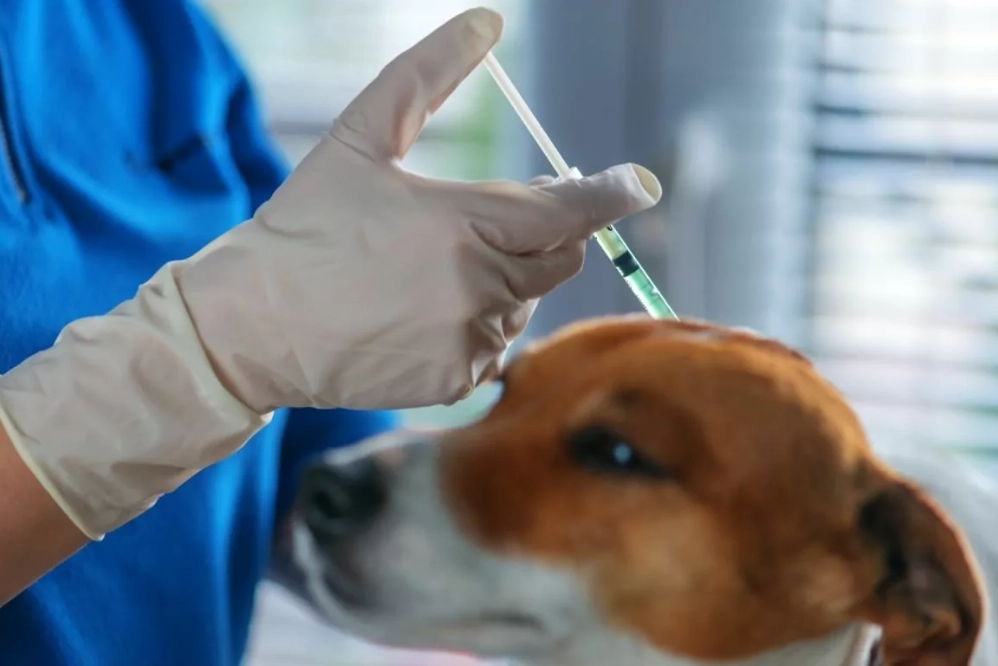
| Immediate Decontamination | Inducing vomiting with apomorphine or hydrogen peroxide (vet-administered). Possibly followed by administering activated charcoal. | To physically remove any remaining grape/raisin material from the stomach before it's digested and absorbed. |
| Aggressive IV Fluids | Hospitalization for 48-72 hours on continuous intravenous (IV) fluids. | This is the cornerstone of treatment. It helps flush toxins through the kidneys, maintains blood pressure, and supports kidney function to prevent damage. |
| Monitoring & Bloodwork | Blood tests (kidney values like BUN and creatinine) at baseline, 24, 48, and sometimes 72 hours. | To closely monitor kidney function. Stable values over 48-72 hours are a very good sign. |
| Supportive Care | Anti-nausea medication, stomach protectants, and monitoring of urine output. | Manages symptoms, keeps the dog comfortable, and provides direct data on kidney performance. |
The bill for this can run into the hundreds or even thousands of dollars. It's a serious, intensive treatment. Prevention is infinitely cheaper and easier.
Keeping Your Dog Safe: Practical Prevention Tips
After a scare, you become hyper-vigilant. Here’s how to build a grape-proof routine.
In the Kitchen & Dining Area
Grapes roll. They fall off plates and counters. Treat them like a biohazard. Wash grapes in a colander inside a bowl to catch runaways. Never leave fruit bowls, lunchboxes, or kids' snack plates unattended. Be extra careful with baked goods like raisin bagels, oatmeal cookies, or fruitcake.
Educate Everyone in the House
Make sure kids, grandparents, and housemates know the rule. A simple, "Grapes and raisins are poison to Buddy, just like chocolate" works. Put a note on the fridge if you have to.
Check Ingredient Lists Meticulously
Raisins hide in trail mix, granola, cereal, bread, and many "healthy" snacks. Currants are in some jams and baked goods. Sultanas are in certain UK or Australian recipes. Scan labels before sharing any human food.
It feels over-the-top until you've seen a dog on IV fluids. Then it just feels responsible.
Your Top Questions, Answered by Experience
The bottom line is stark and simple. Grapes and their dried forms are a severe, unpredictable poison to dogs. There's no safe amount, no safe variety. If ingestion happens, swift veterinary action is the only path to a good outcome. By understanding the risks, preparing for emergencies, and building safe habits, you can completely eliminate this danger from your dog's life. Share this guide with other dog owners—it's one of those pieces of knowledge that can literally save a life.
Related Articles