Hairless Guinea Pigs: The Complete Care Guide for Skinny Pigs
Let's be honest, the first time you see a hairless guinea pig, or Skinny Pig, it's a bit of a shock. They look like tiny, wrinkly hippos with big ears. They're not what most people picture when they think "cute pet." But after fostering and eventually adopting one named Giblet five years ago, I can tell you their charm is undeniable. It's just a different kind. This guide isn't about selling you on their exotic looks; it's about giving you the unvarnished truth on what it really takes to keep one of these unique little creatures healthy and happy. They're not just regular guinea pigs without fur. They have a whole different set of rules.
What's Inside This Guide
What Exactly Is a Hairless Guinea Pig?
The term "hairless guinea pig" usually refers to two breeds: the Skinny Pig and the Baldwin. They're the result of a natural genetic mutation that was selectively bred. Here's the key difference most pet stores won't tell you: Skinnies are born with hair on their muzzles, feet, and sometimes legs. Baldwins are born fully furred but lose all their hair by about two months old, ending up completely bare. Skinnies are far more common in the pet trade.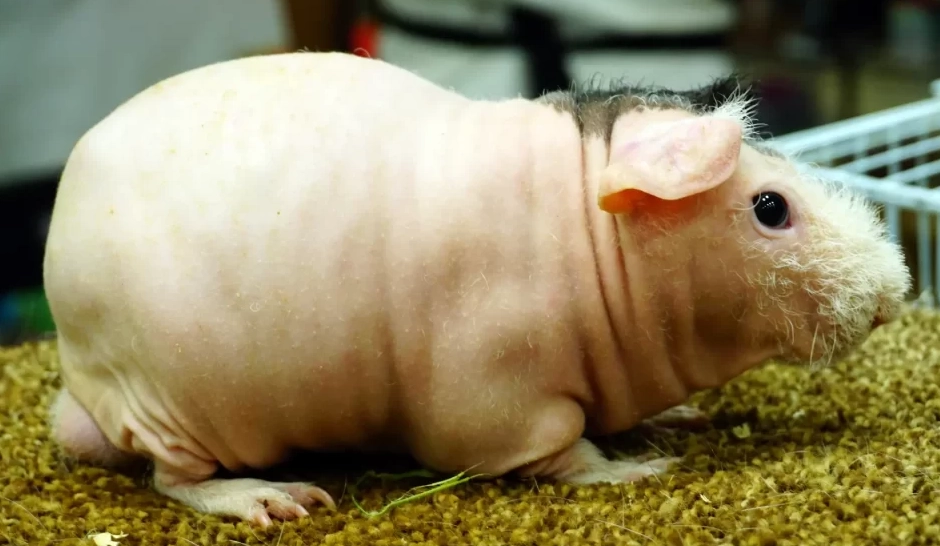
Their lack of fur isn't just cosmetic. It changes everything.
Quick Breed Snapshot: Skinny Pigs have a higher metabolism to stay warm, which means they eat more than their furry cousins. They also have skin that feels like warm suede, not cold rubber. Their personality isn't defined by their lack of hair—they can be just as shy, bold, vocal, or cuddly as any guinea pig. Giblet, for instance, is a total drama king who wheeks like a siren at the sound of the fridge.
How to Set Up the Perfect Hairless Guinea Pig Habitat
This is where most first-time owners make their biggest mistake. You can't just use a standard guinea pig setup.
The Non-Negotiables: Cage Size & Temperature
The absolute minimum cage size for one hairless guinea pig is 7.5 square feet, but 10.5 square feet is the recommended starting point. They need space to move and generate body heat. But size is secondary to temperature control.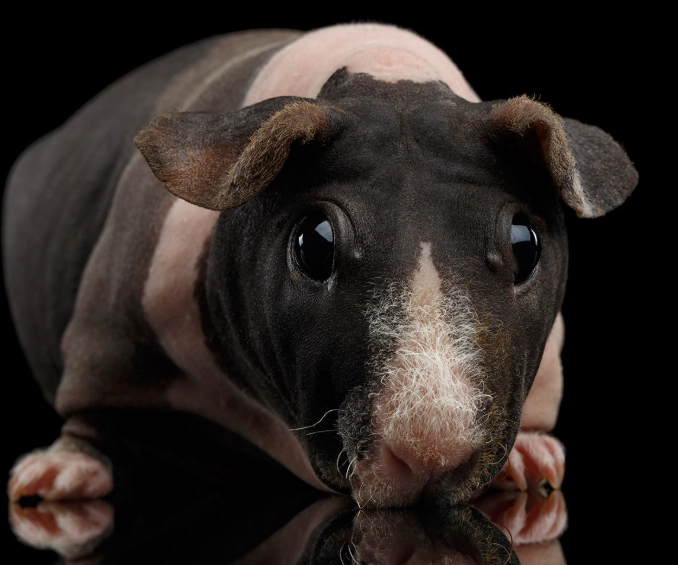
This is critical.
Their ideal ambient temperature range is 75°F to 80°F (24°C to 27°C). Anything below 70°F (21°C) can cause them to become chilled and stressed, leading to illness. I learned this the hard way when my heater broke one winter; Giblet got a respiratory infection within two days.
- Heating Pad (Pet-Safe): Place it under only one half of the cage. This allows them to choose their warmth level. Never use a human heating pad without a protective cover.
- Ceramic Heat Emitter: A lamp with a ceramic bulb that produces heat without light is excellent for maintaining ambient temperature, especially in drafty rooms.
- Fleece EVERYTHING: Avoid wood shavings. They're dusty and don't retain heat. Use multiple layers of absorbent fleece liners. Provide piles of fleece blankets and snuggle sacks (like little fleece tents) for burrowing.
Avoid Direct Sunlight & Drafts: Never place the cage in direct sunlight or in front of an air conditioning vent. They can overheat or get chilled just as easily.
What Do Hairless Guinea Pigs Eat? Diet & Nutrition
Their faster metabolism means their diet is crucial. Think of it as high-octane fuel for a tiny, always-running engine.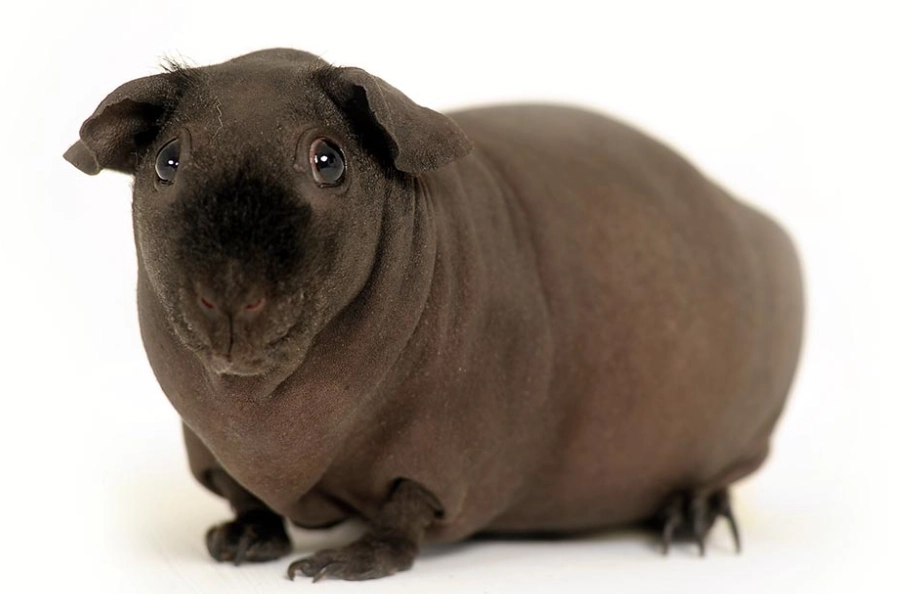
The foundation is unlimited, high-quality timothy hay (or orchard grass). This makes up about 80% of their diet and is essential for digestion and dental health. Because they burn calories to stay warm, they need a slightly higher portion of fortified guinea pig pellets than furry pigs—about 1/8 cup per day. But the real focus should be on fresh vegetables.
Here’s a sample daily veggie plate for one Skinny Pig:
| Vegetable | Amount | Key Benefit | Notes |
|---|---|---|---|
| Romaine Lettuce | 1 large leaf | Hydration, Vitamin A | A staple, not iceberg lettuce. |
| Bell Pepper (any color) | 1/8 of a pepper | Very high in Vitamin C | Essential daily. Remove seeds. |
| Cilantro or Parsley | A small handful | Antioxidants | Great for variety. |
| Zucchini or Cucumber | 1-2 thin slices | Hydration, low calorie | Good for water content. |
| Cherry Tomato | 1 tomato | Vitamins | Occasional treat. |
Vitamin C is non-negotiable. Guinea pigs can't synthesize it. A lack of it leads to scurvy—weakness, poor wound healing, joint pain. A daily slice of bell pepper is the easiest, most reliable source. I'm skeptical of vitamin drops in water; they degrade quickly and change the taste, potentially discouraging drinking.
Common Hairless Guinea Pig Health Issues
Their skin is their biggest vulnerability. You're not just a pet owner; you're a dermatologist.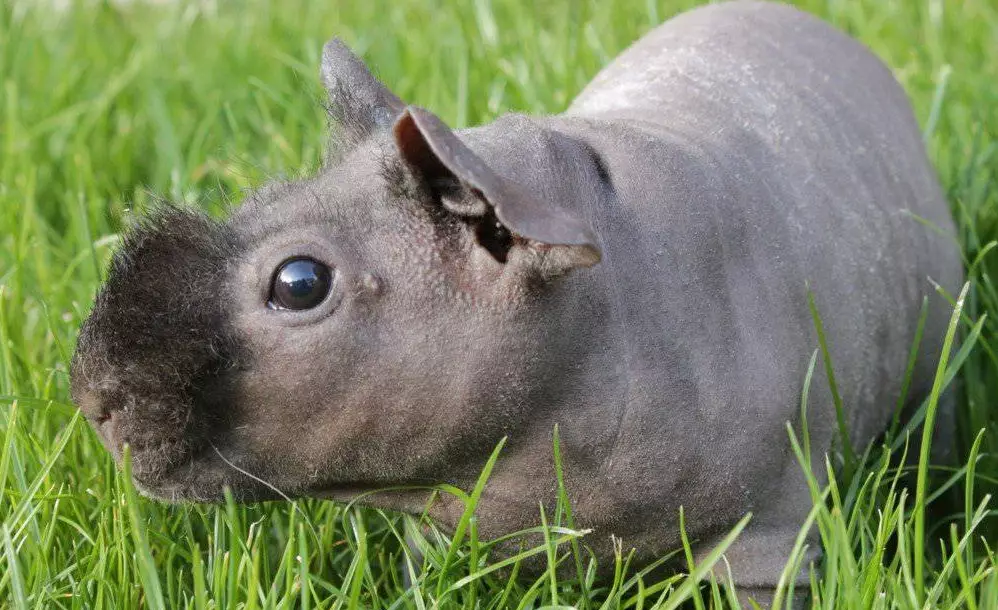
Skin Problems You Must Watch For
- Dry, Flaky Skin: Very common. It's not always mites. Low humidity or poor diet can cause it. A tiny drop of pure, cold-pressed coconut oil rubbed between your hands and then gently onto their skin once a week can work wonders.
- Fungal Infections (Ringworm): Looks like circular, crusty bald patches. It's contagious to humans and other pets. Requires vet-prescribed antifungal treatment. Isolate the pig immediately.
- Parasites (Mites): Cause intense itching and scabbing. Even indoor-only pigs can get them. Only a vet can properly diagnose and prescribe treatment (often Ivermectin). Never use over-the-counter dog/cat products.
- Sunburn & Injuries: Their skin burns easily. No direct sun. Also, they are more prone to scratches and abrasions from rough cage edges or sharp hay.
A subtle mistake I see: people over-bathing them. It strips natural oils. Bathe only if visibly dirty or with a vet-recommended medicated shampoo for a specific issue. Once every 2-3 months is plenty.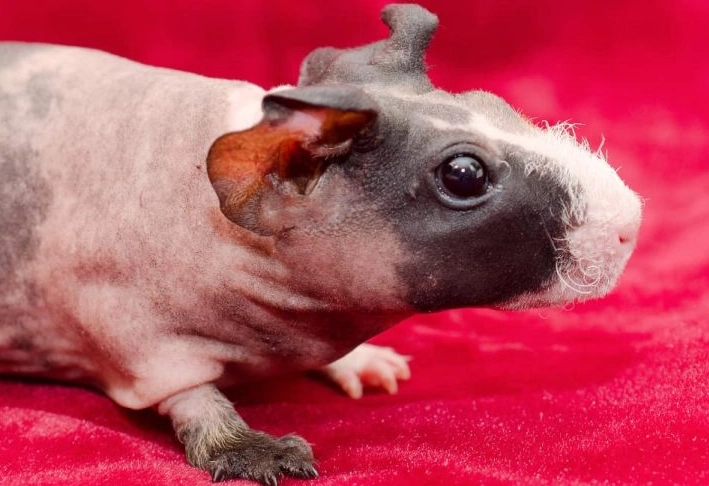
Other Health Concerns
They are prone to all typical guinea pig issues—respiratory infections, bladder stones, dental problems—but their lack of insulation means a simple chill can escalate quickly. A sneeze in a furry pig might be dust; in a Skinny Pig, it's a potential emergency. You must be vigilant.
The Daily & Weekly Care Routine
Consistency is key. Here's what my routine with Giblet looks like.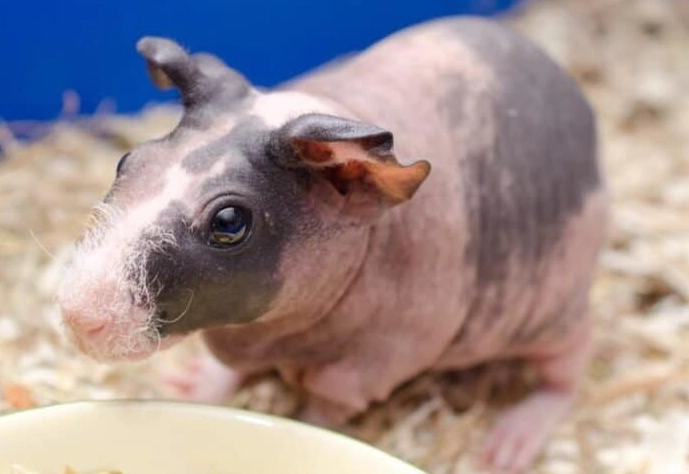
Daily: Fresh hay, pellets, and water. Morning veggie plate. Quick skin check during cuddle time (feel for bumps, scabs). Temperature check of the room.
Every 2-3 Days: Spot-clean soiled fleece areas. Change snuggle sacks if dirty.
Weekly: Full cage clean. Wash all fleece liners and blankets with unscented detergent. Wipe down cage base. Weigh your pig—weight loss is the first sign of many illnesses. A kitchen scale works perfectly.
Monthly: Nail trim. Thorough skin inspection under good light.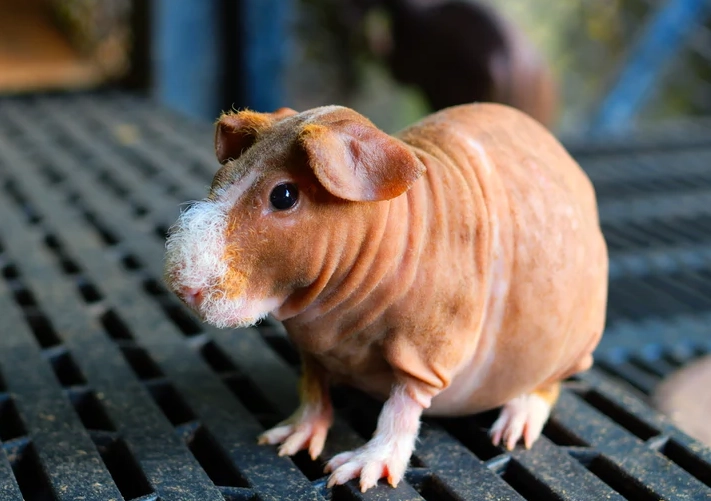
Your Questions, Answered (FAQ)
Are hairless guinea pigs hypoallergenic?
Can hairless guinea pigs live with furry ones?
How long do hairless guinea pigs live?
Do they need sunscreen or lotion?
My hairless guinea pig scratches constantly. Is it normal?
Related Articles