Cleverest Dog Breed Revealed: Intelligence Beyond the Border Collie
Ask anyone about the cleverest dog breed, and you'll likely hear "Border Collie" before they finish the question. It's the automatic answer, the top of every online list. But after years of training dogs and watching them in homes, I've realized that crown is a bit misleading. Calling one breed the "cleverest" is like calling a scalpel better than a Swiss Army knife. It depends entirely on the job. True canine intelligence isn't a single score; it's a spectrum of abilities—obedience, problem-solving, instinct, and social cunning. If you're looking for a smart companion, the real question isn't "which breed is smartest?" but "what kind of smart do you need?"
Your Quick Guide to Canine Smarts
- What Does "Cleverest Dog Breed" Actually Mean?
- The Contenders: A Breakdown of Smart Breeds by Intelligence Type
- The Hidden Genius: Why Adaptive Intelligence Matters Most
- How to Test Your Dog's Intelligence (It's Not What You Think)
- Living with a Canine Einstein: Training, Challenges, and Enrichment
- Your Clever Dog Questions, Answered
What Does "Cleverest Dog Breed" Actually Mean?
Most popular rankings, like the famous one from psychologist Stanley Coren in his book The Intelligence of Dogs, measure something specific: obedience and working intelligence. How quickly does a dog learn a new command and obey it reliably? It's a useful metric, especially for service or working dogs. But it's just one slice of the pie.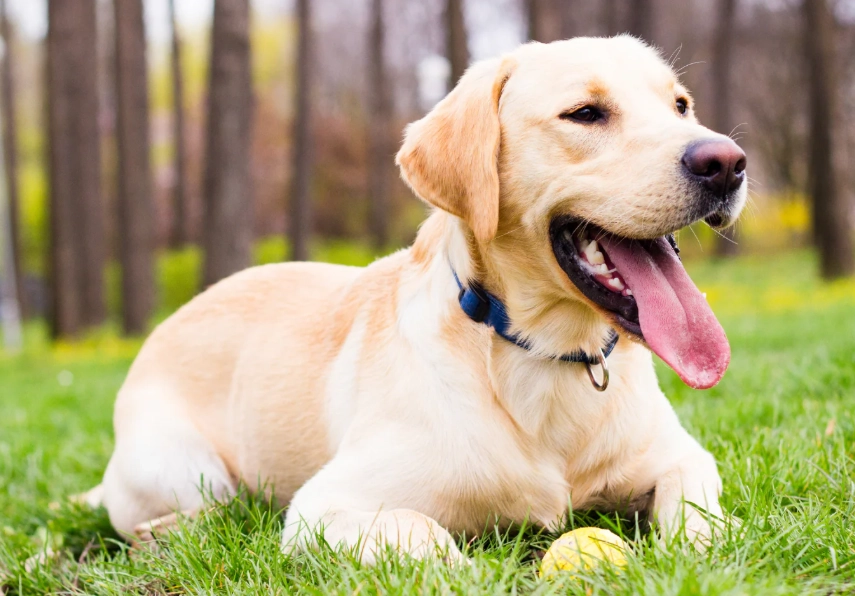
Canine cognition researchers break intelligence down further:
- Instinctive Intelligence: What the dog was bred to do. A retriever's soft mouth, a herder's stare, a terrier's drive to dig. This is hardwired brilliance.
- Adaptive Intelligence: How well a dog solves problems on its own, learns from its environment, and figures things out without being taught. This is the "street smarts" of the dog world.
- Social & Emotional Intelligence: Reading human cues, understanding emotions, and manipulating social situations (yes, your dog knows exactly how to get that treat from you).
A Border Collie aces obedience and adaptive tasks. But a Bloodhound, which might rank lower in obedience, has an instinctive and adaptive intelligence for scent that is nothing short of genius-level. Which one is "cleverer"? The context changes everything.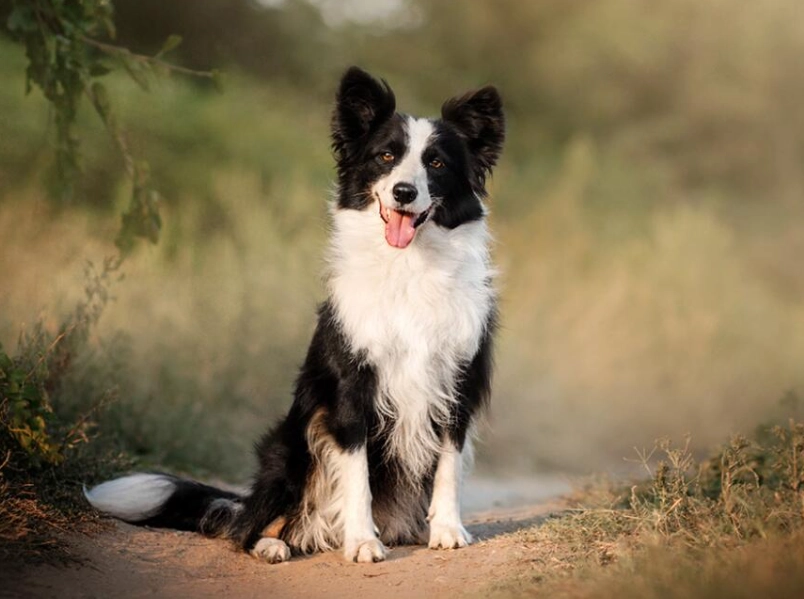
The Contenders: A Breakdown of Smart Breeds by Intelligence Type
Let's move beyond a simple top-10 list. Here’s how some of the usual suspects—and a few dark horses—stack up across different intelligence dimensions. This table is based on breed standards, historical function, and my own observations from training hundreds of dogs.
| Breed | Obedience/Working Intelligence | Adaptive/Problem-Solving | Instinctive Intelligence (Primary Trait) | The "Smart" Challenge for Owners |
|---|---|---|---|---|
| Border Collie | Exceptional. Learns commands in seconds, thrives on complex task sequences. | Extremely high. Notoriously good at figuring out puzzles, latches, and routines. | Herding (eye, stalk, control). Can be obsessive. | Can become neurotic without a job; may outthink novice owners. |
| Poodle (All Sizes) | Brilliant. Often tied with Border Collies for speed of learning. | Very high. Excellent at puzzle toys and observational learning. | Retrieving (originally water retrievers). Highly observant. | Can be sensitive and may use intelligence to avoid tasks they find boring. |
| German Shepherd | Superb. Bred for versatility in obedience and complex work. | High. Good problem-solvers, especially in protective contexts. | Herding/Protection. Strong drive to have a purpose. | Needs clear leadership; a smart GSD without guidance can become anxious or dominant. |
| Papillon | Remarkably high for a toy breed. Agile and eager to learn tricks. | Surprisingly crafty. Often figure out how to get onto counters or open cupboards. | Companionship (with a lively, alert nature). | Small dog syndrome is often just unchecked intelligence turning into bossiness. |
| Shetland Sheepdog | Excellent. Eager to please and quick to learn commands. | Moderate to High. More biddable than independently innovative. | Herding. Vocal and attentive to their "flock" (family). | Can be vocal and reactive if their intelligence is channeled into barking at stimuli. |
| Bloodhound | Low to Moderate (by traditional standards). Notoriously single-minded and independent. | Phenomenal in its domain. The ultimate adaptive problem-solver when on a scent. | Scent Tracking. Will follow a trail for miles, ignoring all commands. | Ownership is about managing an unstoppable instinct, not commanding obedience. |
| Jack Russell Terrier | Moderate. Can learn quickly but are often distracted by their own agenda. | Extremely high. Escape artists, master manipulators to get what they want. | Vermin Hunting. Prey drive and tenacity override everything. | Their intelligence is often used to outwit you. Requires immense patience and consistency. |
See the pattern? The breeds we call "stubborn" (like Bloodhounds, many terriers, Afghan Hounds) often have sky-high adaptive or instinctive intelligence. They're not dumb; they're just prioritizing their own goals over yours. That's a different kind of clever.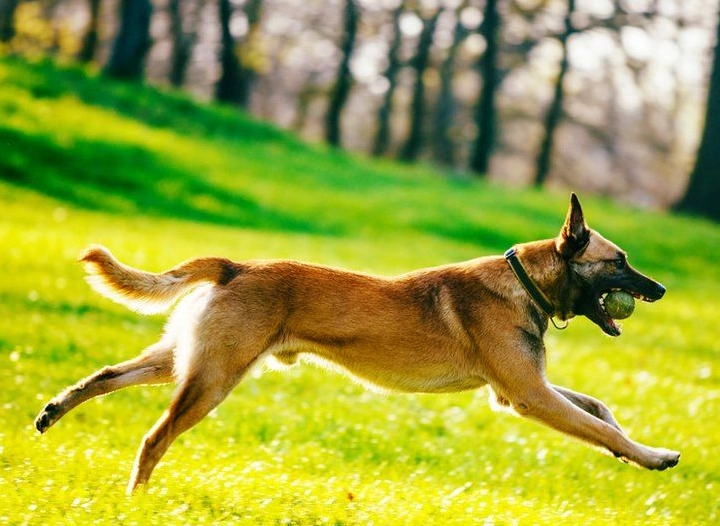
A Non-Consensus Viewpoint: The biggest mistake I see is people equating a dog's eagerness to please with its intelligence. A Labrador Retriever is highly biddable and learns quickly, which makes it seem brilliantly obedient. A Basenji is independent and less interested in following commands, which makes it seem less intelligent. But watch them both solve a novel puzzle to get food, and you might see the Basenji's ancient, cunning problem-solving shine through. Obedience is a temperament trait as much as a cognitive one.
The Hidden Genius: Why Adaptive Intelligence Matters Most
For life as a family pet, adaptive intelligence is the game-changer. This is the dog that learns to nudge the lever on the trash can, brings you their leash when they want a walk, or figures out that sitting by the cookie jar gets grandma's attention.
I remember a client's mixed-breed dog, a rescue with no obvious "smart breed" lineage. They couldn't figure out how he kept escaping his crate. One day, they set up a camera. The dog didn't brute-force the latch. He spent minutes carefully nudging a chew toy through the bars so it lodged under the latch handle, then pulled it back, using the toy as a tool to flip the handle up. That's adaptive intelligence in action—tool use, cause-and-effect understanding, persistence.
Breeds and individuals high in this often share traits:
- Observational Learning: They watch you intently. They learn how to open doors by seeing you turn the knob.
- Manipulation: They learn which family member is the soft touch for table scraps and target them specifically.
- Boredom-Induced Creativity: This is the double-edged sword. A bored, adaptively intelligent dog will invent their own fun, which usually means destructive behavior.
Nurturing This Kind of Smart
You don't train adaptive intelligence with repetitive sit-stay drills. You cultivate it with:
- Puzzle Toys & Food Dispensers: Start easy, then increase difficulty. Let them fail and figure it out.
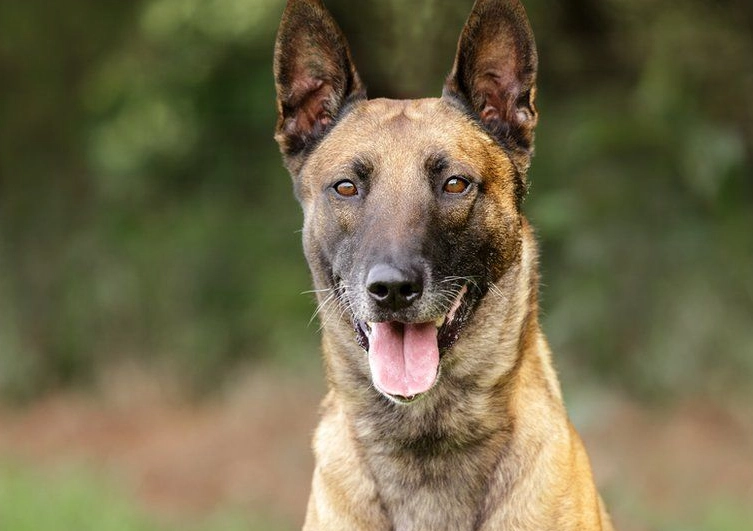
- Shaping Games: Use a clicker to reward any small step toward a desired behavior. You're not teaching a trick; you're teaching them to experiment.
- Novel Experiences: New walking routes, different surfaces, safe new objects to investigate. Novelty forces problem-solving.
How to Test Your Dog's Intelligence (It's Not What You Think)
Forget complex tests. Try these three simple, tell-tale challenges at home. They reveal more about your dog's innate smarts than any trick repertoire.
The Towel Test: Place a favorite treat or toy in front of your dog, then gently cover it completely with a light towel or small blanket. Start the timer. How does your dog get it?
- Fast Problem-Solver (Under 15 seconds): Immediately uses paws or nose to dig, lift, or swipe the towel away directly.
- Methodical Thinker (15-60 seconds): Sniffs, circles, then tries a couple of different approaches before succeeding.
- Look to You for Help: Stares at you or the towel and whines/barks. This shows high social intelligence—they've learned you are the solution to problems.
- Gives Up: May lack confidence or strong motivation, not necessarily low intelligence.
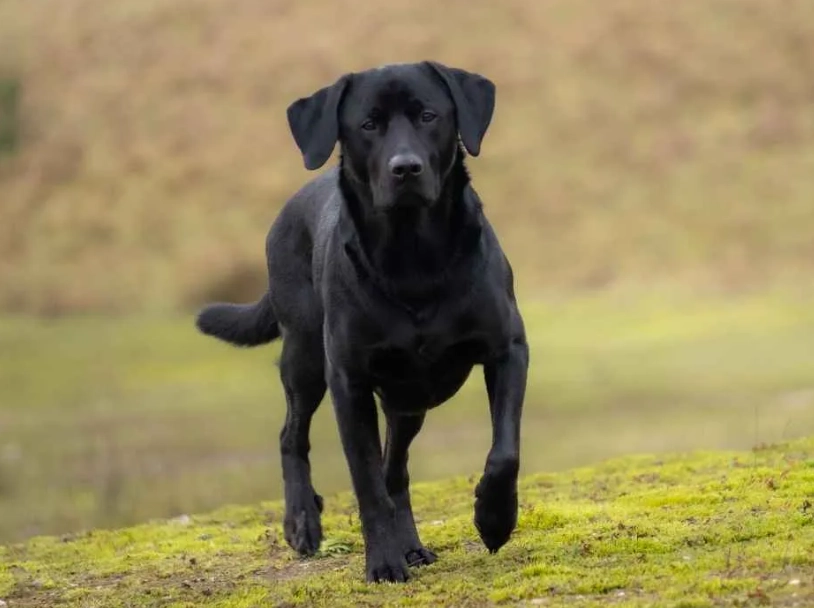
The Multiple-Cup Game: Show your dog a treat, place it under one of three identical opaque cups, shuffle them slowly, then let them choose. A dog that uses its nose is using instinct. A dog that watches your hands intently and follows the correct cup is demonstrating incredible visual tracking and memory—a key part of working intelligence.
The "Impossible" Puzzle: Take a puzzle toy they've mastered and modify it slightly—tape a lid shut, turn it upside down. Do they try the old method repeatedly and get frustrated, or do they quickly switch tactics? The ability to abandon a failed strategy and innovate is peak adaptive intelligence.
Living with a Canine Einstein: Training, Challenges, and Enrichment
Owning a highly intelligent dog is not for the faint of heart. It's a full-time mental engagement partnership. Here’s the reality check many lists don't give you.
Training Philosophy Shift: With a smart dog, you're not just preventing bad behavior; you're managing a busy mind. Your goal is to become more interesting than squirrels, garbage, and digging. This means training sessions should be short, varied, and rewarding. If you drill the same command ten times, a Border Collie will get bored by repetition three, and a Poodle might just walk away.
The Destructive Boredom Cycle: This is the #1 owner complaint. The dog knows dozens of tricks but chews the couch. Why? Physical exercise alone isn't enough. They need mental exhaustion. A 30-minute sniffari walk where they process a world of scents is more tiring for their brain than a 60-minute jog.
Job Creation is Non-Negotiable: Give them a purpose. It doesn't have to be herding sheep. It can be:
- Nosework: Hide treats or a specific scent (like birch oil) around the house for them to find. This taps directly into instinctive intelligence.
- Advanced Obedience/Rally: The precision and sequence of commands provide a mental challenge.
- Interactive Toys on Rotation: Never leave all toys out. Cycle 2-3 different puzzle toys each week to maintain novelty.
- "Chores": Teach them to put their toys in a basket, bring you the newspaper, find your keys.
The moment you slack off, their brain will find its own job, and you probably won't like it.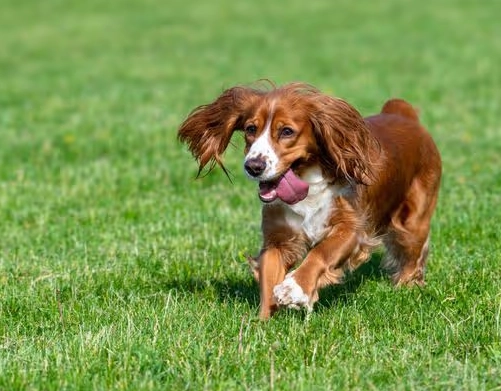
Your Clever Dog Questions, Answered
My Border Collie is too smart and gets bored easily. What can I do besides constant training?
Are mixed-breed dogs as intelligent as purebreds on the "cleverest" lists?
I want a smart dog for apartment living. Which breeds are clever but lower energy?
My dog seems to ignore commands he knows perfectly well. Is he not as smart as I thought?
So, is there a single cleverest dog breed? In a narrow, obedience-focused sense, the Border Collie retains its title. But in the richer, messier, more fascinating reality of living with a dog, intelligence is a multi-faceted gem. The cleverest dog for you is the one whose particular blend of smarts—obedient, adaptive, instinctive, social—meshes with your life and challenges you to be a more engaged, thoughtful partner. Don't just seek the smartest breed. Seek the breed whose kind of smart speaks to you, and then commit to nurturing that brilliant mind every single day. That's the secret to an truly intelligent partnership.
Related Articles