What Is Parvo? Symptoms, Treatment, and How to Protect Your Dog
Let's cut to the chase. If you're searching "what is parvo," you're probably worried. Maybe your new puppy isn't acting right, or you've heard a horror story from a neighbor. That gut feeling is often right. Canine parvovirus, or "parvo," isn't just a bad stomach bug. It's a ruthless, highly contagious virus that attacks a dog's intestines and immune system, and it can kill a healthy puppy in under 72 hours if left untreated.
I've spent over a decade in veterinary clinics, and the panicked calls about parvo never get easier. The worst part? It's almost entirely preventable. Yet, every year, it devastates families. This guide isn't a textbook definition. It's a practical, no-nonsense walkthrough of what parvo really is, what it does, and—most importantly—how you can stop it.
What You'll Find in This Guide
- What Parvo Actually Does to Your Dog's Body
- Spotting Parvo Symptoms: Beyond Just Diarrhea
- How Dogs Catch Parvo (It's Not Just From Sick Dogs)
- Parvo Survival and Treatment: What Really Happens at the Vet
- The Ultimate Parvo Prevention Guide
- Cleaning and Disinfecting: The Step Most People Get Wrong
- Your Top Parvo Questions Answered
What Parvo Actually Does to Your Dog's Body
Think of parvo as a microscopic wrecking ball. It has a specific target: rapidly dividing cells. In a puppy or an unvaccinated dog, the fastest-dividing cells are in three places—the bone marrow (where immune cells are made), the intestinal lining, and in very young pups, the heart muscle.
First, it hits the bone marrow. This knocks out the white blood cell production, crippling the dog's ability to fight any infection. Then, it moves to the intestines. The virus shreds the delicate lining that absorbs nutrients and forms a barrier against gut bacteria. This is why the classic symptoms appear: severe, bloody diarrhea and vomiting. The body can't absorb water or nutrients, and bacteria from the gut start leaking into the bloodstream.
The damage isn't from the virus itself eating tissue. It's from the catastrophic secondary effects: extreme dehydration, electrolyte imbalances, septic shock from bacterial invasion, and often, hypoglycemia (dangerously low blood sugar). The dog's system essentially collapses from the inside out.
Spotting Parvo Symptoms: Beyond Just Diarrhea
Everyone knows about the diarrhea. But waiting for that is waiting too long. The sequence matters. In the first 24-48 hours, the signs are subtle and easy to miss.
The dog becomes lethargic. Not just sleepy, but profoundly tired, disinterested in food or play. You might see a fever. Then comes the vomiting, often yellow or frothy bile. This is your first major red flag. The profuse, foul-smelling, often bloody diarrhea typically follows 12-24 hours after the vomiting starts.
By the time you see the bloody stool, your puppy is already in a critical state of dehydration. Their gums will be dry and tacky, their skin will "tent" if you pinch it (losing elasticity), and they may feel cool to the touch due to poor circulation.
The Pro Tip Most Miss: If your unvaccinated or partially vaccinated puppy skips even one meal and seems "off," take their temperature. A normal dog temperature is 101-102.5°F (38.3-39.2°C). Anything over 103°F (39.4°C) in this context is an emergency signal. Don't wait for the diarrhea.
How Dogs Catch Parvo (It's Not Just From Sick Dogs)
This is where people underestimate the threat. You think, "My pup hasn't been near a sick dog." Unfortunately, that's irrelevant. The virus is shed in enormous quantities in the feces of infected dogs for up to two weeks. It's incredibly stable in the environment, surviving for months to years in soil, on grass, on sidewalks, and on objects.
Your dog gets parvo by ingesting the virus. This can happen from:
- Sniffing or licking the ground where an infected dog defecated months ago.
- Walking on a contaminated sidewalk and then licking their paws.
- Playing with a toy or drinking from a bowl that a carrier dog used.
- You stepping in contaminated soil and bringing it home on your shoes.
This is why dog parks, pet stores, and even vet clinic waiting rooms are high-risk zones for unvaccinated puppies. The virus is invisible and everywhere.
Parvo Survival and Treatment: What Really Happens at the Vet
There is no drug that kills the parvovirus. Treatment is entirely supportive care—keeping the dog alive and comfortable while its immune system, with help, fights off the virus. This is a brutal, expensive, and emotionally draining process.
Hospitalization is almost always mandatory. Here’s what the typical 5-7 day ICU stay involves:
| Treatment Component | What It Does | Why It's Critical |
|---|---|---|
| Intravenous (IV) Fluids | Rehydrates and corrects electrolyte imbalances (sodium, potassium, chloride). | Combats life-threatening dehydration and shock from fluid loss via vomiting/diarrhea. |
| Anti-Nausea Medication | Stops vomiting (e.g., Maropitant/Cerenia). | Allows other medications and nutrients to be absorbed; prevents further fluid/energy loss. |
| Broad-Spectrum Antibiotics | Fights secondary bacterial infections. | The damaged gut leaks bacteria into the blood; a weakened immune system can't fight them. |
| Pain Management | Controls severe abdominal pain and cramping. | The intestinal inflammation is excruciating. Pain relief is essential for welfare and recovery. |
| Nutritional Support | Provides calories via IV or later, a feeding tube. | The dog can't eat, but needs energy to fight the virus and repair tissues. |
| Antiviral Serum (in some cases) | Provides pre-made antibodies against parvo. | Can give the immune system a temporary boost, but is costly and not a cure. |
The cost? It routinely ranges from $1,500 to $5,000+, depending on location and severity. Survival rates with aggressive inpatient treatment are good (80-90%), but without it, the mortality rate can exceed 90%. The emotional and financial toll is immense.
The Ultimate Parvo Prevention Guide
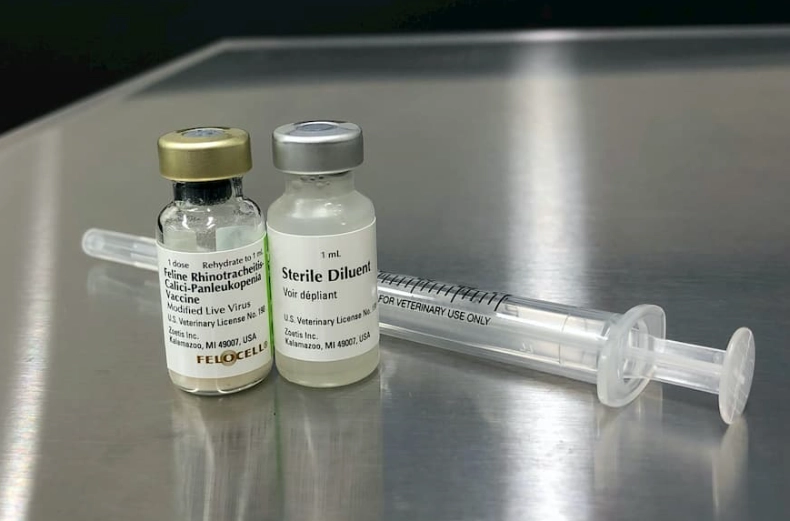
Prevention is simple, effective, and infinitely cheaper than treatment. It boils down to one thing: vaccination. The DHPP or DA2PP vaccine (which covers distemper, hepatitis, parainfluenza, and parvovirus) is a core vaccine for all dogs.
The problem isn't the vaccine's effectiveness—it's excellent. The problem is the vaccination schedule gap. Puppies get antibodies from their mother's milk (maternal antibodies) that protect them initially but also neutralize vaccines. These maternal antibodies fade at different rates for each puppy, leaving a window of vulnerability.
The Critical Puppy Vaccine Schedule
This isn't a suggestion; it's a protocol. The American Animal Hospital Association (AAHA) and the World Small Animal Veterinary Association (WSAVA) recommend a series of shots to close that vulnerability window.
- First Dose: 6-8 weeks old.
- Booster Doses: Every 3-4 weeks until the puppy is at least 16 weeks old.
- Final Booster: At 1 year of age, then every 3 years thereafter.
The 16-week mark is non-negotiable. Giving the last shot at 12 weeks and calling it done is a common and dangerous mistake. Until that final puppy shot, your pup is not fully protected.
Socialization vs. Safety: The Parvo Paradox
You're told to socialize your puppy before 16 weeks, but also to keep them away from risky places. What do you do? Socialize safely. Carry your puppy in public. Have playdates in your home with fully vaccinated, healthy adult dogs you know. Use puppy kindergarten classes that require proof of vaccination for entry and clean their facilities meticulously. Avoid public parks, pet store floors, and high-traffic neighborhood sidewalks.
Cleaning and Disinfecting: The Step Most People Get Wrong
If you've had a parvo case in your home or yard, standard cleaners won't cut it. The virus is resistant to most common disinfectants. You need a bleach solution or a cleaner specifically labeled as parvocidal.
The effective bleach dilution is 1 part household bleach (5-6% sodium hypochlorite) to 32 parts water. That's about ½ cup of bleach per gallon of water. But here's the catch everyone misses: Organic matter (like feces, dirt, vomit) completely inactivates bleach. You must physically remove all visible waste first, then clean with soap and water, then apply the bleach solution and let it soak for at least 10 minutes of contact time.
This goes for everything: hard floors, crates, bowls, toys, leashes, and even your hands and clothing. For yards, it's nearly impossible to fully disinfect soil. The general recommendation is to keep unvaccinated dogs off the contaminated area for at least a year, or to heavily dilute the area by repeated watering and sunlight exposure.
Your Top Parvo Questions Answered
Understanding what parvo is gives you power. It's not a mysterious plague; it's a predictable virus with a clear prevention strategy. The formula is straightforward: complete the full puppy vaccine series on time, limit your unvaccinated pup's exposure to risky environments, and know the early signs. That knowledge, more than anything else, is what stands between your dog and this devastating disease.
Related Articles