Can Fleas Live on Humans? The Surprising Truth About Infestation
Let's cut to the chase. You're probably here because you've found mysterious, itchy bites on your ankles or legs, and you're worried. The short answer to "can fleas live on humans?" is this: Most fleas that bother humans don't want to live on us, but they will absolutely feed on us and can cause a major infestation in your home. It's a crucial distinction that most articles gloss over. The common cat flea (Ctenocephalides felis), which is responsible for over 90% of flea problems in homes, prefers furry hosts. Humans are more of a convenient snack bar when the primary host—your cat or dog—isn't around.
But here's where people get it wrong. They treat their pet, see the bites stop for a week, and then they start again. They think, "Maybe these fleas are living on me?" Not exactly. The real battle is happening in your carpets, sofa, and pet bedding. I've seen this confusion derail treatment plans more times than I can count.
What You'll Learn in This Guide
- The Flea Reality Check: Species That Target Humans
- Why Fleas Don't "Settle Down" on You (And What They Do Instead)
- How to Spot Human Flea Bites and Signs of an Infestation
- The 3-Pronged Attack: Getting Rid of Fleas on You, Your Pet, and Your Home
- Long-Term Prevention Strategies That Actually Work
- Your Top Flea Questions, Answered by Experience
The Flea Reality Check: Species That Target Humans
Not all fleas are the same. When we talk about fleas on humans, we're usually dealing with one of three culprits. Understanding which one you're up against changes the game.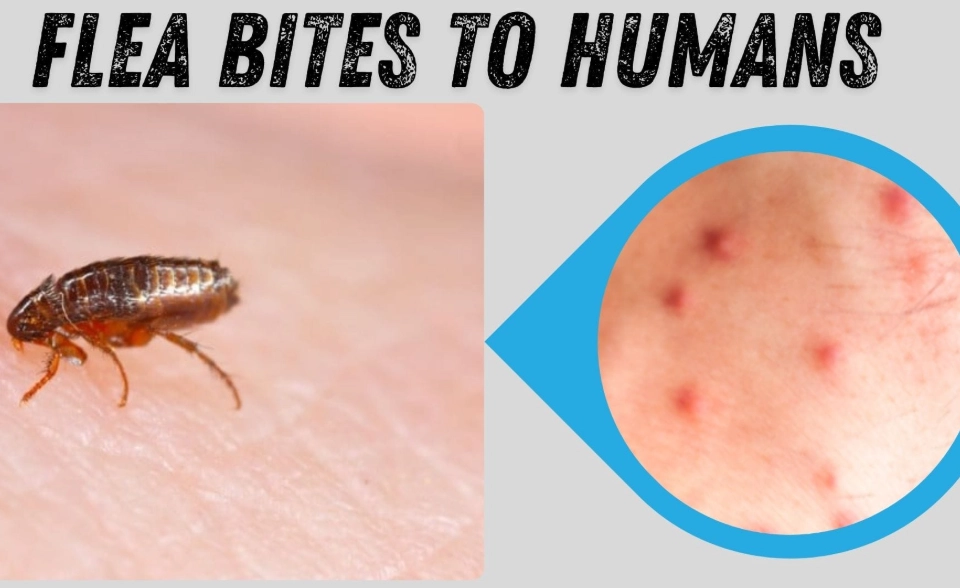
| Flea Species | Primary Host | Likelihood to Live on Humans | Key Identifying Trait |
|---|---|---|---|
| Cat Flea (Ctenocephalides felis) | Cats, Dogs, Other Mammals | Low. Will bite humans readily but cannot complete its life cycle on human blood alone. This is the #1 offender in homes. | Most common worldwide. Responsible for the vast majority of "human" flea problems. |
| Dog Flea (Ctenocephalides canis) | Dogs, Foxes | Very Low. Similar to cat flea. Prefers canine hosts but will bite humans opportunistically. | Less common than cat flea. Morphologically very similar, often misidentified. |
| Human Flea (Pulex irritans) | Humans, Pigs, Wild Animals | High. This species is adapted to live and reproduce on human hosts. It's the classic "true" human flea. | Now relatively rare in developed countries, more common in areas with close human/animal contact. |
Here's the kicker. Unless you work with livestock or wildlife, you're almost certainly dealing with cat fleas from a pet or stray animal. The "human flea" is a bit of a misnomer in modern contexts. We created the perfect environment for cat fleas to thrive in our homes, and they've taken full advantage.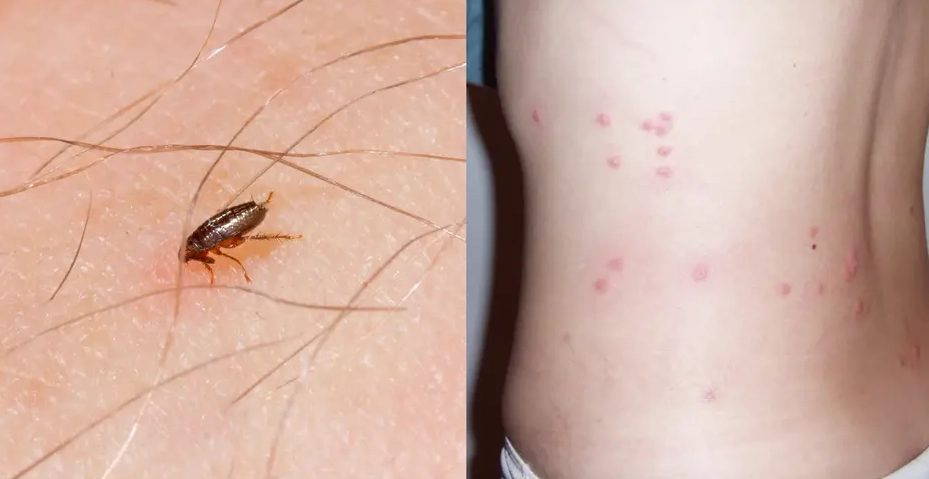
Why Fleas Don't "Settle Down" on You (And What They Do Instead)
Fleas have a life cycle that makes them environmental pests, not permanent bodily residents. An adult female flea needs a blood meal to lay eggs. But she doesn't lay them on the host. She lays them in the environment—your carpet, your bed, the cracks in your floorboards. A single flea can lay 40-50 eggs per day.
Those eggs hatch into larvae that feed on organic debris and, crucially, the feces of adult fleas (dried blood). They then spin cocoons and pupate. This pupal stage can lie dormant for months, waiting for the vibration, heat, and carbon dioxide of a passing host. This is why you can come back to a vacant apartment and be swarmed within minutes.
So, while an adult flea might hop onto you for a meal, it will typically jump off afterward to continue its life cycle in your environment. They find our lack of fur inconvenient for long-term habitation. Their bodies are built to navigate dense fur, not smooth skin.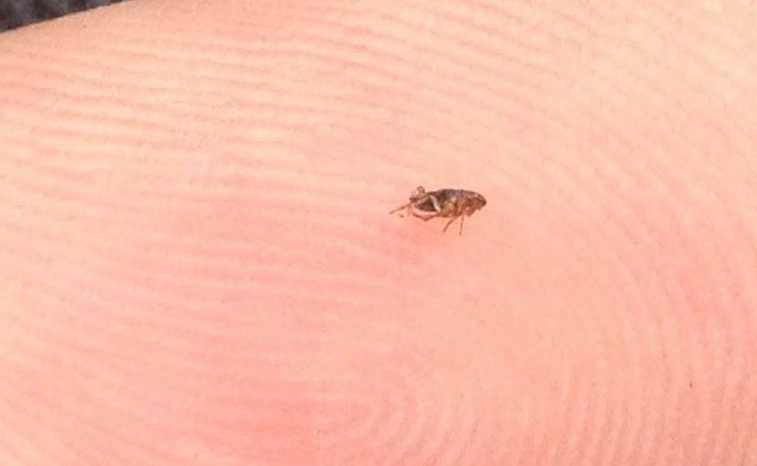
How to Spot Human Flea Bites and Signs of an Infestation
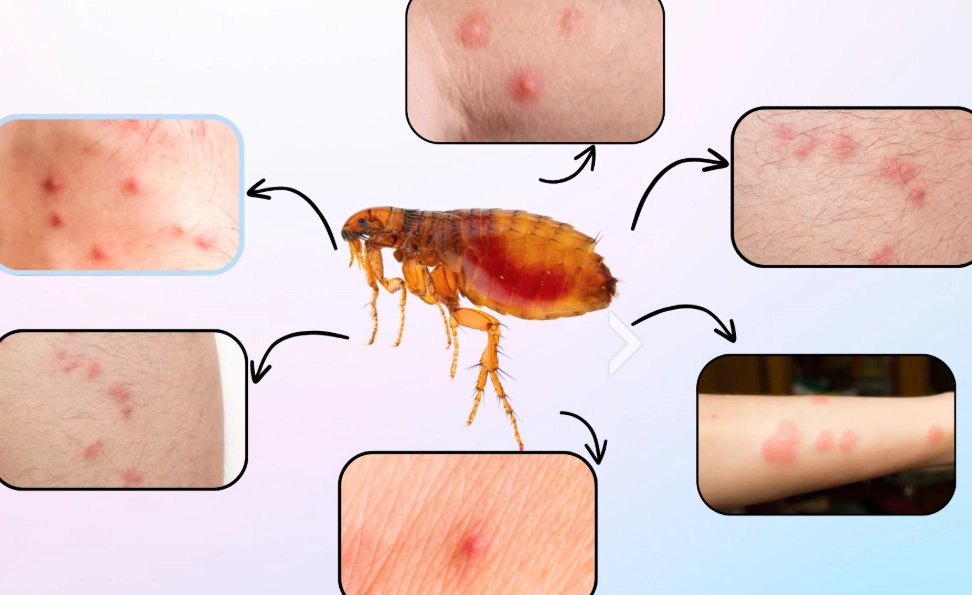
Flea bites on humans have a signature pattern. They often appear as small, red, raised bumps, frequently in clusters or lines of two or three. The most common sites are the feet, ankles, and lower legs—areas easiest for a flea jumping from the floor to reach. They are intensely itchy, and scratching can lead to infection.
But bites are just one sign. To confirm an infestation, you need to become a detective.
Conducting a "Sock Test" and Other Checks
Put on a pair of tall, white socks and walk slowly around carpeted areas, near pet bedding, and furniture. Fleas are attracted to the movement and heat. After a few minutes, check the socks. You might see tiny, fast-moving dark specks. Those are likely fleas.
Check your pet. Use a fine-toothed flea comb over a white surface. You're looking for live fleas or "flea dirt"—small black specks that turn reddish-brown when wet (because it's digested blood).
Look for signs in your home. Tiny white eggs (like salt grains) or worm-like larvae in carpet piles, under furniture, or in pet bedding are dead giveaways.
The 3-Pronged Attack: Getting Rid of Fleas on You, Your Pet, and Your Home
Effective flea control is a simultaneous, multi-target operation. Skipping one area guarantees failure.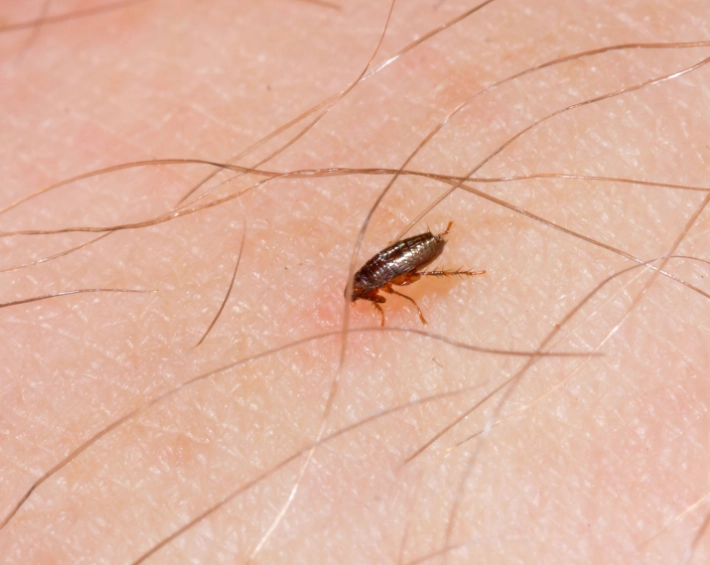
1. Treatment for Humans and Immediate Relief
First, soothe the bites. Wash the area with antiseptic soap to prevent infection. Apply calamine lotion, hydrocortisone cream, or take an oral antihistamine (like cetirizine) to control itching. A cool compress can also help.
To kill any fleas currently on you, take a shower and wash your hair with regular shampoo. Wash all clothing, bedding, and towels that may have been exposed in hot water (at least 50°C/122°F) and dry on the highest heat setting. This kills all life stages.
2. Treatment for Your Pet (The Primary Host)
This is non-negotiable. Consult your veterinarian for the most effective, species-appropriate product. Options include:
- Prescription oral medications: Often the most effective, they work systemically, killing fleas when they bite.
- Topical "spot-on" treatments: Applied to the skin between the shoulder blades.
- Flea collars (newer models): Some modern collars like those containing flumethrin/imidacloprid are very effective.
Warning: Never use dog flea products on cats, as some ingredients (like permethrin) are highly toxic to felines.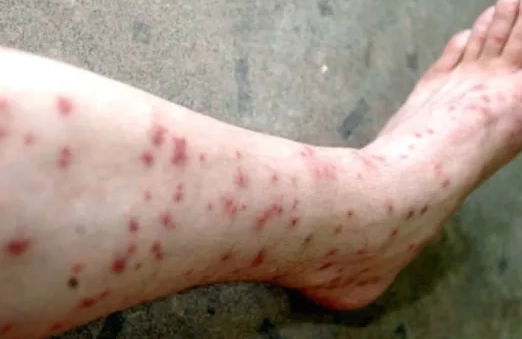
3. Treatment for Your Home Environment (The Most Critical Step)
This is where the war is won or lost.
- Vacuum Thoroughly and Immediately: Vacuum all carpets, rugs, furniture, cushions, and floors. Pay special attention to baseboards, under furniture, and pet areas. The vacuum's agitation helps stimulate pupae to hatch. Seal and throw away the vacuum bag or empty the canister outside immediately after.
- Wash All Washables: As mentioned, use hot water for pet bedding, human bedding, and soft furnishings.
- Apply an Environmental Insecticide: Use an insect growth regulator (IGR) like methoprene or pyriproxyfen. These chemicals mimic insect hormones, preventing eggs and larvae from developing. They are the secret weapon. You can often find sprays that combine an IGR with an adulticide. Follow label instructions meticulously. The Environmental Protection Agency (EPA) registers all such products, and you can find safety information on their website.
- Consider Professional Pest Control: For severe infestations, professionals have access to more potent IGRs and insecticides and know exactly where to apply them.
Long-Term Prevention Strategies That Actually Work
Once you've cleared an infestation, keeping fleas out is easier than fighting them.
- Maintain Pet Prevention Year-Round: Don't stop flea treatment in the winter. Indoor heating creates a perfect flea climate year-round.
- Regular Vacuuming: Make it a weekly habit, especially in pet areas.
- Groom Pets Regularly: Use a flea comb during grooming sessions as an early detection tool.
- Landscape Management: Keep your yard tidy. Mow the lawn, remove debris, and discourage wild animals like rodents or stray cats that can bring fleas into your yard.
Your Top Flea Questions, Answered by Experience
So, can fleas live on humans? The complete answer is nuanced. They aren't looking to set up a permanent home on your body like lice do. But they are absolutely equipped to use you as a food source and, more importantly, to turn your home into their breeding ground. The problem isn't on you; it's around you. Success comes from understanding their life cycle and attacking every stage—pet, home, and adult—with relentless, informed precision.
Related Articles