Can Cats Eat Grapes? The Clear Answer & What Every Owner Must Know
Let's cut straight to the point. No, cats should never eat grapes or raisins. Not a single one. Not even a tiny piece of the skin or a lick of the juice. This isn't a mild dietary suggestion; it's a critical safety rule. Grapes and raisins are highly toxic to cats, and the exact substance that causes kidney failure remains unidentified by veterinary science. The uncertainty is what makes it so dangerous. You can't know if your cat is the one that will be severely affected by just one grape.
I've been a veterinary technician for over a decade, and the grape toxicity cases that come in are some of the most frustrating. Often, the owner had no idea. They thought a small treat was harmless. That misconception can have devastating consequences. This guide will walk you through exactly why grapes are dangerous, what to do in an emergency, and how to prevent exposure completely.
What You’ll Learn in This Guide
Why Are Grapes So Dangerous for Cats?
The scary part is that researchers and toxicologists at organizations like the ASPCA Animal Poison Control Center still don't know the exact toxic compound in grapes and raisins. It's not about pesticides or mold (though those can also be harmful). It's something inherent to the fruit itself.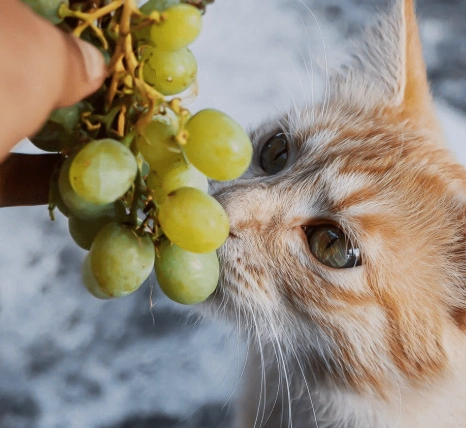
What we do know is that ingestion can lead to rapid kidney failure. The kidneys start to shut down, unable to filter toxins from the blood. This can happen within 12 to 24 hours. The toxicity is unpredictable. One cat might eat several grapes and be fine (though you should never test this), while another cat suffers acute kidney injury from a single raisin. There's no established "toxic dose" based on weight like there is for some other poisons, which removes any safe margin for error.
Symptoms of Grape Poisoning in Cats
Symptoms usually appear within the first 12 hours after ingestion. Early signs are often gastrointestinal because the cat's body is trying to reject the toxin. The progression to kidney failure signs can be swift. Here’s a breakdown of what to watch for, from early to late stage.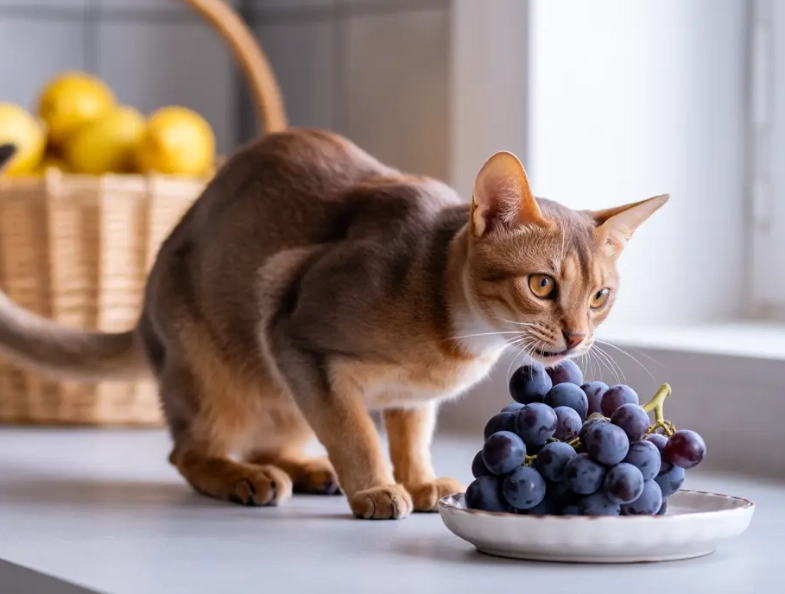
| Stage | Common Symptoms | What's Happening Internally |
|---|---|---|
| Early (6-12 hours) | Vomiting (may contain pieces of grape/raisin), Diarrhea, Lethargy or weakness, Loss of appetite, Abdominal pain (your cat may seem hunched or not want to be touched) | Initial irritation and systemic reaction to the toxin. The body is attempting to expel it. |
| Progressive (12-24 hours+) | Decreased urination or no urination, Excessive thirst or drinking, Bad breath that smells chemically (uremic breath), Mouth ulcers, Tremors or seizures | Kidney function is declining rapidly. Toxins like urea are building up in the bloodstream (azotemia). |
| Critical (24-72 hours) | Complete anorexia, Severe dehydration, Collapse, Coma | Kidney failure is established. Without aggressive treatment, this stage is often fatal. |
Let me give you a scenario. Imagine a cat named Whiskers. He's curious and jumps on the counter while you're packing lunch. He bats one grape off the table and eats it. You see it happen. Six hours later, he vomits once. You think, "Maybe he ate too fast." But by hour 18, he's hiding, hasn't touched his food, and hasn't used the litter box. That's the insidious progression. The initial vomit isn't a sign that he's "cleared" the grape; it's the first alarm bell for potential kidney damage.
What Should You Do If Your Cat Ate a Grape?
Time is kidney function. Do not wait for symptoms. Follow these steps immediately.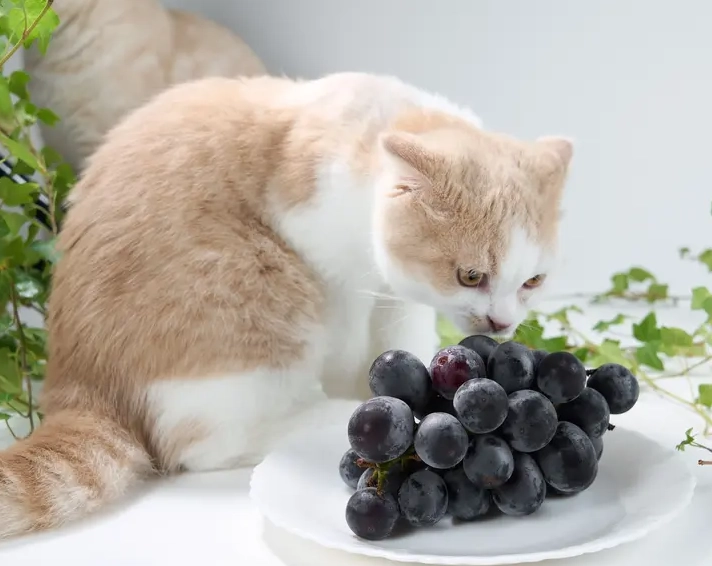
Step 1: Don't Panic, But Act Quickly
First, secure your cat and remove any remaining grapes or raisins from their reach. Try to determine approximately how many they ate and when. Even if you only suspect they ate one, proceed to the next step.
Step 2: Call for Professional Guidance Immediately
This is non-negotiable. You have two primary options:
- Call Your Veterinarian: If it's during clinic hours, call them directly. Tell them exactly what happened: "My cat ate [number] grape(s)/raisin(s) about [time] ago."
- Call a Pet Poison Helpline: If your vet is closed, call a 24/7 animal poison control center. In the US, the ASPCA Animal Poison Control Center (888-426-4435) or the Pet Poison Helpline (855-764-7661) are critical resources. There is usually a consultation fee, but it gives you direct access to veterinary toxicologists who can guide you and create a case file to share with your vet.
Step 3: Follow the Recommended Action
Do not induce vomiting unless specifically instructed to do so by the veterinarian or poison control expert. They will decide based on the timing and your cat's specific situation. Their instruction will likely be to bring your cat in for decontamination and treatment immediately.
What Will the Vet Do? Understanding the Treatment
If you get to the vet quickly (ideally within 2 hours of ingestion), the goal is decontamination. This might involve safely inducing vomiting or administering activated charcoal to bind any remaining toxin in the gut.
The cornerstone of treatment for grape toxicity is aggressive intravenous (IV) fluid therapy for at least 48 hours. This isn't just for hydration. The fluids are given at a high rate to help "flush" the kidneys, promoting blood flow and urine production to help prevent the toxin from causing damage. Your cat will likely be hospitalized.
The vet will run blood tests (checking blood urea nitrogen and creatinine levels) at baseline and again 48 and 72 hours later to monitor kidney function. Even if the first test looks normal, kidney values can spike later, so this monitoring is essential.
Common Mistakes and Misconceptions Owners Have
After talking to hundreds of owners, I see the same misunderstandings crop up.
Mistake 1: "It was just one grape/raisin. It can't be that bad." This is the most dangerous thought. Since the toxic dose is unknown and variable, one is enough to be a lethal dose for some cats. Never gamble with this.
Mistake 2: "My cat ate a grape before and was fine." Past survival does not predict future safety. The toxic compound might not have been evenly distributed in that particular grape, or your cat's kidneys may have been more resilient that time. Age and underlying health change a cat's ability to cope.
Mistake 3: Focusing only on the fruit. Remember the products. A cat licking grape jelly off a knife or chewing on a raisin bagel is at just as much risk. Trail mix is a huge hidden danger.
Mistake 4: Waiting to see if symptoms develop. By the time symptoms like decreased urination appear, significant kidney injury has already occurred. Early, pre-symptomatic treatment is vastly more successful.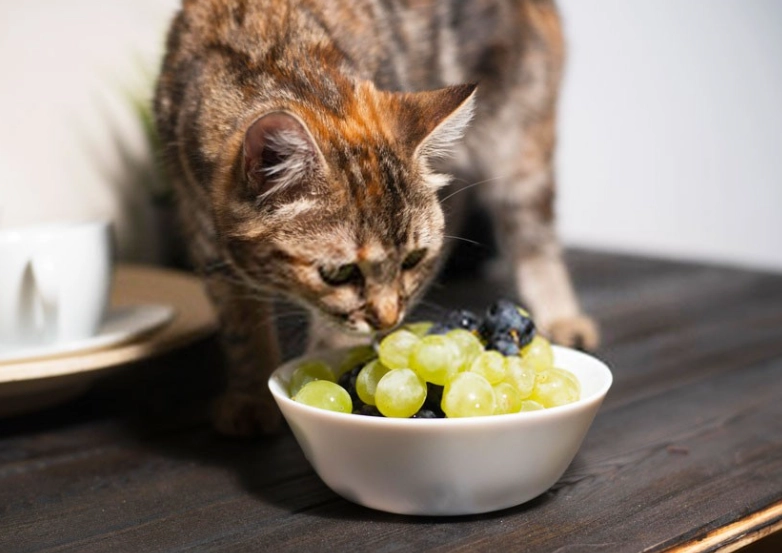
Safe Fruit Alternatives for Your Cat
Cats are obligate carnivores. They don't need fruit. But if you want to offer a tiny, occasional treat, some options are generally considered safe in small amounts. Always remove seeds, pits, and skin, and introduce a tiny piece to see if they like it and tolerate it (some cats get an upset stomach).
Small, occasional treats can include: Diced banana, Blueberries, Seedless watermelon (red flesh only), Cantaloupe. The key word is tiny—a piece the size of your pinky nail, not a whole slice.
Always avoid: Grapes & raisins (obviously), Onions & garlic, Chocolate, Xylitol (in sugar-free products), Alcohol, Caffeine.
Your Grape & Cat Safety Questions Answered
Related Articles