Dog Diarrhea: Causes, Home Care & When to Worry
You see it. Your stomach sinks. Your dog has diarrhea. That sudden, messy, and often alarming situation every pet owner faces at some point. The panic sets in—should you rush to the vet, or can you handle this at home? Here's the truth most generic articles won't tell you upfront: the vast majority of simple diarrhea episodes are manageable at home, but a specific, often-missed set of symptoms separates a minor upset from a true emergency. I've lived through this with my own dogs more times than I care to count, and I've learned the hard way what works and what wastes time.
What You'll Find in This Guide
- Understanding Dog Diarrhea: What's Normal, What's Not?
- Common Causes of Diarrhea in Dogs
- How to Treat Dog Diarrhea at Home: A Step-by-Step Guide
- When is Dog Diarrhea an Emergency?
- The Bland Diet: What to Feed and What to Avoid
- Preventing Future Episodes of Dog Diarrhea
- Your Dog Diarrhea Questions, Answered
Understanding Dog Diarrhea: What's Normal, What's Not?
First, let's demystify. Diarrhea isn't a disease itself; it's a symptom. It means the intestines are moving things along too fast, not absorbing enough water, or both. The consistency is your first clue. Veterinarians often use a fecal scoring chart from 1 to 7. A score of 1 is hard, dry pellets. A perfect score is 2—firm, segmented logs. Once you hit 3 (soft, moist logs) and definitely by 4 (soft, pudding-like), you're in diarrhea territory. Scores 5, 6, and 7 are increasingly liquid.
Why does this matter? Because a score 4 diarrhea from a bit of rich food is a world apart from a score 7 watery explosion that could signal a serious infection or parasite overload. Paying attention to the details—color, frequency, presence of mucus or blood—isn't being obsessive; it's gathering critical intel.
Common Causes of Diarrhea in Dogs
Figuring out the "why" is half the battle. The causes range from trivial to life-threatening.
Dietary Indiscretion. This is the classic. Your dog raided the trash, ate a dead thing on a walk, scarfed down a new treat, or got a chunk of your greasy pizza when you weren't looking. Their system just can't handle it.
Sudden Diet Change. Swapping your dog's food overnight is a guaranteed gut revolt. Their microbiome needs a slow transition over 7-10 days.
Parasites. Worms like roundworms, hookworms, whipworms, and protozoa like Giardia and Coccidia are common culprits, especially in puppies or dogs who drink from puddles. You might not see the worms in the stool—a vet fecal test is needed.
Bacterial or Viral Infections. Salmonella, E. coli, or viruses like Parvovirus (in unvaccinated dogs) cause severe, often bloody diarrhea. Parvo is a swift, deadly killer for puppies.
Stress or Anxiety. Yes, dogs get stress diarrhea. A thunderstorm, a new pet in the house, a boarding stay—all can trigger a nervous gut. I once had a dog whose stomach would act up every single time we had house guests.
Underlying Medical Conditions. This is where it gets serious. Diseases like inflammatory bowel disease (IBD), pancreatitis, liver disease, kidney issues, or certain cancers can have chronic diarrhea as a primary symptom.
Food Allergies or Intolerances. An allergy to a protein like chicken or beef, or an intolerance to an ingredient like wheat or corn, can cause ongoing digestive issues.
How to Treat Dog Diarrhea at Home: A Step-by-Step Guide
If your dog is otherwise acting normal—playing, interested in food, no vomiting—you can try these steps. This is the protocol my vet friend swears by for simple cases.
Step 1: The Strategic Fast
Withhold all food for 12-24 hours. This gives the irritated intestinal tract a complete rest. It's the single most effective thing you can do. Critical note: Always provide unlimited access to fresh, clean water. Dehydration is the real danger with diarrhea. You can even offer ice cubes if they're hesitant to drink.
Step 2: Introduce a Bland Diet
After the fast, don't go back to regular kibble. That's a rookie mistake that will restart the cycle. You need a bland, easily digestible meal.
The classic recipe is boiled white meat chicken (no skin, no bones) or lean ground beef (drained of all fat) mixed with plain, cooked white rice. The ratio should be about 1:2 (one part protein to two parts rice).
Feed small amounts—maybe a quarter of their normal meal size—every 3-4 hours for the first day. This gentle approach is key.
Step 3: Probiotics and Pumpkin
A good quality canine probiotic can help repopulate the gut with good bacteria. Plain, canned pumpkin (not pumpkin pie filling!) is a magic bullet. It's high in fiber, which can help absorb excess water and bulk up the stool. A tablespoon mixed into the bland food works wonders.
Step 4: The Gradual Transition Back
This takes patience. Feed the bland diet for 2-3 days after the diarrhea has fully resolved. Then, over another 3-4 days, slowly mix in their regular food, increasing the proportion each day. Rushing this step is the most common reason for relapse.
When is Dog Diarrhea an Emergency?
This is the non-negotiable part. Call your vet or an emergency clinic immediately if you see any of these red flags alongside the diarrhea. Don't wait to see if it gets better.
| Symptom | Why It's Serious |
|---|---|
| Blood in the stool (bright red or dark, tarry black) | Indicates significant bleeding in the lower or upper GI tract. |
| Repeated vomiting along with diarrhea | High risk of rapid dehydration and could indicate a blockage or systemic illness. |
| Lethargy, weakness, or collapse | Your dog feels systemically ill, not just has a bum stomach. |
| Loss of appetite for more than 24 hours | A sick dog who won't eat is a major concern. |
| Signs of pain (whining, trembling, arched back, reluctance to move) | Could indicate pancreatitis, an obstruction, or other painful conditions. |
| A distended or hard abdomen | A potential sign of a life-threatening condition called GDV (bloat) or an obstruction. |
| Pale or white gums | Suggests anemia or shock, often from internal blood loss. |
| Your dog is a puppy, senior, or has a pre-existing health condition | These patients have less reserve and can deteriorate quickly. |
Trust your gut. If something feels "off" beyond the diarrhea, it's better to get it checked. I once took my dog in for what seemed like mild diarrhea because he just had a "look" in his eyes. It turned out to be the early stages of a nasty bacterial infection. Catching it early meant a simpler treatment.
The Bland Diet: What to Feed and What to Avoid
Let's get hyper-specific, because the devil is in the details.
The Gold Standard: Boiled chicken breast and white rice. It's boring, it's simple, it works. Use boneless, skinless chicken. Boil it in plain water until fully cooked, then shred it. Cook the rice in a large amount of water so it's extra soft and mushy.
Alternative Proteins: If your dog is allergic to chicken, use boiled lean ground turkey (drained), boiled white fish (like cod), or even low-fat cottage cheese (in small amounts).
Alternative Carbs: If rice doesn't sit well, try plain, cooked pasta (no sauce), plain mashed potato (no butter/milk), or cooked oatmeal.
What to Absolutely Avoid During Recovery:
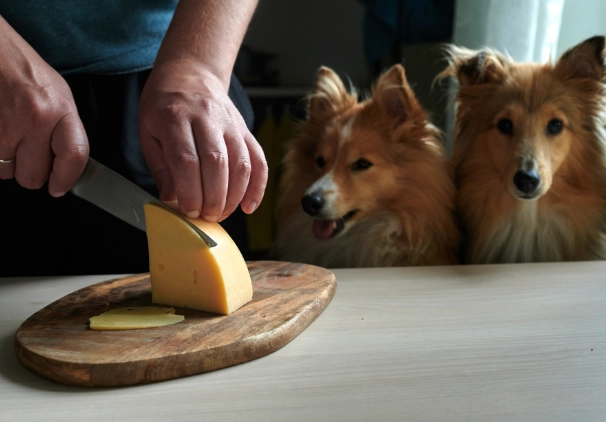
- Dairy: Milk, cheese, yogurt (unless it's plain, probiotic yogurt specifically recommended by your vet).
- Fatty Foods: Greasy meats, butter, oils, bacon.
- High-Fiber Veggies: Broccoli, beans, etc.—they can be gas-producing and irritating.
- Seasonings: Salt, garlic, onion, spices are all irritants and some are toxic.
- Treats and Table Scraps: Zero. Nada. This is a strict diet.
Preventing Future Episodes of Dog Diarrhea
You can't prevent everything, but you can stack the odds in your favor.
Diet Management is King. Stick to a consistent, high-quality diet. If you need to change foods, do it over a week or more. Be ruthless about not feeding human food, no matter how sad those eyes get.
Parasite Control. Keep up with monthly heartworm preventatives, as many also control intestinal parasites. Get annual fecal exams at the vet.
Stress Minimization. If your dog is anxious, work on training, provide safe spaces, and talk to your vet about calming aids for known stressful events (like fireworks).
Garbage and Outdoor Vigilance. Use trash cans with secure lids. Train a strong "leave it" command for walks to prevent scavenging. Be mindful of standing water where parasites like Giardia lurk.
Probiotic Maintenance. Consider adding a daily probiotic to your dog's routine, especially if they have a sensitive stomach. It can build a more resilient gut microbiome.
Your Dog Diarrhea Questions, Answered
Related Articles