Cat Acne Explained: Causes, Treatment, and Prevention Guide
You're petting your cat, scratching that sweet spot under the chin, and your fingers feel it. Not soft fur, but a gritty, bumpy texture. You take a closer look and see a cluster of tiny black dots on their chin, maybe some red bumps too. Your first thought might be dirt or fleas, but it's likely something simpler and surprisingly common: cat acne, or feline chin acne.
I've been through this with my own cat, a fastidious domestic shorthair named Mittens. For years, I thought the black specks were just "cat stuff" until they turned into a swollen, painful-looking patch. That's when I dove deep, talked to my vet, and learned that managing cat acne is less about a one-time cure and more about understanding a recurring skin condition. It's not a life-threatening issue in most cases, but left unchecked, it can become a painful, infected mess that seriously impacts your cat's quality of life.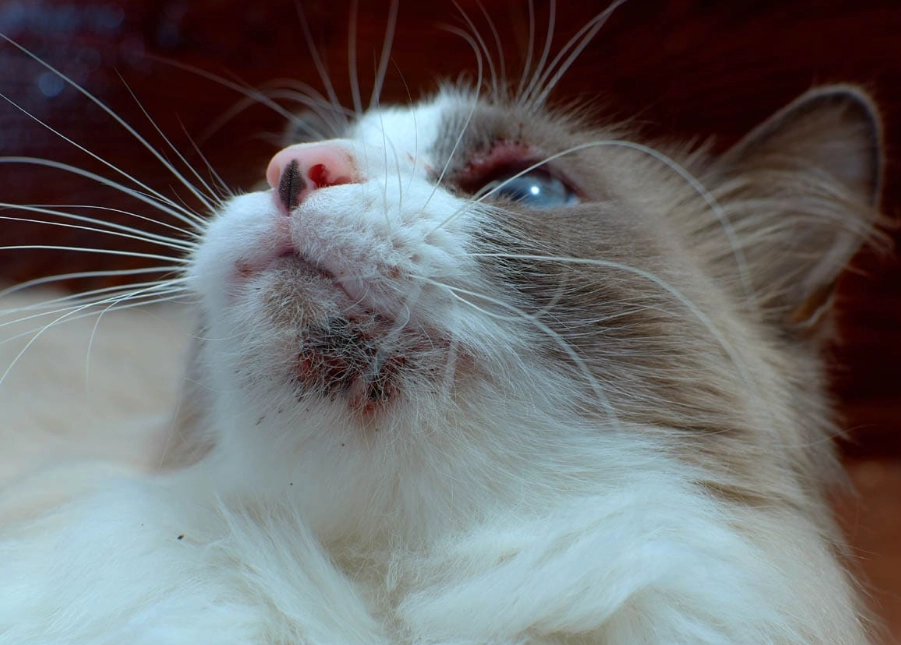
This guide cuts through the clutter. We'll look at what cat acne really is, why your cat gets it (spoiler: that plastic food bowl is a prime suspect), how to treat it at home safely, and crucially, when you absolutely need to call the vet. Let's get your cat's chin back to its soft, pet-able best.
What's Inside This Guide?
What Does Cat Acne Actually Look and Feel Like?
Feline acne is an inflammatory disorder of the hair follicles and sebaceous (oil) glands on the chin and lower lip. Think of it like human blackheads and pimples, but for cats. The process starts when the follicle gets plugged with excess keratin (a skin protein) and sebum (oil).
The progression usually follows a pattern you can spot:
The Early Signs: You'll see comedones – that's the veterinary term for blackheads. They look like fine black dirt or pepper grains stuck to the hairs on the chin. Many owners mistake this for flea dirt, but it doesn't dissolve and turn red when wet like flea feces does. The skin itself might look normal or slightly pink.
If It Progresses: Those plugged follicles can become inflamed, turning into papules (red bumps) and pustules (pus-filled pimples). The chin area can become swollen, tender, and hair may start to fall out.
The Severe Stage: In bad cases, like the one my cat Mittens had, the area can develop deep, painful nodules or cysts. The skin becomes thickened, scarred, and can ooze. At this point, it's often secondarily infected with bacteria, causing significant discomfort. Your cat might rub their chin on furniture or the floor, or flinch when you touch it.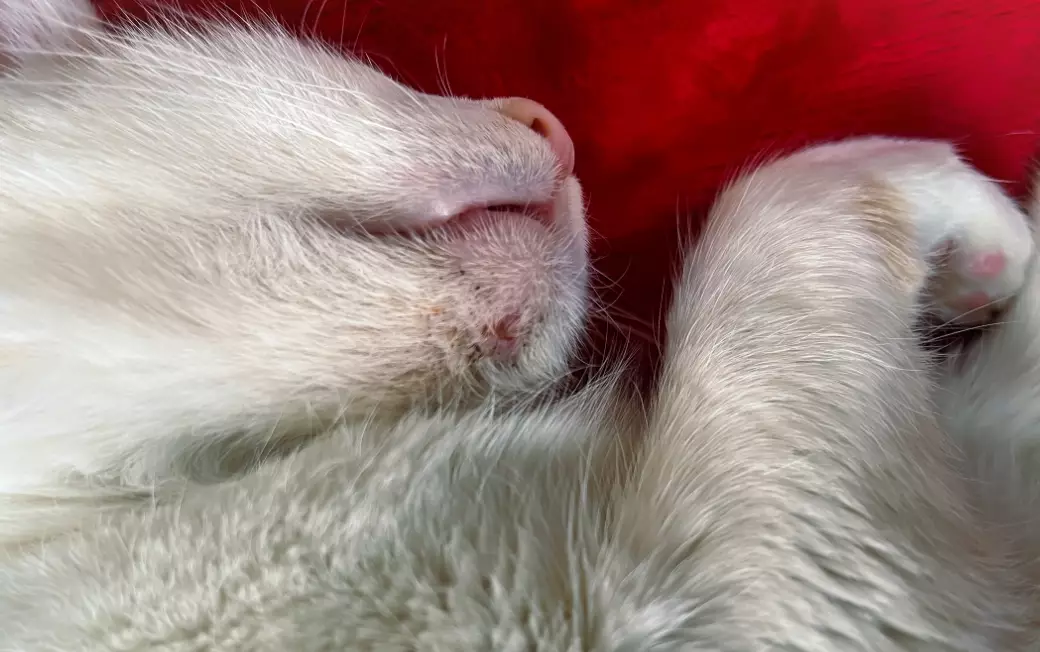
Key Takeaway: Don't wait for the red, painful stage. If you see those black specks, it's time to start management. Early intervention is the easiest and kindest path.
The Real Reasons Your Cat Gets Acne (Beyond Just Plastic Bowls)
Everyone points the finger at plastic bowls, and they're often right. But it's not the whole story. The root cause is often multifactorial – a combination of things that lead to those follicles getting clogged.
Here’s a breakdown of the main culprits:
| Cause | How It Contributes | What You Can Do |
|---|---|---|
| Plastic, Ceramic, or Porous Bowls | Microscopic scratches harbor bacteria. Porous materials absorb oils and grease, creating a biofilm. The cat's chin rubs against this contaminated surface during eating/drinking. | Switch to stainless steel, glass, or smooth ceramic bowls. Wash daily with hot, soapy water. |
| Poor Chin Hygiene | Some cats are just messy eaters or don't groom their chins well. Food residue, especially from wet or oily food, sits on the skin and hair, clogging pores. | Gently wipe the chin with a warm, damp cloth after meals, especially if you see food stuck. |
| Overactive Sebaceous Glands | Just like in humans, some cats simply produce more skin oil (sebum) than others. This genetic predisposition makes them more prone to blockages. | Focus on consistent, gentle cleansing to manage the excess oil. |
| Stress & Immune Function | Stress weakens the skin's barrier function and can increase inflammation. A multi-cat household, changes in routine, or other illnesses can be triggers. | Provide hiding spots, vertical space, and consistent routines. Use pheromone diffusers (like Feliway) if needed. |
| Underlying Health Issues | Rarely, persistent or severe acne can signal other problems like allergies (environmental or food), mite infestations (Demodex), or immune-mediated diseases. | If acne is severe, recurrent, or doesn't respond to basic care, a vet visit is crucial to rule these out. |
One nuance most articles miss: even "antimicrobial" plastic bowls can be a problem. It's less about the bacteria on the bowl causing a direct infection and more about the physical irritation and pore-clogging from the plastic material and the grease film that builds up on it. Switching bowls is the lowest-hanging fruit and the first thing any experienced cat owner or vet will tell you to try.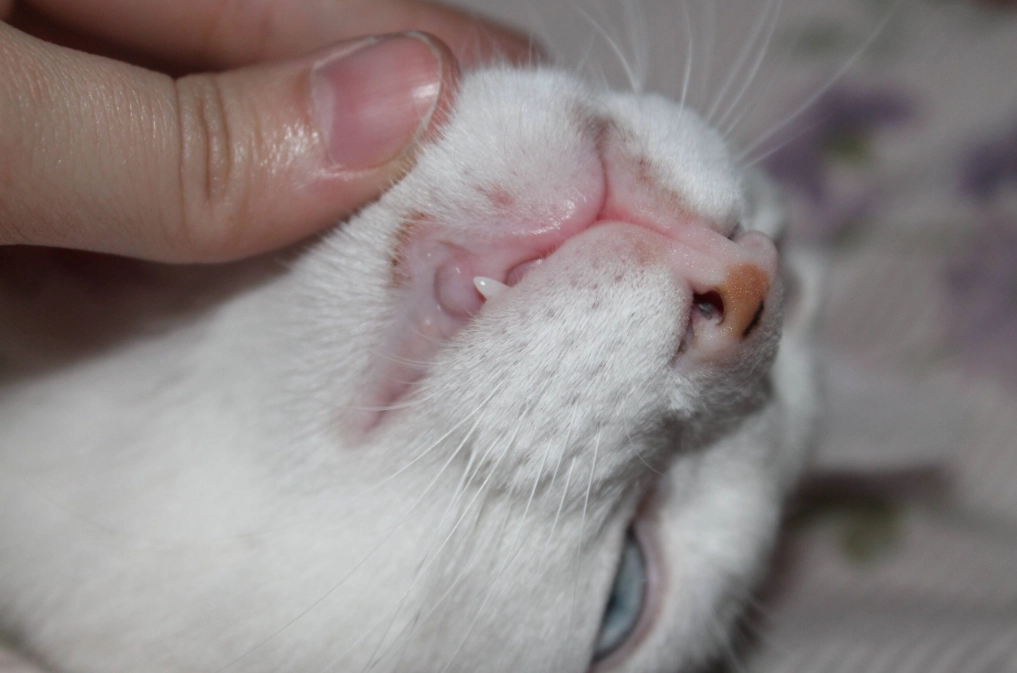
How to Treat Cat Acne: A Step-by-Step Plan
Treatment depends entirely on the severity. Let's break it down from basic home care to when you need professional help.
Mild Cat Acne (Blackheads Only)
This is where you can often manage things at home. The goal is gentle cleansing and unclogging pores.
1. The Bowl Swap: This is non-negotiable. Get stainless steel or glass bowls for both food and water. Commit to washing them in hot, soapy water every single day. Not weekly. Daily.
2. Gentle Chin Wipes: After meals, use a soft cloth or cotton pad soaked in warm water to wipe your cat's chin. No soap needed at this stage. If your cat tolerates it, you can use a mild, vet-approved antiseptic like diluted chlorhexidine (ask your vet for the proper dilution, usually 0.5-1%). A product like Douxo S3 PYO Pads contains chlorhexidine and is formulated for pets.
3. Over-the-Counter Options: For stubborn blackheads, a benzoyl peroxide shampoo or gel formulated for cats can be effective. Important: Human acne products are far too strong and can be toxic. Use only veterinary products like Etiderm or Oxydex, and apply minimally as directed. Benzoyl peroxide can be drying, so start slowly.
The key with mild cases is consistency. Do this routine for several weeks before expecting dramatic results.
Moderate to Severe Cat Acne (Redness, Bumps, Swelling)
Once there's inflammation or infection, home care alone isn't enough. You need a vet.
What the vet will likely do: They may clip the hair on the chin for better treatment access. They'll often prescribe:
Topical Antibiotics: Mupirocin ointment is a common one for bacterial infections.
Oral Antibiotics: For deeper infections, a course of antibiotics like clindamycin is standard. You must finish the entire course.
Anti-inflammatory Medication: In very inflamed cases, a short course of steroids may be used to reduce swelling and itching quickly.
Medicated Shampoos: Your vet might prescribe a stronger antimicrobial/antiseborrheic shampoo to use a few times a week.
Never, ever pop your cat's pimples. You'll drive bacteria deeper, cause more inflammation, and seriously pain your cat. Let the vet handle any necessary expression under sterile conditions.
Preventing Future Breakouts: Daily Habits That Make a Difference
Cat acne tends to be a chronic, manageable condition. After clearing an episode, prevention is your new focus.
Bowl Hygiene is Forever: Stick with the stainless steel/glass and daily washing. It's the cornerstone of prevention.
Make Chin Wiping a Ritual: Find a way to make it positive. A treat after a quick wipe can build tolerance. I do it while Mittens is relaxed and purring on my lap.
Diet Check: While not a primary cause for most, some cats with food allergies might see skin improvements on a limited-ingredient or hypoallergenic diet. If your cat has other allergy symptoms (itchy ears, body itching), discuss this with your vet.
Stress Minimization: Watch for chin flare-ups during stressful times (moving, new pets, construction). Provide calm spaces and consider calming aids if needed.
Regular Grooming Help: For long-haired cats or cats who are poor groomers, gently brushing around the chin and mouth can help prevent hair and debris from matting and contributing to blockages.
It's about creating a system, not seeking a permanent cure. My cat Mittens hasn't had a major breakout in two years now, but I still wipe his chin every other day and watch his bowl like a hawk.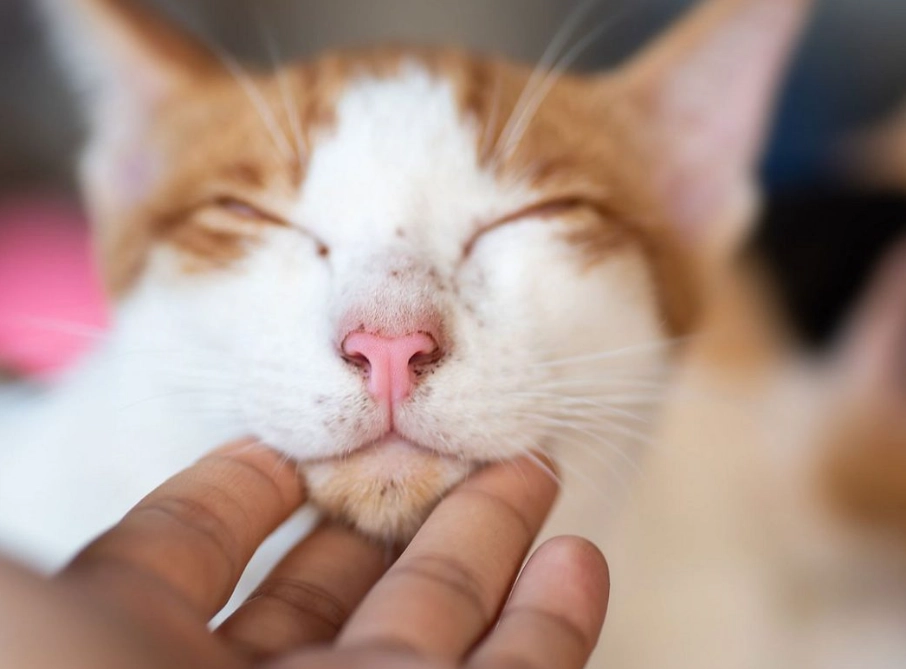
Your Cat Acne Questions, Answered
My cat absolutely hates having his chin touched or wiped. How can I clean it without a battle?
Start by just resting your hand near his chin during petting sessions, then offer a high-value treat. Gradually work up to a one-second touch, then treat. For wiping, try wrapping him gently in a towel (a "purrito") to keep paws contained. Use the softest material possible—a microfiber cloth dampened with warm water is often less irritating than a paper towel or cotton ball. Keep sessions extremely short, 5-10 seconds max, and always end on a positive note with a treat or play. Consistency and patience over weeks will build tolerance better than a forceful daily struggle.
I switched to stainless steel bowls, but my cat's acne hasn't improved in a month. What's the next step?
A month is a reasonable trial period. If there's zero improvement, it's time to look beyond the bowl. The next most common factor is the cat's own grooming habits or underlying oil production. Increase the frequency of gentle cleansing to twice daily. If you're just using water, ask your vet about trying a vet-specific chlorhexidine wipe. If the acne is inflammatory (red bumps), it's definitely time for a vet visit, as you likely need prescription medication to break the cycle of inflammation before maintenance cleaning can work.
Can cat acne spread to other pets or to me?
No, feline acne is not contagious. It's a disorder of the hair follicle, not an infectious disease caused by a specific transmissible germ. You cannot catch it from your cat, and your other pets cannot catch it from each other. However, if multiple cats in a household have it, they likely share a common trigger, like the same plastic food bowls or a stressful environment, not because they passed it around.
 Is there a link between cat acne and the food I'm feeding? Should I switch to a grain-free or all-wet food diet?
Direct links to specific ingredients like grains are rare and not well-supported by science. The connection is usually more physical: oily or sticky wet food can leave more residue on the chin than dry kibble. If you feed wet food, be extra diligent about post-meal chin wiping. A true food allergy presenting *only* as chin acne is uncommon; allergies usually cause more widespread itching. However, if your cat has other symptoms, a dietary trial supervised by your vet could be worthwhile. Don't jump on trendy diets without evidence; focus on the mechanical cleaning of the chin first.
My vet prescribed medication and the acne cleared, but it came back as soon as we stopped. Does this mean the treatment failed?
Not at all. This is the most common pattern and indicates you're dealing with a chronic condition. Think of it like managing dandruff or mild eczema. The medication (antibiotics, anti-inflammatories) treats the active flare-up—the infection and severe inflammation. Once that's controlled, you transition to a long-term maintenance routine of bowl hygiene and gentle cleansing to prevent the follicles from getting clogged again. The treatment succeeded in resolving the acute problem; the "failure" is expecting a one-time fix for a recurring issue. Work with your vet to define a clear maintenance plan after the initial medication course ends.
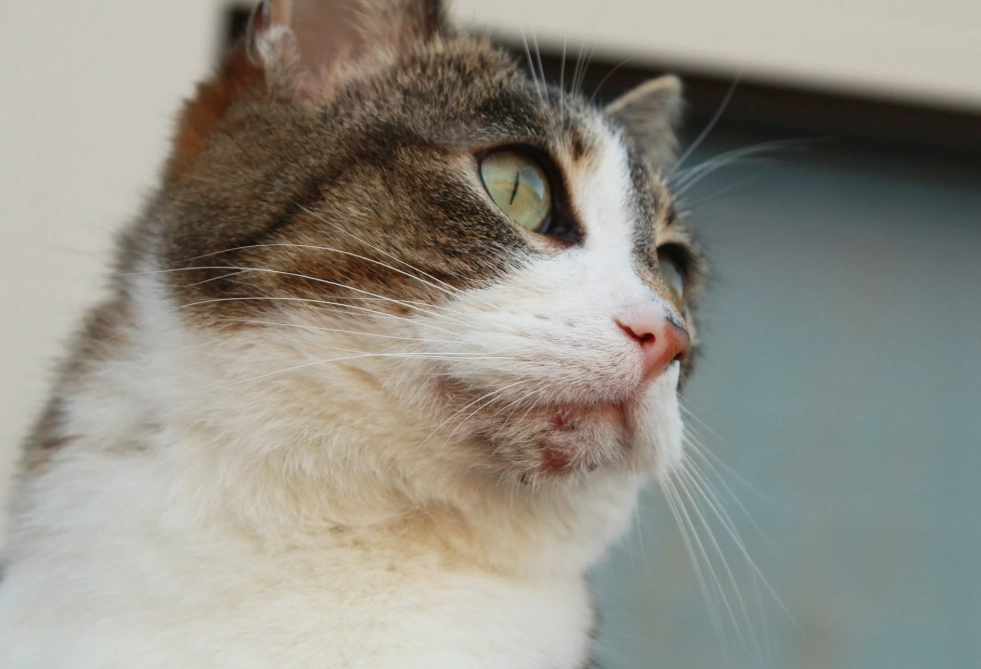 The bottom line with cat acne is this: it's a common, manageable skin condition. Panic isn't necessary, but neither is ignoring it. Start with the simple fixes—ditch the plastic bowls, wipe that chin. Pay attention. If it gets angry-looking, get veterinary help to calm it down quickly. Then, establish those daily habits that keep your cat comfortable.
For further reading on feline skin health, resources like the Cornell Feline Health Center or the Merck Veterinary Manual offer authoritative information. Your cat's smooth, clear chin will thank you for the effort.
Related Articles