Pumpkin for Dogs: Benefits, Risks, and How to Use It Safely
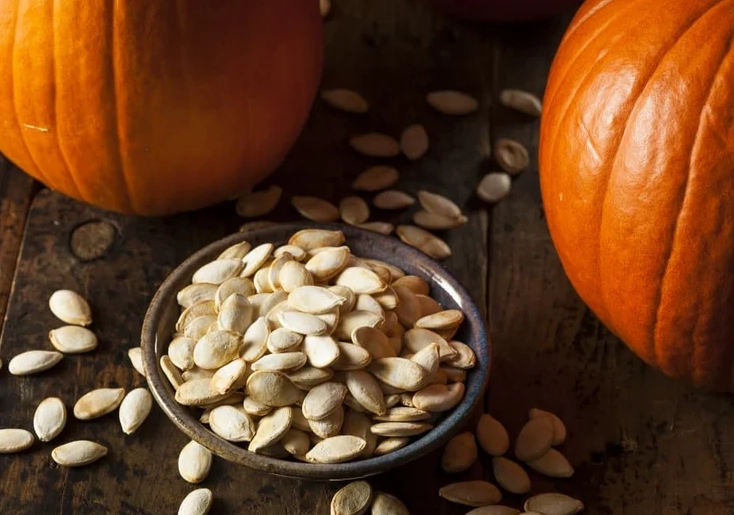
Let's cut straight to the point. Pumpkin is one of the safest, most effective, and cheapest home remedies you can keep in your pantry for your dog. I've been recommending it to clients for over a decade, not because it's a trendy superfood, but because it consistently works for specific, common problems. But here's the catch most articles miss: it's not a magic bullet for every tummy ache, and giving too much can backfire. This guide will walk you through exactly when to use it, how much to give based on your dog's weight, and the mistakes I see owners make every single week. Forget the hype. Pumpkin helps dogs in three primary, tangible ways. It's all about the fiber and moisture content. This is pumpkin's starring role. The soluble fiber in pumpkin absorbs excess water in the digestive tract, which can help firm up loose stools. Think of it like a sponge. More importantly, it adds bulk and softness to hard, dry stools, making them easier to pass. This dual action is why it's so useful. A common misconception? People think pumpkin is the first line of defense for sudden, severe diarrhea. It's not. For acute diarrhea caused by dietary indiscretion (like getting into the trash), a short period of fasting followed by a bland diet is often better. Pumpkin shines for mild soft stool or occasional constipation. My own Labrador, Barley, gets a spoonful whenever his stool gets a bit too soft from a new treat—it usually normalizes things within 12 hours. Pumpkin is low in calories but high in volume and fiber. Adding a few tablespoons to your dog's regular kibble can help them feel fuller for longer. This is a fantastic trick for dogs who are always hungry or on a diet. You're essentially adding "filler" that's actually beneficial, not empty calories. Just remember to reduce their regular food slightly to account for the pumpkin calories. Plain pumpkin is packed with vitamins. Vitamin A supports vision and immune health, though you must be cautious with excessive amounts. It's a source of vitamin C and E, antioxidants that combat cellular damage. The potassium is great for electrolyte balance, especially helpful if your dog has had an upset stomach. It's a nutrient-dense supplement, not just fiber and water. Getting the amount right is everything. Too little does nothing. Too much can cause diarrhea or, ironically, constipation. This table is based on general veterinary guidance and my experience adjusting for hundreds of dogs. How to start: Begin with the lower end of the range for your dog's weight. Mix it thoroughly into their regular food. I prefer canned pure pumpkin puree because the consistency is perfect. If you're using homemade, make sure it's a smooth, thick puree, not stringy or watery. Monitor their stool. You're looking for a positive change within 24-48 hours. If there's no improvement or things get worse, stop and reconsider. Maybe the issue isn't fiber-related. For weight management, use the "starting amount" as a regular addition, reducing their kibble by about 10-15% to keep total calories in check. Not all pumpkin products are dog-safe. This is where many owners slip up. The main risk of plain pumpkin is overdoing it. Excessive fiber can lead to bloating, gas, or nutrient malabsorption if it displaces too much of their balanced diet. It's a supplement, not a meal replacement. Yes, but with a very specific preparation. Raw, whole pumpkin seeds are hard to digest and can be a choking hazard. The safe way is to roast them plain (no salt, no oil) at 350°F (175°C) for about an hour until dry and crispy, then grind them into a powder using a coffee grinder or food processor. Why go through the trouble? Pumpkin seed powder is praised by some holistic vets for its potential supportive role in urinary health due to an amino acid called cucurbitin. The evidence is more anecdotal than rock-solid, but as an occasional sprinkle on food, it's safe if prepared correctly. I give Barley about 1/4 teaspoon of the powder on his food once or twice a week. It's not a treatment, just a little extra. My dog has diarrhea. Can pumpkin help, or will it make it worse? It depends on the cause and consistency. For mild, non-watery diarrhea where your dog is otherwise acting normal, a small amount of pumpkin can help absorb excess water and add bulk. However, if the diarrhea is severe, watery, bloody, or accompanied by lethargy or vomiting, skip the pumpkin and call your vet immediately. Pumpkin isn't medicine for serious illness. How long does it take for pumpkin to work for a dog's constipation? You should see an effort to pass stool within 12-24 hours after feeding. The stool itself should be softer and easier to pass. If your dog is straining with no result after 24 hours of giving pumpkin, or seems in pain, this is a veterinary emergency—it could be a blockage, not simple constipation. My dog won't eat plain pumpkin. Any tricks? Mix it with something irresistible. A tiny bit of low-sodium chicken broth, a spoonful of plain yogurt, or mixed into a dollop of wet dog food can disguise it. You can also try freezing small blobs of pumpkin puree as a cool treat. Start with a minuscule amount mixed very well into their favorite food and gradually increase. Is it okay to give my dog pumpkin every day? For most dogs, a small daily amount (within the "starting amount" guideline) is safe and can be beneficial for maintaining digestive regularity and aiding weight control. However, it shouldn't constitute more than 10% of their daily caloric intake. If you're doing this long-term, mention it to your vet during your dog's annual check-up. Can puppies and senior dogs have pumpkin? Yes, but with extra caution. For puppies, use a much smaller dose (a tiny smear for a tiny puppy). Their digestive systems are sensitive. For seniors, pumpkin can be great for regularity, but ensure it doesn't interfere with any medications or specific health conditions (like kidney disease, where potassium intake might be monitored). Always get the all-clear from your vet first for these life stages. Pumpkin is a tool. A simple, natural, and effective one when used correctly. Keep a can of pure puree in your cupboard. Start small, watch closely, and you might just find it solves more problems than a lot of expensive supplements. Just remember what it is and isn't. It's a helper, not a hero.What You'll Learn
The Real Benefits of Pumpkin for Dogs (Backed by Science)

Solves Digestive Upset (But You Need the Right Kind)
Aids in Healthy Weight Management

Provides a Nutrient Boost
How to Feed Pumpkin to Your Dog: A Step-by-Step Plan
Dog Weight
Starting Amount (Per Meal)
Maximum Daily Amount
Best For
Small (under 20 lbs / 9 kg)
1/2 to 1 teaspoon
1-2 tablespoons
Toy breeds, small dogs with sensitive stomachs
Medium (20-50 lbs / 9-23 kg)
1 to 2 tablespoons
1/4 cup
Most common serving size for issues like mild soft stool
Large (50-90 lbs / 23-41 kg)
2 to 3 tablespoons
1/3 to 1/2 cup
Larger breeds needing more fiber for bulk
Giant (90+ lbs / 41+ kg)
1/4 cup
3/4 cup
Great Danes, Mastiffs, etc.
Pumpkin Forms, Risks, and What to Avoid
Can Dogs Eat Pumpkin Seeds? The Special Case

Your Top Pumpkin for Dogs Questions, Answered