Canine Parvovirus: A Complete Guide to Prevention, Treatment, and Survival
Let's be honest, the words "parvo" and "dog" in the same sentence send a chill down any pet owner's spine. And they should. Canine parvovirus is a brutal, highly contagious, and often fatal disease that primarily attacks puppies and unvaccinated dogs. I've seen it firsthand—the frantic late-night vet visits, the heart-wrenching decisions, the staggering bills. But here's the crucial part I want you to remember right from the start: parvo is often preventable, and with aggressive, timely treatment, survival is possible. This guide cuts through the panic and gives you the clear, actionable information you need, whether you're trying to prevent parvo, suspect your dog has it, or are navigating the tough road of recovery.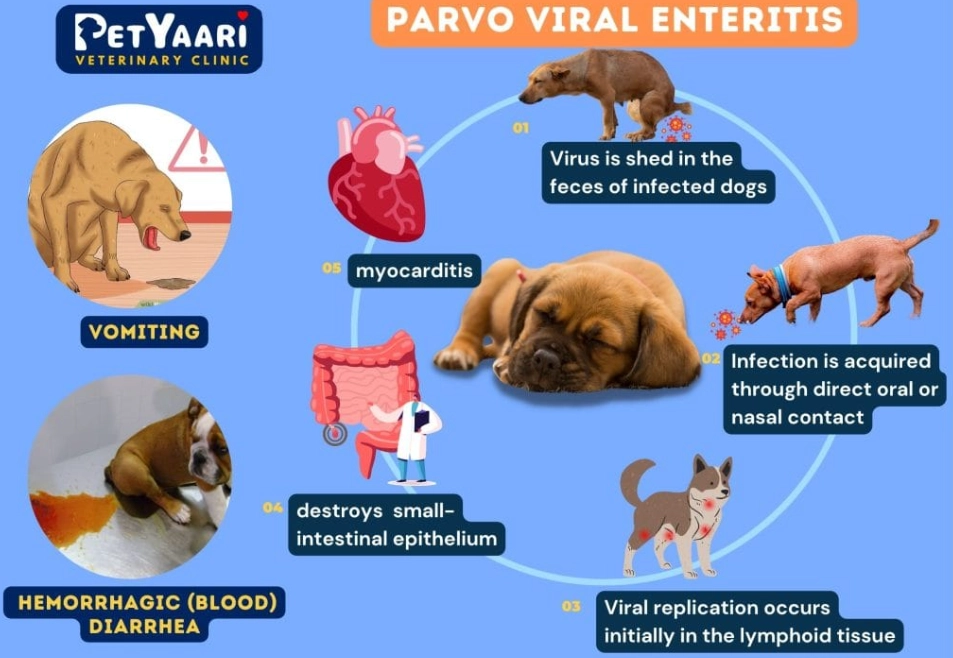
What You'll Find in This Guide
- What Exactly is Canine Parvovirus?
- Spotting Parvo Symptoms: Beyond Vomiting and Diarrhea
- Getting a Diagnosis: How Vets Confirm Parvo
- How is Parvo Treated? The Hospital Protocol
- Home Care After the Hospital: The Critical Recovery Phase
- Preventing Parvo: It's More Than Just a Shot
- Your Parvo Questions Answered
What Exactly is Canine Parvovirus?
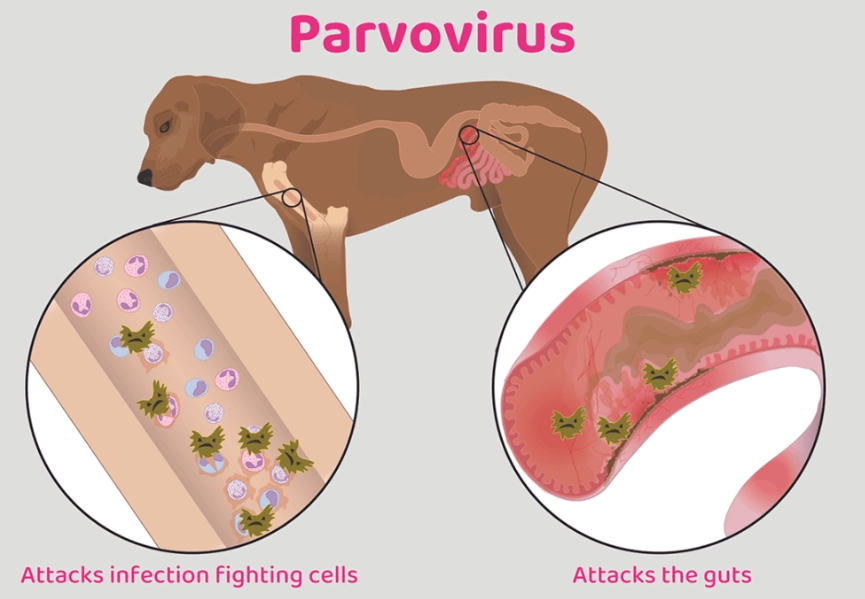
Canine parvovirus type 2 (CPV-2) is a nasty little virus. It's not just a stomach bug. It's a DNA virus that specifically seeks out and destroys rapidly dividing cells in a dog's body. Its two main targets are the intestinal lining and, in very young puppies, the heart muscle.
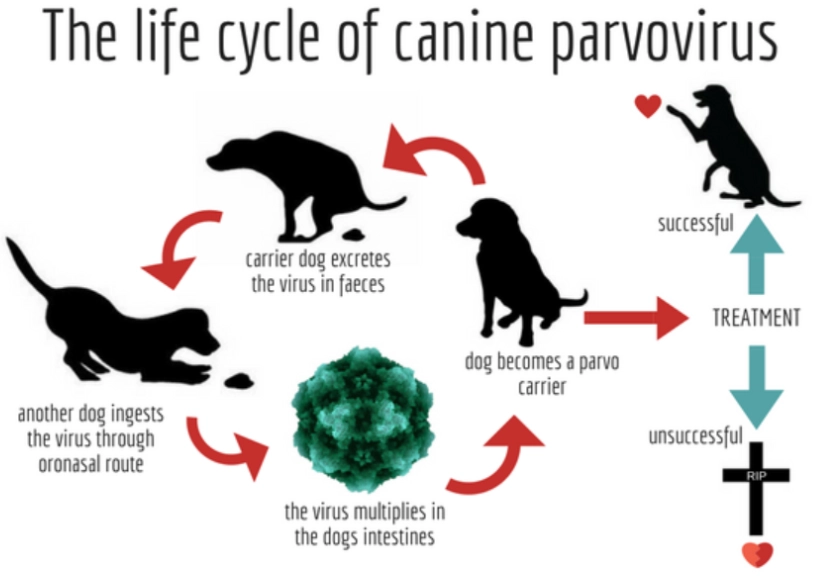
The virus is a survivor. It's resistant to heat, cold, humidity, and most common household disinfectants. It can live in soil for over a year, just waiting for a host. Dogs shed massive amounts of the virus in their feces for up to two weeks after infection, contaminating everything—yards, parks, shoes, leashes, kennel floors. Transmission is frighteningly simple: a dog sniffs or licks contaminated feces or a contaminated surface, and that's it. According to the American Veterinary Medical Association (AVMA), this environmental hardiness is a key reason outbreaks can occur.
All dogs are susceptible, but some are at much higher risk:
- Unvaccinated or incompletely vaccinated puppies between 6 weeks and 6 months old are public enemy number one for this virus.
- Certain breeds, like Rottweilers, Doberman Pinschers, American Pit Bull Terriers, and German Shepherds, appear to have a lower natural resistance and may be more susceptible to severe disease.
- Dogs with compromised immune systems from other illnesses or stress.
Spotting Parvo Symptoms: Beyond Vomiting and Diarrhea
Everyone knows parvo causes vomiting and diarrhea. But knowing the specifics of those symptoms can help you differentiate a simple upset stomach from a potential parvo case. The progression is often rapid, over 3-7 days.
Early signs (first 24-48 hours): These are easy to miss. Your puppy might just seem "off." Lethargic, not interested in play or food. They might have a mild fever. This is the stage where many owners think, "Maybe he ate something funny," and wait it out. That wait can be costly.
Full-blown symptoms: Then it hits hard.
- Severe, frequent vomiting: Often yellow (bile) or clear foam. It's persistent.
- Profuse, bloody diarrhea: This is a hallmark. The stool has a very foul, distinctive metallic smell and often contains mucus and bright red blood. The smell is something you don't forget.
- Extreme lethargy and weakness: Your dog may not even lift its head.
- Loss of appetite and refusal to drink: Leading to rapid dehydration.
- Abdominal pain or bloating: They may cry out or tense up when you touch their belly.
- Fever or, in later stages, hypothermia (low body temperature): A very bad sign.
Dehydration and septic shock from bacteria leaking through the damaged intestines are what ultimately kill the dog.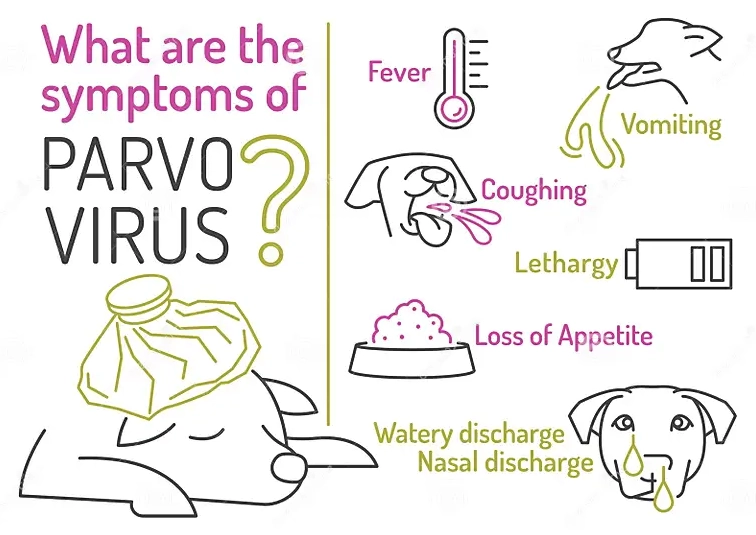
Getting a Diagnosis: How Vets Confirm Parvo
If you see these symptoms, you go to the vet. Don't call—go. Most veterinary clinics use an in-house ELISA (enzyme-linked immunosorbent assay) test that checks a fecal sample for parvovirus antigens. It takes about 10 minutes and is relatively accurate.
But here's an expert nuance many don't discuss: A negative test early in the infection doesn't 100% rule out parvo. The virus may not be shedding at detectable levels yet. If symptoms strongly point to parvo, a vet will often treat it as a presumptive parvo case based on clinical signs and a low white blood cell count (a common parvo finding on blood work). They might retest in 24-48 hours.
How is Parvo Treated? The Hospital Protocol
There is no magic pill that kills the parvovirus. Treatment is all about supportive care—keeping the dog alive and comfortable while its own immune system fights off the virus. This typically requires 3-7 days of intensive hospitalization. Let's break down what that $1,500 - $5,000+ bill actually covers.
| Treatment Component | What It Does & Why It's Critical |
|---|---|
| Intravenous (IV) Fluids | Fights severe dehydration and maintains blood pressure. This is the single most important part of treatment. Fluids are often given with electrolytes like potassium. |
| Anti-Nausea Medication | Stops the relentless vomiting (e.g., Maropitant/Cerenia). This allows other treatments to stay down and provides comfort. |
| Broad-Spectrum Antibiotics | Prevents or treats secondary bacterial infections. The damaged gut lets bacteria into the bloodstream, causing sepsis. |
| Pain Management | Addresses significant abdominal pain and discomfort. |
| Nutritional Support | Once vomiting is controlled, a vet may start a gentle, highly digestible diet via syringe or a feeding tube. Nutrition is crucial for healing. |
| Plasma or Albumin Transfusions | In severe cases, to replace proteins lost through the damaged intestines and help maintain blood volume. |
| Antiviral Serum? | Some clinics offer canine parvovirus monoclonal antibody treatment (e.g., Canine Parvovirus Monoclonal Antibody). It's expensive and evidence on its effectiveness is still debated, but some vets believe it can help neutralize the virus. |
The dog is isolated in a quarantine ward to prevent spreading the virus to other patients. The nursing staff monitors them constantly for changes in vitals, hydration status, and stool output.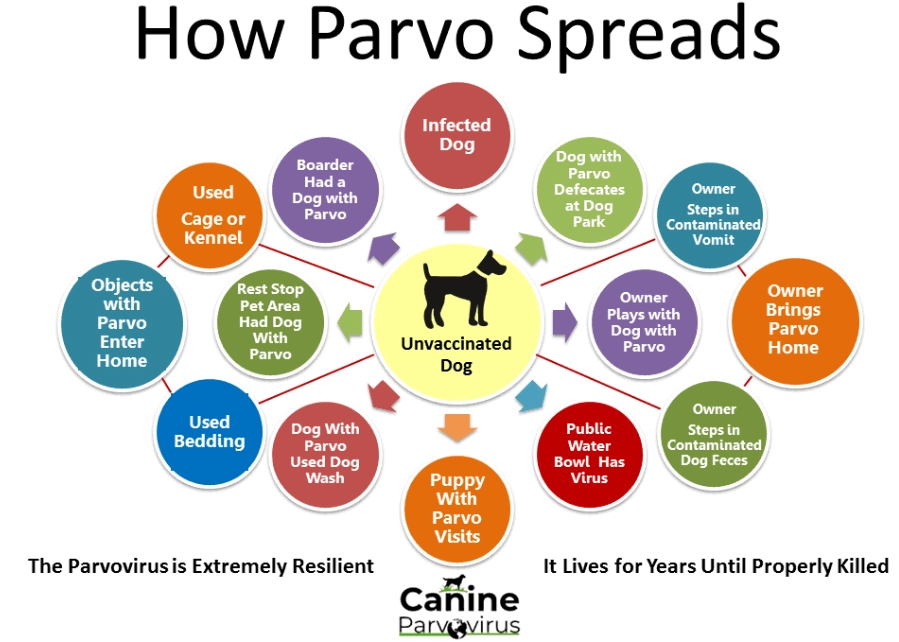
Home Care After the Hospital: The Critical Recovery Phase
Your dog coming home is a huge victory, but it's not over. The intestines are still raw and healing. A major mistake is rushing back to a normal diet or routine.
Diet is everything now. You'll start with a bland diet prescribed by your vet—usually boiled white meat chicken and white rice, or a prescription gastrointestinal diet like Hill's i/d or Royal Canin Gastrointestinal. Feed tiny, frequent meals (like 1-2 tablespoons every 2-3 hours). This minimizes strain on the gut. Gradually, over 7-10 days, you can start mixing in their regular food.
Isolation continues. Your dog will still be shedding the virus in its stool for up to two weeks post-recovery. Keep it away from other dogs and don't take it to public places. Clean up feces immediately and disinfect the area with a bleach solution (1 part bleach to 30 parts water) or a cleaner labeled as effective against parvovirus.
Watch for setbacks: any return of vomiting, diarrhea, or lethargy means an immediate call to the vet.
Preventing Parvo: It's More Than Just a Shot
Prevention is where you have real power. The core weapon is vaccination. The American Animal Hospital Association (AAHA) provides widely accepted canine vaccination guidelines.
The standard puppy vaccine schedule for parvo (usually in a combination DHPP shot) is:
- First dose: 6-8 weeks old
- Booster: Every 3-4 weeks
- Final booster in the series: At or after 16 weeks of age
- Booster: 1 year later, then every 3 years or as recommended by your vet.
Here's the critical, often misunderstood part: Maternal antibodies interfere with vaccines. Puppies get antibodies from their mother's milk. These protect them early on but also can neutralize a vaccine, making it ineffective. We don't know exactly when these maternal antibodies fade for each puppy. That's why we give a series of shots—to catch the window as soon as the maternal protection drops and before the puppy is exposed. Never assume a puppy with one shot is protected.
Until your puppy has completed its full vaccine series (usually around 16-18 weeks), you must be smart about socialization. Avoid:
- Dog parks, pet stores, and public sidewalks.
- Areas with unknown dog traffic.
Do socialize in controlled environments: puppy classes where all attendees are vaccinated, and visits to homes with known, healthy, vaccinated dogs.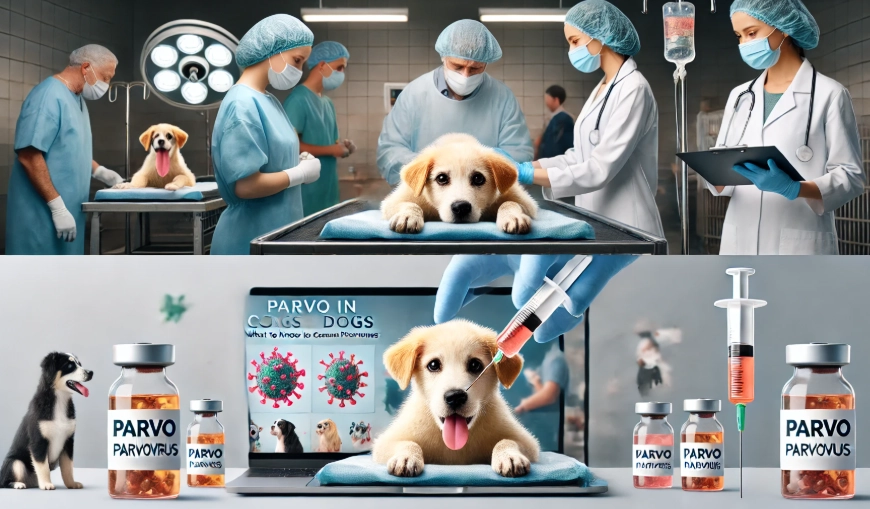
Your Parvo Questions Answered
 Is there any effective home remedy for parvo?
Related Articles