Are Bananas Good for Dogs? A Vet's Guide to Safe Feeding
Let's cut to the chase. Yes, bananas are generally safe and even beneficial for most dogs. They're packed with potassium, vitamins, and fiber. But that "generally" hides a minefield of common mistakes dog owners make. I've seen too many well-meaning owners cause mild stomach upsets or, worse, contribute to long-term weight issues by misunderstanding how to feed this fruit. The real question isn't just "can they?" but "how should they?" This guide will walk you through the science, the practical steps, and the expert nuances most articles gloss over.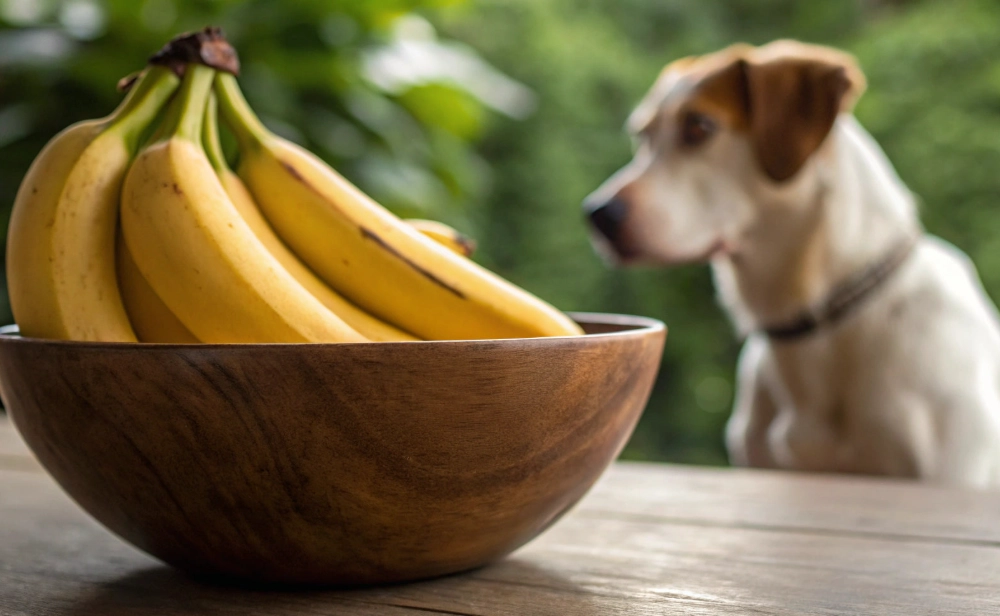
What’s Inside This Guide
The Real Nutritional Benefits for Dogs
Forget the marketing hype. Let's look at what bananas actually deliver for your canine companion. The primary value comes from three areas: essential electrolytes, digestive support, and low-fat energy.
Potassium Powerhouse. This is the big one. Potassium is crucial for proper heart, nerve, and muscle function. A dog with a balanced diet usually gets enough, but for active dogs or in hot weather, a small banana slice can be a natural electrolyte booster. It's a trick I learned from a veterinary nutritionist friend who works with agility dogs.
Fiber for Gut Health. Bananas contain both soluble and insoluble fiber. Soluble fiber (like pectin) can help firm up loose stools, while insoluble fiber adds bulk and can aid in moving things along if your dog is slightly constipated. It's a gentle regulator. My own dog, Luna, gets a teaspoon of mashed banana mixed into her kibble whenever her digestion seems a bit off—it often does the trick without medication.
Vitamin Boost. They offer Vitamin C (an antioxidant), Vitamin B6 (supports brain function and hormone regulation), and magnesium (supports bone health and enzyme function). While high-quality dog food should cover these needs, think of banana as a nutritious supplement, not a primary source.
Key Takeaway: The benefits are in the supporting role. Bananas are a healthy treat, not a meal replacement. Their value lies in providing specific nutrients in a palatable, low-fat form that most dogs love.
The Hidden Risks & Common Mistakes
This is where most owners slip up. The dangers aren't usually dramatic toxicity (like with grapes), but subtle, cumulative problems.
1. Sugar Content: The Silent Culprit
Bananas are high in natural sugars (fructose, glucose, sucrose). A medium banana has about 14 grams of sugar. For a 20-pound dog, that's a significant sugar hit. Frequent feeding can lead to:
- Weight Gain: Excess calories from treats, even healthy ones, pile on pounds.
- Blood Sugar Spikes: Particularly concerning for diabetic or pre-diabetic dogs. The American Veterinary Medical Association (AVMA) emphasizes managing carbohydrate intake for diabetic pets.
- Dental Issues: Sugar feeds oral bacteria, contributing to plaque and tartar.
The mistake isn't feeding banana; it's feeding too much or too often.
2. Choking and Digestive Blockage Hazards
Never give a whole banana to a dog, especially a small one. It's a choking hazard. More insidiously, the peel is a major risk.
Banana Peels are a No-Go. They are fibrous, tough, and nearly impossible for a dog to digest. Ingestion can cause a gastrointestinal blockage, which is a veterinary emergency requiring potentially expensive surgery. I've seen an X-ray of a dog's gut clogged with peel fragments—it's not pretty.
3. Gastrointestinal Upset
Introducing too much banana too quickly, or giving it to a dog with a sensitive stomach, can cause gas, bloating, or diarrhea. The high fiber content, while beneficial in small doses, can be disruptive in large ones.
How to Safely Feed Bananas to Your Dog
Safety is all about preparation and portion control. Follow these steps religiously.
Step 1: Preparation is Key. Peel the banana completely. Discard the peel in a secure bin your dog can't access. Cut the fruit into small, bite-sized pieces appropriate for your dog's mouth. For small dogs, mashing it is often safest.
Step 2: The Golden Rule of Portion Size. Treats, including fruits like banana, should never make up more than 10% of your dog's daily caloric intake. For bananas, a more practical guideline is based on weight:
| Dog Size | Weight Range | Maximum Banana Portion (Per Day) | What It Looks Like |
|---|---|---|---|
| Extra Small | Under 10 lbs | 1-2 small slices | About 1/2 inch thick |
| Small | 10-25 lbs | 2-3 small slices | 2-3 pieces, dime-sized |
| Medium | 25-50 lbs | 3-5 slices | Up to 1/5 of a medium banana |
| Large | 50-90 lbs | 1/2 of a medium banana | Half of a banana, sliced |
| Giant | 90+ lbs | 1/2 to 3/4 of a banana | A few large chunks |
Step 3: Serving Ideas Beyond the Slice. Frozen banana chunks make a fantastic summer teething treat for puppies. Mash a small amount and stuff it into a Kong toy, then freeze for a long-lasting activity. Mix a teaspoon of mashed banana into plain, unsweetened yogurt for a probiotic boost. Use tiny pieces as high-value training rewards.
Step 4: The First-Time Introduction. Start with a piece half the size recommended for your dog's weight. Monitor for 24-48 hours for any signs of digestive upset. If all is clear, you can gradually offer the full recommended portion.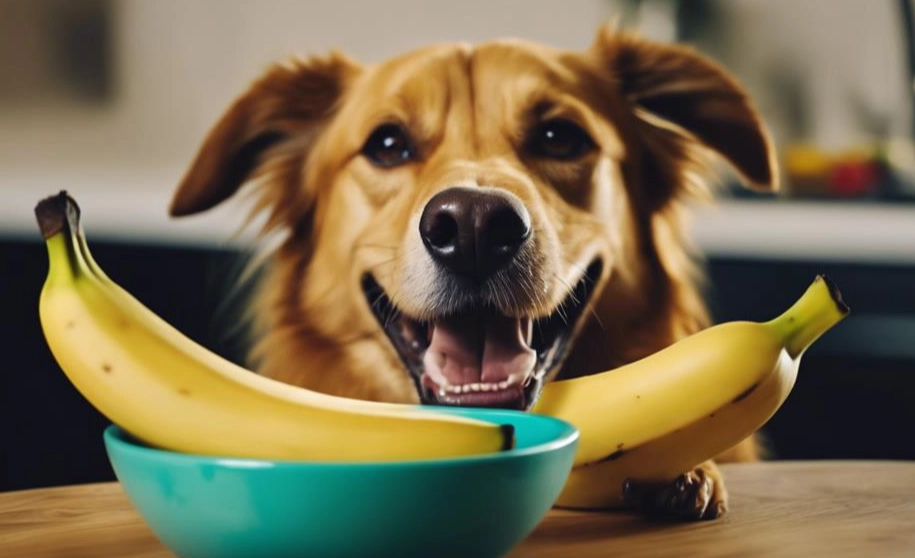
Your Top Banana Questions Answered
 My dog loves bananas, but they give him gas. What can I do?
So, are bananas good for dogs? The final answer is a qualified yes. They are a nutrient-rich snack that can be part of a balanced diet when used thoughtfully. The magic lies not in the fruit itself, but in your knowledge as an owner: peel it, portion it, and prioritize it as an occasional treat, not a staple. By understanding both the benefits and the very real pitfalls—especially the sugar content and the dangerous peel—you can safely share this yellow fruit with your furry friend and enjoy the happy, healthy tail wags that follow.
Related Articles